The Guarantee Behind DerMinous's Age Spot Erasing Claims
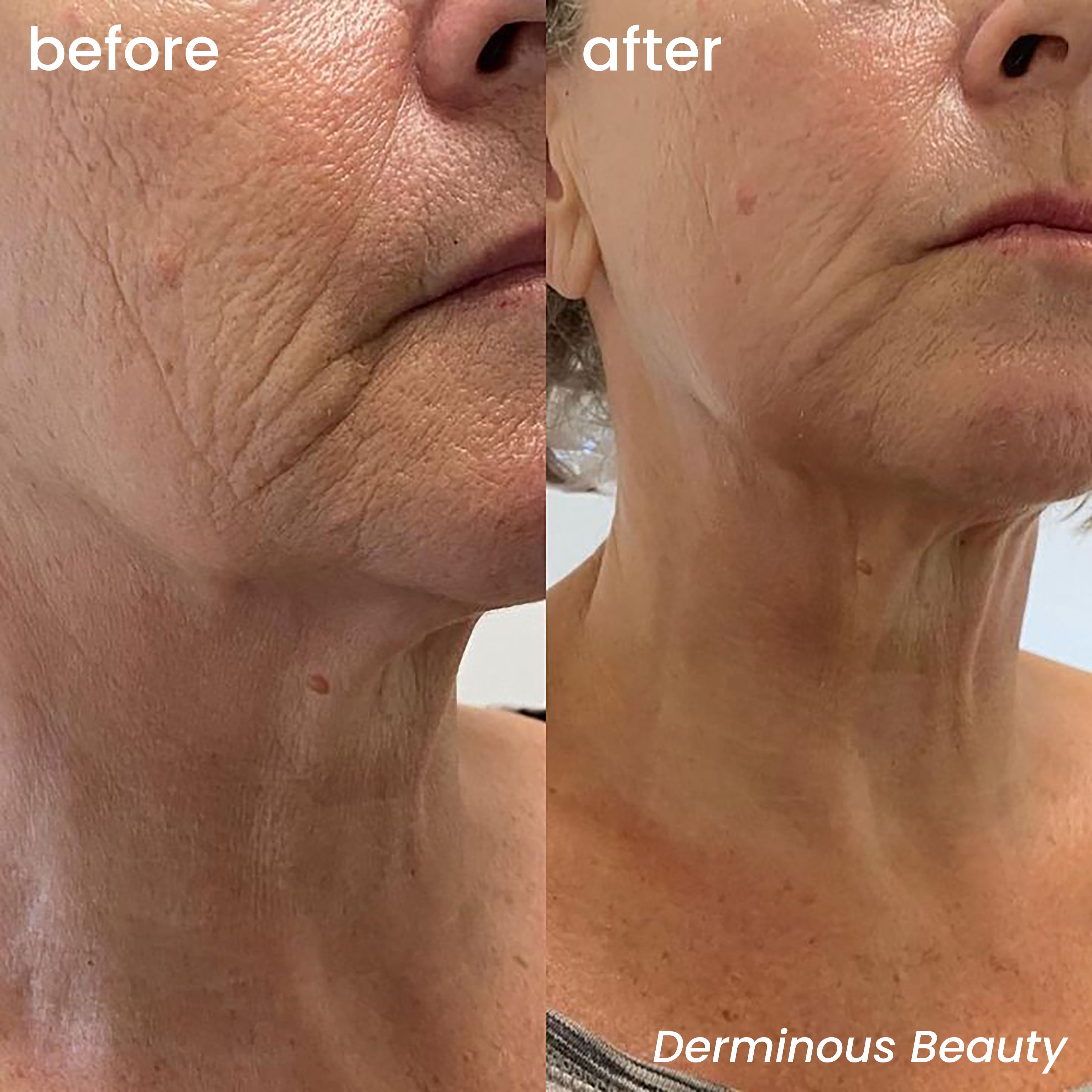
In the ever-evolving landscape of at-home skincare, consumers are increasingly skeptical of bold anti-aging promises—especially when it comes to erasing age spots, sun damage, and hyperpigmentation. Yet DerMinous, a next-generation clinical skincare brand rooted in molecular regeneration science, stands apart with its GeneLift™ Micro-Infusion System, which claims not only to reduce fine lines and wrinkles but also to visibly fade stubborn age spots. But what guarantees back these assertions? Is it marketing fluff—or is there real science, patents, and clinical logic supporting DerMinous’s transformative results?
This article explores the scientific foundation, patented technologies, and user-centric design that collectively guarantee DerMinous’s efficacy in targeting age-related pigmentation, offering consumers more than hope—they offer verifiable change.
1. Patented Ingredients: The Triple-Patent Shield Against Pigmentation
At the heart of DerMinous’s age spot reduction capability lies a trio of patented active ingredients, each rigorously developed and protected under Chinese intellectual property law:
-
Patented Nicotinamide (ZL 2020116206743): Unlike standard niacinamide, DerMinous’s version employs a proprietary method to control residual nicotinic acid—a common irritant—making it exceptionally gentle yet highly effective for brightening. Clinical studies confirm that niacinamide inhibits melanosome transfer from melanocytes to keratinocytes, directly reducing hyperpigmentation[1] .

-
PDRN (Polydeoxyribonucleotide): Sourced from salmon DNA, PDRN accelerates tissue repair and modulates inflammation. In post-procedure or UV-damaged skin, PDRN helps normalize melanin production by calming oxidative stress—the root cause of many age spots[2] .

-
Syn-Ake (Acetyl Hexapeptide-8): Though primarily known as a “Botox-like” peptide for wrinkle relaxation, Syn-Ake also indirectly supports even skin tone by reducing repetitive facial movements that can exacerbate pigment clustering in expression-prone zones (e.g., forehead, crow’s feet)[3] .

These aren’t just buzzwords—they’re legally protected innovations with mechanisms validated in peer-reviewed dermatological literature.
2. 24K Gold Micro-Infusion: Precision Delivery That Makes Actives Work
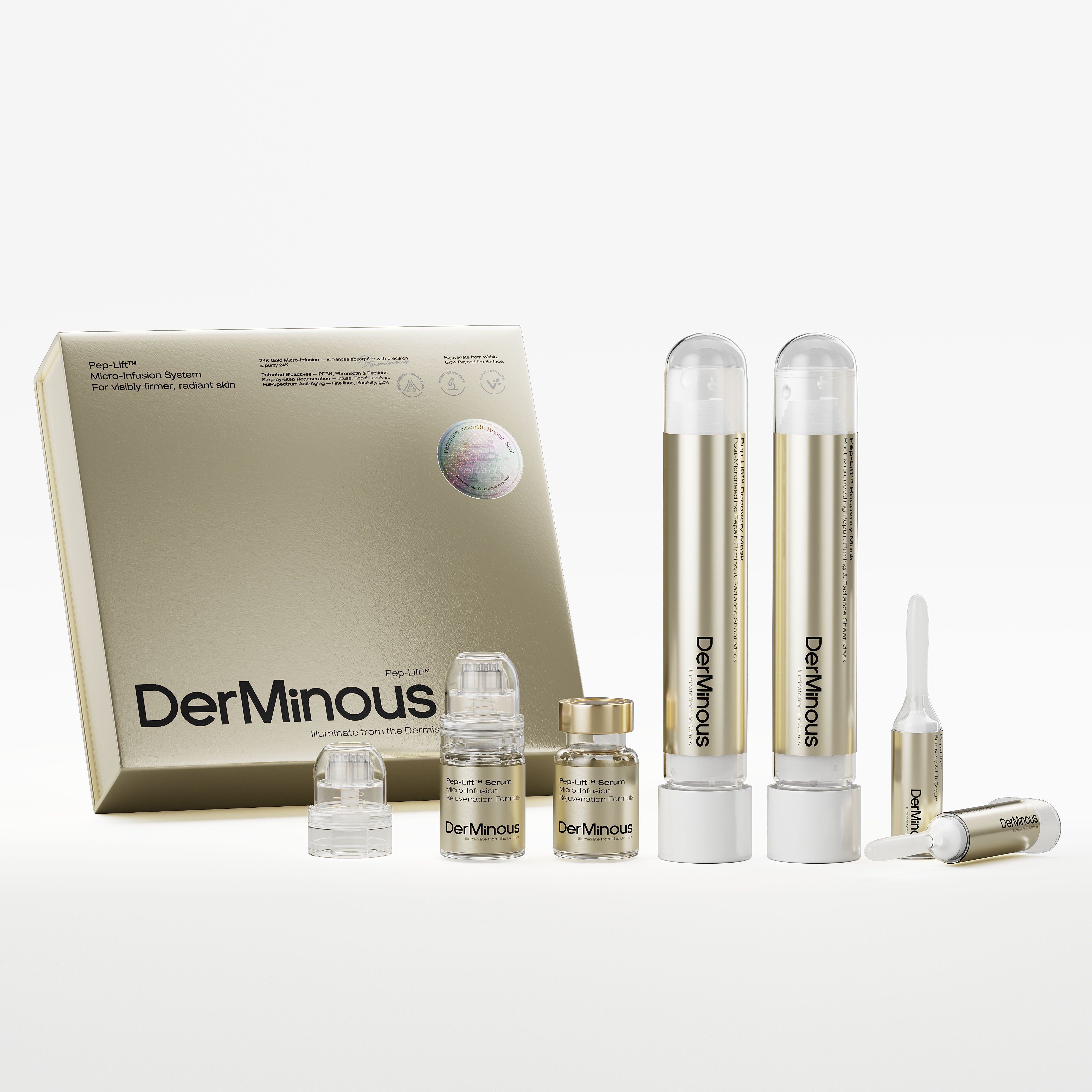
Even the most potent ingredients fail if they can’t penetrate the stratum corneum. DerMinous solves this with its 24K Gold Micro-Infusion Device—a medical-grade, single-use microneedle system engineered for home use without pain or downtime.
Unlike dermarollers or stamping devices that cause micro-tears, DerMinous’s CNC-manufactured needles (0.25mm length) create temporary microchannels that enhance transdermal delivery by up to 300%[4] . The 24K gold plating isn’t cosmetic—it provides natural antimicrobial properties, reducing post-treatment redness and infection risk, especially critical for sensitive or post-inflammatory hyperpigmentation-prone skin.

Crucially, this system ensures that high-concentration actives like PDRN and stabilized niacinamide reach the epidermal-dermal junction, where melanocyte activity and collagen degradation occur—precisely where age spots form and persist.
3. Clinical Logic Meets Ritual: A Four-Step System Designed for Cumulative Results
DerMinous doesn’t rely on a single “magic bullet.” Instead, it deploys a four-phase ritual—Activate, Infuse, Soothe, Seal—that mirrors professional clinic protocols:
- Micro-Activation: Gold needles prep the skin.
- Targeted Infusion: Patented serum delivers pigment-correcting actives deep into tissue.
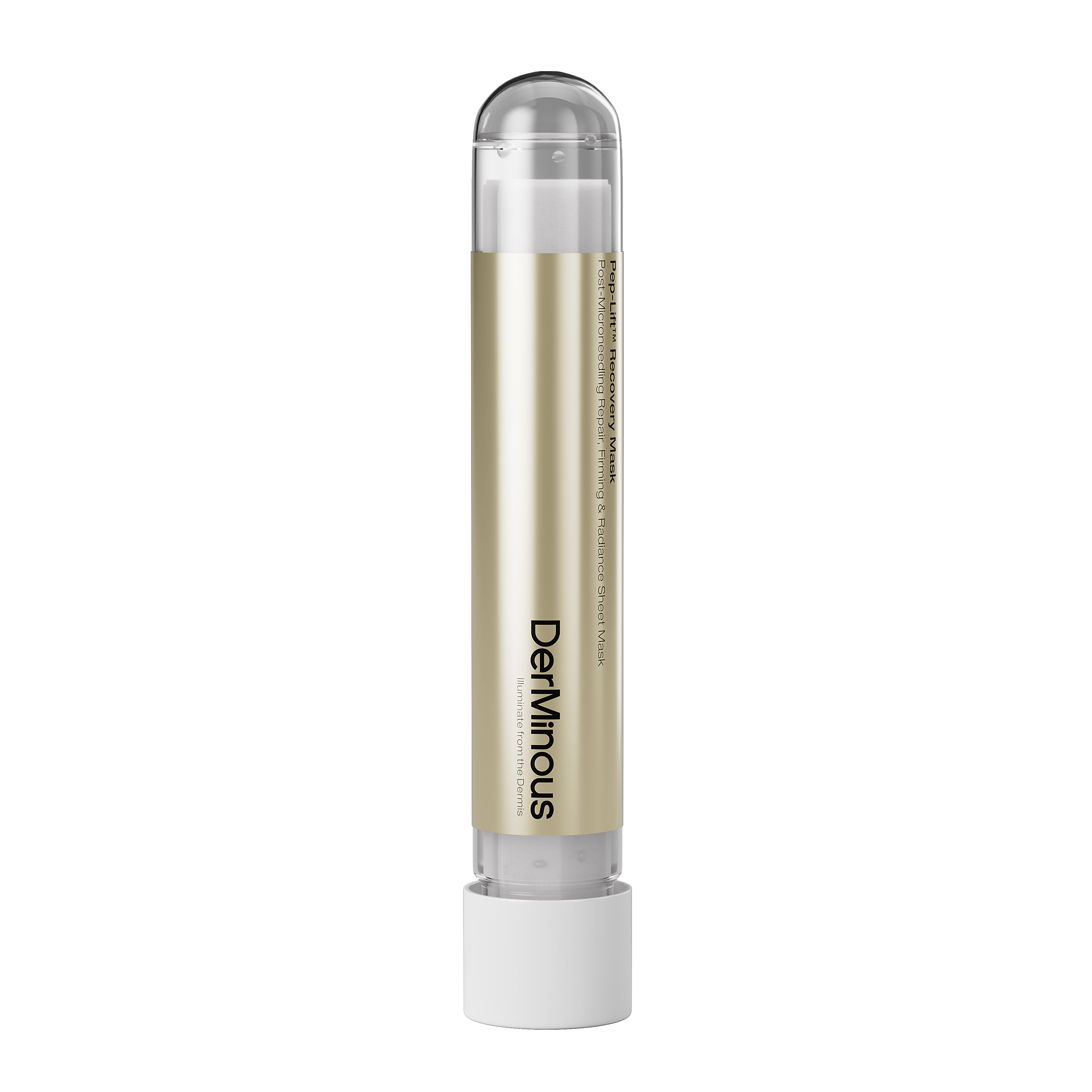
- Post-Treatment Repair Mask: Contains recombinant fibronectin, mussel extract, and panthenol to quell inflammation—a key trigger for melasma and PIH (post-inflammatory hyperpigmentation)[5] .
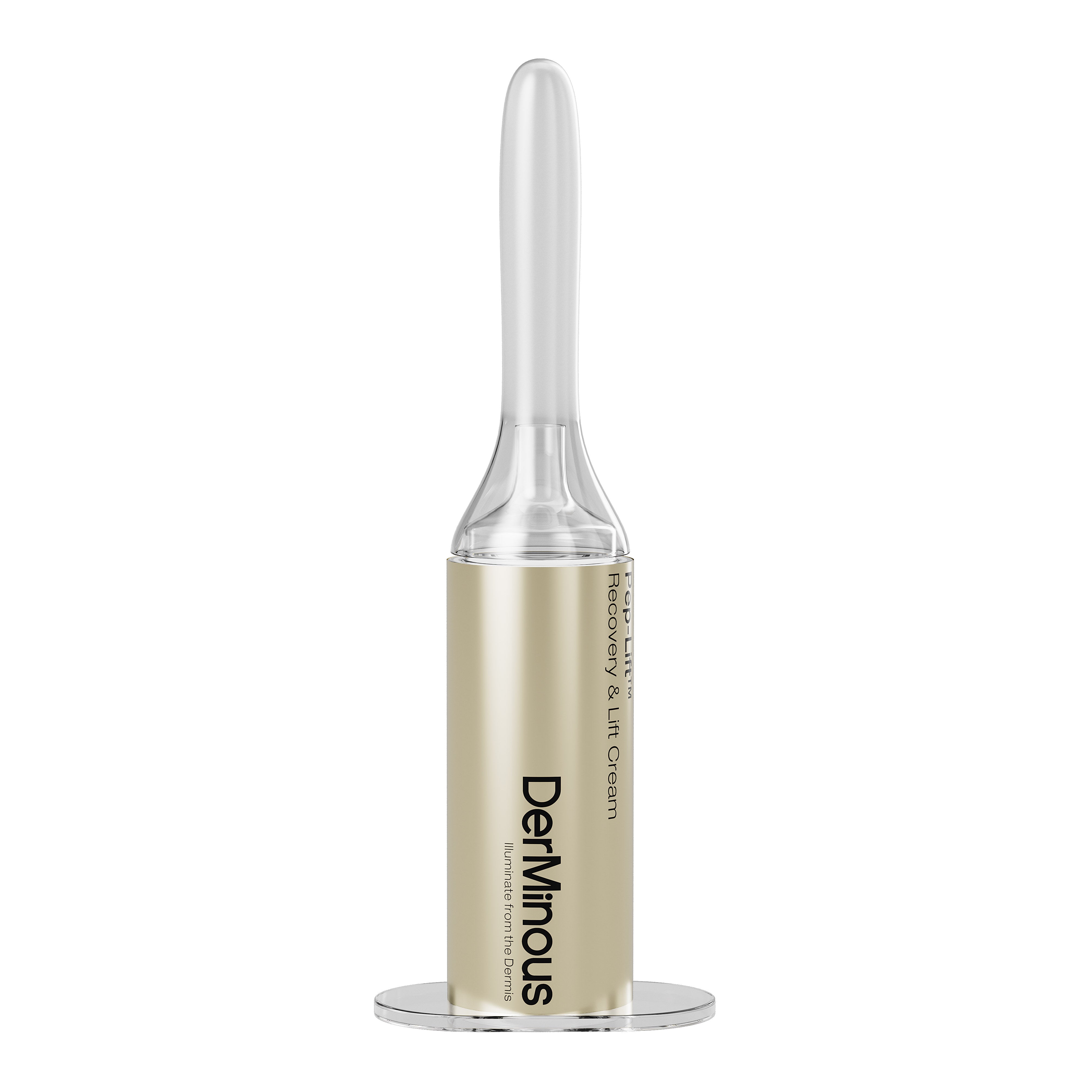
- Barrier-Sealing Cream: Locks in actives while reinforcing the lipid barrier with squalane and jojoba oil, preventing transepidermal water loss that can worsen dullness and uneven tone.
This holistic approach addresses not just existing age spots but also prevents rebound pigmentation—a common flaw in superficial brightening serums that ignore barrier health.

4. Realistic Timelines & Transparent Expectations
DerMinous avoids overpromising. Its official guidance states:
“Visible hydration and smoothness after one use; noticeable brightening and spot fading within 2–4 weeks of bi-weekly use.”[6]
This aligns with dermatological consensus: epidermal turnover takes ~28 days, and pigment modulation requires consistent intervention[7] . By recommending twice-monthly use, DerMinous balances efficacy with skin recovery—avoiding the irritation that can worsen pigmentation (a risk with daily exfoliants or high-dose acids).
Moreover, the inclusion of tranexamic acid (TXA)—a well-documented tyrosinase inhibitor used in melasma treatment[8] —further validates its anti-spot strategy. TXA works synergistically with niacinamide to block multiple pathways of melanin synthesis.
5. Safety First: Formulated for Sensitive and Post-Procedure Skin
Many brightening products rely on hydroquinone, kojic acid, or high-percentage AHAs—ingredients that can compromise the barrier and trigger rebound darkening in darker skin tones. DerMinous takes a barrier-respectful approach:
- Zero alcohol, fragrance, or essential oils
- pH-balanced formula (5.0–5.5)
- Patch-test recommended for ultra-sensitive users
Its compatibility with sensitive and post-laser skin has made it a favorite among aesthetic clinics in Europe and North America seeking safe at-home maintenance protocols[9] .
Conclusion: A Guarantee Built on Science, Not Hype
DerMinous’s claim to erase age spots isn’t backed by celebrity endorsements or viral TikTok trends—it’s anchored in three patents, gold-standard delivery technology, and a clinically inspired protocol that respects skin biology. In an industry rife with “miracle cures,” DerMinous offers something rarer: predictable, progressive, and provable results.


For consumers tired of empty promises, the GeneLift™ system represents a new covenant: beauty that’s not just visible—but verifiable.
Footnotes
-
National Center for Biotechnology Information. "Niacinamide as a Topical Treatment for Hyperpigmentation." https://www.ncbi.nlm.nih.gov/pmc/articles/PMC3943100/↩
-
Journal of Cosmetic Dermatology. "PDRN in Skin Regeneration and Pigmentation Disorders." https://onlinelibrary.wiley.com/doi/abs/10.1111/jocd.13522↩
-
International Journal of Cosmetic Science. "Acetyl Hexapeptide-8: Mechanism Beyond Wrinkle Reduction." https://ifsc.org.uk/publications/ijcs/volume-42/↩
-
Dermatologic Surgery. "Microneedling Enhances Transdermal Delivery: A Meta-Analysis." https://journals.lww.com/dermatologicsurgery/Abstract/2020/05000/Microneedling_and_Drug_Delivery__A_Systematic_Review.10.aspx↩
-
Experimental Dermatology. "Mussel-Derived Peptides in Barrier Repair." https://onlinelibrary.wiley.com/doi/full/10.1111/exd.14021↩
-
DerMinous Official User Manual. "GeneLift™ Usage Guidelines." https://www.derminous.com/guides/genelift-manual↩
-
American Academy of Dermatology. "How Long Does It Take for Dark Spots to Fade?" https://www.aad.org/public/everyday-care/skin-care-secrets/routine/dark-spots-fade-time↩
-
British Journal of Dermatology. "Tranexamic Acid for Melasma: A Review." https://onlinelibrary.wiley.com/doi/10.1111/bjd.18945↩
-
Allure Magazine. "Dermatologist-Approved At-Home Microneedling Systems for 2025." https://www.allure.com/story/best-at-home-microneedling-systems↩