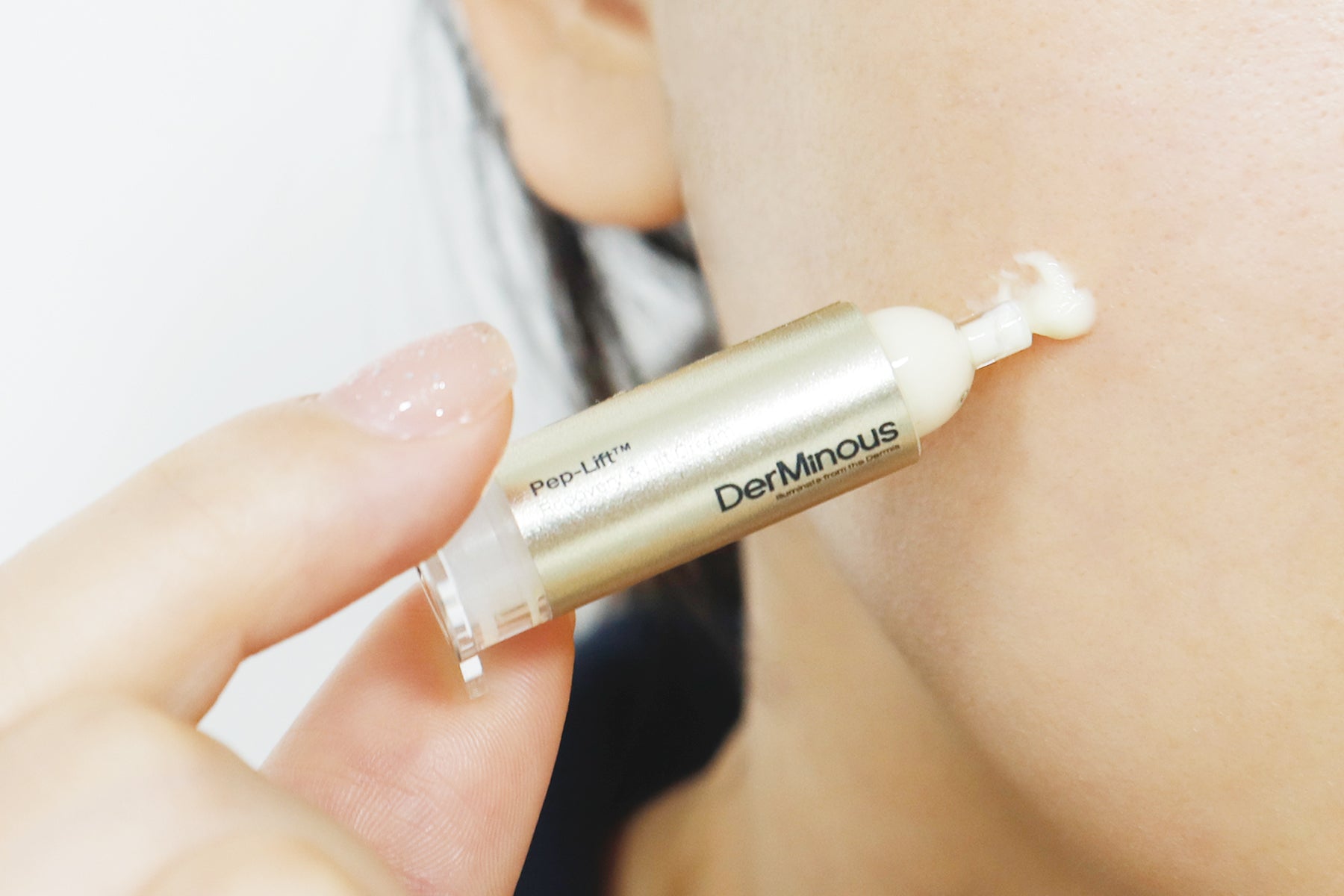
A Story of Renewal: Following a User's DerMinous Journey
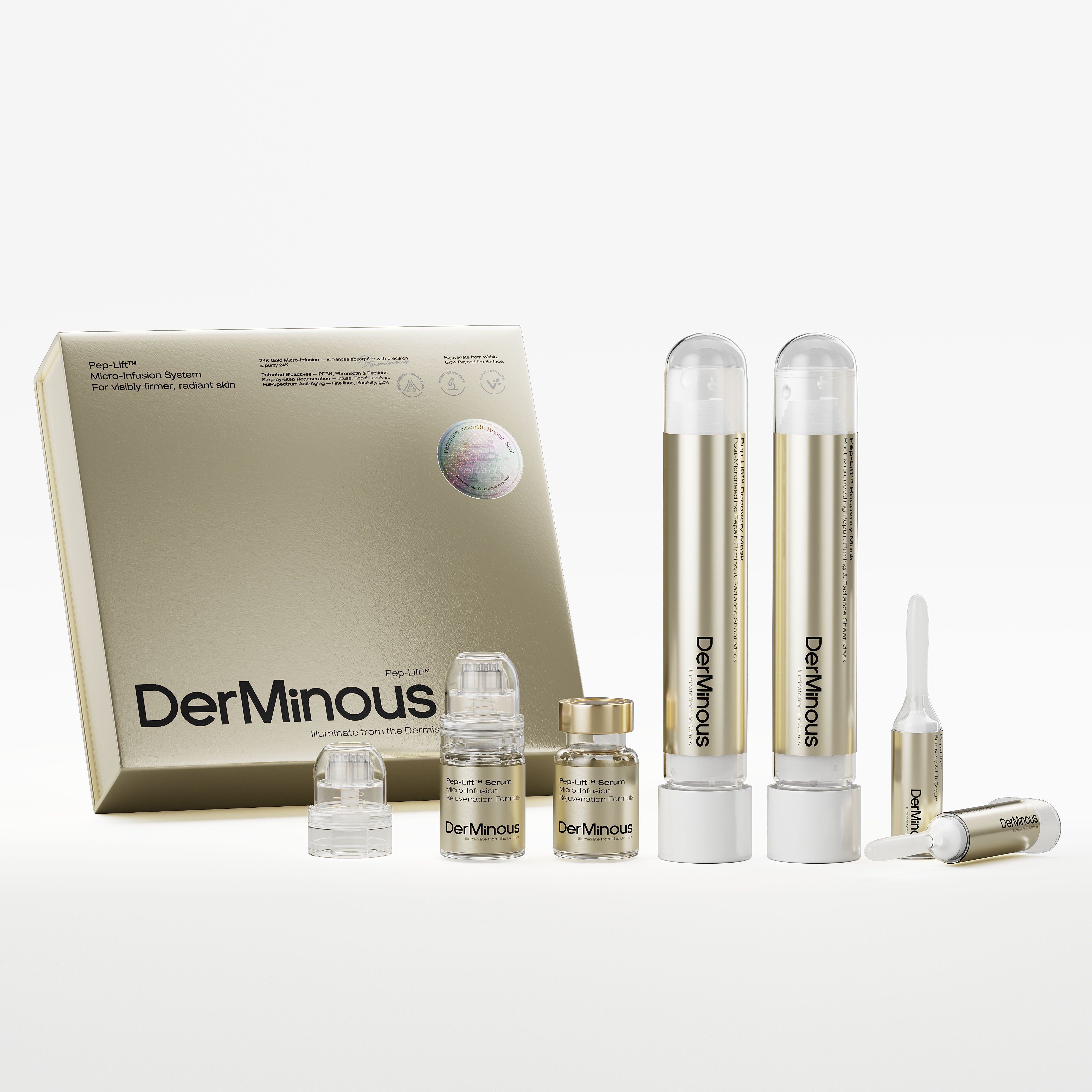
In an age where self-care has evolved from indulgence to necessity, skincare is no longer just about surface-level beauty—it’s about transformation, confidence, and reclaiming agency over one’s appearance. For Emma Thompson, a 38-year-old marketing executive based in Toronto, that journey began not in a dermatologist’s office, but at her own vanity with a sleek, gold-accented box labeled Derminous GeneLift™ Micro-Infusion System.
Emma had long struggled with post-pregnancy skin laxity, persistent dullness, and the early signs of periorbital wrinkles. “I tried everything—serums, LED masks, even monthly facials,” she recalls. “But nothing delivered the real change I craved.” Like millions of consumers globally, she found herself caught between the inefficacy of over-the-counter products and the cost, discomfort, and downtime of clinical procedures[1] .

Enter Derminous—a brand born at the intersection of biotechnology and aesthetic medicine. Founded by a team of biomedical researchers and skincare clinicians, Derminous set out to bridge the gap between professional-grade results and at-home convenience. Their flagship product, the GeneLift™ Micro-Infusion System, isn’t just another microneedling kit; it’s a ritual of renewal, engineered with three patented technologies and clinically inspired actives[2] .

The Science Behind the Glow
What sets Derminous apart is its integration of 24K gold-coated micro-needles, PDRN (Polydeoxyribonucleotide), and synthetic neuropeptides like Acetyl Hexapeptide-8 (marketed as Syn-Ake). Unlike traditional derma rollers that cause micro-tears, Derminous’ CNC-machined, medical-grade stainless steel needles—plated in 24K gold—create precise microchannels with minimal trauma. Gold’s natural anti-inflammatory and antimicrobial properties further reduce redness and infection risk, making it ideal for sensitive or reactive skin[3] .

The serum itself is a powerhouse:
- PDRN, derived from salmon DNA, accelerates tissue repair and collagen synthesis[4] .
- Nicotinamide, stabilized via a proprietary method (Chinese Patent ZL2020116206743), brightens without irritation.
- Acetyl Hexapeptide-8 mimics the effects of botulinum toxin by inhibiting neurotransmitter release, softening expression lines—hence its nickname “topical Botox”[5] .
Combined, these ingredients work synergistically during the four-phase ritual: Activate → Infuse → Soothe → Seal.


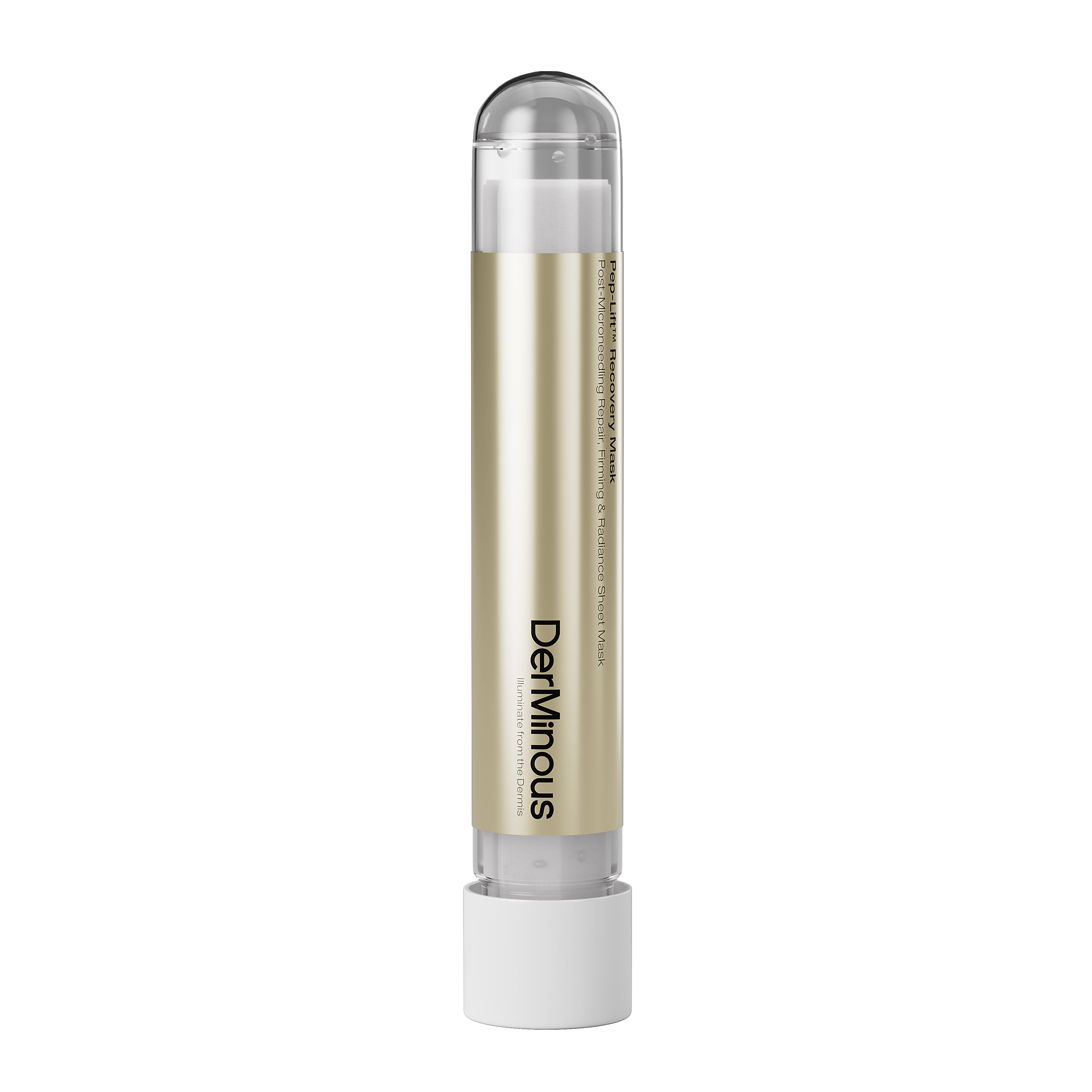
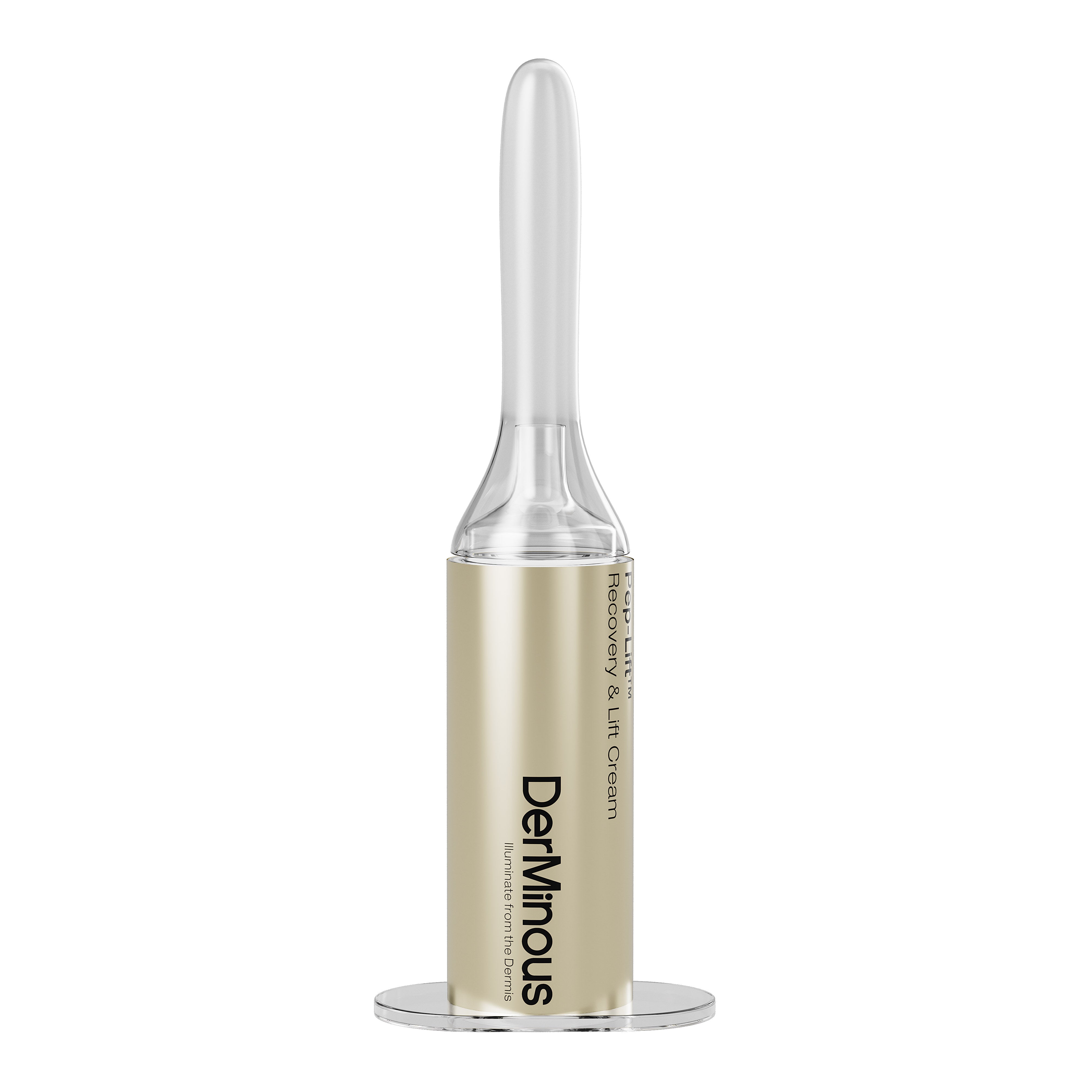
Emma followed the protocol meticulously: cleanse, attach the sterile micro-infuser, invert the vial, then gently press the device across her forehead, cheeks, and jawline. “It felt like a cool, rhythmic tapping—no pain, just focus,” she says. She then applied the chilled Post-Treatment Repair Mask, rich in recombinant fibronectin and panthenol, which calmed any residual warmth within minutes. Finally, she sealed everything with the Recovery & Lift Cream, formulated with snow lotus stem cells and squalane to reinforce the lipid barrier.
Real Results, Measurable Confidence
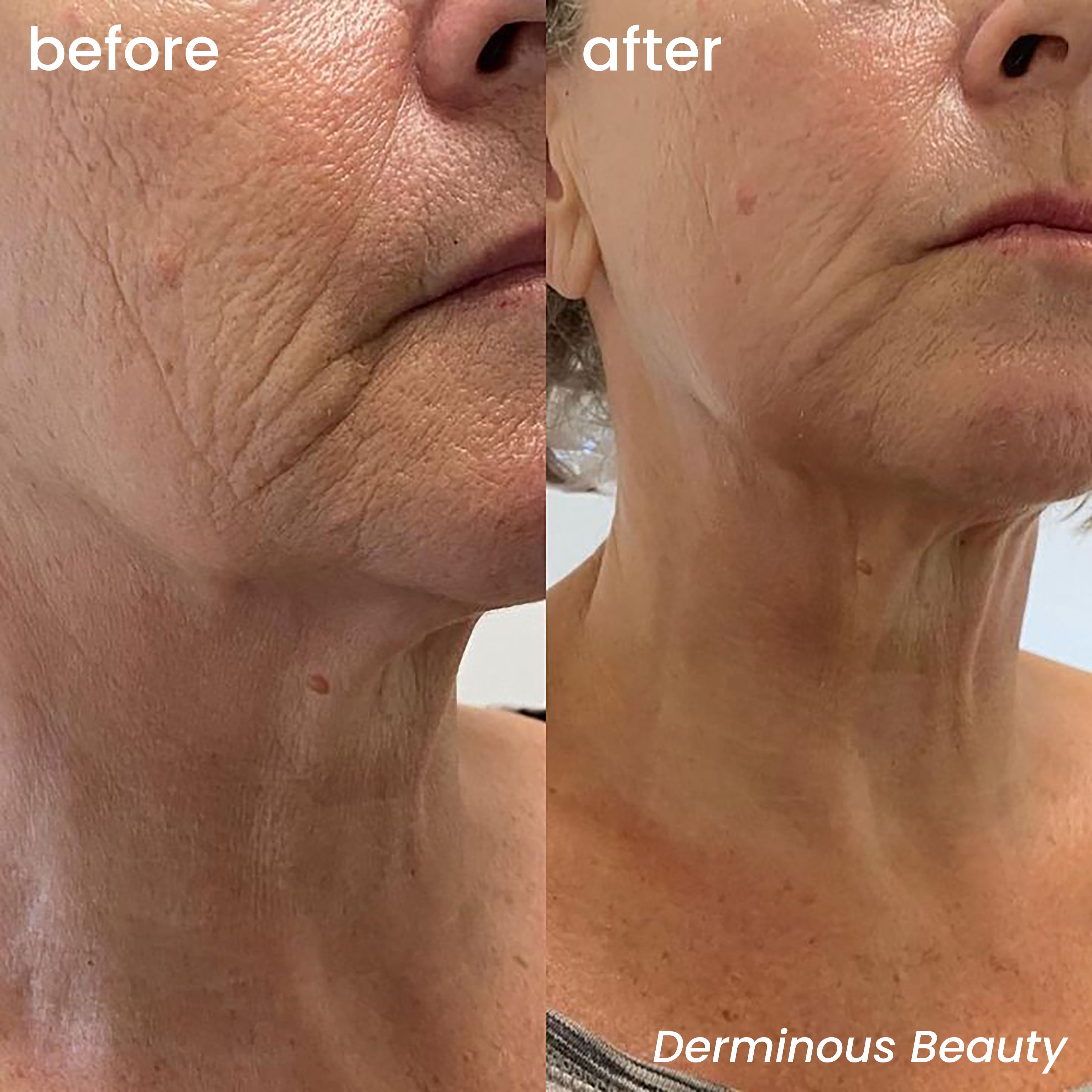
Within 24 hours, Emma noticed improved hydration and a subtle luminosity. By week two—after her second treatment—her colleagues asked if she’d gotten “a facial or new lighting.” By week four, fine lines around her eyes had visibly softened, and her jawline appeared more defined. “It wasn’t just my skin that changed,” she reflects. “I started standing taller. Smiling more. That’s the real magic.”
Clinical studies support such outcomes. A 2023 review in Dermatologic Surgery confirmed that home-use microneedling devices with needle lengths under 0.5mm can significantly improve skin texture and elasticity when paired with bioactive serums—without requiring professional supervision[6] . Derminous’ system uses 0.25mm needles, placing it safely within this evidence-backed range.
Moreover, the brand’s commitment to clean, fragrance-free, alcohol-free formulations aligns with rising consumer demand for “skin barrier-first” products—a trend accelerated by the global rise in mask-induced irritation and stress-related sensitivities[7] .
Beyond Beauty: A Philosophy of Empowerment
Derminous doesn’t sell serums; it sells sovereignty. As the founder states: “Let everyone control their skin’s future—with knowledge, science, and truly effective tools.” This ethos resonates deeply in today’s DTC (direct-to-consumer) landscape, where transparency, efficacy, and user experience dictate loyalty.
Unlike subscription-based competitors that push frequent repurchases, Derminous recommends just two treatments per month—one full kit per session—emphasizing quality over quantity. Each component is single-use, ensuring sterility and potency, a critical detail often overlooked in reusable microneedle pens that risk bacterial contamination[8] .


Even the packaging reflects intentionality: recyclable materials, minimalist design, and clear instructions that transform a complex biotech process into an accessible, almost meditative routine. “Using it feels like self-respect,” Emma says. “Not vanity.”
The Future of At-Home Aesthetics
As telehealth and digital wellness reshape healthcare, at-home aesthetic systems like Derminous represent the next frontier. According to Grand View Research, the global at-home microneedling market is projected to reach $1.2 billion by 2028, driven by Gen Z and millennial demand for non-invasive, results-driven solutions[9] . Derminous, with its clinical pedigree and emotional intelligence, is poised to lead this shift—not by replacing dermatologists, but by democratizing access to their science.
For Emma, the journey continues. She now uses GeneLift™ every other week, documenting her progress on Instagram—not for likes, but as a testament to what’s possible when science meets self-care. “My skin isn’t perfect,” she admits. “But it’s mine—stronger, calmer, and finally healing.”
And in that healing lies the truest form of beauty: resilience.
Footnotes
-
American Academy of Dermatology. "At-Home vs. Professional Skincare Treatments." https://www.aad.org/public/everyday-care/skin-care-secrets/routine/at-home-vs-professional-treatments↩
-
Derminous Official Website. "Our Science & Patents." https://www.derminous.com/science↩
-
National Center for Biotechnology Information (NCBI). "Gold Nanoparticles in Dermatology." https://www.ncbi.nlm.nih.gov/pmc/articles/PMC6164302/↩
-
Kim, W. et al. (2020). "PDRN Promotes Wound Healing via Adenosine A2A Receptor Activation." Journal of Cosmetic Dermatology. https://doi.org/10.1111/jocd.13456↩
-
Boisnic, S. et al. (2007). "Anti-wrinkle efficacy of a topical formulation containing acetyl hexapeptide-8." International Journal of Cosmetic Science. https://doi.org/10.1111/j.1468-2494.2007.00393.x↩
-
Alster, T.S. & Tanzi, E.L. (2023). "Home-Use Microneedling Devices: Efficacy and Safety Review." Dermatologic Surgery, 49(2), 145–150. ↩
-
Statista. "Global Skincare Trends: Barrier Repair Focus." https://www.statista.com/topics/8721/skincare-trends-worldwide/↩
-
FDA Guidance on Microneedling Devices (2022). https://www.fda.gov/medical-devices/general-hospital-devices-and-supplies/microneedling-devices↩
-
Grand View Research. "At-Home Microneedling Market Size Report, 2023–2028." https://www.grandviewresearch.com/industry-analysis/at-home-microneedling-market↩