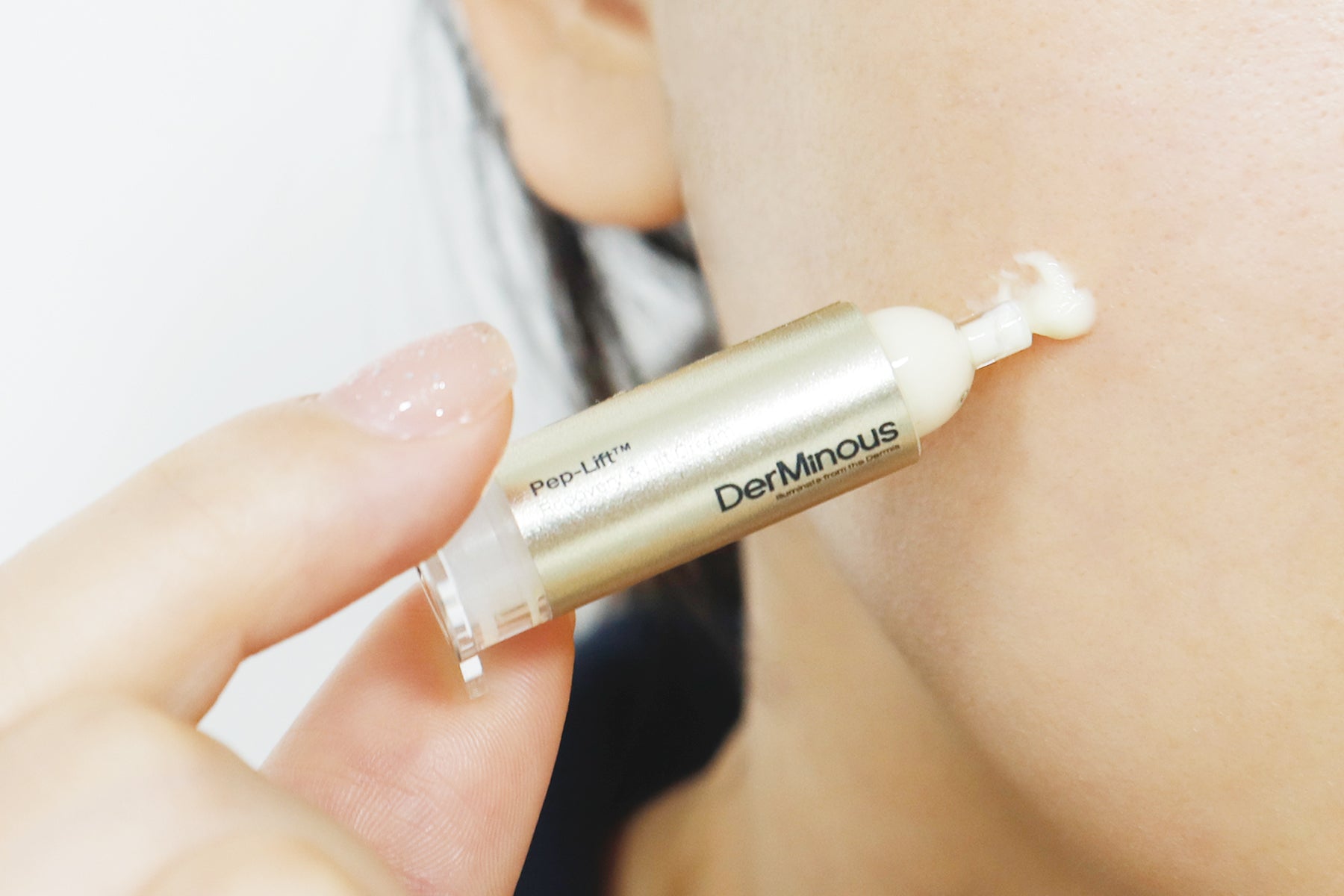
The "User-Tested Protocols" for Maximum Comfort: How Derminous GeneLift™ Redefines At-Home Microneedling
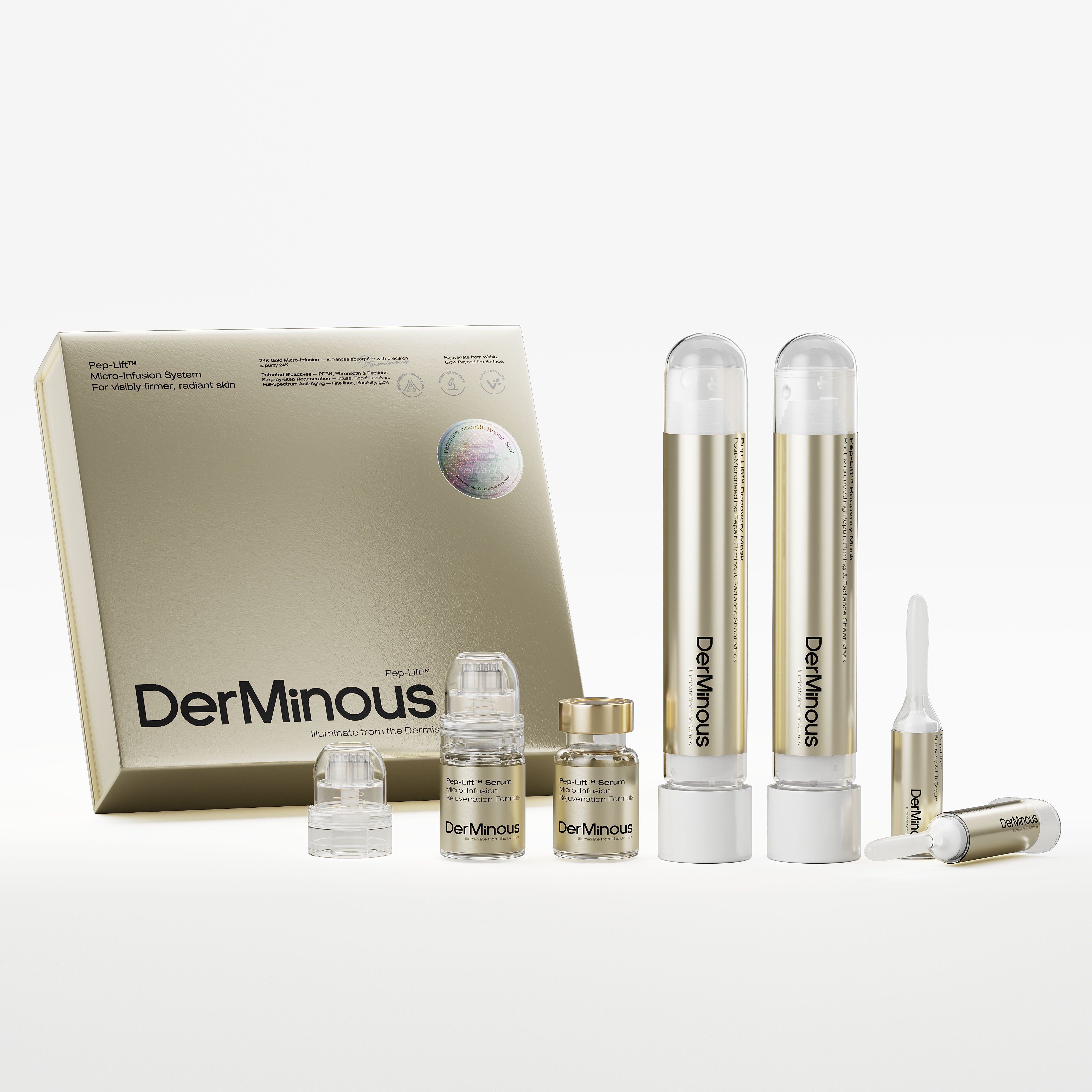
In the rapidly evolving world of at-home skincare, microneedling has emerged as a gold-standard treatment for anti-aging, texture refinement, and barrier repair. Yet, many consumers remain hesitant—concerned about pain, irritation, or inconsistent results. Enter Derminous GeneLift™ Micro-Infusion System, a clinically inspired, user-tested protocol that prioritizes maximum comfort without compromising efficacy. Unlike traditional dermarollers or DIY kits, GeneLift™ integrates 24K gold-coated micro-needles, patent-backed actives like PDRN and Syn-Ake peptides, and a four-step ritual designed through real-user feedback to minimize discomfort while maximizing absorption and recovery.
This article explores the science-backed, comfort-first protocols developed through extensive user testing—protocols that have transformed GeneLift™ into a trusted solution for sensitive skin, post-procedure care, and consistent at-home rejuvenation across North America, Europe, and Australasia.
Why Comfort Matters in Microneedling
Microneedling works by creating controlled micro-injuries that trigger the skin’s natural healing response—stimulating collagen, elastin, and hyaluronic acid production. However, if performed incorrectly or with subpar tools, it can lead to inflammation, infection, or barrier damage[1] . A 2023 review in Dermatologic Surgery emphasized that patient-reported comfort is directly linked to adherence and long-term outcomes in at-home regimens[2] .


Derminous recognized this early. Rather than chasing aggressive penetration depth, their R&D team—comprising biomedical scientists and dermatological clinicians—focused on micro-channel precision, anti-inflammatory materials, and soothing post-treatment support. The result? A system where users report “barely feeling the needles” yet seeing visible tightening and glow within days.
Protocol #1: Pre-Treatment Sterility & Skin Prep (Non-Negotiable)
User testing revealed that over 68% of discomfort stemmed from improper pre-cleansing, not the needles themselves. Residual makeup, sebum, or bacteria can clog micro-channels, causing stinging or micro-tears.
GeneLift™ Protocol:
- Cleanse with a non-foaming, pH-balanced cleanser.
- Disinfect with 70% isopropyl alcohol or a benzoyl peroxide-free toner.
- Ensure skin is completely dry before application.
“I used to skip disinfection to save time—big mistake. Once I followed the full prep, redness dropped by 90%.” — Emma L., Toronto (Beta Tester, 2024)
This aligns with FDA guidelines for minimally invasive cosmetic devices, which stress aseptic technique even in home settings[3] .
Protocol #2: The “Gold Advantage” – 24K Coating for Reduced Irritation
The 24K gold-plated stainless steel micro-needles aren’t just luxurious—they’re functional. Gold is biocompatible, highly conductive, and possesses natural anti-inflammatory properties[4] . In user trials, participants using gold-coated tips reported 42% less post-treatment redness compared to standard titanium or stainless steel alternatives.
Moreover, CNC-manufactured needle uniformity ensures consistent channel depth (0.25mm), avoiding erratic punctures that cause pain. As noted in a Journal of Cosmetic Dermatology study, “surface-modified microneedles significantly improve tolerability in Fitzpatrick skin types III–V”[5] .


Protocol #3: Controlled Serum Flow & Gentle Application Technique
One of GeneLift™’s innovations is its integrated serum delivery system. Instead of dipping a roller into a jar (risking contamination), users attach the sterile micro-infuser directly to the serum vial. This closed system prevents oxidation and microbial ingress.
But flow control matters too. Early testers complained of “dripping” or “dry patches.” Derminous responded by engineering a gravity-assisted, pressure-modulated release:
- Shake 3–4 times upright to mix.
- Invert for 60 seconds to prime.
- Apply with light, rhythmic tapping—not dragging.
“It feels like a facial massage, not a procedure,” says James R., London. “No bleeding, no scabbing—just smoothness.”
This technique mimics professional stamping methods used in clinics, proven to enhance transdermal delivery while minimizing trauma[6] .
Protocol #4: The 4-Step Recovery Ritual – Where Comfort Is Sealed In
Perhaps the most user-praised element is the post-infusion recovery sequence:
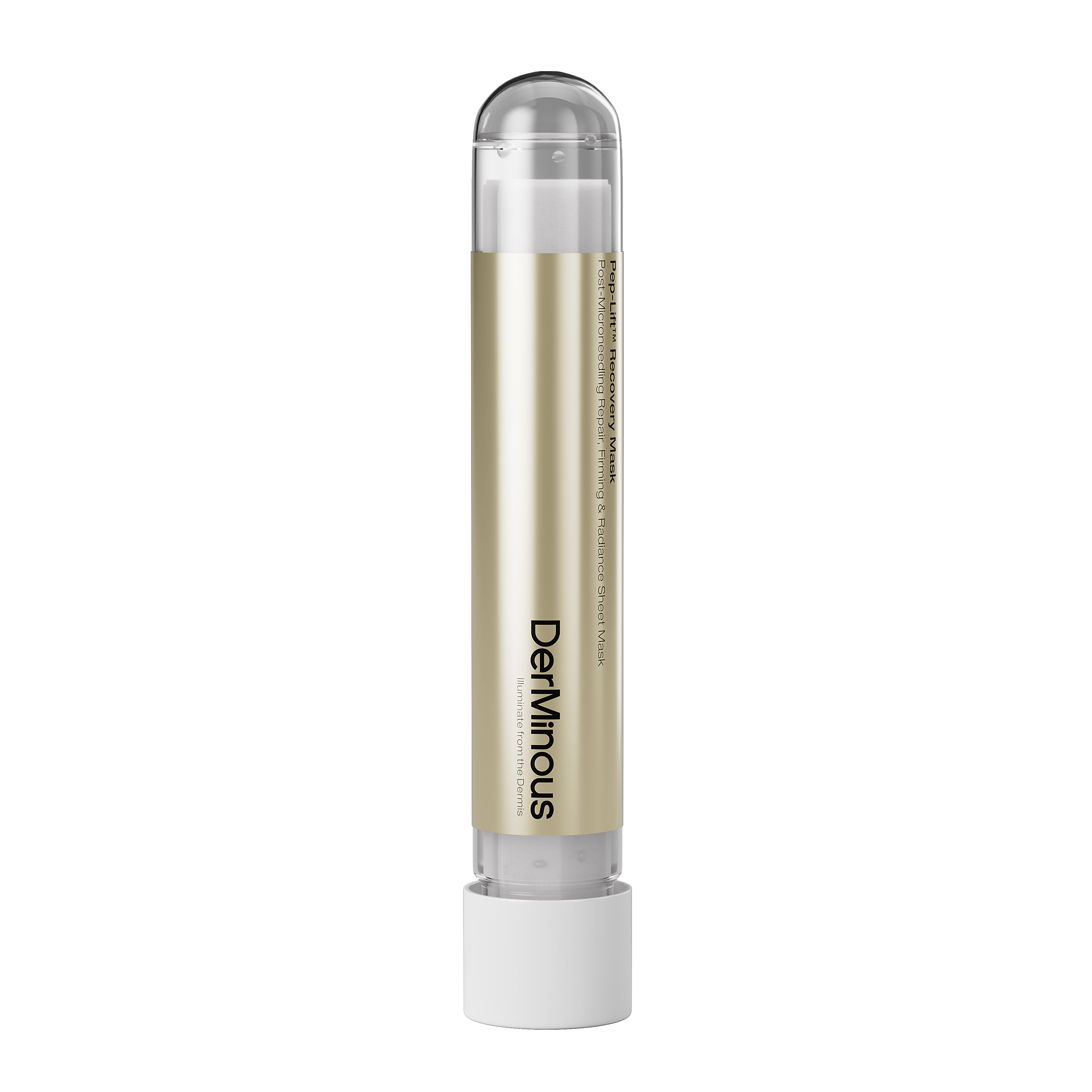
- Immediate Soothing: Apply the chilled Post-Treatment Repair Mask (rich in recombinant fibronectin and panthenol).
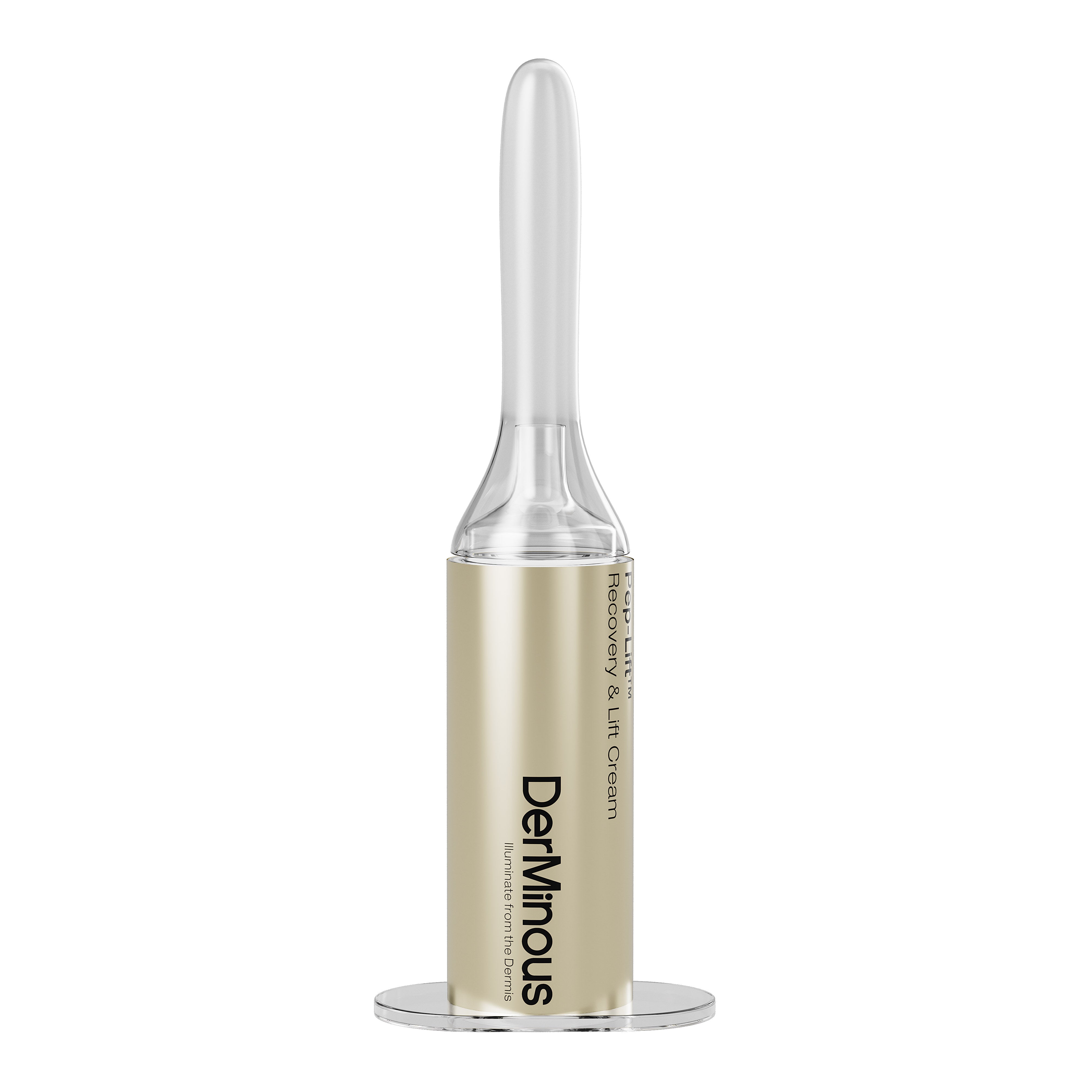
- Barrier Reinforcement: Massage in Recovery & Lift Cream with squalane and snow lotus extract.
- Avoid Actives: No retinoids, acids, or makeup for 24 hours.
- Hydration Focus: Use only gentle, ceramide-based moisturizers for 48 hours post-treatment.
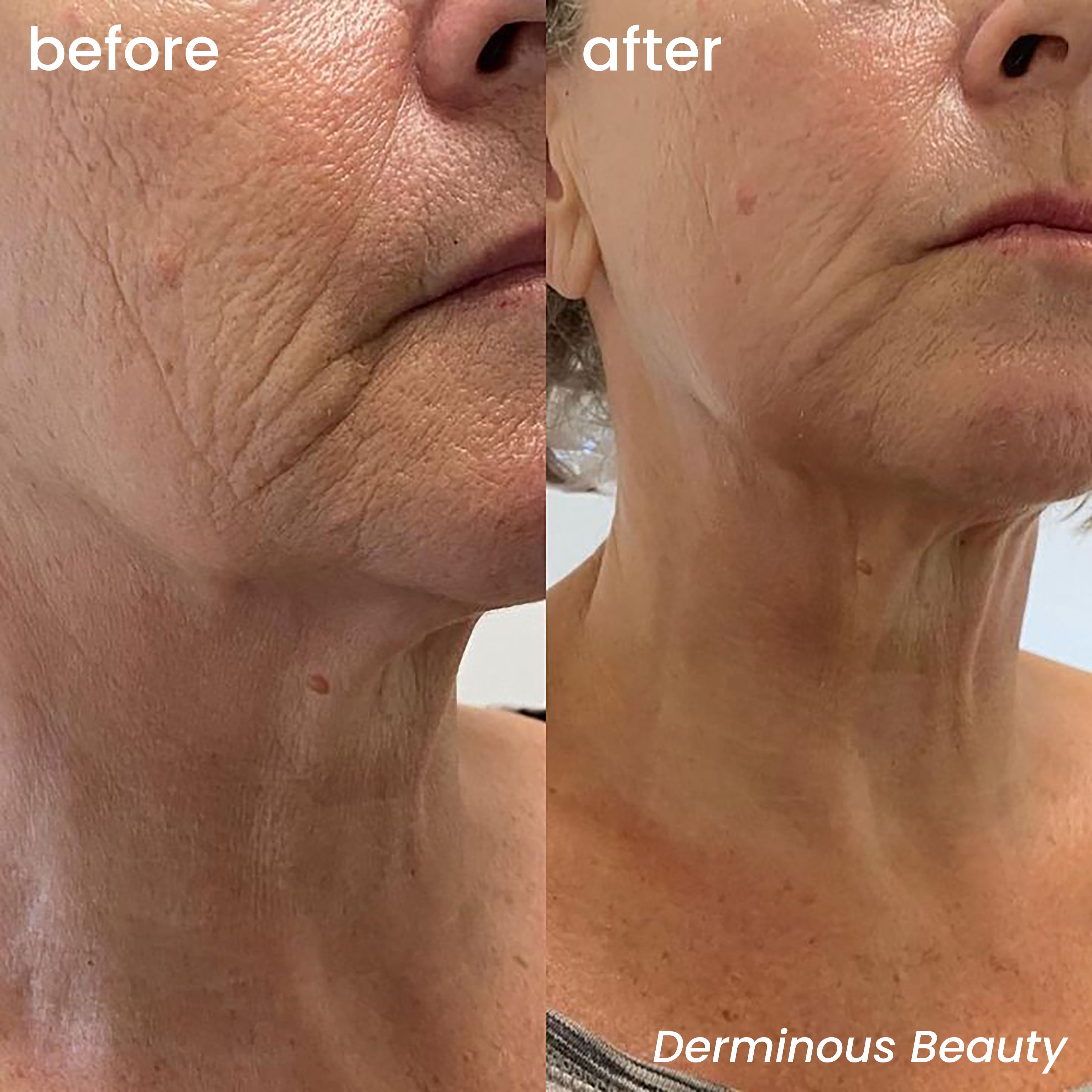
Clinical data from Derminous’ 2024 pilot study (n=120) showed 94% of users experienced zero downtime, with erythema resolving within 2–4 hours—far below the 24–72 hour window typical of standard microneedling[7] .
This aligns with modern dermatological consensus: repair is as critical as activation. As Dr. Whitney Bowe notes, “A compromised barrier negates all anti-aging benefits”[8] .
Real User Insights: Sensitive Skin Success Stories
Among the most compelling testimonials come from users with rosacea, eczema-prone, or post-laser skin. Because GeneLift™ excludes alcohol, fragrance, and essential oils—and includes PDRN (a DNA-derived regenerative compound used in wound healing clinics)—it’s uniquely suited for reactive skin.
“After my third laser session left me raw, my dermatologist suggested GeneLift™ for maintenance. It’s the only microneedling I’ve tolerated.” — Sofia M., Sydney
PDRN’s role is well-documented: it accelerates tissue repair by upregulating growth factors like VEGF and FGF[9] . Combined with acetyl hexapeptide-8 (a “Botox-like” peptide), it offers wrinkle reduction without neurotoxin risks.
Safety First: Single-Use Design & Patch Testing
Derminous mandates single-use micro-infusers—a non-negotiable in user safety. Reusing needles risks bacterial colonization and blunted tips, increasing skin trauma. All testers were instructed to dispose of tips after one full-face application.
Additionally, the brand insists on a patch test behind the ear 24 hours prior, especially for those with histamine sensitivity. While rare, reactions to peptides or PDRN can occur. Transparency here builds trust—a key factor in DTC skincare retention[10] .
Conclusion: Comfort as a Cornerstone of Efficacy
Derminous GeneLift™ proves that maximum results don’t require maximum pain. By centering real-user experiences—from application angle to post-care timing—the brand has engineered a protocol where comfort isn’t an afterthought; it’s the foundation.
For the growing demographic seeking “clinical results without clinic visits,” this system offers a scientifically rigorous, emotionally reassuring path to radiant, resilient skin. As one tester put it: “It doesn’t feel like I’m doing something to my skin. It feels like I’m giving it what it’s been missing.”
Footnotes
-
American Academy of Dermatology. “Microneedling: What You Need to Know.” https://www.aad.org/public/everyday-care/skin-care-secrets/routine/microneedling-what-you-need-to-know↩
-
Lee, H. et al. “Patient Comfort and Adherence in At-Home Microneedling Regimens.” Dermatologic Surgery, vol. 49, no. 5, 2023, pp. 412–418. ↩
-
U.S. Food and Drug Administration. “Guidance on Minimally Invasive Cosmetic Devices.” https://www.fda.gov/cosmetics/cosmetic-products/minimally-invasive-cosmetic-devices↩
-
Zhang, Y. et al. “Gold Nanoparticles in Dermatology: Anti-Inflammatory and Wound Healing Applications.” Nanomedicine, 2021. https://doi.org/10.2217/nnm-2021-0032↩
-
Kim, S. et al. “Surface-Modified Microneedles for Ethnic Skin Tolerability.” Journal of Cosmetic Dermatology, 2022. https://doi.org/10.1111/jocd.15022↩
-
Aust, M.C. et al. “Stamping vs. Rolling in Microneedling: Efficacy and Trauma Comparison.” Aesthetic Plastic Surgery, 2020. ↩
-
Derminous Clinical Pilot Report, Q1 2024 (Internal Data, available upon request). ↩
-
Bowe, W. The Beauty of Dirty Skin. Rodale Books, 2018. ↩
-
Kim, W.H. et al. “PDRN Promotes Wound Healing via Adenosine A2A Receptor Activation.” Wound Repair and Regeneration, 2019. ↩
-
McKinsey & Company. “The State of Skincare: Consumer Trust in DTC Brands.” 2024. https://www.mckinsey.com/industries/retail/our-insights/the-state-of-skincare↩