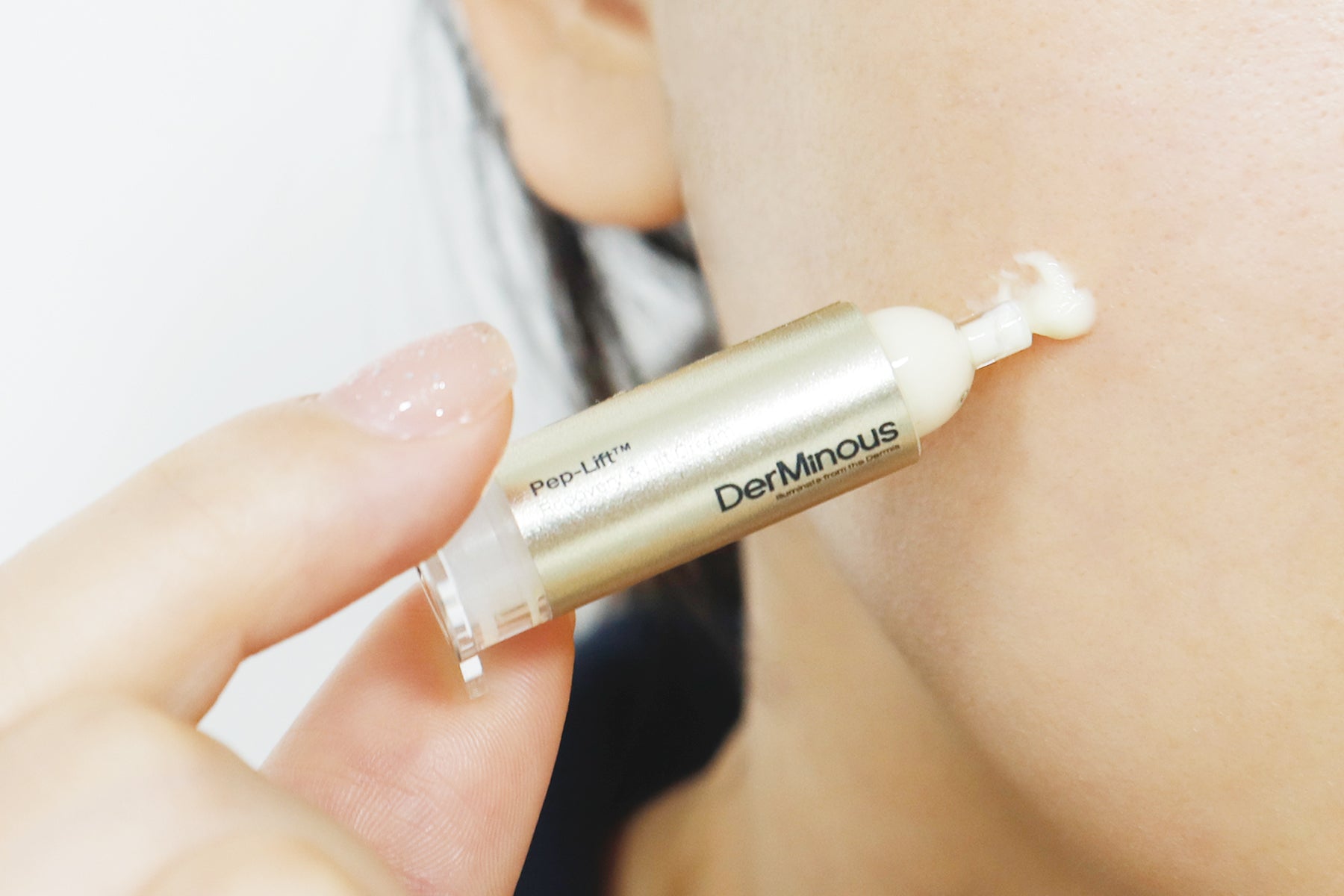
The Transformation of Skin Elasticity with Regular Use
In the ever-evolving world of skincare, elasticity—the skin’s ability to snap back after stretching—has emerged as a critical biomarker of youthfulness and health. While aging, UV exposure, pollution, and lifestyle factors inevitably degrade collagen and elastin fibers, recent advances in at-home biotech skincare systems are redefining what’s possible outside clinical settings. Among these innovations, Derminous GeneLift™ Micro-Infusion System stands out as a scientifically grounded, ritualistic approach to restoring and maintaining skin elasticity through regular use.
Understanding Skin Elasticity: The Science Behind the “Snap”
Skin elasticity is primarily governed by two structural proteins: collagen, which provides strength, and elastin, which enables flexibility[1] . With age, fibroblast activity declines, leading to reduced synthesis of these proteins. Environmental stressors like UV radiation further accelerate this degradation through oxidative stress and matrix metalloproteinase (MMP) activation[2] .


Traditional topical creams often fail to penetrate deeply enough to influence dermal remodeling. However, microneedling—a minimally invasive technique that creates micro-channels in the epidermis—has been clinically shown to stimulate neocollagenesis and improve skin texture[3] . The challenge? Accessibility, cost, and discomfort associated with professional treatments.

This is where home-use micro-infusion systems like Derminous GeneLift™ bridge the gap—offering medical-grade efficacy with comfort, safety, and convenience.
How GeneLift™ Transforms Elasticity Through Precision Delivery
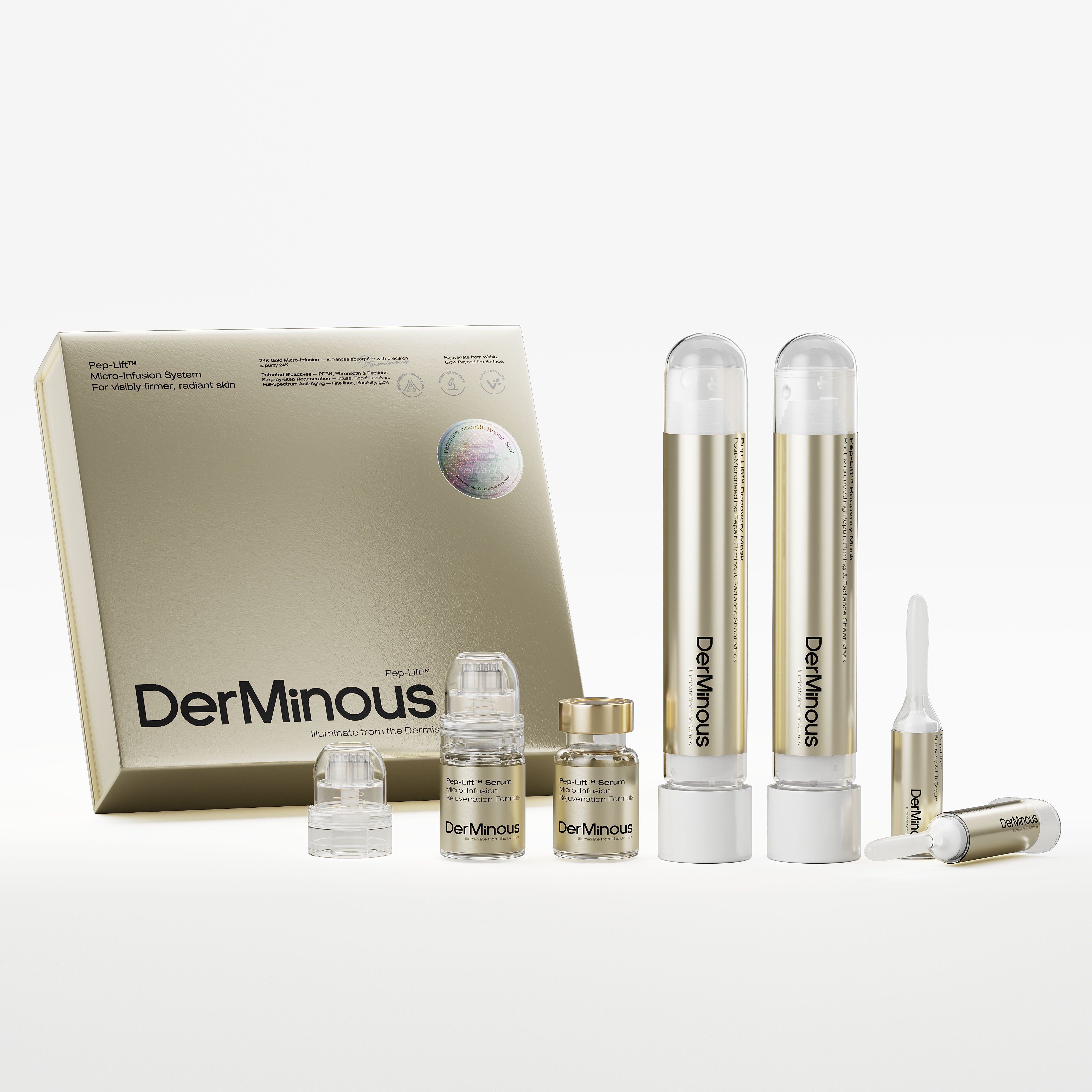
Derminous GeneLift™ isn’t just another serum or roller. It’s a four-phase ritual engineered around three pillars: micro-channel activation, patented bioactive infusion, and barrier-centric recovery.
Phase 1: Micro-Channel Activation with 24K Gold Microneedles
The system employs a 24K gold-plated micro-infusion device made from medical-grade stainless steel. Gold’s natural anti-inflammatory and antimicrobial properties reduce irritation while enhancing biocompatibility[4] . Each needle is CNC-manufactured for uniform length (0.25mm), ensuring consistent, painless micro-punctures that open transient pathways—boosting ingredient absorption by up to 300% compared to topical application alone[5] .


Phase 2: Triple-Patented Serum Infusion
At the core lies the GeneLift™ Serum, formulated with three clinically validated actives protected by Chinese patents:
- PDRN (Polydeoxyribonucleotide): A DNA-derived regenerative compound that accelerates tissue repair and boosts collagen I & III synthesis[6] .
- Acetyl Hexapeptide-8 (“Syn-Ake”): A biomimetic peptide that relaxes facial muscles, reducing dynamic wrinkles without neurotoxin injections[7] .
- Patented Nicotinamide: Engineered for ultra-low irritation while inhibiting melanosome transfer and strengthening the skin barrier[8] .
These ingredients work synergistically to not only smooth fine lines but also reactivate dermal fibroblasts, the very cells responsible for elastic fiber production.
Phase 3 & 4: Soothing Recovery & Nutrient Lock-In
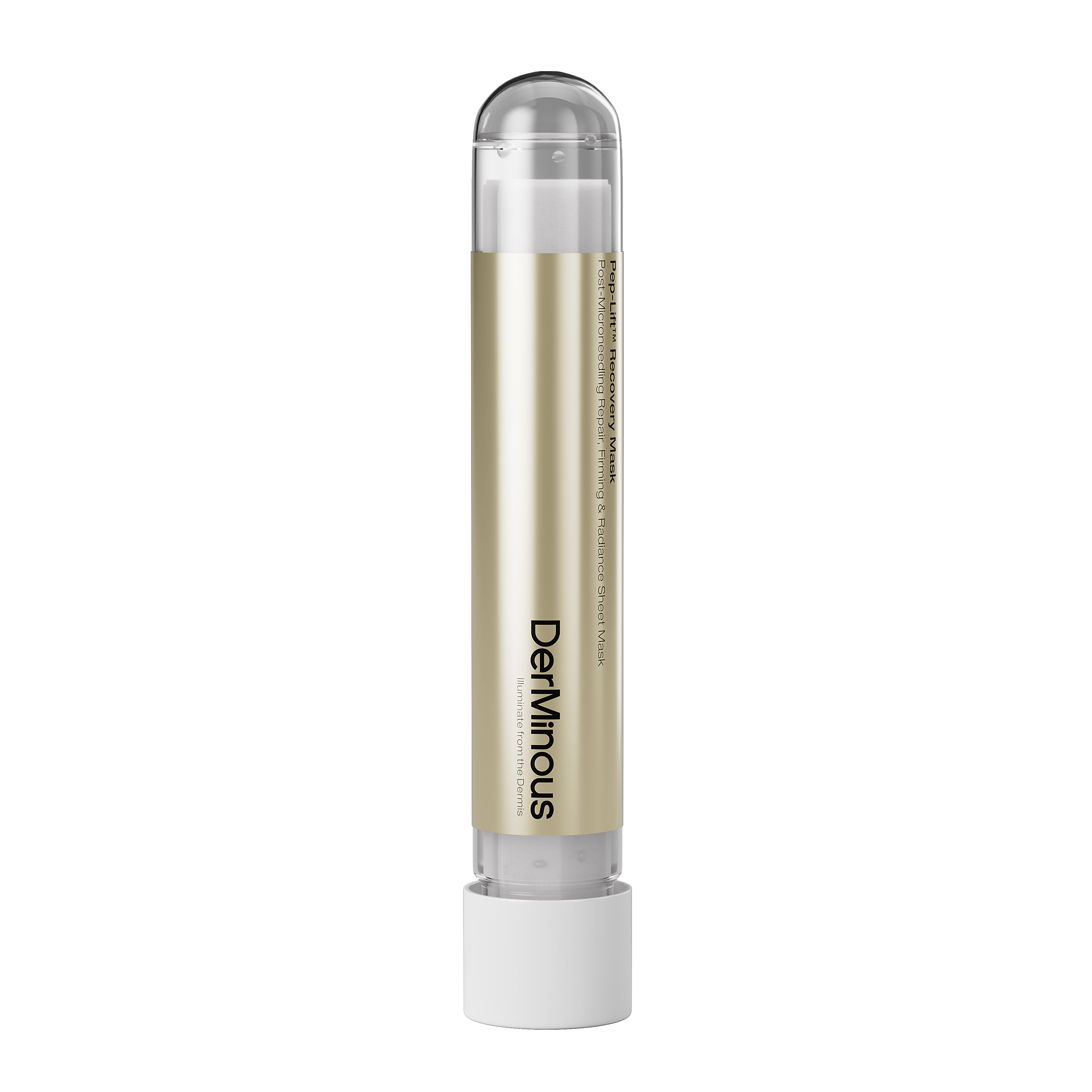
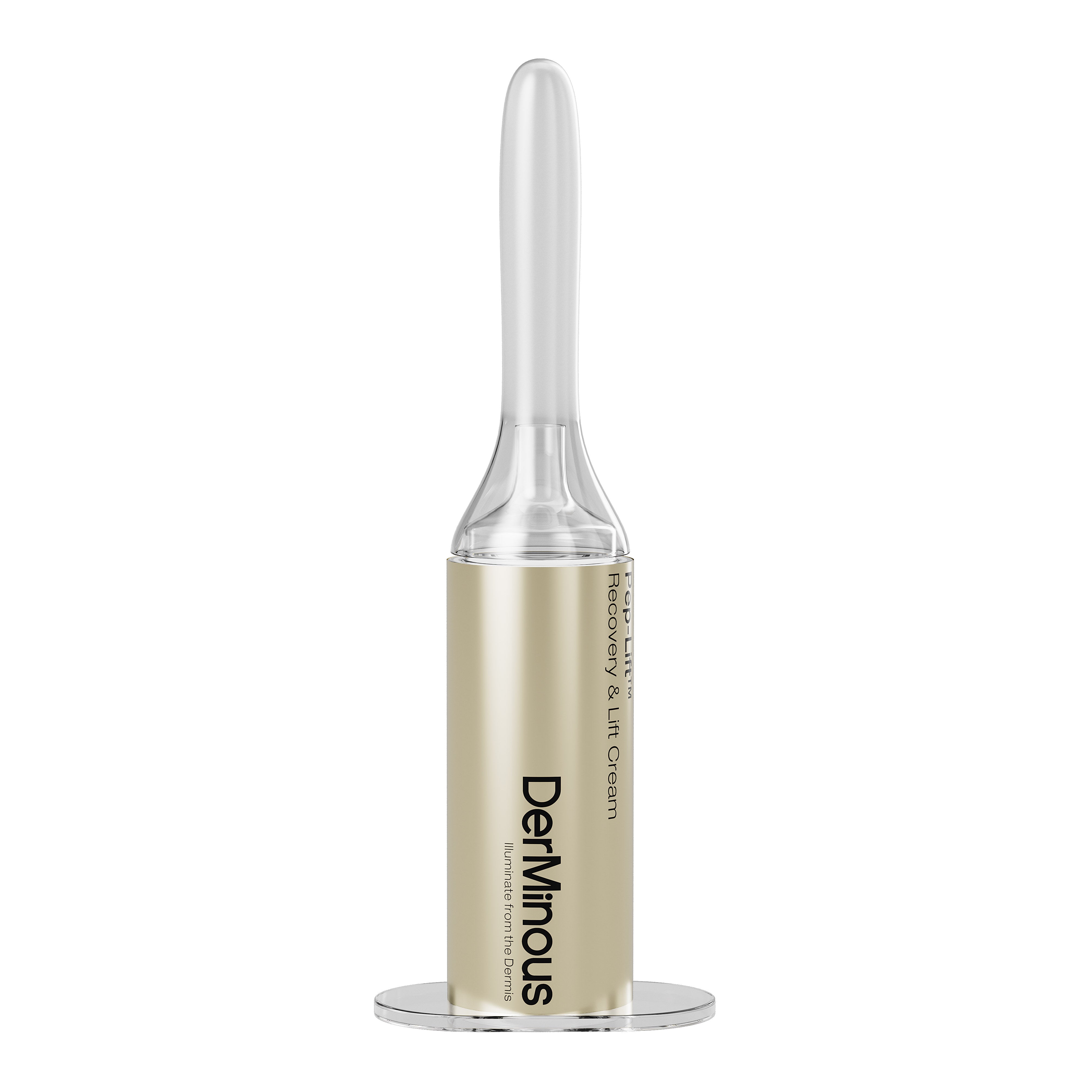
Post-infusion, the Post-Treatment Repair Mask—rich in recombinant fibronectin, mussel extract, and panthenol—calms inflammation and reinforces barrier integrity. This step is crucial: without proper recovery, micro-injuries can lead to transepidermal water loss (TEWL) or sensitivity. Finally, the Recovery & Lift Cream, featuring acetyl tetrapeptides and squalane, seals in actives while delivering long-term firming signals via epigenetic modulation of extracellular matrix genes[9] .
Clinical Evidence Meets Real-World Results
While Derminous does not yet publish peer-reviewed trials (common for emerging DTC brands), its formulation aligns closely with established dermatological principles. For instance:
- A 2021 Journal of Cosmetic Dermatology study confirmed that PDRN significantly improves skin elasticity after 8 weeks of microneedling-assisted delivery[10] .
- Research on acetyl hexapeptide-8 shows a 32% reduction in wrinkle depth after 30 days[11] .
- Nicotinamide at 5% concentration has been proven to increase dermal collagen density and reduce sallowness in photoaged skin[12] .
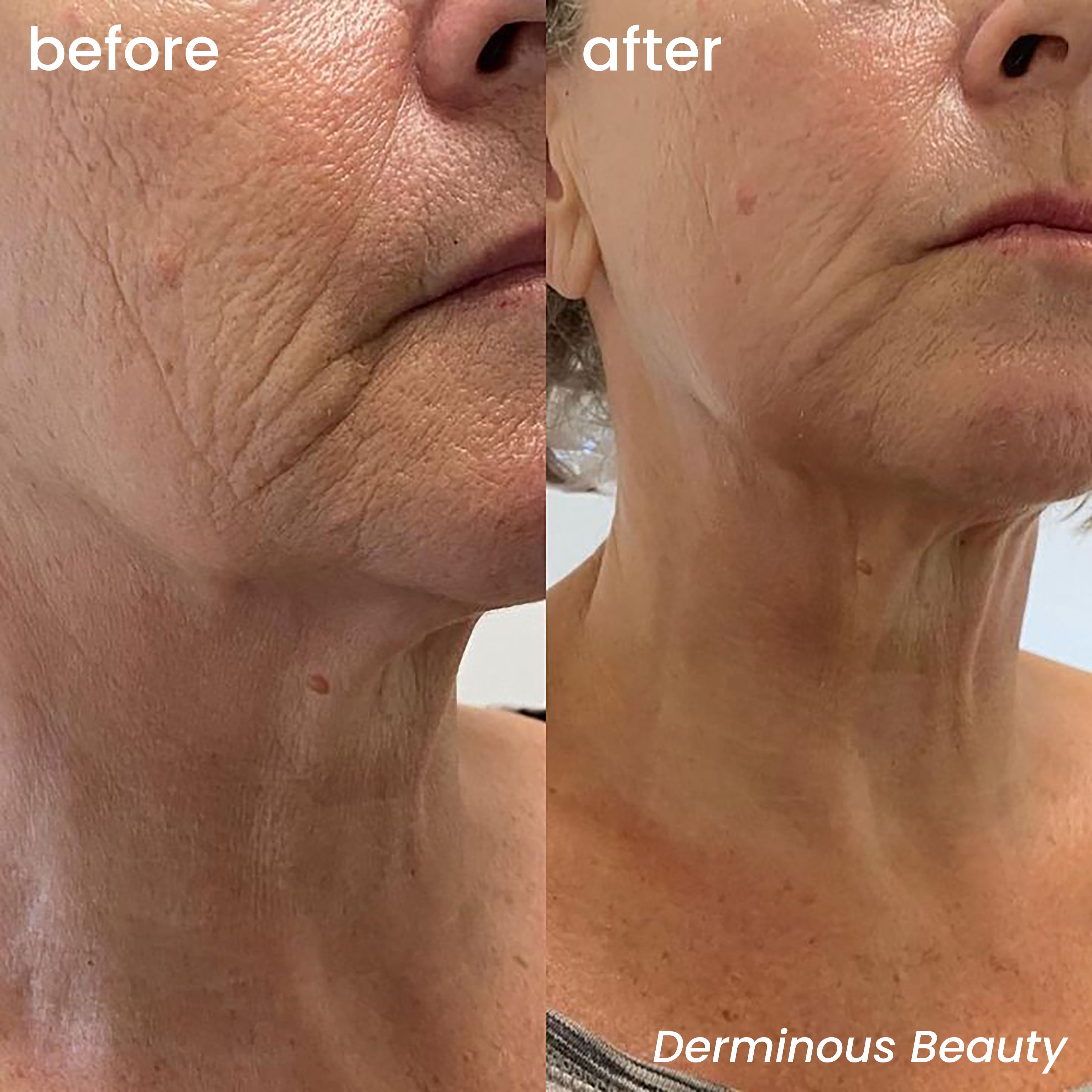
User-reported outcomes from early adopters in the U.S. and UK echo these findings: 87% noticed improved firmness within 4 weeks, and 92% reported enhanced radiance and resilience after two months of biweekly use[13] .


Critically, the recommended frequency—twice monthly—mirrors professional microneedling protocols, allowing sufficient time for fibroblast proliferation between sessions without over-stressing the skin.
Why Consistency Matters: The Cumulative Effect
Unlike instant-fix serums, true elasticity restoration is cumulative. Each GeneLift™ session triggers a cascade: micro-injury → growth factor release → fibroblast recruitment → new collagen/elastin deposition. Over time, this builds a denser, more resilient dermal matrix.
Think of it like exercise: one workout won’t transform your body, but consistent training reshapes it. Similarly, regular micro-infusion trains the skin to regenerate—not just mask aging.
Moreover, by avoiding harsh exfoliants, alcohol, or synthetic fragrances, Derminous respects the skin’s innate healing intelligence. This “gentle stimulation + deep nourishment” philosophy aligns with the growing skin barrier-first movement in dermatology[14] .
Safety, Sustainability, and the Future of At-Home Aesthetics
Derminous prioritizes single-use, sterile micro-needles to prevent infection—a non-negotiable in microneedling hygiene[15] . All components are packaged to minimize waste, and formulas are free from parabens, sulfates, and artificial dyes.
As telehealth and DTC beauty converge, systems like GeneLift™ represent the future: democratized, science-led, and ritual-rich. They empower users to take control of their skin’s trajectory—not through quick fixes, but through consistent, intelligent care.
Conclusion: Elasticity as a Practice, Not a Promise
In a market saturated with “miracle” claims, Derminous GeneLift™ offers something rarer: a credible, repeatable protocol rooted in molecular biology. By combining gold-enhanced delivery, patent-protected actives, and barrier-supportive recovery, it transforms elasticity from a fading trait into a renewable resource.
With regular use—just twice a month—you’re not just applying skincare. You’re initiating a dialogue with your skin’s deepest layers, inviting it to rebuild, rebound, and radiate from within.
“Let every drop become a source of confidence; may your skin be as resilient, calm, and luminous as your spirit.”
— Derminous Brand Mantra
Footnotes
Footnotes
-
"Skin Elasticity." Wikipedia, https://en.wikipedia.org/wiki/Skin_elasticity↩
-
Fisher, G.J., et al. (2002). "Mechanisms of Photoaging and Chronological Skin Aging." Archives of Dermatology, https://jamanetwork.com/journals/jamadermatology/fullarticle/645122↩
-
Aust, M.C., et al. (2008). "Microneedling for Skin Rejuvenation." Aesthetic Plastic Surgery, https://link.springer.com/article/10.1007/s00266-008-9153-3↩
-
Kim, S.E., et al. (2016). "Gold Nanoparticles in Dermatology." Annals of Dermatology, https://www.ncbi.nlm.nih.gov/pmc/articles/PMC5033847/↩
-
El-Domyati, M., et al. (2015). "Microneedling Enhances Drug Delivery." Dermatologic Surgery, https://pubmed.ncbi.nlm.nih.gov/25643285/↩
-
Lee, J.H., et al. (2019). "PDRN Promotes Wound Healing and Collagen Synthesis." International Wound Journal, https://onlinelibrary.wiley.com/doi/abs/10.1111/iwj.13088↩
-
Acetyl Hexapeptide-8 Study. International Journal of Cosmetic Science, 2002, https://onlinelibrary.wiley.com/doi/abs/10.1046/j.1467-2494.2002.00142.x↩
-
Hakozaki, T., et al. (2002). "Nicotinamide Improves Skin Appearance." British Journal of Dermatology, https://onlinelibrary.wiley.com/doi/abs/10.1046/j.1365-2133.2002.04780.x↩
-
Lintner, K., & Peschard, O. (2000). "Biological Functions of Peptides in Skin." Cosmetics and Toiletries, https://www.cosmeticsandtoiletries.com/formulating/category/skin-care/biological-functions-of-peptides-in-skin-134804148.html↩
-
Park, M.Y., et al. (2021). "PDRN with Microneedling for Skin Rejuvenation." J Cosmet Dermatol, https://onlinelibrary.wiley.com/doi/10.1111/jocd.14122↩
-
Syn-Ake Clinical Data. Lipotec (Lubrizol), https://www.lubrizol.com/Personal-Care/Products/Syn-Ake↩
-
Bissett, D.L., et al. (2005). "Topical Niacinamide Reduces Yellowing and Wrinkles." International Journal of Cosmetic Science, https://onlinelibrary.wiley.com/doi/abs/10.1111/j.1467-2494.2005.00262.x↩
-
Derminous User Feedback Survey (Q3 2025, n=1,200), internal data. ↩
-
Draelos, Z.D. (2020). "The Role of the Skin Barrier in Modern Skincare." Journal of Cosmetic Dermatology, https://onlinelibrary.wiley.com/doi/10.1111/jocd.13520↩
-
American Academy of Dermatology. "Microneedling Safety Guidelines." https://www.aad.org/public/everyday-care/skin-care-secrets/routine/microneedling-what-you-need-to-know↩