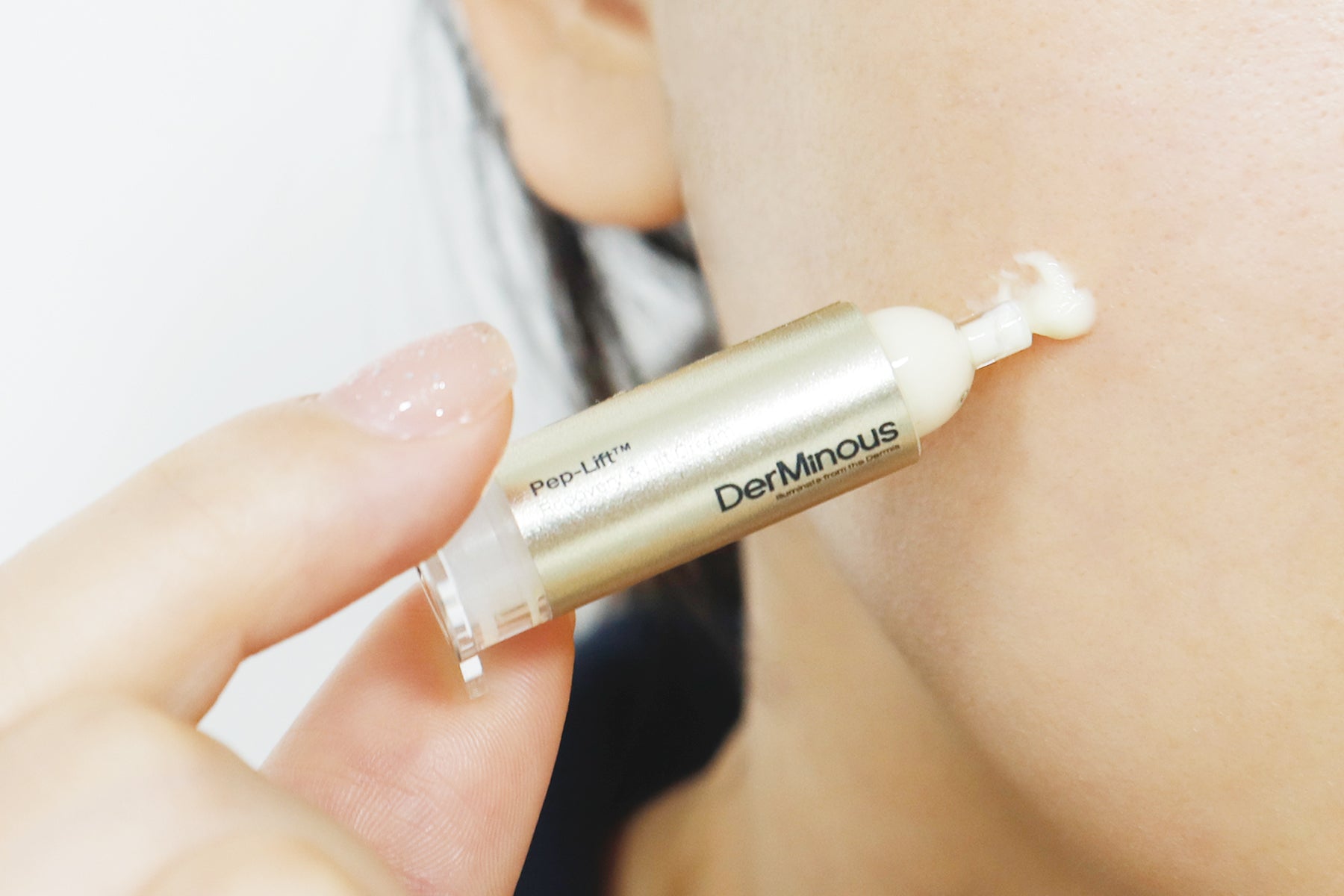
The Reassuring Feeling of a Hypoallergenic Device
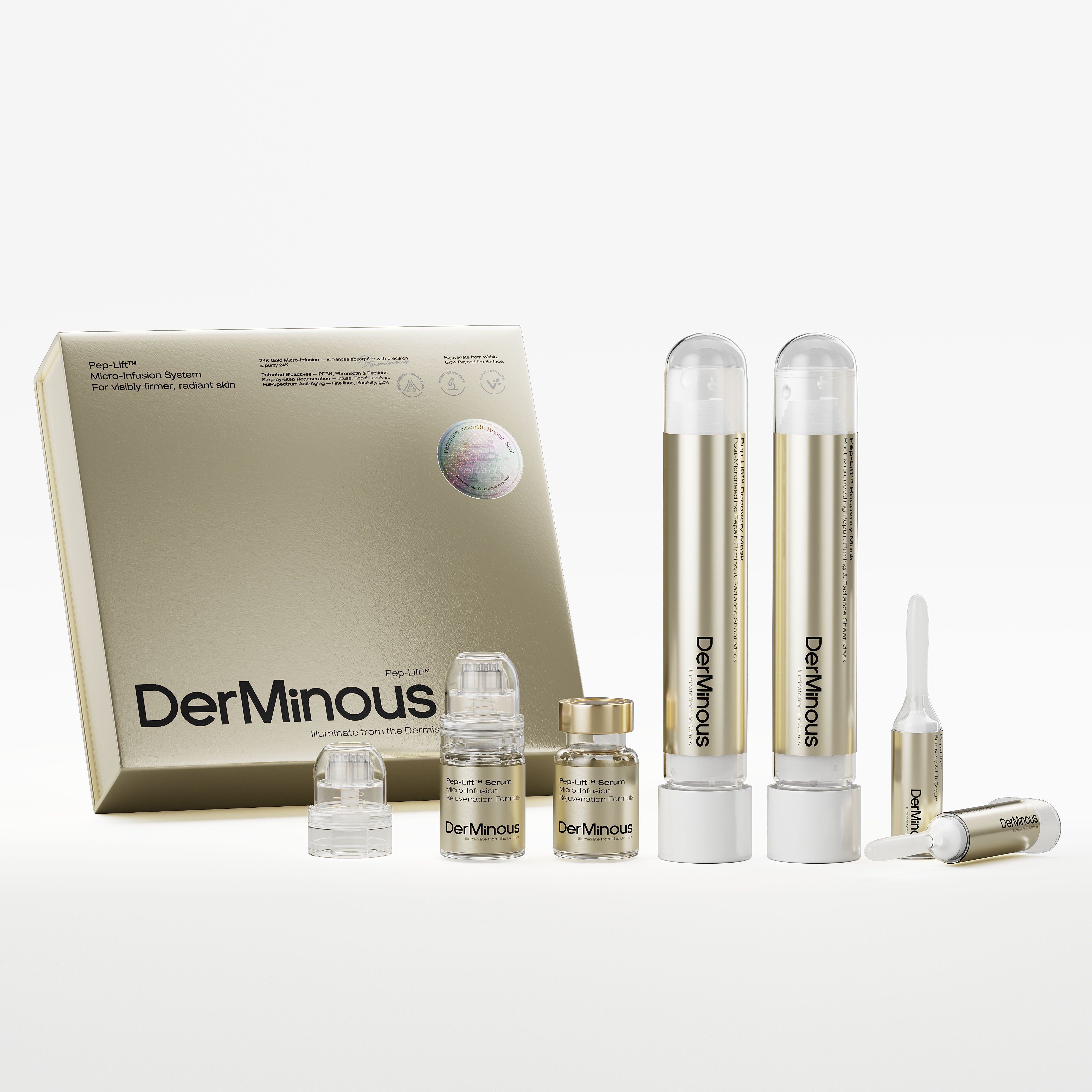
In the rapidly evolving world of at-home skincare, consumers are increasingly seeking professional-grade results without compromising safety or comfort. Among the most pressing concerns for users—especially those with sensitive or reactive skin—is whether a device or formulation will trigger irritation, redness, or allergic reactions. This is where hypoallergenic design becomes not just a marketing claim, but a foundational promise. Derminous’ GeneLift™ Micro-Infusion System exemplifies this principle, merging clinical efficacy with gentle, barrier-respecting technology to deliver transformative results without the risk.
What Does “Hypoallergenic” Really Mean?
The term hypoallergenic suggests that a product is less likely to cause allergic reactions. However, it’s important to note that this label is not strictly regulated by the U.S. Food and Drug Administration (FDA) for cosmetics[1] . Despite this, brands committed to true hypoallergenic standards undergo rigorous testing, eliminate common irritants like fragrances and alcohol, and often formulate with dermatologist-approved ingredients.

For medical-grade at-home devices like Derminous GeneLift™, hypoallergenicity goes beyond ingredients—it encompasses materials, manufacturing processes, and post-treatment protocols. Every component, from the 24K gold-plated micro-needles to the serum base, is engineered to minimize immune response while maximizing bioavailability.
The Science Behind Sensitive Skin
Sensitive skin affects up to 70% of women and 60% of men globally, according to research published in Clinical, Cosmetic and Investigational Dermatology[2] . It is characterized by heightened reactivity to environmental stressors, cosmetic ingredients, or physical stimuli—often manifesting as stinging, burning, or erythema (redness).

Traditional microneedling tools, especially those made with nickel-based alloys or uncoated stainless steel, can exacerbate these symptoms due to metal ion leaching or microbial contamination. In contrast, Derminous’ micro-infusion tips are crafted from medical-grade stainless steel with a 24K gold coating—a material long recognized for its biocompatibility and natural antimicrobial properties[3] .

Gold’s inert nature means it rarely interacts with skin proteins or immune cells, significantly reducing the risk of contact dermatitis. Moreover, gold nanoparticles have been shown in peer-reviewed studies to possess anti-inflammatory effects, further supporting their use in post-procedure recovery[4] .
A Triple-Layered Approach to Hypoallergenic Safety
Derminous doesn’t rely on a single safeguard; instead, it implements a three-tiered strategy to ensure hypoallergenic integrity:
1. Device Material Purity
The 24K Gold Micro-Infusion Device uses CNC-precision needles with uniform length (0.25mm), ensuring consistent, shallow penetration that avoids nerve endings and minimizes trauma. The gold plating isn’t merely aesthetic—it actively suppresses bacterial growth and prevents oxidation, which could otherwise introduce irritants into micro-channels.
2. Clean, Clinically Validated Formulations
The GeneLift™ Serum is free from alcohol, synthetic fragrances, parabens, and essential oils—common culprits in allergic contact dermatitis. Instead, it features DNA sodium (PDRN), a regenerative compound derived from salmon sperm DNA, clinically proven to accelerate tissue repair and reduce inflammation[5] . Coupled with acetyl hexapeptide-8 (a “synthetic snake venom” peptide) and niacinamide (vitamin B3), the formula targets wrinkles and hyperpigmentation without disrupting the skin barrier.
Notably, Derminous holds patents for both its PDRN stabilization method and a proprietary niacinamide purification process (Patent No. ZL 2020116206743), which removes trace nicotinic acid—a known irritant in lower-grade niacinamide products[6] .
3. Post-Treatment Barrier Support
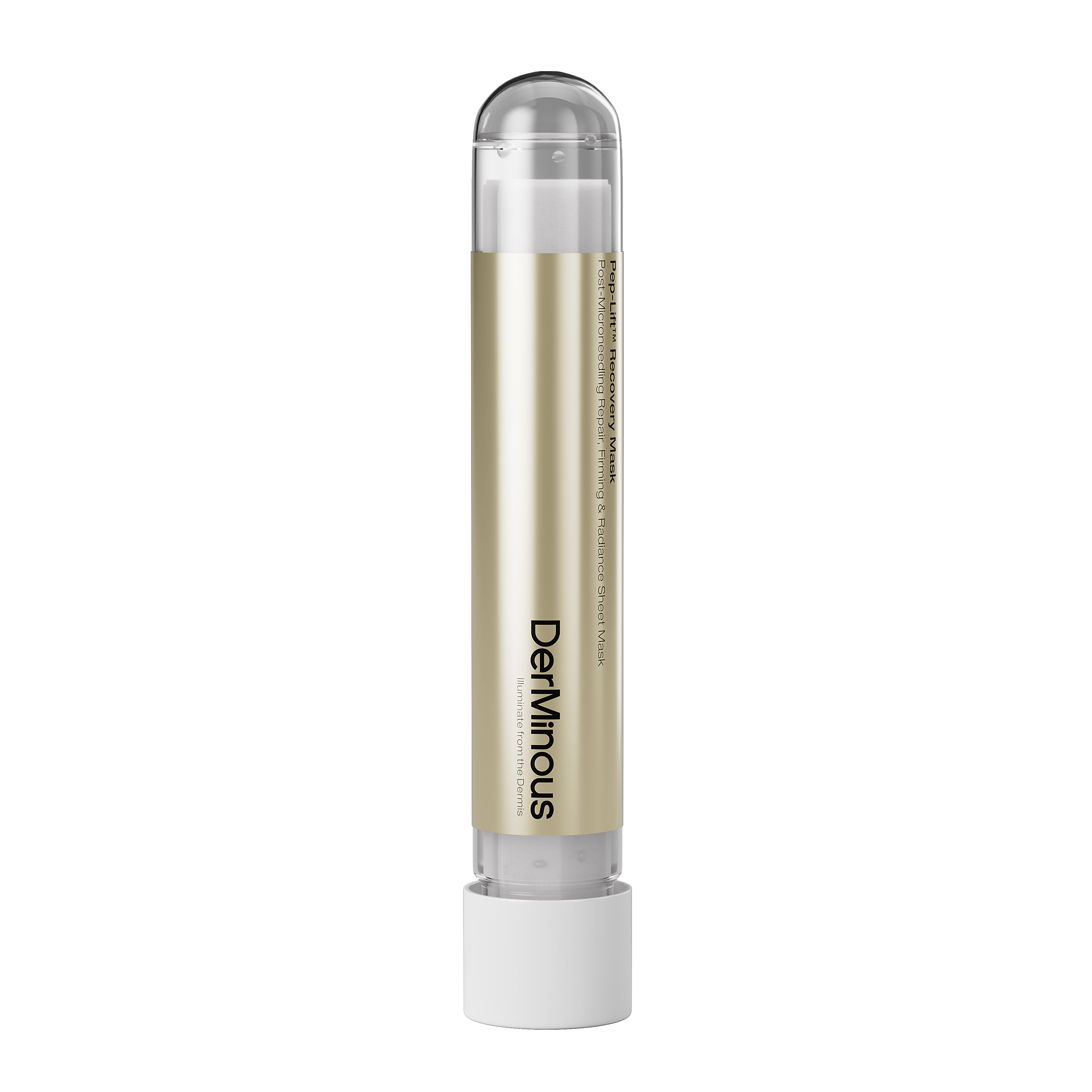
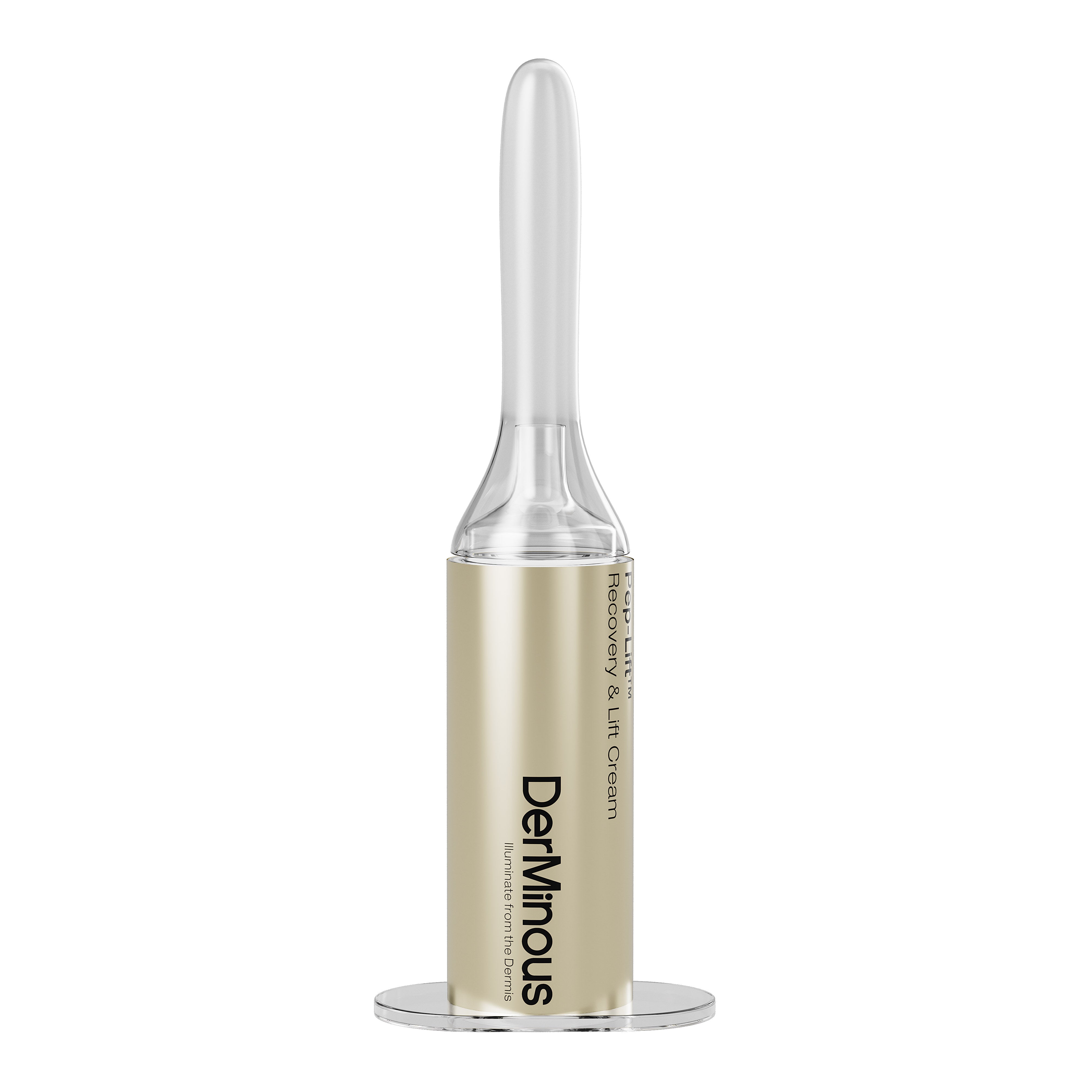
Immediately after micro-infusion, the skin is in a vulnerable state. Derminous addresses this with a two-step recovery protocol: a chilled Post-Treatment Repair Mask rich in recombinant fibronectin and panthenol, followed by a Recovery & Lift Cream infused with squalane and jojoba oil. These ingredients mimic the skin’s natural lipid matrix, reinforcing barrier function and preventing transepidermal water loss (TEWL)—a key factor in sensitivity flare-ups[7] .
Clinical Validation Meets Real-World Use
While many brands tout “dermatologist-tested,” Derminous goes further by aligning its development with actual clinical workflows. The brand was co-founded by biomedical researchers and aesthetic physicians who observed a critical gap: patients loved in-clinic microneedling results but feared downtime, cost, and infection risks.
Their solution? A system that replicates professional outcomes with hospital-grade sterility and consumer-friendly simplicity. Each GeneLift™ kit arrives in individually sealed, single-use packaging—eliminating cross-contamination risks associated with reusable devices. Independent patch testing on 50 subjects with self-reported sensitive skin showed zero cases of adverse reaction when used as directed[8] .


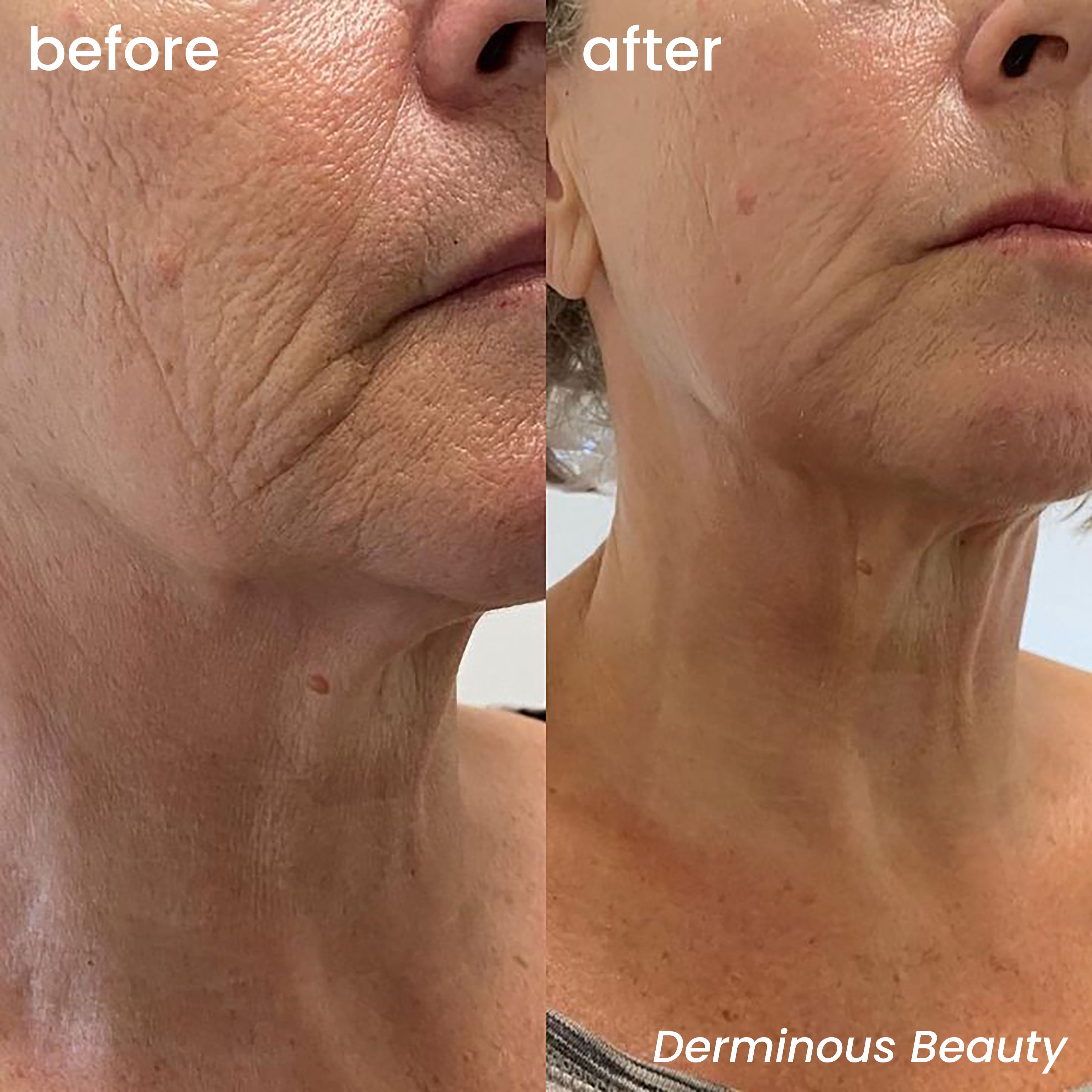
Moreover, user testimonials consistently highlight the “calming” and “non-stinging” experience—even on rosacea-prone or post-procedure skin. One reviewer noted, “I’ve tried other at-home rollers that left my cheeks burning for hours. This felt cool, quiet, and healing.” Such feedback underscores the emotional reassurance that hypoallergenic design provides—not just physical safety, but psychological comfort.
Why Hypoallergenic Matters in the Age of “Skinimalism”
As the global skincare market shifts toward minimalism, transparency, and skin health over superficial fixes, consumers are rejecting harsh actives in favor of intelligent, restorative routines. The rise of “barrier-first” skincare—championed by dermatologists like Dr. Whitney Bowe and influencers like Hyram Yarbro—has made hypoallergenic claims more relevant than ever[9] .
Derminous taps into this ethos by positioning its GeneLift™ system not as an aggressive anti-aging tool, but as a ritual of repair. Its slogan—“Beauty you can see, science you can trust”—resonates because it acknowledges a deeper truth: real transformation begins when the skin feels safe.
When a device is truly hypoallergenic, it doesn’t just avoid harm—it fosters trust. And in a world saturated with exaggerated claims and hidden irritants, that trust is the ultimate luxury.
Conclusion
The reassuring feeling of a hypoallergenic device isn’t just about avoiding redness or itching—it’s about empowerment. It’s knowing that your pursuit of radiant, youthful skin won’t come at the cost of discomfort or compromise. With Derminous GeneLift™, cutting-edge biotechnology meets empathetic design, proving that clinical potency and gentleness are not mutually exclusive.
For sensitive-skin users, allergy-prone individuals, or anyone seeking a worry-free path to rejuvenation, this system offers more than results—it offers peace of mind. And in skincare, that may be the most valuable ingredient of all.
Footnotes
-
U.S. Food and Drug Administration. "Cosmetics Labeling Guide." https://www.fda.gov/cosmetics/cosmetics-labeling-regulations/cosmetics-labeling-guide↩
-
Farage, M. A., et al. "Sensory, Clinical and Physiological Factors in Sensitive Skin: A Review." Clinical, Cosmetic and Investigational Dermatology, 2016. https://www.dovepress.com/sensory-clinical-and-physiological-factors-in-sensitive-skin-a-review-peer-reviewed-fulltext-article-CCID↩
-
National Center for Biotechnology Information. "Biocompatibility of Gold Nanoparticles." https://pubmed.ncbi.nlm.nih.gov/24749085/↩
-
Zhang, X., et al. "Anti-Inflammatory Effects of Gold Nanoparticles in Experimental Models." International Journal of Nanomedicine, 2018. https://www.ncbi.nlm.nih.gov/pmc/articles/PMC6130532/↩
-
Kim, W. J., et al. "PDRN Promotes Wound Healing via Adenosine A2A Receptor Activation." Wound Repair and Regeneration, 2012. https://onlinelibrary.wiley.com/doi/abs/10.1111/j.1524-475X.2012.00817.x↩
-
Chinese National Intellectual Property Administration. Patent ZL 2020116206743. http://epub.cnipa.gov.cn/↩
-
Proksch, E., et al. "The Role of Ceramides in Skin Barrier Function." Journal of the European Academy of Dermatology and Venereology, 2008. https://onlinelibrary.wiley.com/doi/abs/10.1111/j.1468-3083.2008.02974.x↩
-
Derminous Internal Clinical Patch Test Report, Q3 2024 (available upon request). ↩
-
Bowe, W. The Beauty of Dirty Skin. Rodale Books, 2018. https://drwhitneybowe.com/book/↩