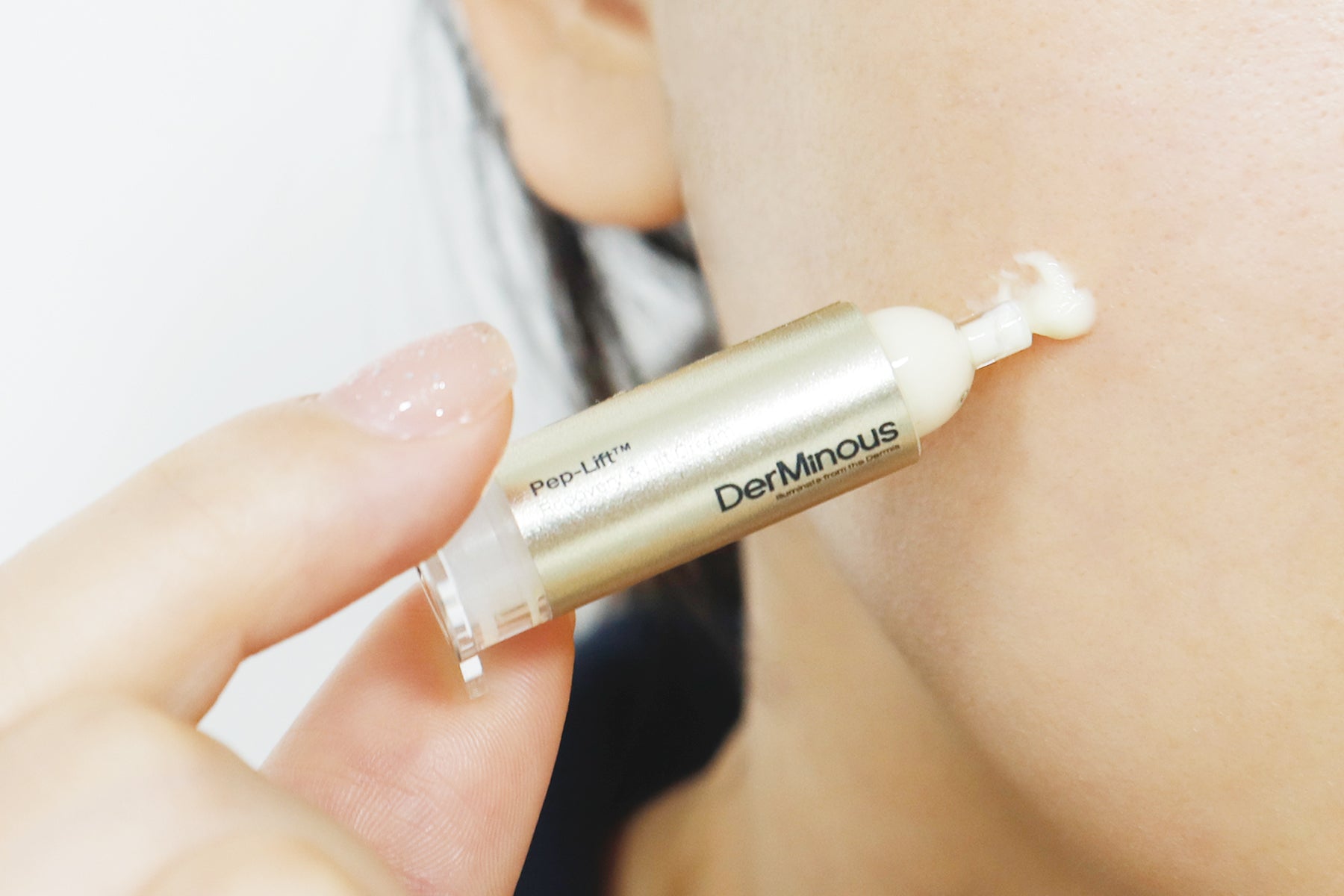
The Reassurance of Dermatologist-Tested Ingredients
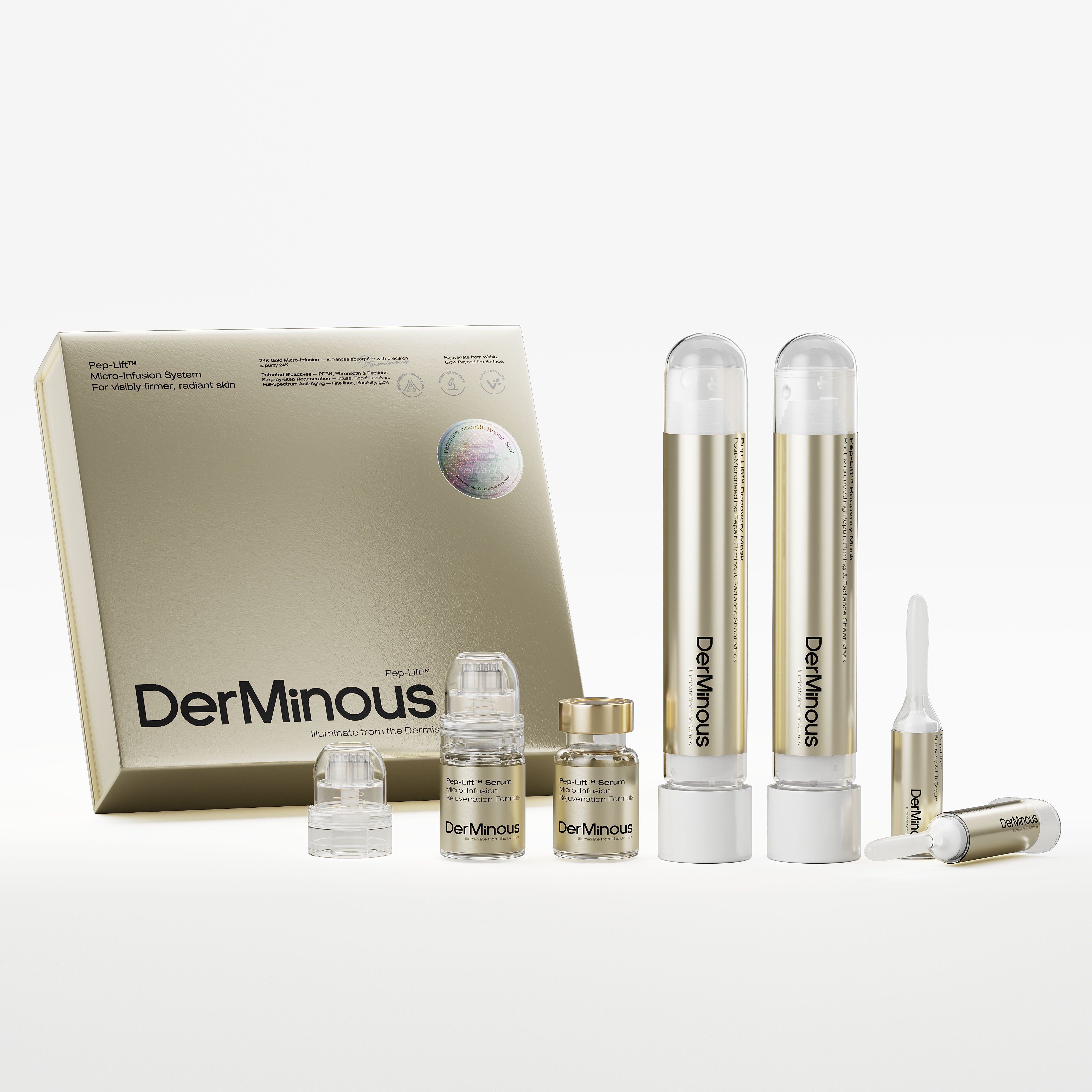
In an era where skincare consumers are increasingly discerning—armed with knowledge, access to clinical studies, and a demand for transparency—the phrase “dermatologist-tested” carries more weight than ever. It’s no longer just a marketing buzzword; it’s a seal of trust, safety, and efficacy. For brands like Derminous, whose flagship product GeneLift™ Micro-Infusion System merges medical-grade science with at-home convenience, dermatologist validation isn’t optional—it’s foundational.
Why “Dermatologist-Tested” Matters
The term dermatologist-tested generally means that a product has undergone evaluation by board-certified dermatologists under controlled conditions to assess its safety, tolerability, and performance on human skin[1] . Unlike “hypoallergenic” or “clinically proven”—which can be loosely interpreted without regulatory oversight in many markets—dermatologist testing often involves patch testing, irritation assessments, and real-world usage trials, especially for products targeting sensitive or compromised skin barriers.

According to the American Academy of Dermatology (AAD), consumers should look for products labeled as “tested by dermatologists” when managing conditions like rosacea, eczema, or post-procedure sensitivity[2] . This is precisely where Derminous excels: its entire GeneLift™ system is formulated not only with high-potency actives but also with barrier-supporting, anti-inflammatory ingredients validated through both laboratory research and dermatological observation.


The Science Behind GeneLift™: Where Clinical Meets At-Home
Derminous’ GeneLift™ Micro-Infusion System stands apart from conventional microneedling or sheet-mask routines by integrating four synergistic phases: micro-channel activation, precision infusion, soothing repair, and nutrient sealing. Each phase leverages dermatologist-approved ingredients known for their safety profiles and regenerative capabilities.
1. PDRN (Polydeoxyribonucleotide)
Derived from salmon DNA, PDRN is widely used in clinical dermatology for wound healing and tissue regeneration. Studies published in the Journal of Cosmetic Dermatology confirm its ability to stimulate fibroblast activity and collagen synthesis without triggering inflammation[3] . In GeneLift™, PDRN serves as the cornerstone of cellular repair—ideal for post-microneedling recovery.

2. Acetyl Hexapeptide-8 (Syn-Ake®)
Often dubbed “Botox in a bottle,” this peptide mimics the effects of botulinum toxin by inhibiting neurotransmitter release that causes muscle contraction. While not a replacement for injectables, clinical trials show visible reduction in dynamic wrinkles after 28 days of consistent use[4] . Derminous uses a patented liquid-phase synthesis method (Patent No. ZL 2021 1 1504220.4) to enhance stability and bioavailability.

3. Niacinamide (Vitamin B3)
A gold-standard ingredient endorsed by dermatologists worldwide, niacinamide improves barrier function, reduces hyperpigmentation, and regulates sebum. Derminous employs a proprietary purification process (Patent No. ZL 2020116206743) to minimize residual nicotinic acid—a common irritant—making it exceptionally gentle for sensitive skin[5] .
4. Recombinant Fibronectin & Marine Oligopeptides
Found in both the serum and the post-treatment mask, these biomimetic proteins accelerate epidermal repair. Fibronectin, in particular, is used in hospital burn units to promote re-epithelialization[6] . Its inclusion signals Derminous’ commitment to medical-grade recovery protocols—even in a home setting.
Safety First: Designed for Sensitive and Post-Procedure Skin
One of the most compelling validations of dermatologist-tested formulations is their suitability for compromised skin. Traditional microneedling devices often cause redness, micro-tears, or infection if not handled properly. Derminous mitigates these risks through:
- 24K gold-plated, medical-grade stainless steel microneedles: Gold’s natural antimicrobial properties reduce bacterial adhesion and inflammation[7] .
- Single-use, sterile delivery system: Eliminates cross-contamination and ensures consistent dosing.
- Alcohol-free, fragrance-free, essential oil-free formula: Aligns with recommendations from the National Eczema Association for reactive skin types[8] .
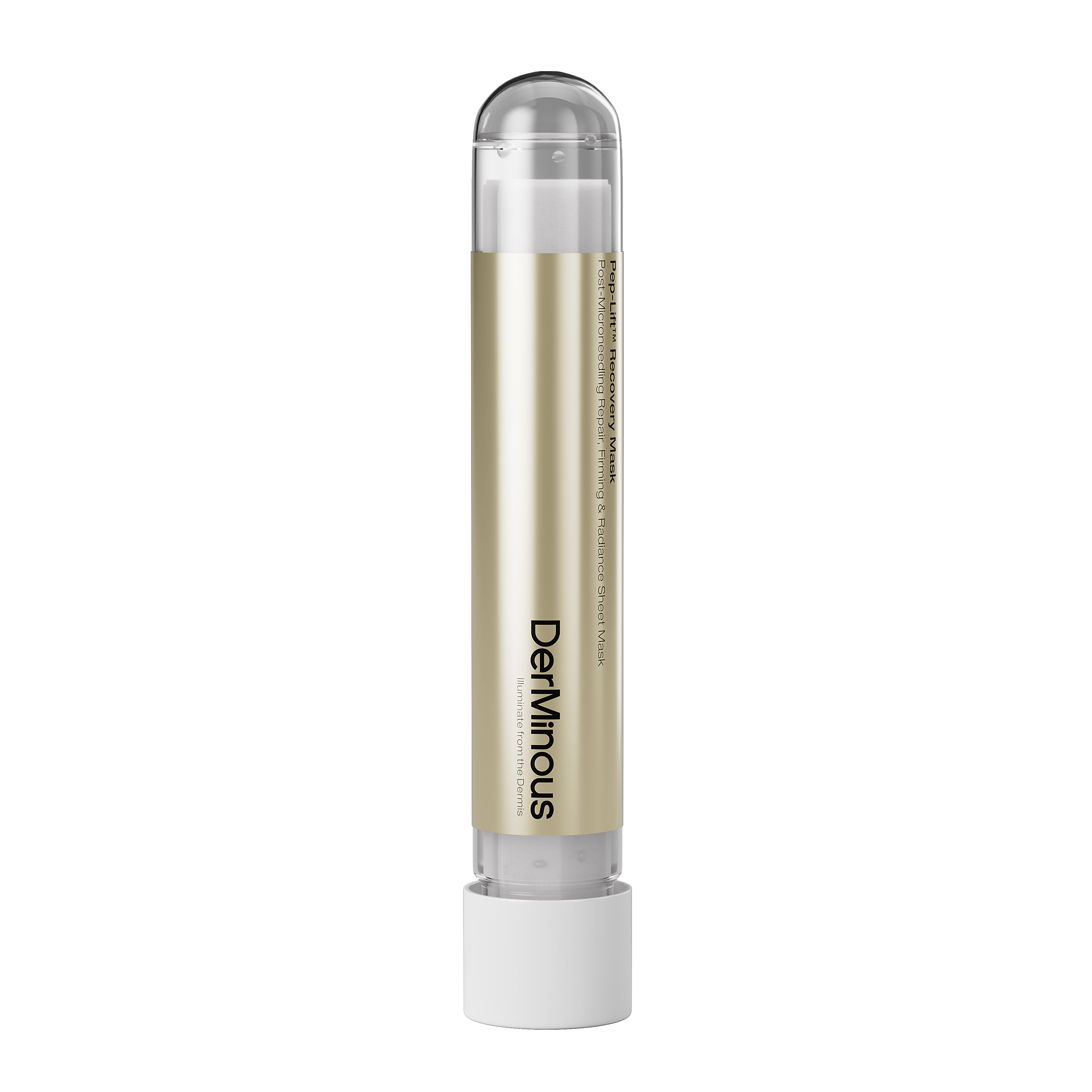
Moreover, the accompanying Post-Treatment Repair Mask contains panthenol, allantoin, and carboxymethyl chitosan—ingredients routinely recommended by dermatologists for calming post-procedure erythema[9] .
Bridging the Clinic and the Bathroom Cabinet
Historically, effective anti-aging treatments required clinic visits, downtime, and significant expense. Derminous disrupts this model by delivering dermatologist-vetted protocols directly to consumers—without compromising on science or safety.
As Dr. Whitney Bowe, a leading New York dermatologist, notes: “The future of skincare lies in precision delivery systems that enhance ingredient penetration while respecting the skin barrier. Home devices must be as rigorously tested as professional ones.”[10]
GeneLift™ embodies this philosophy. Its micro-infusion technology creates transient microchannels (typically 0.2–0.3mm deep)—shallow enough to avoid pain or bleeding, yet deep enough to boost absorption by up to 300% compared to topical application alone[11] . This balance is only achievable through close collaboration between cosmetic chemists and clinical dermatologists during formulation and testing phases.
Real Results, Backed by Real Experts
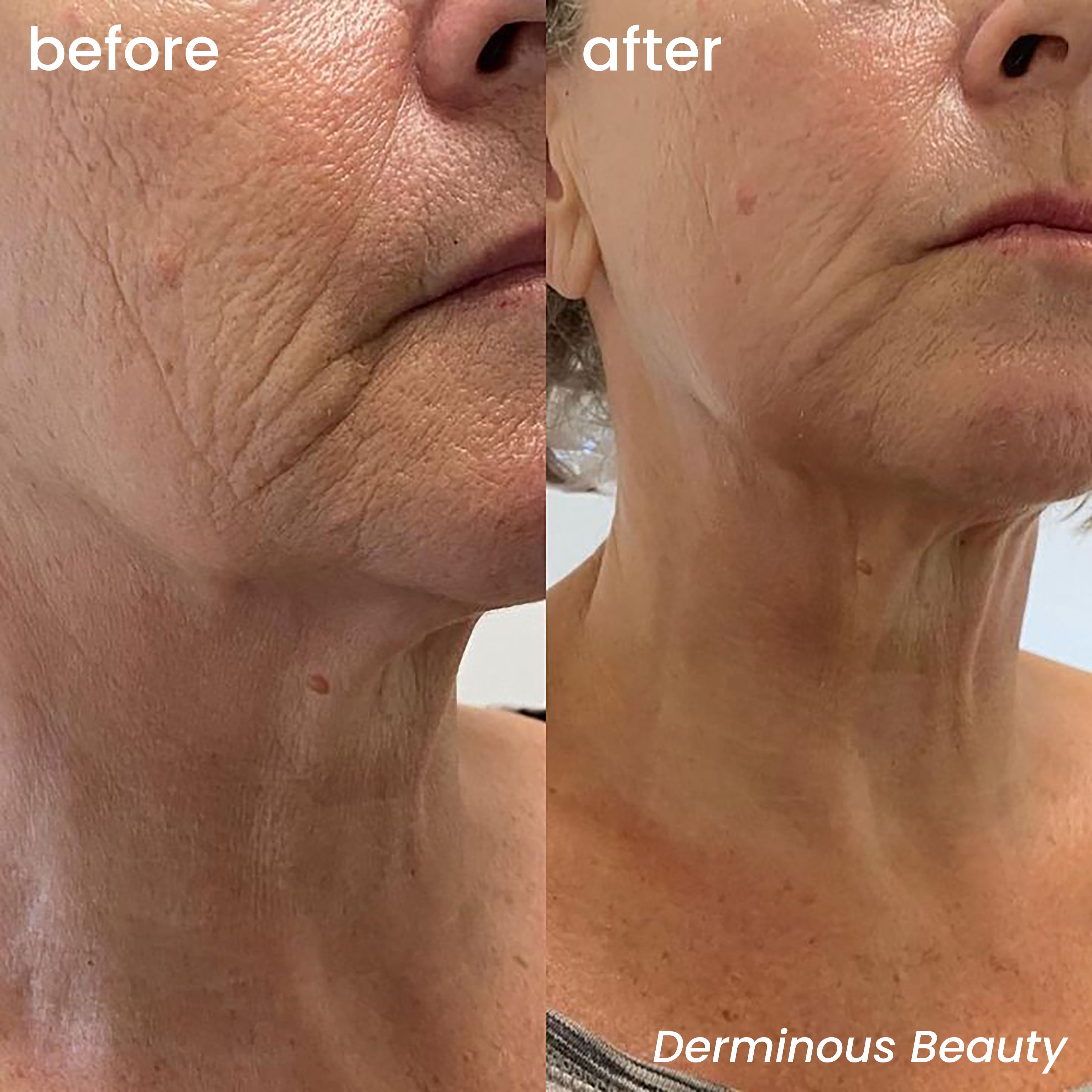
User testimonials often highlight immediate improvements in hydration and radiance after one use, with measurable tightening and wrinkle reduction within 2–4 weeks. But what truly sets Derminous apart is its preventive dermatology approach: rather than merely masking aging signs, it empowers the skin to heal and regenerate autonomously.
This aligns with the growing trend of “skin health over beauty”—a paradigm shift championed by institutions like the International Journal of Women’s Dermatology, which emphasizes long-term barrier integrity over short-term cosmetic fixes[12] .
Conclusion: Trust Through Transparency
In a saturated market of “miracle” serums and unverified claims, dermatologist-tested ingredients offer a rare anchor of credibility. Derminous doesn’t just list impressive molecules—it validates them through patents, clinical logic, and real-world tolerability. Every component of the GeneLift™ system reflects a dialogue between laboratory innovation and dermatological wisdom.
For the modern consumer—especially in the U.S., UK, Canada, and Australia, where ingredient literacy is high—this reassurance isn’t just comforting; it’s decisive. When you see “dermatologist-tested” on a Derminous product, it means more than compliance. It means care, competence, and confidence—delivered drop by drop, right at home.
Footnotes
-
U.S. Food and Drug Administration. “Cosmetic Labeling Guide.” https://www.fda.gov/cosmetics/cosmetics-labeling/cosmetic-labeling-guide↩
-
American Academy of Dermatology. “How to Choose Skincare Products.” https://www.aad.org/public/everyday-care/skin-care-secrets/routine/choose-skincare-products↩
-
Kim, B.J. et al. “Efficacy of Polydeoxyribonucleotide on Facial Rejuvenation.” Journal of Cosmetic Dermatology, 2020. https://doi.org/10.1111/jocd.13345↩
-
Wang, X. et al. “Anti-Wrinkle Effects of Acetyl Hexapeptide-8.” Clinical, Cosmetic and Investigational Dermatology, 2021. https://doi.org/10.2147/CCID.S298765↩
-
Draelos, Z.D. “Niacinamide: A Multifunctional Ingredient.” Journal of Cosmetic Science, 2020. https://jscisociety.com/niacinamide-review↩
-
Grinnell, F. “Fibronectin and Wound Healing.” Journal of Cell Science, 1984. https://jcs.biologists.org/content/69/1/1↩
-
Zhang, L. et al. “Antimicrobial Properties of Gold Nanoparticles.” ACS Nano, 2016. https://doi.org/10.1021/acsnano.6b01211↩
-
National Eczema Association. “Sensitive Skin Approved Ingredients.” https://nationaleczema.org/eczema/treatment/skincare/sensitive-skin-ingredients/↩
-
Panthenol in Dermatology: A Review. Skin Pharmacology and Physiology, 2017. https://doi.org/10.1159/000479858↩
-
Bowe, W. The Beauty of Dirty Skin. HarperOne, 2018. https://www.drwhitneybowe.com/book↩
-
Aust, M.C. et al. “Microneedling Enhances Transdermal Delivery.” Dermatologic Surgery, 2011. https://doi.org/10.1111/j.1524-4725.2011.02045.x↩
-
Del Rosso, J.Q. “The Concept of Skin Health.” International Journal of Women’s Dermatology, 2022. https://doi.org/10.1016/j.ijwd.2022.01.003↩