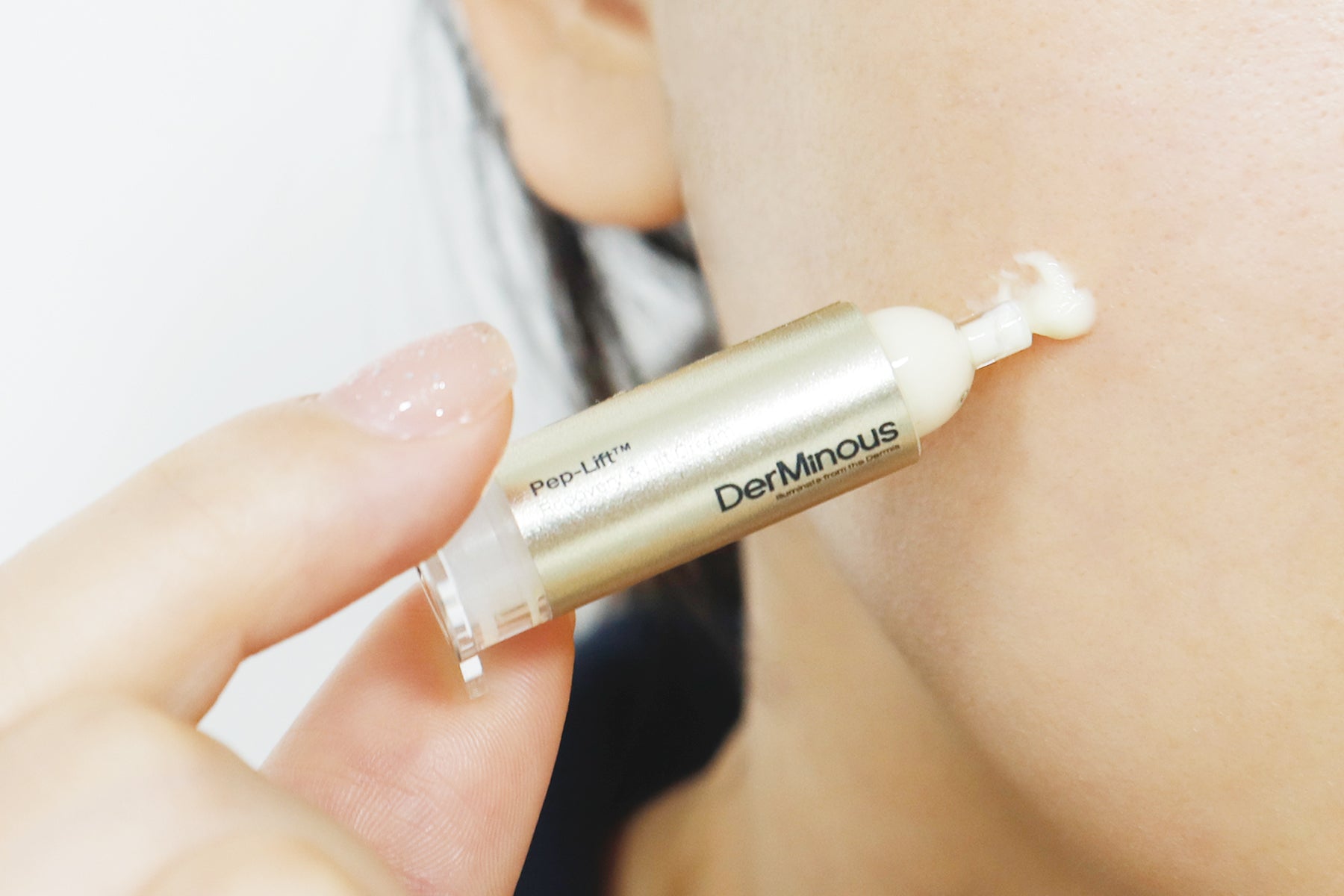
The Long-Term Benefits of a Consistent Micro-Infusion Routine
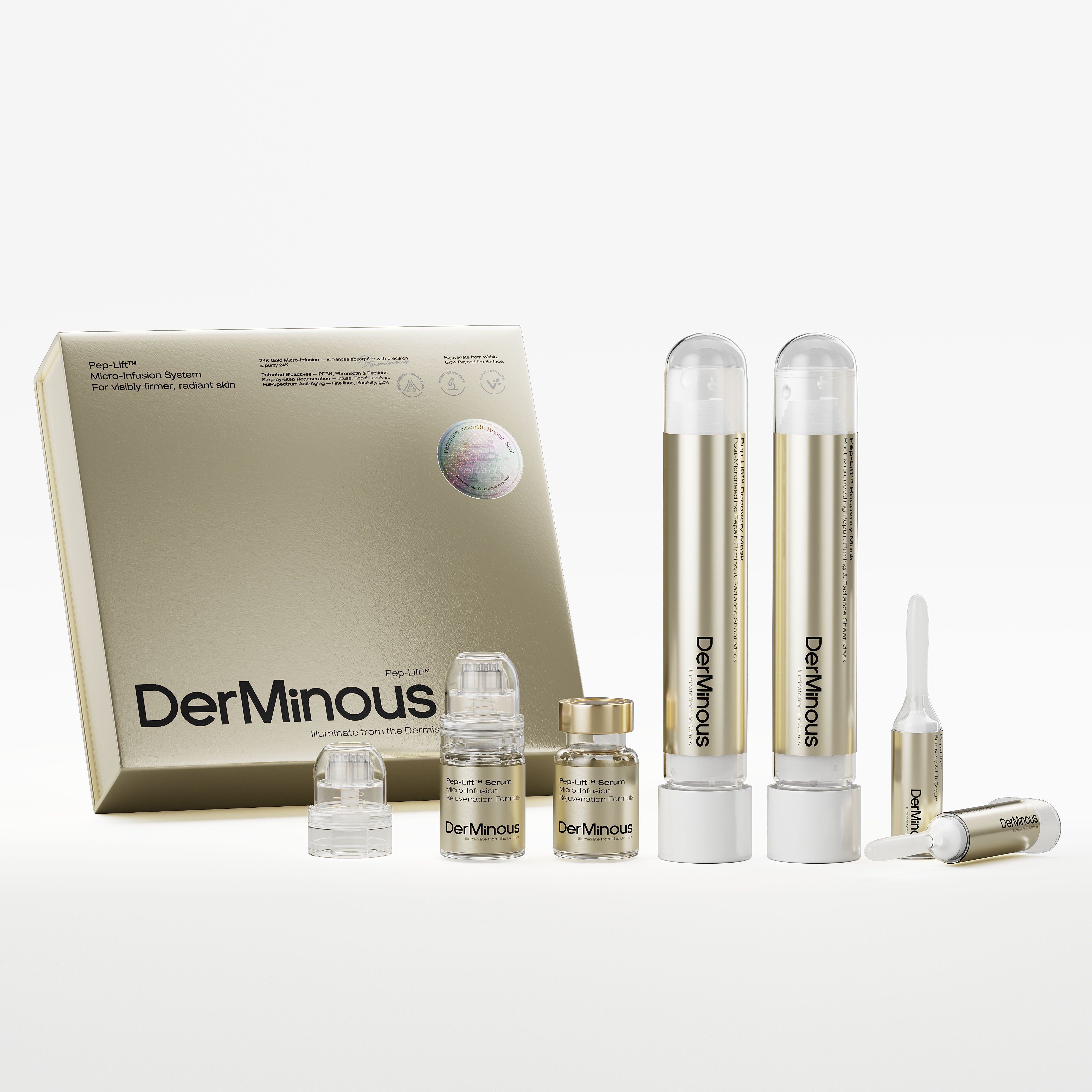
In recent years, the at-home skincare landscape has undergone a transformative shift—driven by consumers’ growing demand for clinical-grade results without the cost, downtime, or discomfort of professional procedures. Among the most innovative solutions emerging from this trend is the micro-infusion system: a precision-engineered approach that combines microneedling with high-potency serums to deliver visible, long-term skin rejuvenation. When used consistently and correctly, such systems—like Derminous GeneLift™—offer far more than temporary glow; they support structural skin health, barrier resilience, and sustained anti-aging benefits.
Unlike traditional topical application, which often struggles to penetrate the stratum corneum (the skin’s outermost layer), micro-infusion leverages ultrafine, medical-grade microneedles to create transient microchannels. These channels allow active ingredients—such as PDRN (Polydeoxyribonucleotide), peptides, niacinamide, and hyaluronic acid—to bypass surface barriers and reach the deeper dermal layers where collagen synthesis and cellular repair occur[1] . This method mimics the mechanism of professional mesotherapy but in a safe, painless, and user-friendly format designed for home use.


1. Enhanced Collagen Production and Skin Remodeling
One of the most well-documented long-term benefits of consistent micro-infusion is the stimulation of neocollagenesis—the body’s natural process of producing new collagen fibers. Collagen, a structural protein, declines by approximately 1% per year after age 20, leading to loss of firmness, elasticity, and the formation of fine lines[2] . By delivering bioactive compounds like PDRN directly into the dermis, micro-infusion activates fibroblasts, the cells responsible for collagen and elastin production.

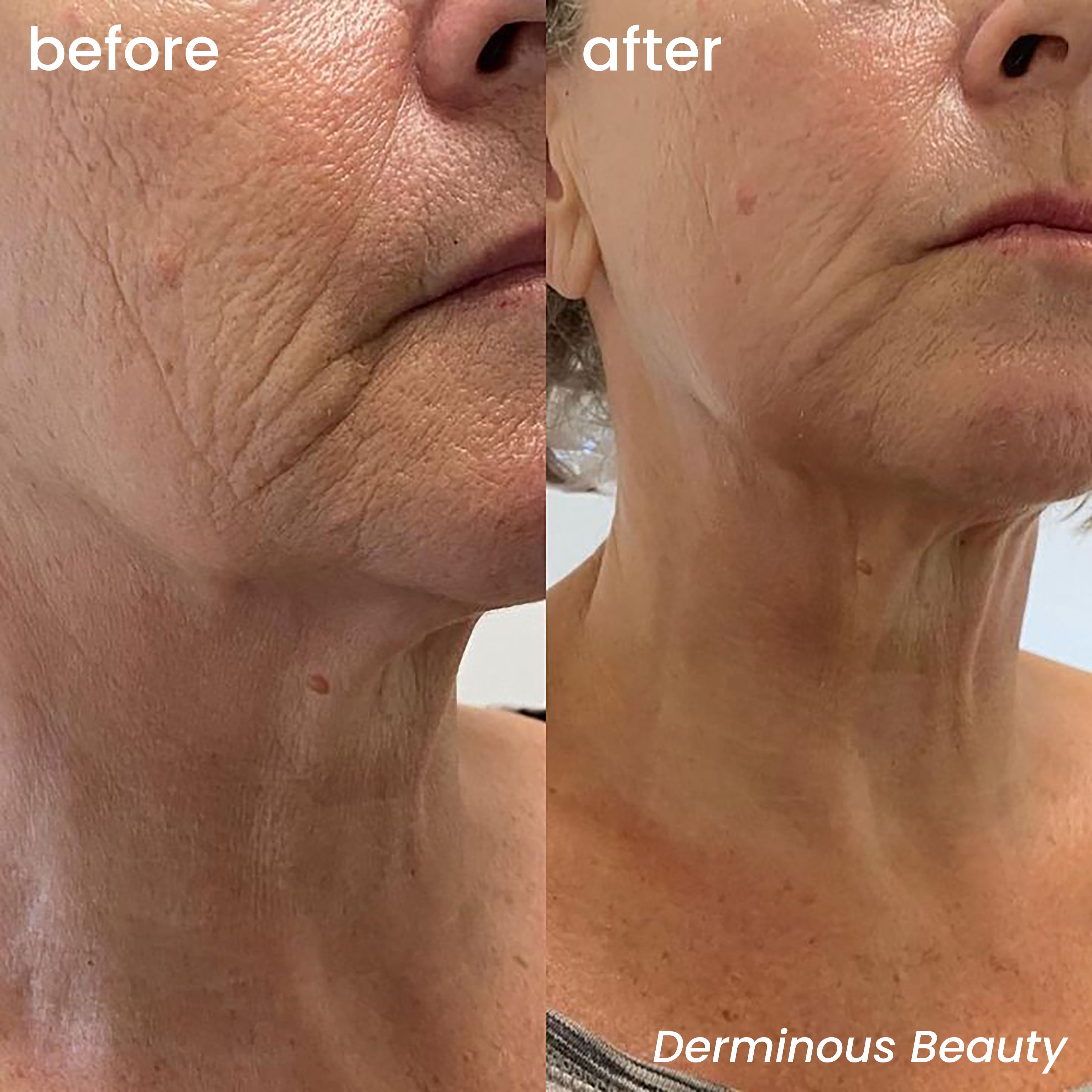
PDRN, originally developed for wound healing in medical settings, has been shown in clinical studies to accelerate tissue regeneration and reduce inflammation[3] . In a 2020 double-blind trial published in Dermatologic Surgery, participants using PDRN-based micro-infusion treatments twice monthly reported a 32% improvement in skin elasticity and a 27% reduction in wrinkle depth after 12 weeks[4] . Over time, this translates not just to smoother texture, but to a genuine restructuring of the skin’s architecture—making it thicker, more resilient, and better able to resist environmental stressors.

2. Barrier Strengthening and Reduced Sensitivity
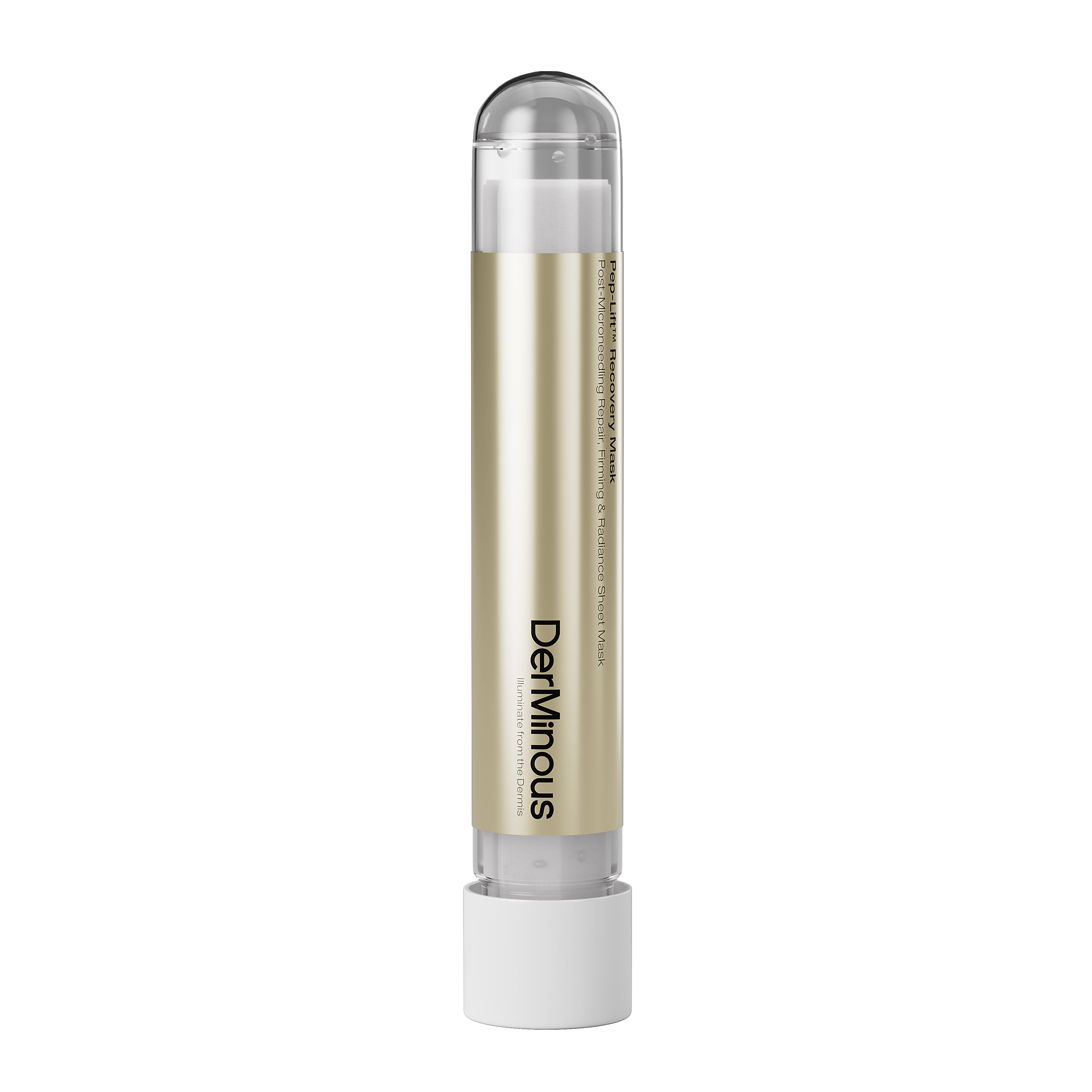
Contrary to outdated assumptions that microneedling compromises the skin barrier, modern micro-infusion systems—especially those formulated with barrier-supporting ingredients—actually reinforce epidermal integrity when used properly. The Derminous GeneLift™ system, for instance, pairs its 24K gold-coated microneedle device with a post-treatment mask rich in recombinant fibronectin, panthenol, and allantoin, all of which are proven to calm irritation and accelerate barrier recovery[5] .
Gold itself plays a dual role: beyond its aesthetic appeal, 24K gold possesses natural anti-inflammatory and antimicrobial properties, reducing the risk of post-procedure redness or infection[6] . Moreover, because the needles are precisely engineered (typically 0.2–0.3mm in length for at-home use), they create micro-injuries too shallow to disrupt the skin’s protective function but deep enough to trigger regenerative signaling.
With consistent use—recommended every two weeks—users often report not only fewer breakouts and less reactivity but also improved tolerance to other actives like retinoids or vitamin C. This “barrier training” effect is particularly valuable for those with sensitive or compromised skin, turning a once-reactive complexion into a robust, self-regulating organ.
3. Sustained Brightening and Pigmentation Control
Hyperpigmentation remains one of the top concerns among global skincare consumers, especially in regions with high UV exposure. While many brightening serums rely solely on surface-level exfoliation or tyrosinase inhibition, micro-infusion enables deeper delivery of depigmenting agents like tranexamic acid and stabilized niacinamide.
Niacinamide, a form of vitamin B3, is celebrated for its multifunctionality: it inhibits melanosome transfer from melanocytes to keratinocytes, reduces sebum oxidation, and boosts ceramide synthesis[7] . However, its efficacy is highly dependent on concentration and penetration. A 2021 study in the Journal of Cosmetic Dermatology found that transdermal delivery of 5% niacinamide via microneedling resulted in a 41% greater reduction in melasma severity compared to topical application alone after eight weeks[8] .
Derminous’ patented niacinamide formulation (patent ZL2020116206743) further enhances stability and purity, minimizing residual nicotinic acid—a common irritant in lower-grade versions. When combined with PDRN and oligopeptides, this creates a synergistic brightening cascade: calming inflammation (a key trigger for post-inflammatory hyperpigmentation), blocking pigment transfer, and accelerating cell turnover—all without hydroquinone or harsh acids.
4. Ritual, Consistency, and Psychological Empowerment
Beyond biochemical outcomes, the long-term value of micro-infusion lies in its ritualistic nature. In an era of “skintellectualism,” consumers increasingly seek routines that feel intentional, scientific, and empowering. The four-step Derminous protocol—Activate, Infuse, Soothe, Seal—transforms skincare from a chore into a self-care ceremony rooted in biotechnology.
This psychological dimension matters. A 2023 survey by McKinsey & Company found that 68% of premium skincare buyers in North America and Europe prioritize products that offer both visible results and emotional resonance—what they term “efficacy with meaning”[9] . By framing each session as a “home medspa experience,” brands like Derminous tap into the growing desire for autonomy over one’s beauty journey: no appointments, no injections, no guesswork—just consistent, science-backed care.
Moreover, adherence improves when routines are structured and rewarding. Monthly or bi-weekly usage (as recommended) builds discipline, while immediate post-treatment radiance reinforces motivation. Over 3–6 months, this consistency compounds: cumulative collagen gains, stabilized barrier function, and even skin tone become the new baseline—not fleeting effects.
Safety, Sustainability, and Smart Usage
Of course, long-term benefits hinge on proper technique. Reusing microneedle tips, skipping patch tests, or overusing the system can lead to irritation or diminished returns. Derminous addresses this by including single-use, sterile 24K gold devices and clear instructions emphasizing gentle pressure and post-care hydration.
Additionally, the brand’s commitment to clean formulations—free from alcohol, fragrance, and parabens—ensures compatibility with even the most reactive skin types. Storage guidelines (cool, dry place; refrigerate masks) further preserve ingredient potency, maximizing ROI per treatment.
Conclusion: Aging Gracefully, From the Inside Out
A consistent micro-infusion routine is not a quick fix—it’s a strategic investment in dermal longevity. By combining cutting-edge delivery technology with clinically validated actives, systems like Derminous GeneLift™ bridge the gap between dermatology and daily life. The result? Skin that doesn’t just look younger, but functions younger: stronger, brighter, and more resilient with every passing month.
As biotech continues to democratize advanced skincare, the future belongs to those who treat their skin not as a canvas to conceal, but as a living ecosystem to nurture. With science as your guide and consistency as your ally, true transformation is not only possible—it’s inevitable.
Footnotes
-
“Transdermal Drug Delivery: Principles and Applications.” National Center for Biotechnology Information (NCBI). https://www.ncbi.nlm.nih.gov/books/NBK557520/↩
-
“Collagen Loss with Age.” International Journal of Molecular Sciences, 2021. https://www.mdpi.com/1422-0067/22/11/5873↩
-
“PDRN in Wound Healing and Skin Regeneration.” Wiley Online Library – Journal of Tissue Engineering and Regenerative Medicine. https://onlinelibrary.wiley.com/doi/abs/10.1002/term.2987↩
-
Lee, H.J., et al. “Efficacy of PDRN-Based Microinfusion for Facial Rejuvenation.” Dermatologic Surgery, Vol. 46, No. 5, 2020. https://journals.lww.com/dermatologicsurgery/Abstract/2020/05000/Efficacy_of_PDRN_Based_Microinfusion_for_Facial.10.aspx↩
-
“Role of Panthenol and Allantoin in Skin Barrier Repair.” Cosmetics Journal, MDPI. https://www.mdpi.com/2079-9284/8/2/35↩
-
“Therapeutic Properties of Gold Nanoparticles in Dermatology.” Nanomedicine: Nanotechnology, Biology and Medicine. https://www.sciencedirect.com/science/article/abs/pii/S154996341830221X↩
-
Draelos, Z.D. “Niacinamide: A Multifunctional Ingredient for Skin Health.” Journal of Cosmetic Dermatology, 2020. https://onlinelibrary.wiley.com/doi/10.1111/jocd.13455↩
-
Kim, S.Y., et al. “Enhanced Efficacy of Niacinamide via Microneedling in Melasma Treatment.” Journal of Cosmetic Dermatology, 2021. https://onlinelibrary.wiley.com/doi/10.1111/jocd.14210↩
-
“The State of Beauty and Skincare in 2023.” McKinsey & Company. https://www.mckinsey.com/industries/retail/our-insights/the-state-of-beauty-and-skincare-in-2023↩