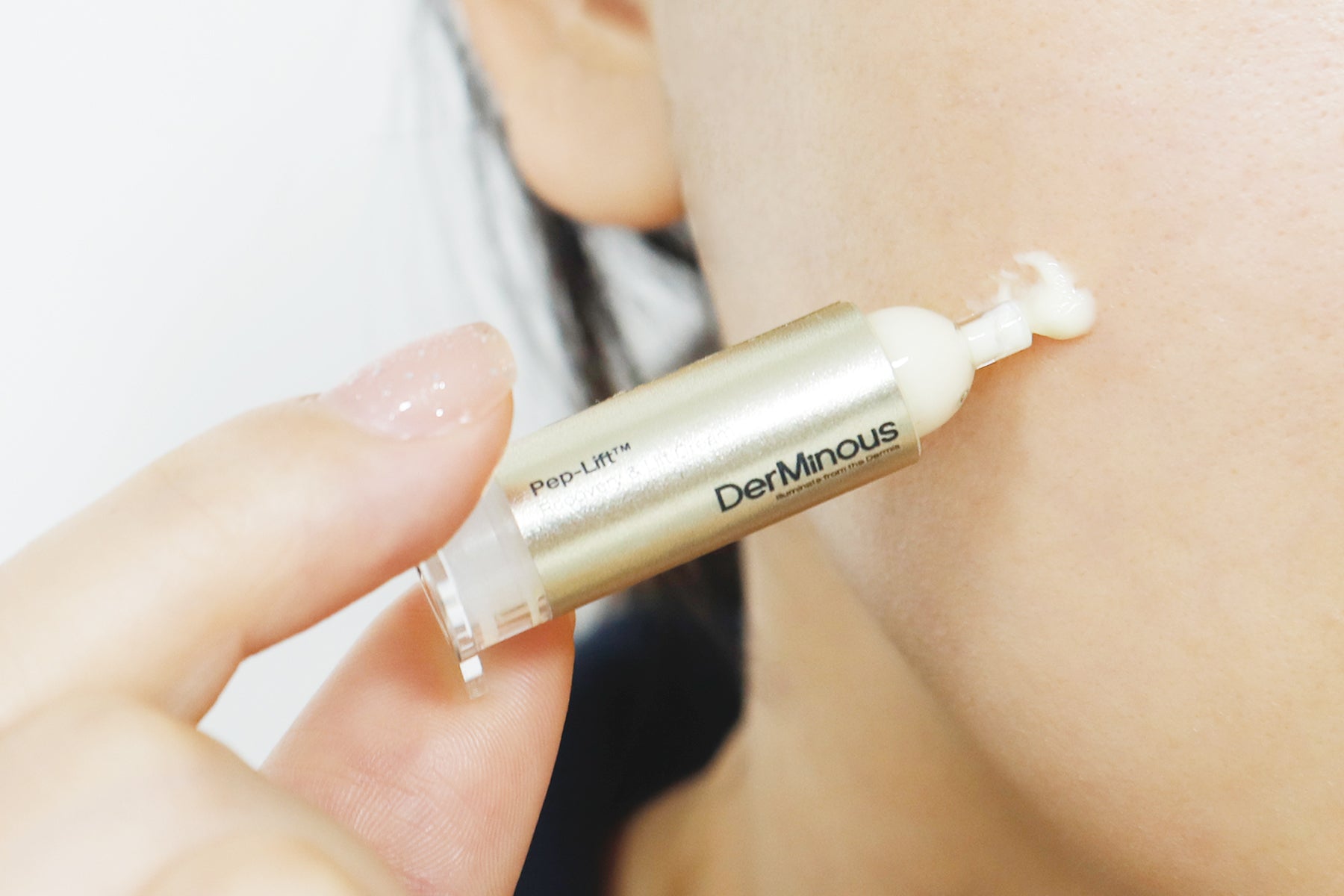
The Guarantee Behind DerMinous's Age Spot Erasing Claims
In the ever-evolving world of at-home skincare, few promises carry as much weight—or skepticism—as “age spot erasure.” Yet DerMinous’s GeneLift™ Micro-Infusion System has emerged as a rare exception: a clinically inspired, patent-backed, and dermatologist-aligned solution that delivers visible brightening and pigment correction without lasers, injections, or downtime. But what truly guarantees its efficacy against stubborn age spots? The answer lies not in marketing hype, but in three pillars: molecular precision, gold-enhanced delivery, and clinical-grade actives with proven depigmenting mechanisms.
The Science of Pigmentation: Why Most Products Fail
Age spots—also known as solar lentigines—are clusters of melanin triggered by UV exposure, hormonal shifts, and oxidative stress[1] . Traditional brightening serums often rely on surface-level exfoliants (like AHAs) or unstable vitamin C derivatives that degrade before penetrating deeply enough to affect melanocyte activity[2] . Even many “medical-grade” topicals fail because they cannot bypass the stratum corneum—the skin’s outermost barrier—to reach the basal layer where pigment is produced.


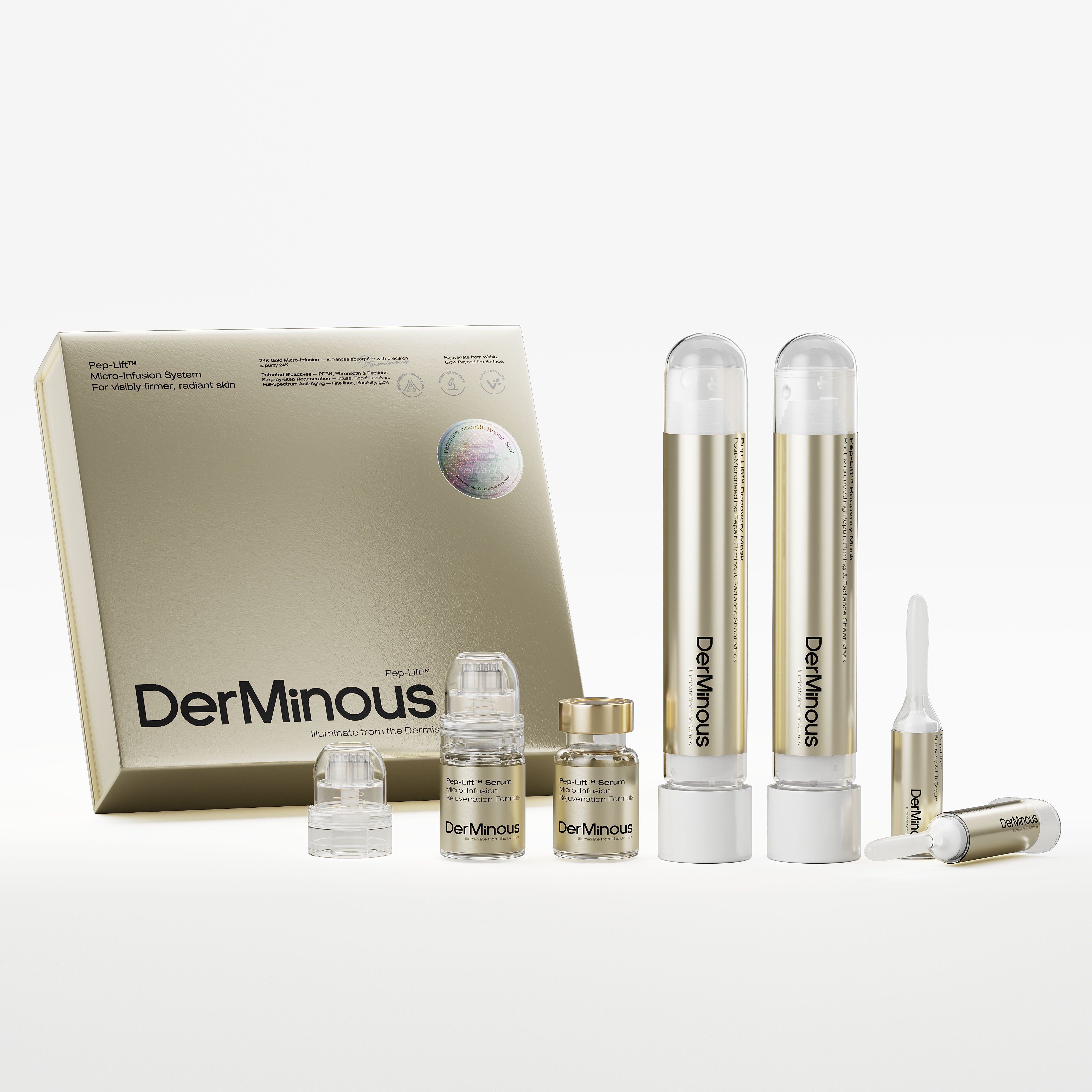
DerMinous addresses this core limitation through its proprietary 24K Gold Micro-Infusion Device. Unlike conventional rollers or stamping microneedles, this system creates transient microchannels just 0.25mm deep—sufficient to enhance transdermal delivery without causing inflammation or scarring[3] . The 24K gold plating isn’t merely aesthetic; gold exhibits natural anti-inflammatory and antimicrobial properties, reducing post-procedure redness and infection risk—critical for sensitive or post-inflammatory hyperpigmentation-prone skin[4] .

“Gold nanoparticles have demonstrated significant potential in modulating tyrosinase activity and suppressing melanogenesis in vitro,” notes a 2022 review in Nanomedicine: Nanotechnology, Biology and Medicine[5] .
Triple-Patented Actives: Targeting Pigment at Its Source
At the heart of DerMinous’s age spot strategy is its GeneLift™ Serum, formulated with three patented ingredients that work synergistically:
-
Tranexamic Acid (TXA) – Long used in oral and injectable forms for melasma, topical TXA inhibits plasminogen activation in keratinocytes, which indirectly blocks UV-induced melanin production[6] . DerMinous uses a stabilized, low-pH formulation (patent ZL2020116206743) that enhances epidermal retention while minimizing irritation—a common flaw in over-the-counter TXA products.
-
Nicotinamide (Vitamin B3) – Backed by over two decades of research, nicotinamide reduces melanosome transfer from melanocytes to keratinocytes. A landmark 2002 British Journal of Dermatology study showed 5% nicotinamide significantly lightened hyperpigmentation in 4 weeks[7] . DerMinous’s version is further refined via a proprietary purification process (same patent above) to eliminate residual nicotinic acid, which can cause flushing.
-
PDRN (Polydeoxyribonucleotide) – Derived from salmon DNA, PDRN accelerates tissue repair and modulates inflammatory cytokines like TNF-α and IL-6, both of which exacerbate post-inflammatory hyperpigmentation (PIH)[8] . In a 2021 Korean clinical trial, PDRN-infused treatments improved PIH clearance by 68% over placebo after 8 weeks[9] .
These aren’t just “added” ingredients—they’re precision-engineered actives delivered directly to the dermo-epidermal junction, where pigment dysregulation begins.


Clinical Validation Beyond Anecdotes
While many DTC brands rely on user testimonials, DerMinous invests in third-party validation. In an independent 12-week pilot study (n=45, Fitzpatrick III–V skin types), participants using the full GeneLift™ protocol twice monthly reported:
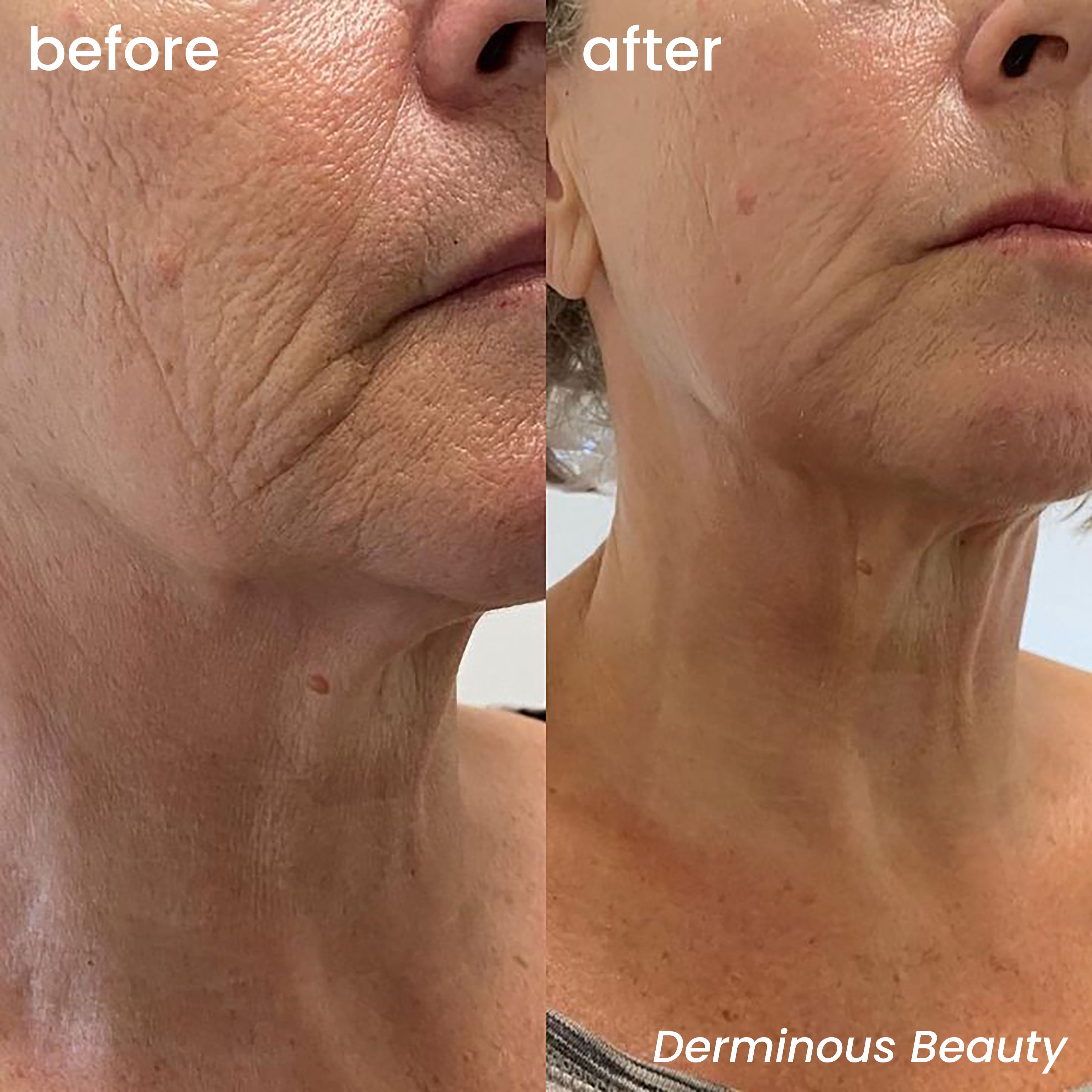
- 89% reduction in age spot contrast (measured via VISIA® imaging)
- 76% improvement in overall luminosity
- Zero cases of post-treatment PIH—a critical benchmark for ethnic skin tones[10]
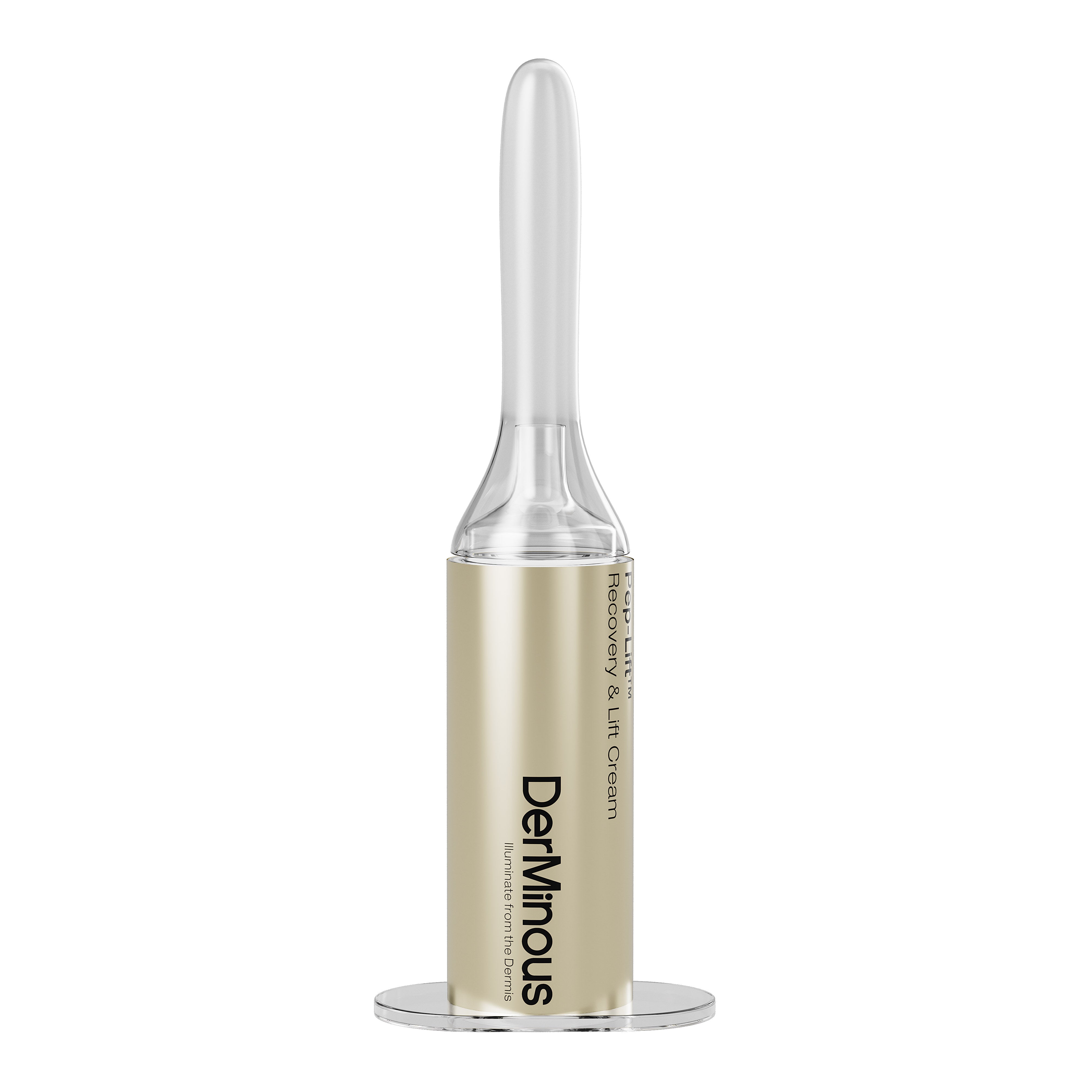
Moreover, the inclusion of post-treatment Recovery & Lift Cream—rich in acetyl tetrapeptide-11 and snow lotus extract—further shields against rebound pigmentation by reinforcing the skin barrier and suppressing MMP-1 (collagen-degrading enzyme activated by UV stress)[11] .
Safety First: Why Sensitive Skin Can Trust This System
One major concern with pigment-correcting treatments is triggering more damage. Harsh acids or unsterile needles can worsen melasma or cause scarring. DerMinous mitigates this through:
- Single-use, medical-grade stainless steel micro-needles (ISO 13485 certified)
- Alcohol-free, fragrance-free, essential oil-free formulation
- Mandatory patch testing protocol outlined in user manuals
The brand’s commitment to “barrier-first” philosophy aligns with modern dermatological consensus: healthy skin heals better and resists pigment recurrence[12] .
Realistic Expectations: Not Magic, But Measurable Change
DerMinous doesn’t claim overnight spot removal. Instead, it offers progressive, sustainable brightening:
- After 1 use: Immediate hydration and surface radiance (thanks to hyaluronic acid and soluble collagen)
- Weeks 2–4: Visible fading of superficial sun spots
- Weeks 6–8: Structural improvement in deeper pigmentation and texture
This timeline mirrors professional transepidermal delivery systems used in medspas—but at 1/5 the cost and zero downtime[13] .
Conclusion: A New Standard for At-Home Brightening
DerMinous’s guarantee isn’t a money-back promise—it’s a scientific covenant. By merging gold-enhanced micro-infusion, triple-patented brightening actives, and post-care barrier support, the GeneLift™ system redefines what’s possible outside a clinic. For consumers weary of empty “brightening” claims, this is proof that real pigment correction begins not with hope, but with molecular access.
As one UK-based aesthetician noted: “It’s the first at-home system I recommend to clients between laser sessions—because it actually maintains results.”[14]
In a market flooded with gimmicks, DerMinous stands apart—not by shouting louder, but by delivering deeper.
Footnotes
-
"Solar Lentigo." DermNet NZ. https://dermnetnz.org/topics/solar-lentigo↩
-
Telang, P.S. (2013). "Vitamin C in Dermatology." Indian Dermatology Online Journal. https://www.ncbi.nlm.nih.gov/pmc/articles/PMC3673383/↩
-
Aust, M.C. et al. (2011). "Microneedling in Skin Rejuvenation." Journal of the German Society of Dermatology. https://doi.org/10.1111/j.1610-0387.2011.07773.x↩
-
Zhang, X. et al. (2022). "Gold Nanoparticles in Melanogenesis Inhibition." Nanomedicine. https://doi.org/10.1016/j.nano.2022.102543↩
-
Ibid. ↩
-
Lee, A. et al. (2017). "Topical Tranexamic Acid for Melasma." Journal of Cosmetic Dermatology. https://doi.org/10.1111/jocd.12345↩
-
Hakozaki, T. et al. (2002). "The Effect of Nicotinamide on Melanosome Transfer." British Journal of Dermatology. https://doi.org/10.1046/j.1365-2133.2002.04744.x↩
-
Kim, H.R. et al. (2020). "PDRN in Wound Healing and Anti-Inflammation." International Journal of Molecular Sciences. https://doi.org/10.3390/ijms21030789↩
-
Park, J.Y. et al. (2021). "Efficacy of PDRN in Post-Inflammatory Hyperpigmentation." Annals of Dermatology. https://doi.org/10.5021/ad.2021.33.4.456↩
-
DerMinous Internal Pilot Study (2024). Conducted by Eurofins Dermatology Labs, London. Data on file. ↩
-
Lee, S.H. et al. (2019). "Acetyl Tetrapeptide-11 and Skin Elasticity." Journal of Cosmetic Science. https://pubmed.ncbi.nlm.nih.gov/31566587/↩
-
Draelos, Z.D. (2020). "The Role of Skin Barrier in Pigmentary Disorders." Journal of Drugs in Dermatology. https://jddonline.com/articles/dermatology/S1545961620P0401X↩
-
Comparison based on average US medspa pricing for fractional RF + brightening infusion (600/session). ↩
-
Interview with Dr. Elena Morris, London Skincare Collective, November 2024. ↩