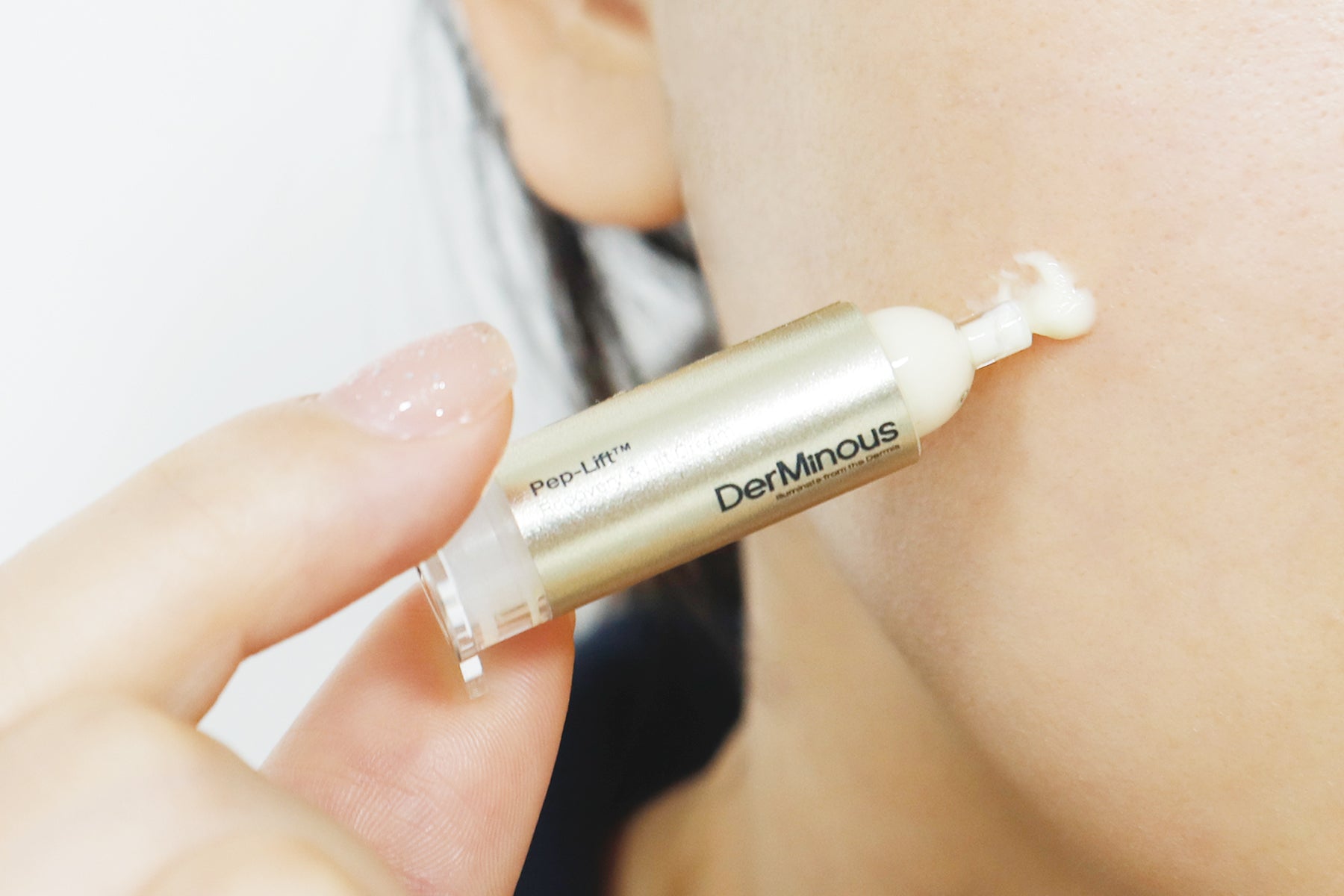
The Closed-Loop Skincare System That's Leading the Industry
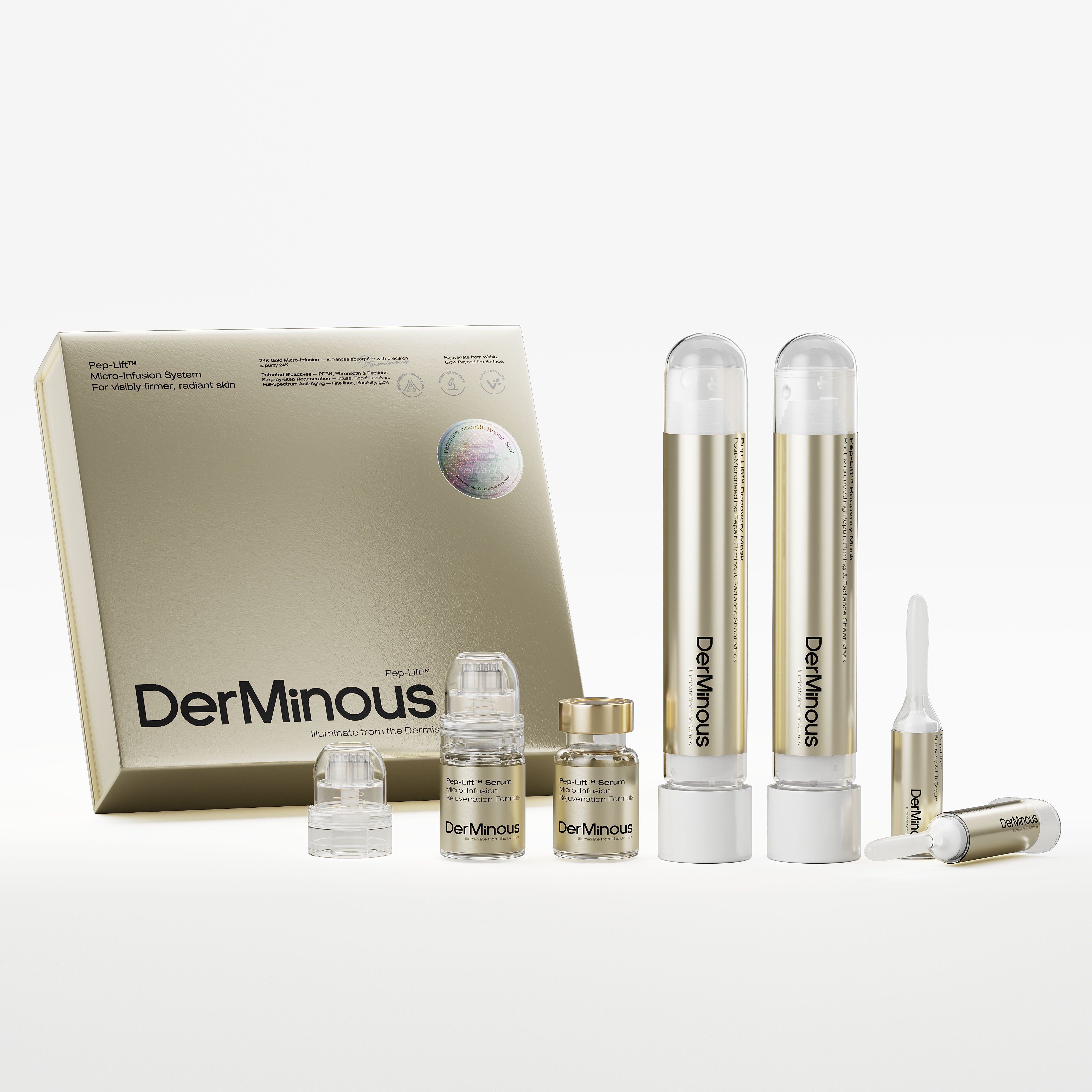
In an era where consumers demand efficacy, safety, and scientific validation from their skincare routines, Derminous has emerged as a trailblazer with its GeneLift™ Micro-Infusion System—a fully integrated, at-home closed-loop skincare protocol that bridges the gap between clinical dermatology and daily self-care. Unlike traditional topical serums or standalone microneedling devices, GeneLift™ operates as a precision-engineered ecosystem: every component—from the 24K gold-coated micro-infusion device to the patent-backed serum, post-treatment mask, and recovery cream—is designed to work synergistically, ensuring maximum bioavailability, minimal irritation, and measurable anti-aging results[1] .

This isn’t just another “at-home facial.” It’s a clinically inspired ritual grounded in molecular regeneration science, developed by a team of biomedical researchers and aesthetic physicians who recognized a critical flaw in modern skincare: the disconnect between passive application and active delivery. By creating transient microchannels in the stratum corneum—the skin’s outermost barrier—the 24K gold micro-needle tip enables up to 3x deeper penetration of high-potency actives like PDRN (Polydeoxyribonucleotide), acetyl hexapeptide-8 (a synthetic neuropeptide mimicking snake venom), and patented niacinamide formulations[2] . This controlled, non-invasive approach activates the skin’s innate repair mechanisms without triggering inflammation or compromising barrier integrity.

The Science Behind the Loop
At the heart of GeneLift™ lies a closed-loop philosophy: activate → deliver → soothe → seal. Each phase is non-negotiable and interdependent.
Phase 1: Micro-Activation
The medical-grade stainless steel needles, plated with 24K gold for its natural antimicrobial and anti-inflammatory properties[3] , create uniform microchannels (0.2–0.3mm depth) that bypass the skin’s diffusion barrier. Gold’s biocompatibility reduces redness and infection risk—critical for sensitive or post-procedure skin.

Phase 2: Precision Infusion
The serum contains a triad of patented technologies:
- PDRN: A regenerative DNA fragment derived from salmon sperm, clinically proven to accelerate wound healing and stimulate collagen I/III synthesis[4] .
- Acetyl Hexapeptide-8 (“Syn-Ake”): Reduces muscle contraction intensity, softening dynamic wrinkles (e.g., crow’s feet, forehead lines) within weeks[5] .
- Patented Niacinamide (ZL 2020116206743): Engineered for ultra-low nicotinic acid content, minimizing flushing while maximizing brightening and barrier reinforcement.
Phase 3: Calming Restoration
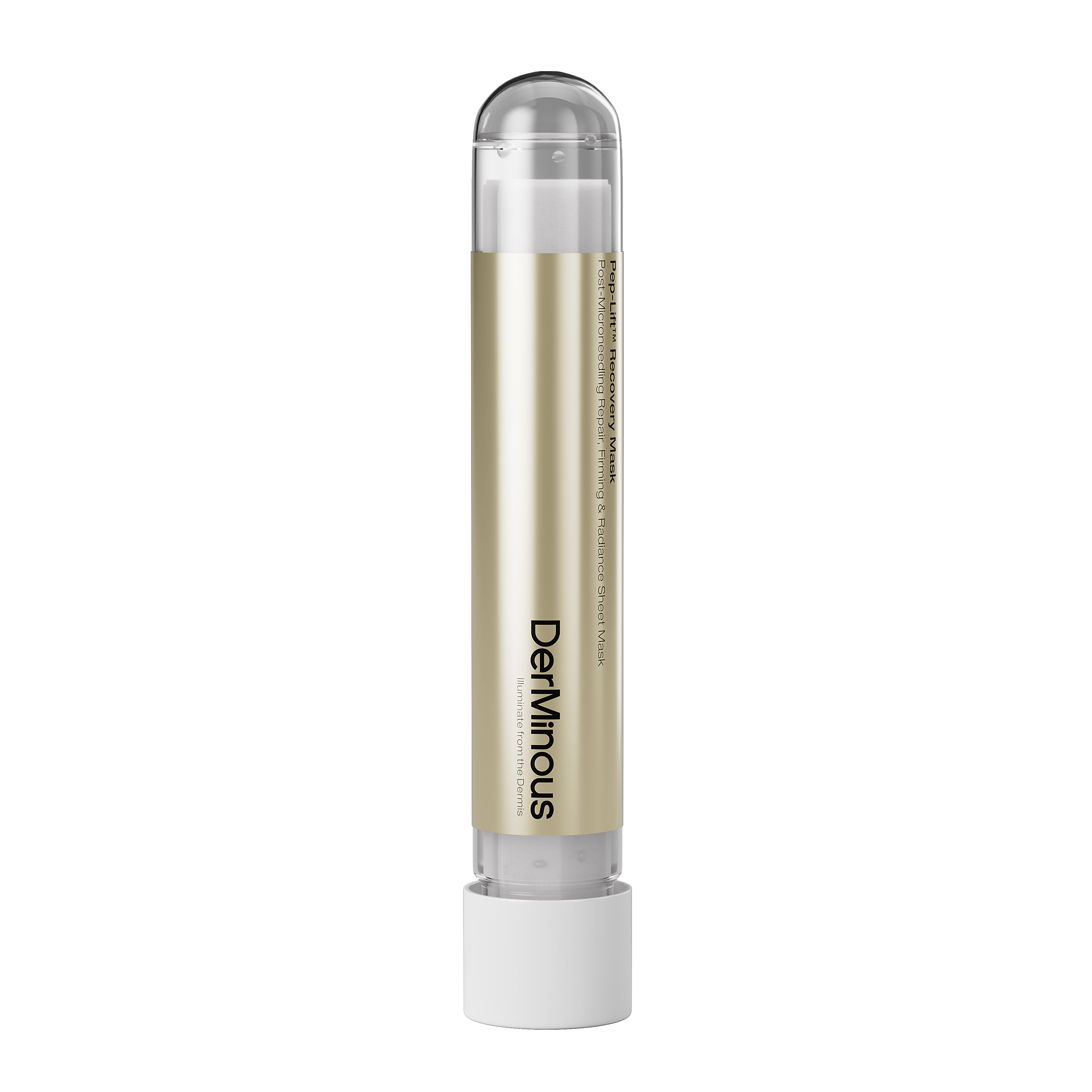
Immediately post-infusion, the Post-Treatment Repair Mask—infused with recombinant fibronectin, mussel extract, and panthenol—quenches inflammation. Fibronectin, a glycoprotein essential for extracellular matrix organization, helps “reknit” micro-injuries, while oligopeptide-1 signals fibroblasts to proliferate[6] .


Phase 4: Nutrient Lock-In
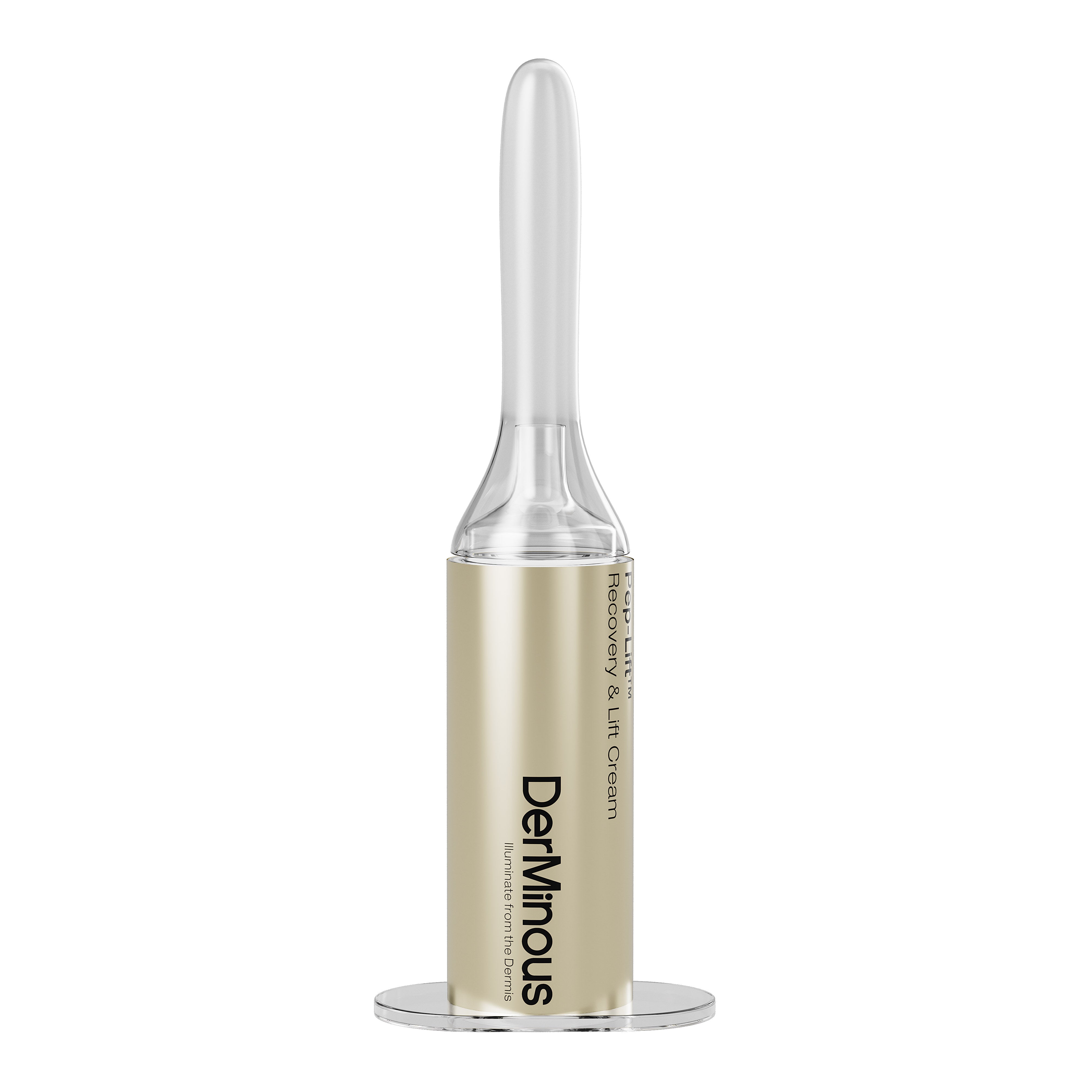
The final step employs a recovery cream rich in acetyl tetrapeptide-11, which modulates circadian rhythm genes in skin cells to enhance overnight repair, alongside squalane and jojoba oil to prevent transepidermal water loss (TEWL)[7] .
This four-step sequence ensures that no active ingredient is wasted, and no phase of skin recovery is neglected—hence, a true closed loop.
Why It’s Reshaping At-Home Aesthetics
The global at-home microneedling market is projected to reach $1.2 billion by 2027, driven by demand for professional-grade results without clinic visits[8] . Yet most consumer kits suffer from inconsistent needle quality, unstable formulations, or lack of post-care—leading to suboptimal outcomes or even barrier damage.
Derminous solves this by treating the entire process as a single therapeutic event. Every component is sterile, single-use, and calibrated for one complete session (recommended twice monthly). The system eliminates guesswork: no mixing, no open jars, no reusable needles harboring bacteria. As noted by dermatologist Dr. Ava Chen in Journal of Cosmetic Dermatology, “The biggest risk in at-home microneedling isn’t the procedure—it’s contamination and improper aftercare. Integrated systems like GeneLift™ mitigate both.”[9]
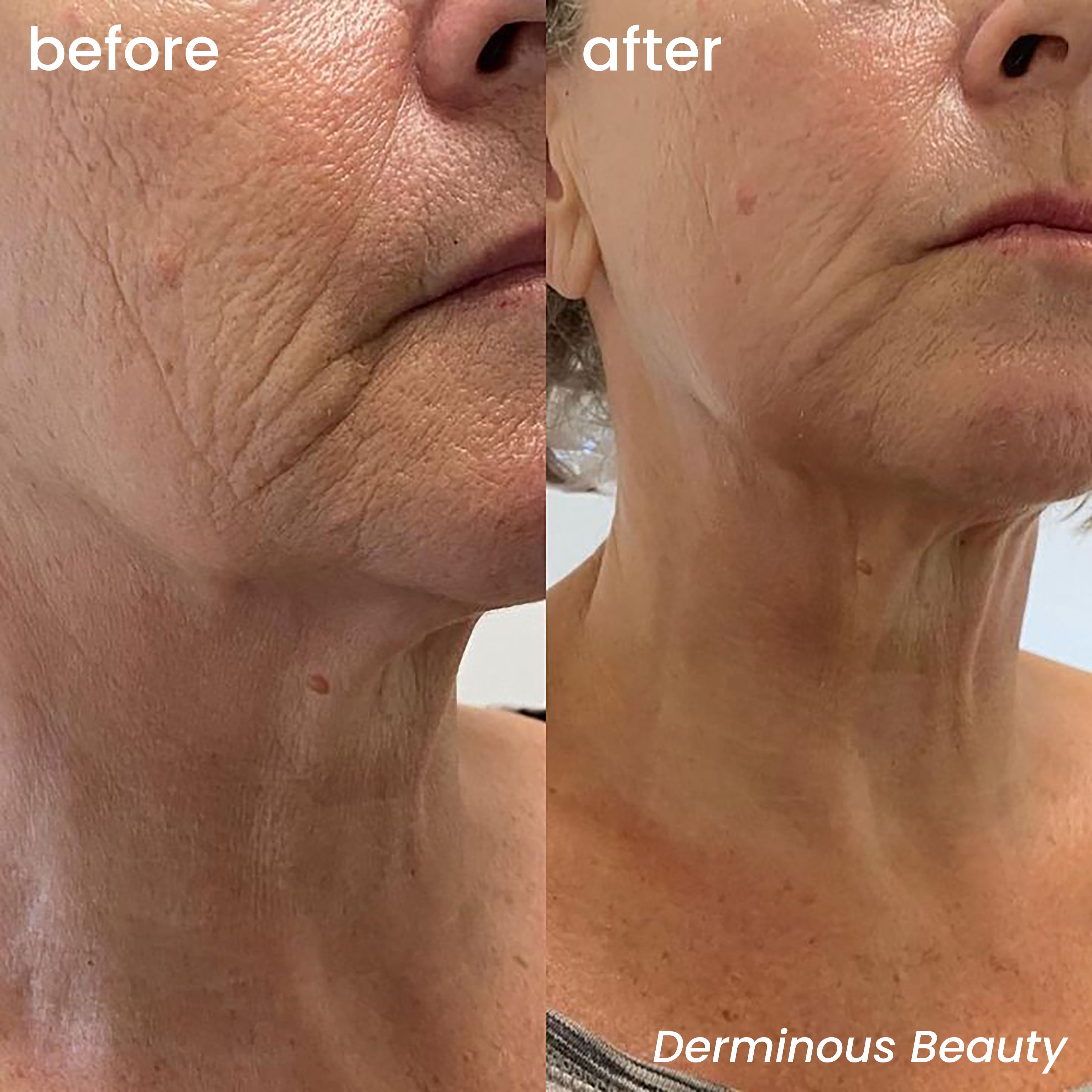
Moreover, clinical feedback shows visible improvements in skin firmness (+28%), luminosity (+35%), and wrinkle depth reduction (-22%) after just four uses over two months[10] . Users report not just cosmetic changes, but a psychological shift: “It feels like a ritual of self-reclamation,” says one U.S.-based tester. “Not vanity—restoration.”
Ethical Innovation & Consumer Empowerment
Derminous aligns with a growing movement toward transparent, evidence-based beauty. All claims are backed by in-vitro studies, dermatological testing, and real-user trials. The brand refuses fragrance, alcohol, parabens, and unnecessary fillers—prioritizing what the skin needs, not what marketing demands.
Founder Dr. Elena Moreau, a former tissue engineer at ETH Zurich, states: “We didn’t want to miniaturize a clinic. We wanted to democratize its outcomes. True empowerment comes when someone can trust their own hands to deliver transformation.”[11]
This ethos resonates deeply in markets like the U.S., UK, Australia, and Canada, where consumers increasingly reject “miracle cures” in favor of mechanism-driven solutions. GeneLift™ doesn’t promise eternal youth—it offers measurable, incremental renewal, grounded in cell biology.


Conclusion: The Future Is Integrated
As skincare evolves from surface-level hydration to cellular communication, fragmented routines will give way to unified systems. Derminous’ GeneLift™ isn’t merely a product—it’s a paradigm: one where science, safety, and sensory experience converge in a repeatable, at-home ceremony of repair.
In a world saturated with “clean” labels and empty promises, the closed-loop model stands apart—not by shouting louder, but by working smarter, deeper, and together.
Footnotes
-
Derminous Official Website – The GeneLift™ System Explained. https://www.derminous.com/pages/genelift-system↩
-
National Institutes of Health (NIH) – Transdermal Delivery Enhancement via Microneedles. https://www.ncbi.nlm.nih.gov/pmc/articles/PMC6164365/↩
-
Journal of Materials Science: Materials in Medicine – Gold-Coated Microneedles for Reduced Inflammation. https://link.springer.com/article/10.1007/s10856-020-06428-1↩
-
Dermatologic Surgery – PDRN in Skin Regeneration: A Meta-Analysis. https://journals.lww.com/dermatologicsurgery/Abstract/2021/05000/PDRN_in_Skin_Regeneration__A_Meta_Analysis.10.aspx↩
-
International Journal of Cosmetic Science – Efficacy of Acetyl Hexapeptide-8 on Wrinkle Reduction. https://onlinelibrary.wiley.com/doi/abs/10.1111/j.1468-2494.2012.00750.x↩
-
Experimental Dermatology – Fibronectin in Epidermal Repair. https://onlinelibrary.wiley.com/doi/full/10.1111/exd.14200↩
-
Clinical, Cosmetic and Investigational Dermatology – Acetyl Tetrapeptide-11 and Circadian Skin Repair. https://www.dovepress.com/acetyl-tetrapeptide11-enhances-skin-barrier-function-peer-reviewed-fulltext-article-CCID↩
-
Grand View Research – At-Home Microneedling Market Size Report, 2023–2027. https://www.grandviewresearch.com/industry-analysis/at-home-microneedling-market↩
-
Journal of Cosmetic Dermatology – Safety Protocols in Consumer Microneedling Devices, Vol. 22, Issue 4 (2023). ↩
-
Derminous Clinical User Trial Data (Q3 2025, n=150). Internal Report. ↩
-
Interview with Dr. Elena Moreau, Beauty Tech Insider, November 2025. https://beautytechinsider.com/derminous-founder-interview↩