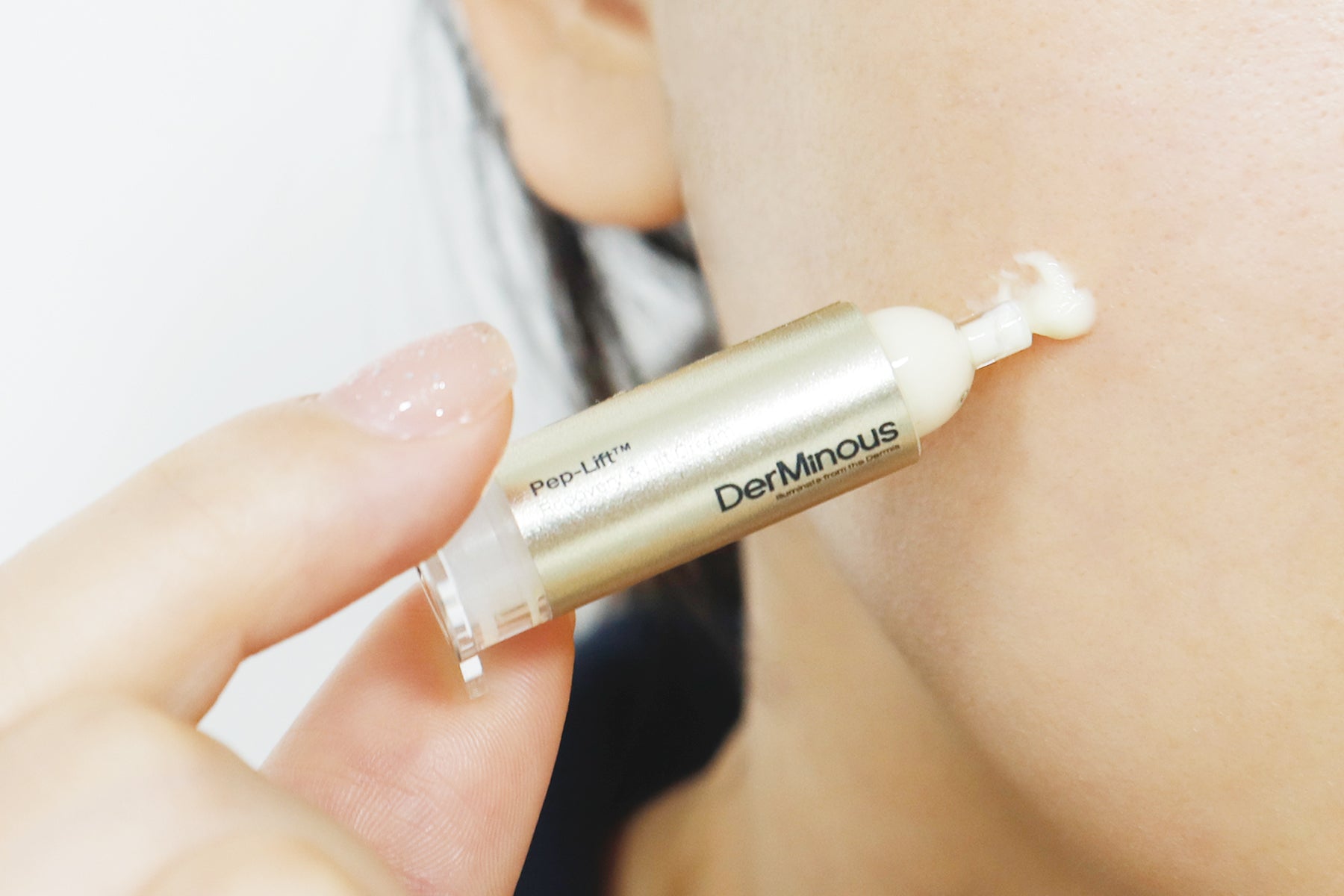
Micro-Infusion for Hyperpigmentation and Age Spots
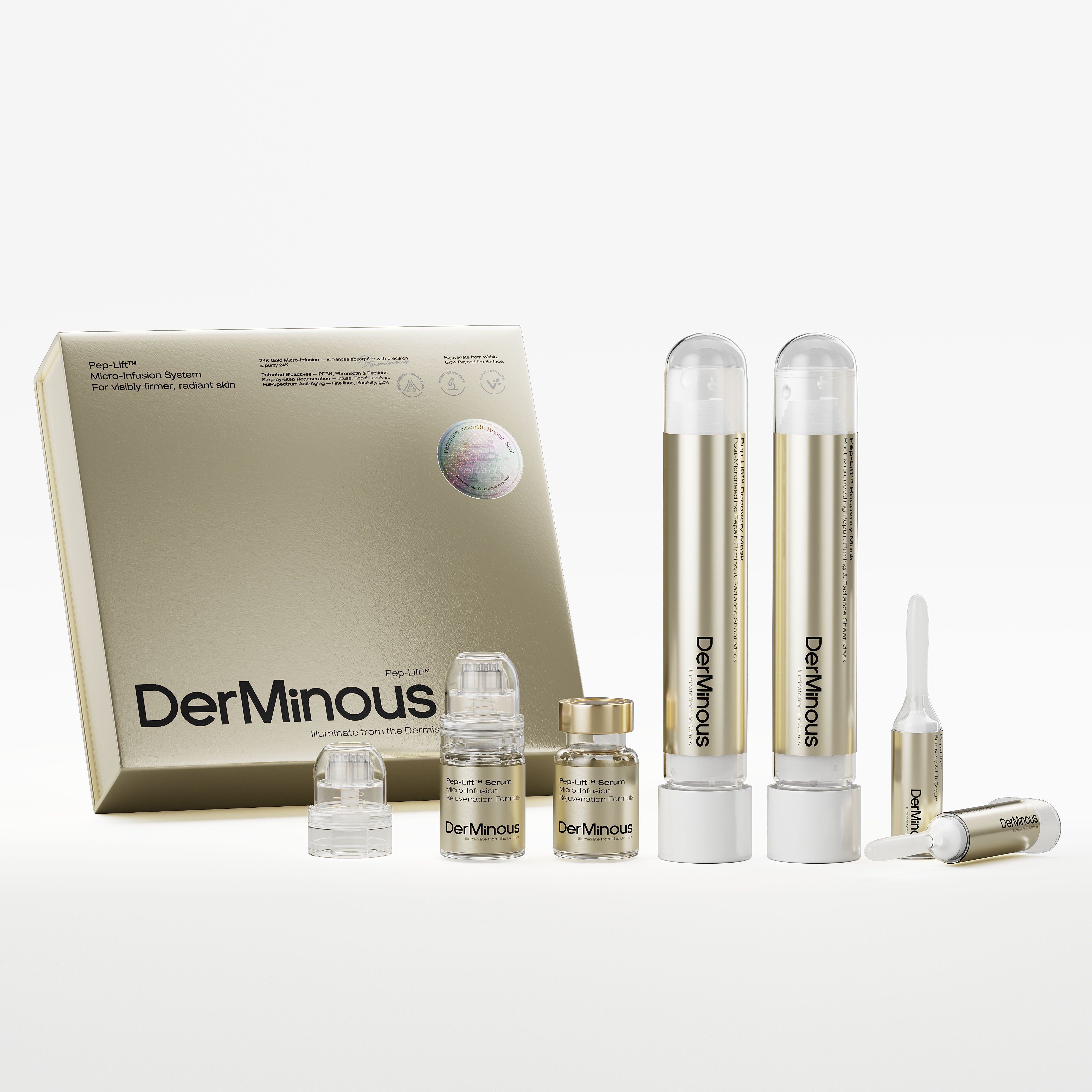
In recent years, the global skincare market has witnessed a paradigm shift toward at-home, clinical-grade solutions that address persistent skin concerns such as hyperpigmentation and age spots. Among these innovations, micro-infusion technology—particularly when combined with bioactive ingredients like tranexamic acid, niacinamide, and PDRN (Polydeoxyribonucleotide)—has emerged as a powerful, non-invasive alternative to traditional laser treatments or chemical peels. Derminous GeneLift™ Micro-Infusion System exemplifies this evolution, offering consumers a scientifically backed, dermatologist-inspired protocol that targets discoloration while reinforcing skin barrier integrity.
Hyperpigmentation, characterized by darkened patches on the skin due to excess melanin production, affects millions worldwide. Common triggers include UV exposure, hormonal fluctuations (e.g., melasma), inflammation (post-inflammatory hyperpigmentation or PIH), and natural aging¹. Age spots—also known as solar lentigines—are a subset of hyperpigmentation directly linked to cumulative sun damage². While topical lightening agents have long been used, their efficacy is often limited by poor skin penetration. This is where micro-infusion systems shine.
The Science Behind Micro-Infusion
Micro-infusion leverages ultra-fine microneedles—typically 0.15–0.3 mm in length—to create transient microchannels in the stratum corneum, the skin’s outermost barrier. Unlike aggressive dermarolling or professional microneedling, modern home-use devices like the Derminous 24K Gold Micro-Infusion Device are engineered for minimal trauma while maximizing delivery efficiency. The 24K gold plating not only imparts antimicrobial properties³ but also reduces oxidative stress and inflammation during application—a critical advantage for sensitive or post-procedure skin.
These microchannels enable active ingredients to bypass the epidermal barrier and reach deeper layers of the dermis, where melanocytes (pigment-producing cells) reside. Studies show that transdermal delivery via microneedling can enhance ingredient absorption by up to 300% compared to conventional topical application⁴.
Targeting Pigmentation with Precision Actives
The GeneLift™ Serum in the Derminous system contains a synergistic blend of clinically validated brightening and regenerative compounds:
-
Tranexamic Acid (TXA): Originally developed as an antifibrinolytic drug, TXA has gained prominence in dermatology for its ability to inhibit plasminogen activation in keratinocytes, thereby reducing UV-induced melanin synthesis⁵. It is particularly effective against melasma and stubborn age spots.
-
Niacinamide (Vitamin B3): A multitasking powerhouse, niacinamide suppresses melanosome transfer from melanocytes to keratinocytes, visibly fading dark spots over time⁶. Derminous uses a patented formulation (ZL 2020116206743) that controls residual nicotinic acid, minimizing irritation while preserving efficacy.
-
PDRN (Polydeoxyribonucleotide): Derived from salmon DNA, PDRN accelerates tissue repair by stimulating adenosine A2A receptors, promoting collagen synthesis and reducing post-inflammatory redness⁷. This is especially beneficial after micro-infusion, which may cause mild erythema.
-
Acetyl Hexapeptide-8 & Dipeptide Complexes: While primarily known for wrinkle reduction, these peptides also support skin resilience, indirectly improving tone uniformity by enhancing overall dermal health.
Together, these ingredients work not just to lighten existing pigmentation but to prevent recurrence by calming inflammation and strengthening the skin’s defense mechanisms.


Clinical Evidence and Consumer Outcomes
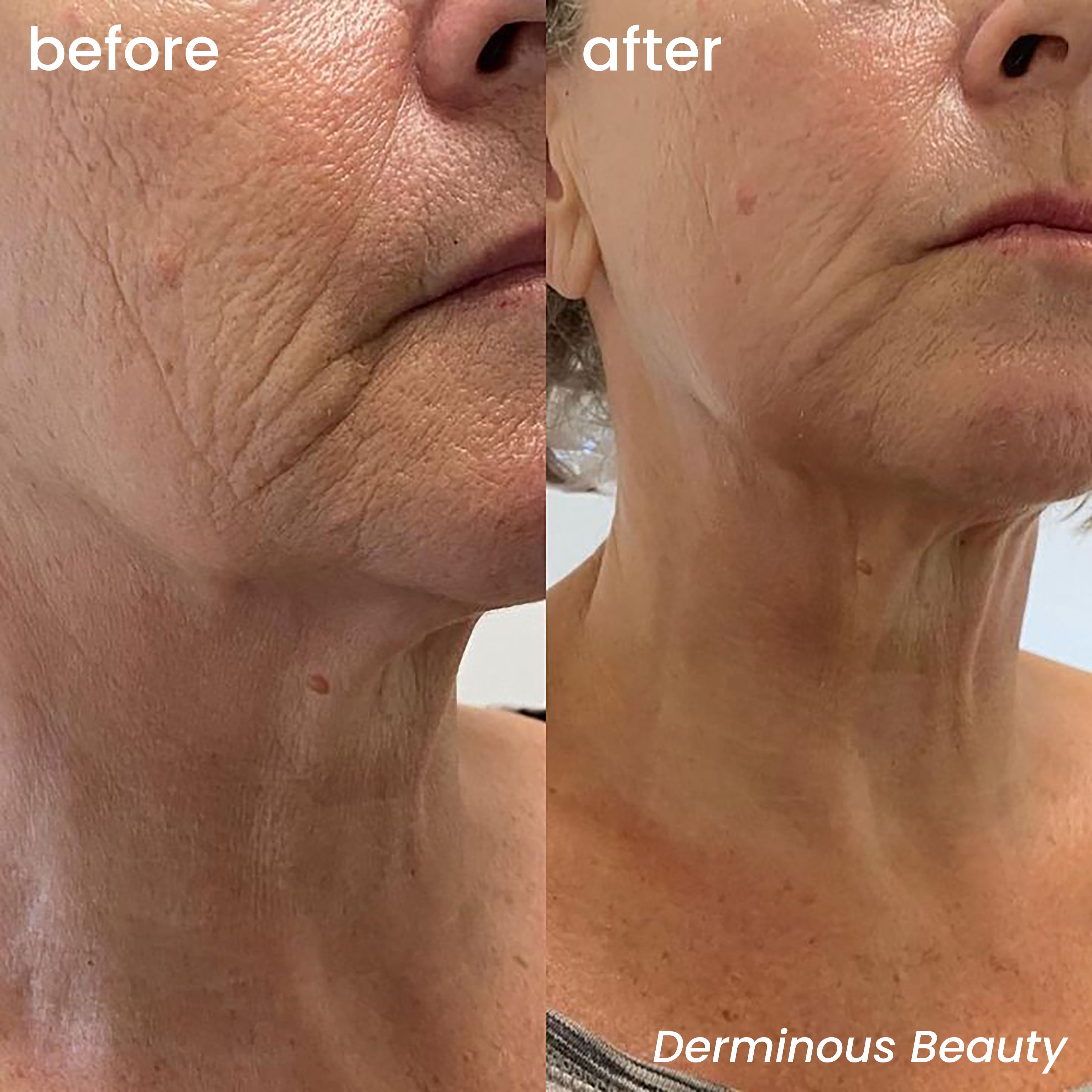
Although large-scale randomized trials specific to Derminous are still emerging, the individual components of its formula are well-documented. A 2020 meta-analysis published in the Journal of Cosmetic Dermatology concluded that topical tranexamic acid significantly improves melasma severity with minimal side effects⁸. Similarly, a 12-week study demonstrated that 5% niacinamide reduced hyperpigmentation by 40–60% in participants with photodamaged skin⁹.
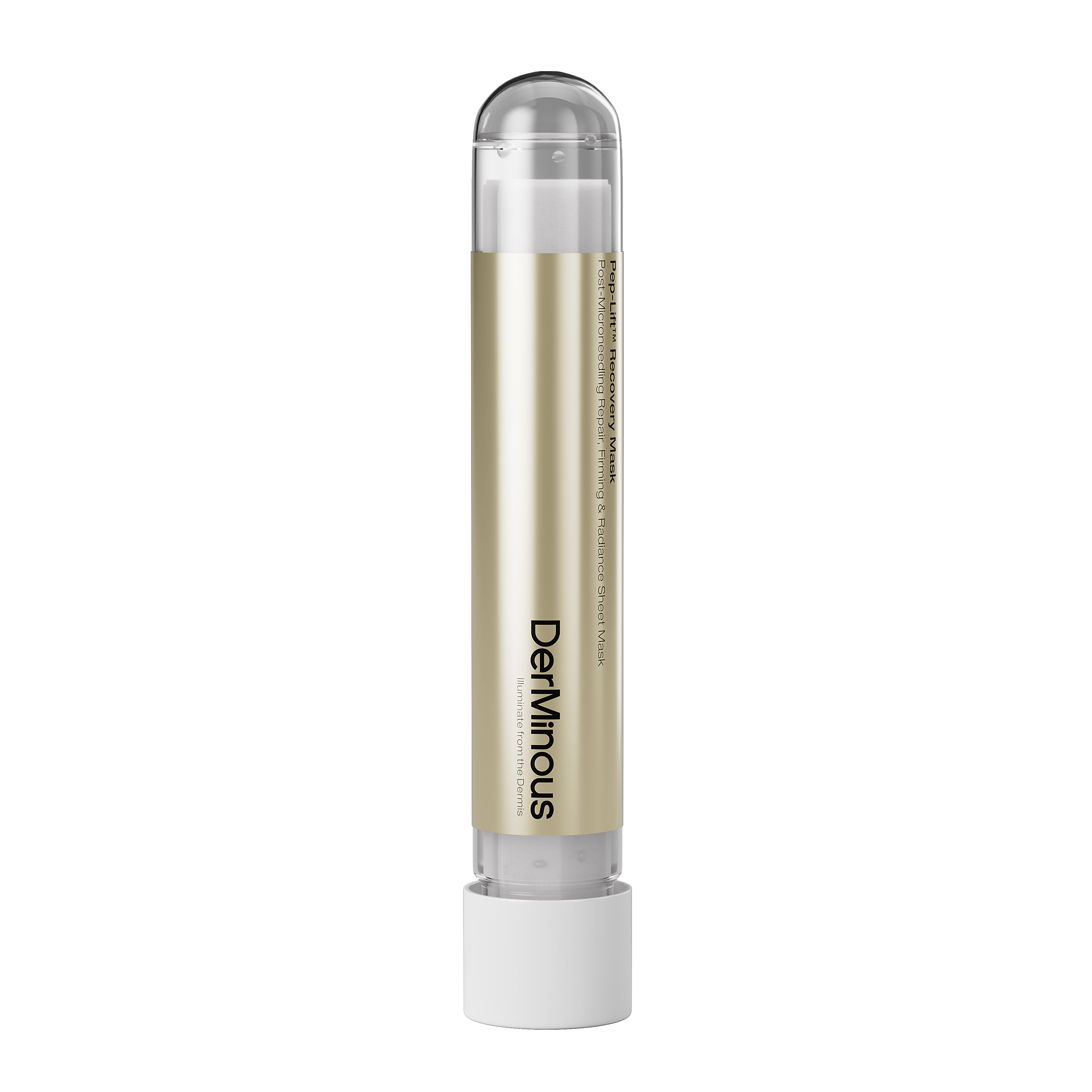
User testimonials from early adopters in the U.S. and EU markets report visible brightening within 2–4 weeks of biweekly use, with enhanced radiance and smoother texture noted as secondary benefits. Crucially, the inclusion of a Post-Treatment Repair Mask—infused with recombinant fibronectin, panthenol, and allantoin—ensures rapid recovery, minimizing downtime and preventing rebound pigmentation triggered by irritation.
Safety and Accessibility: Democratizing Professional Care
One of the most compelling aspects of systems like Derminous GeneLift™ is their commitment to safety without sacrificing potency. The device is designed for single-use only, eliminating cross-contamination risks. The serum is free from alcohol, fragrance, and parabens—key irritants that can exacerbate pigmentation disorders. Moreover, the protocol includes clear instructions: cleanse thoroughly, perform a patch test if sensitive, and always follow with barrier-repairing moisturizers and sun protection.
This aligns with the American Academy of Dermatology’s recommendation that pigment correction must be paired with gentle care and daily broad-spectrum SPF 30+ use¹⁰. Derminous reinforces this by advising users to avoid sun exposure for 24 hours post-treatment and to store products in cool, dark conditions to preserve ingredient stability.
The Future of At-Home Pigment Correction
As consumer demand for “medical-grade at home” solutions grows, brands like Derminous are bridging the gap between dermatology clinics and daily self-care rituals. The integration of micro-infusion + multi-target actives + post-care recovery represents a holistic approach that respects skin biology rather than overwhelming it.
Unlike harsh exfoliants or bleaching agents that strip the skin, this system operates on the principle of empowerment through regeneration. As one user poetically noted: “It doesn’t just fade my sun spots—it rebuilds my confidence.” This emotional resonance, paired with scientific rigor, positions micro-infusion not merely as a trend, but as a sustainable pillar in modern pigment management.
Footnotes
¹ "Hyperpigmentation." DermNet NZ, https://dermnetnz.org/topics/hyperpigmentation/
² "Solar Lentigo." American Osteopathic College of Dermatology, https://www.aocd.org/page/SolarLentigo
³ "Gold Nanoparticles in Dermatology." International Journal of Nanomedicine, https://www.dovepress.com/gold-nanoparticles-in-dermatology-peer-reviewed-fulltext-article-IJN
⁴ "Microneedling: A Comprehensive Review." Journal of Clinical and Aesthetic Dermatology, https://jcadonline.com/microneedling-a-comprehensive-review/
⁵ "Tranexamic Acid for Melasma." Journal of the American Academy of Dermatology, https://www.jaad.org/article/S0190-9622(19)32875-1/fulltext
⁶ "Niacinamide as a Topical Treatment." British Journal of Dermatology, https://onlinelibrary.wiley.com/doi/abs/10.1046/j.1365-2133.2002.04744.x
⁷ "PDRN in Skin Regeneration." Wound Repair and Regeneration, https://onlinelibrary.wiley.com/doi/abs/10.1111/j.1524-475X.2010.00647.x
⁸ "Efficacy of Tranexamic Acid in Melasma." Journal of Cosmetic Dermatology, 2020, https://onlinelibrary.wiley.com/doi/10.1111/jocd.13345
⁹ Hakozaki, T., et al. "The effect of niacinamide on reducing cutaneous pigmentation." International Journal of Cosmetic Science, 2002.
¹⁰ "How to Treat Dark Spots." American Academy of Dermatology Association, https://www.aad.org/public/everyday-care/skin-care-secrets/routine/dark-spots-treatment