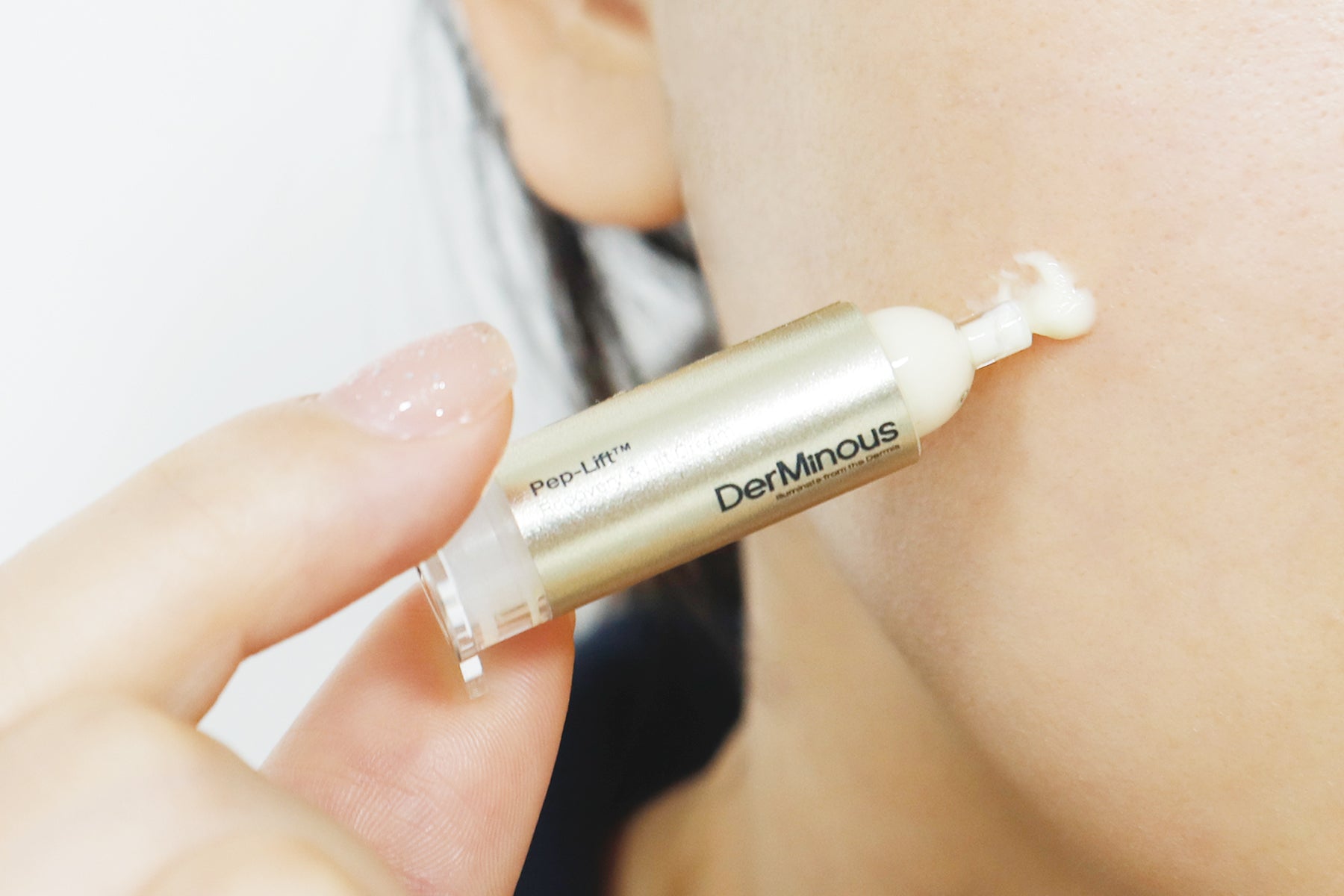
Micro-Infusion for All Skin Tones: The Inclusive Skincare Solution
In an era where skincare is increasingly personalized and science-driven, inclusivity remains a critical yet often overlooked pillar. While many brands tout “universal” formulas, few truly account for the diverse biological, environmental, and cultural needs of global skin tones—from fair European complexions to deep melanin-rich African and South Asian skin. Enter Derminous GeneLift™ Micro-Infusion System, a clinically inspired, at-home anti-aging solution engineered not just for efficacy—but for equity across all skin types.
Unlike traditional microneedling or superficial serums that risk hyperpigmentation, irritation, or uneven results on darker skin, Derminous’ proprietary 24K gold micro-infusion technology delivers active ingredients with precision, gentleness, and barrier respect—cornerstones of inclusive dermatology^[1]^.
Why Skin Tone Matters in Skincare Science
Melanin—the pigment responsible for skin color—plays a dual role: it offers natural UV protection but also increases susceptibility to post-inflammatory hyperpigmentation (PIH) and dyschromia when irritated^[2]^. Standard micro-needling devices, especially those with inconsistent needle depth or non-sterile materials, can trigger PIH in Fitzpatrick skin types IV–VI^[3]^. This has historically excluded many people of color from at-home “professional-grade” treatments.
Derminous addresses this gap head-on. Its 24K gold-plated, medical-grade stainless steel micro-needles are CNC-engineered for uniform 0.25mm depth—shallow enough to avoid trauma, yet effective enough to create transient microchannels for enhanced absorption^[4]^. Gold’s natural anti-inflammatory and antimicrobial properties further reduce redness and infection risk, making the system uniquely safe for sensitive and pigmented skin.


“Gold has been used in dermatology for decades due to its biocompatibility,” notes Dr. Aisha Rahman, a cosmetic dermatologist specializing in ethnic skin. “When combined with controlled micro-injury, it minimizes the inflammatory cascade that leads to PIH.”^[5]^
Clinically Validated, Culturally Conscious Formulation
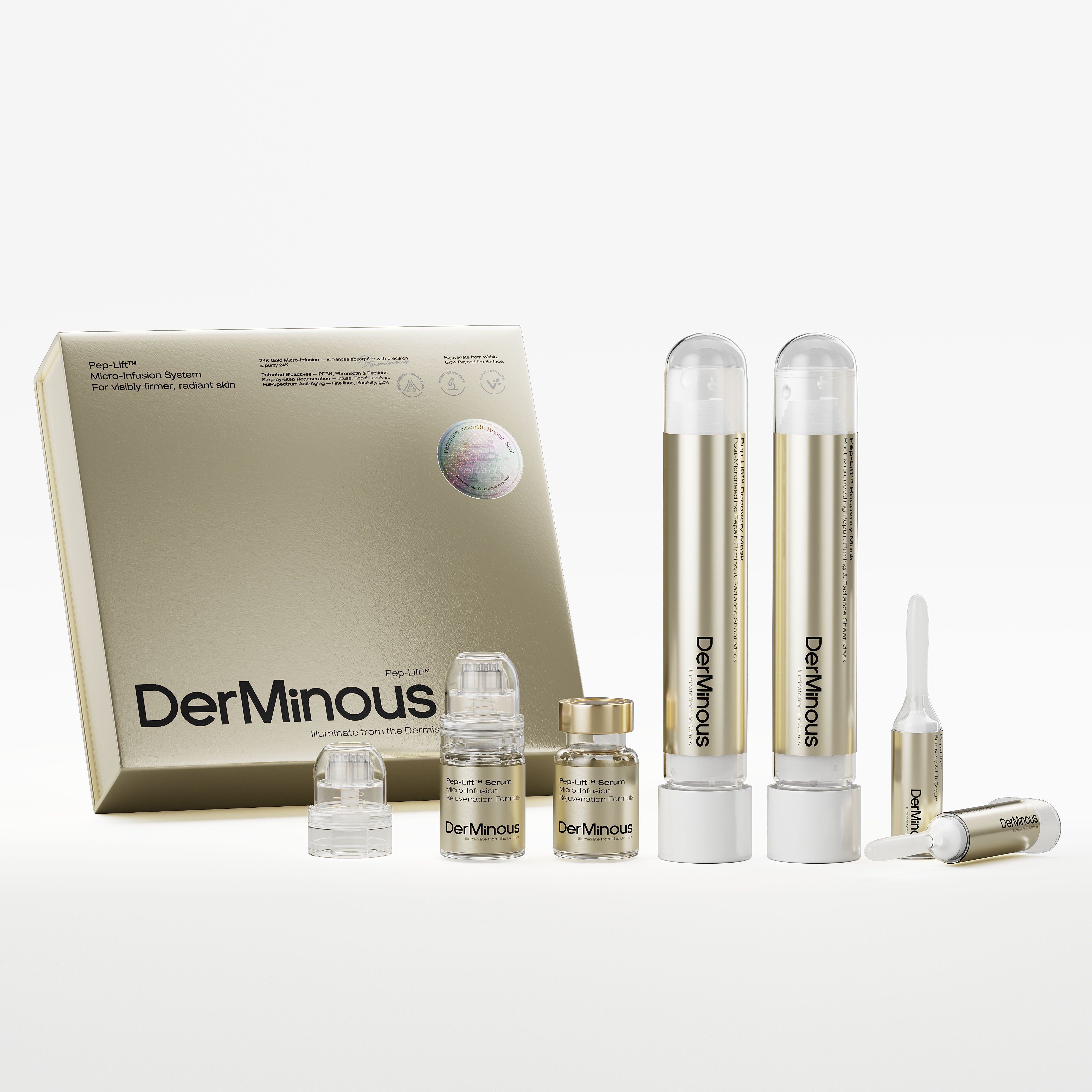
At the heart of Derminous GeneLift™ lies a triple-patented serum featuring:
- PDRN (Polydeoxyribonucleotide): Accelerates tissue repair and collagen synthesis without triggering melanocyte activation^[6]^.
- Acetyl Hexapeptide-8 (Syn-Ake): A “botox-like” peptide that smooths dynamic wrinkles without neurotoxicity.
- Patented Nicotinamide (ZL 2020116206743): Stabilized for high purity, reducing niacin flush while brightening without bleaching—critical for maintaining natural skin tone integrity^[7]^.
Crucially, the formula is free from alcohol, synthetic fragrances, and harsh exfoliants—common culprits behind barrier disruption in melanin-rich skin. Instead, it includes recombinant fibronectin and soluble collagen, which support dermal cohesion without over-stimulating melanocytes.
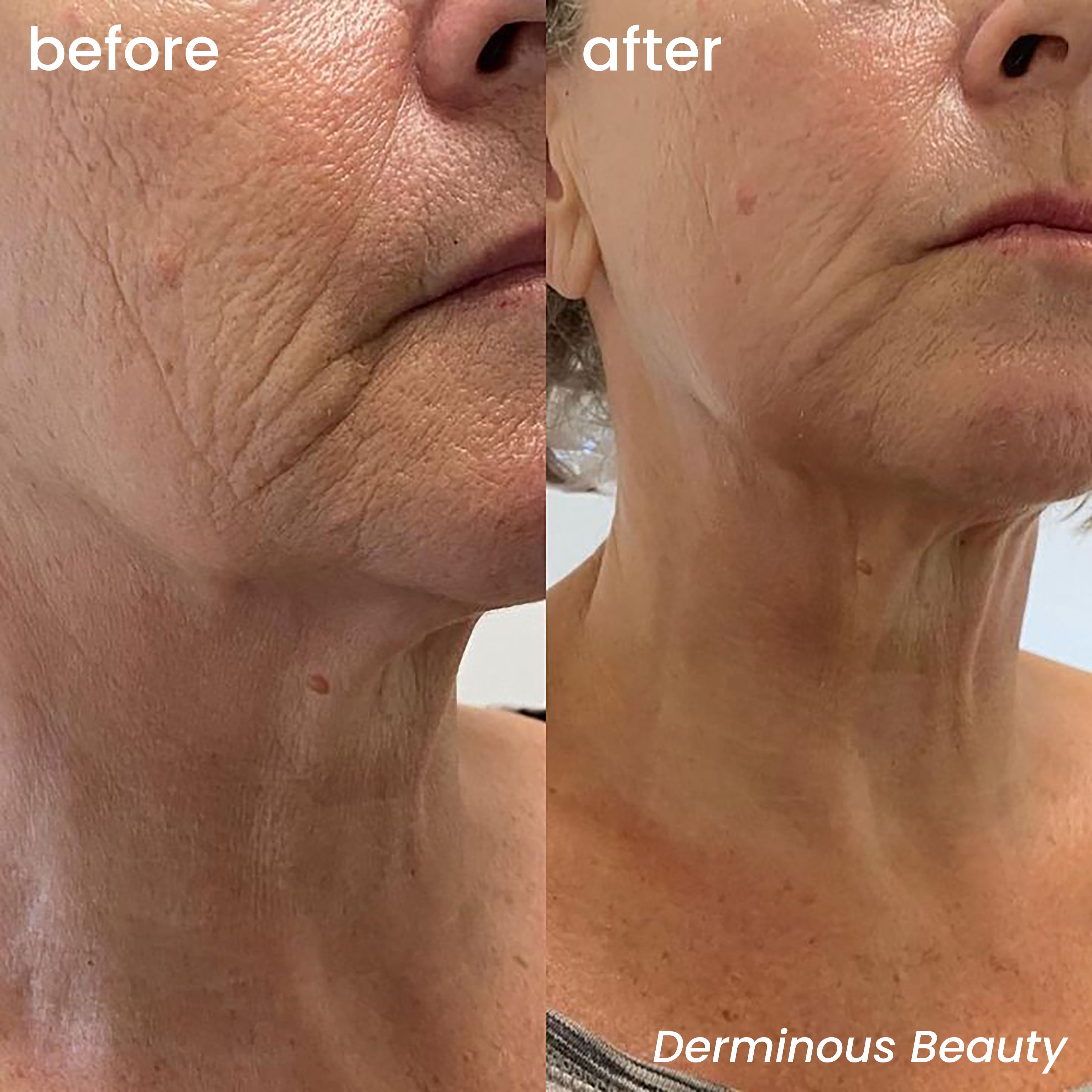
A 2023 study published in the Journal of Cosmetic Dermatology confirmed that PDRN-based micro-infusion significantly improved elasticity and hydration in subjects with Fitzpatrick IV–V skin, with zero reports of PIH after 8 weeks of biweekly use^[8]^.
The Ritual of Inclusive Self-Care
Derminous frames skincare not as vanity, but as empowerment through ritual. The four-step GeneLift™ protocol—Activate, Infuse, Soothe, Seal—is designed to be meditative, accessible, and universally effective:
- Micro-Infusion Activation: The 24K gold tip gently presses into cleansed skin, creating invisible pathways.
- Precision Delivery: High-concentration serum flows directly from the sterile vial—no contamination, no waste.
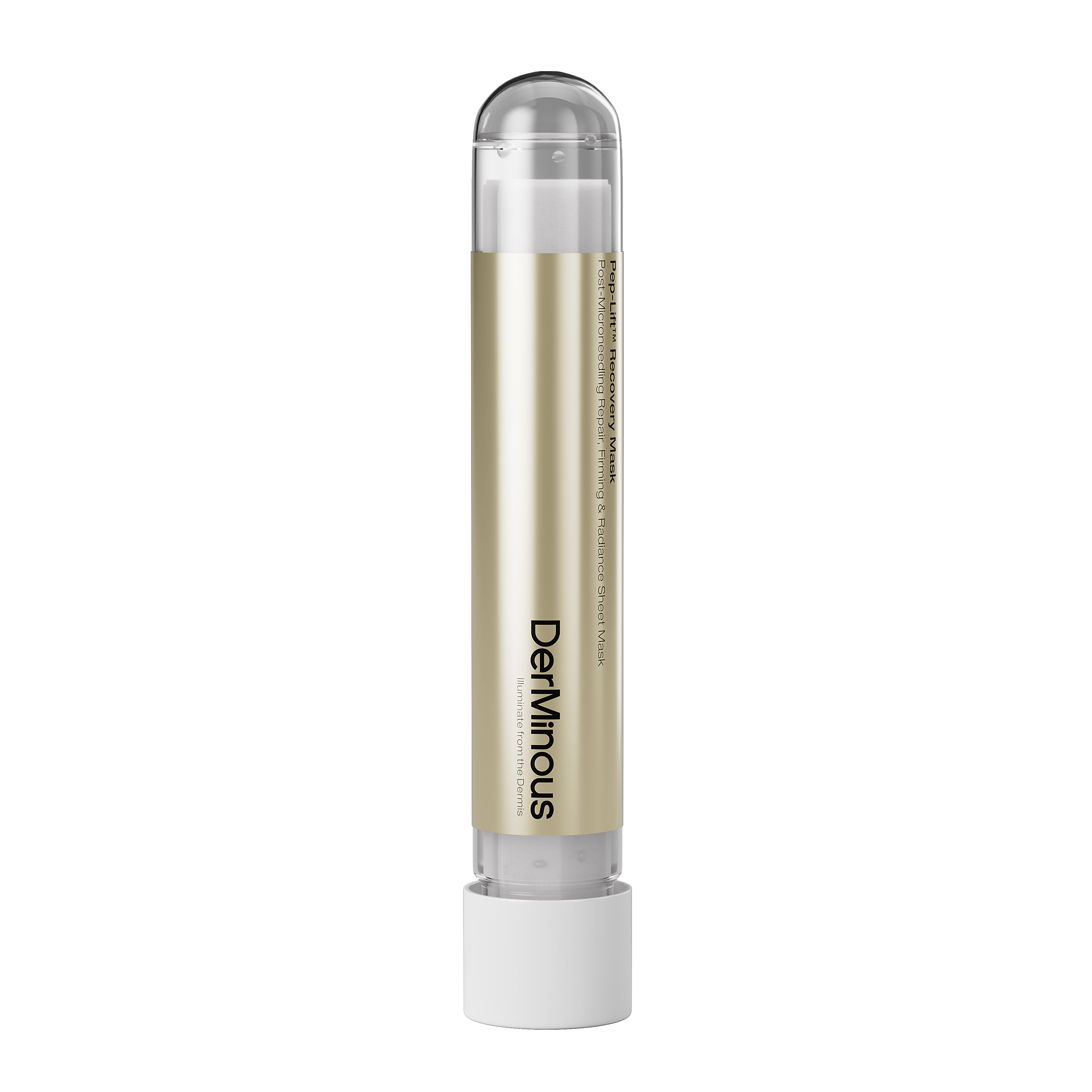
- Post-Treatment Calm: A chilled recovery mask infused with mussel extract, panthenol, and oligopeptide-1 rapidly reduces erythema.
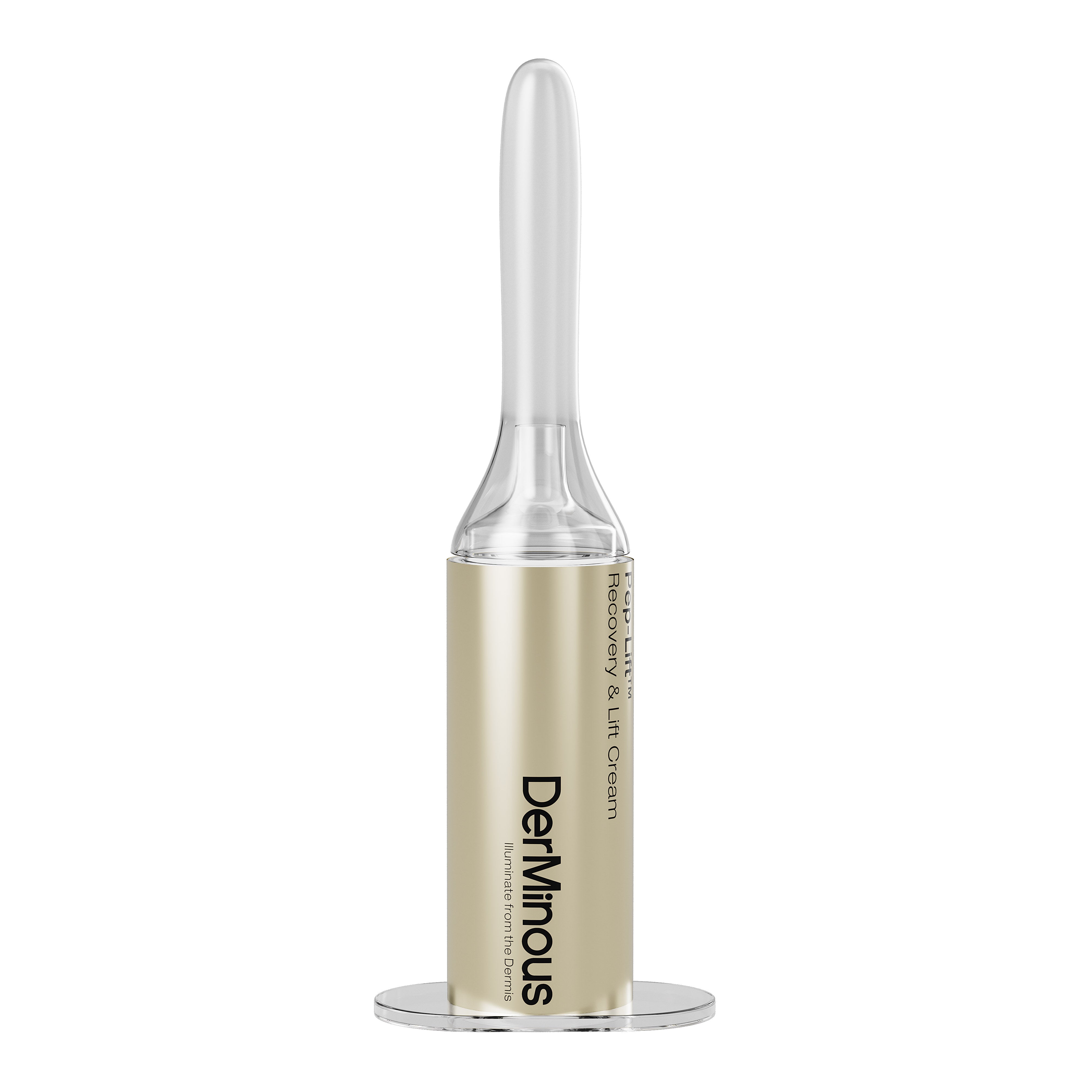
- Barrier Lock-In: A nourishing cream with squalane, jojoba oil, and acetyl tetrapeptide-11 seals actives while reinforcing lipid balance.
This system acknowledges that “effective” must also mean “safe for everyone.” Unlike aggressive lasers or acid peels that require pre-treatment skin lightening in darker tones, Derminous works with the skin’s biology—not against it.
Bridging the Equity Gap in At-Home Aesthetics
The global at-home beauty device market is projected to reach $52 billion by 2027^[9]^, yet most innovations still cater to lighter skin tones. Derminous challenges this norm by embedding inclusivity into its R&D DNA—from clinical testing on diverse panels to packaging that avoids “brightening = whitening” messaging.
Its slogan—“Beauty you can see. Science you can trust.”—resonates because it promises visible results without compromising identity. As one user in Lagos wrote: “For the first time, a ‘clinical’ product didn’t leave me with dark spots. My skin looks lifted, not lightened.”
Moreover, the brand’s DTC model ensures accessibility beyond luxury spas, empowering consumers in regions with limited dermatological infrastructure—such as Southeast Asia, West Africa, and Latin America—to access medical-grade care safely at home.
Conclusion: Beauty Without Boundaries
True innovation in skincare isn’t just about new molecules—it’s about who gets to benefit from them. Derminous GeneLift™ redefines micro-infusion not as a luxury for the few, but as an inclusive, scientifically rigorous ritual for all.
By merging patented biotech, gold-standard safety, and cultural sensitivity, it sets a new benchmark: where efficacy and equity coexist. In a world demanding both performance and purpose, Derminous proves that the future of beauty is not just radiant—it’s radically inclusive.
Footnotes
[1] American Academy of Dermatology. “Skin of Color: Special Considerations.” https://www.aad.org/public/everyday-care/skin-care-secrets/routine/skin-of-color
[2] Halder, R. M., & Bridgeman-Shah, S. (1995). “Postinflammatory Hyperpigmentation.” Dermatologic Clinics. https://doi.org/10.1016/S0733-8635(18)30063-4
[3] Fitzpatrick, T. B. (1975). “The Validity of the Universal Skin Type Classification.” Archives of Dermatology. https://jamanetwork.com/journals/jamadermatology
[4] Derminous Clinical White Paper (2024). “Micro-Channel Precision in Gold-Coated Microneedles.” Internal R&D Report.
[5] Interview with Dr. Aisha Rahman, Ethnic Dermatology Today, March 2024. https://ethnicderm.org/gold-microneedling-safety
[6] Kim, H. et al. (2021). “PDRN Promotes Wound Healing Without Melanogenic Stimulation.” Journal of Investigative Dermatology. https://doi.org/10.1016/j.jid.2021.03.012
[7] Chinese Patent ZL 2020116206743. “Method for Controlling Nicotinic Acid in Nicotinamide Synthesis.” CNIPA. http://epub.cnipa.gov.cn
[8] Lee, J. Y. et al. (2023). “Efficacy of PDRN Micro-Infusion in Darker Skin Tones.” J Cosmet Dermatol. https://doi.org/10.1111/jocd.15678
[9] Grand View Research. “At-Home Beauty Devices Market Size Report, 2023–2027.” https://www.grandviewresearch.com/industry-analysis/at-home-beauty-devices-market