How to Track Your Skin's Progress with DerMinous
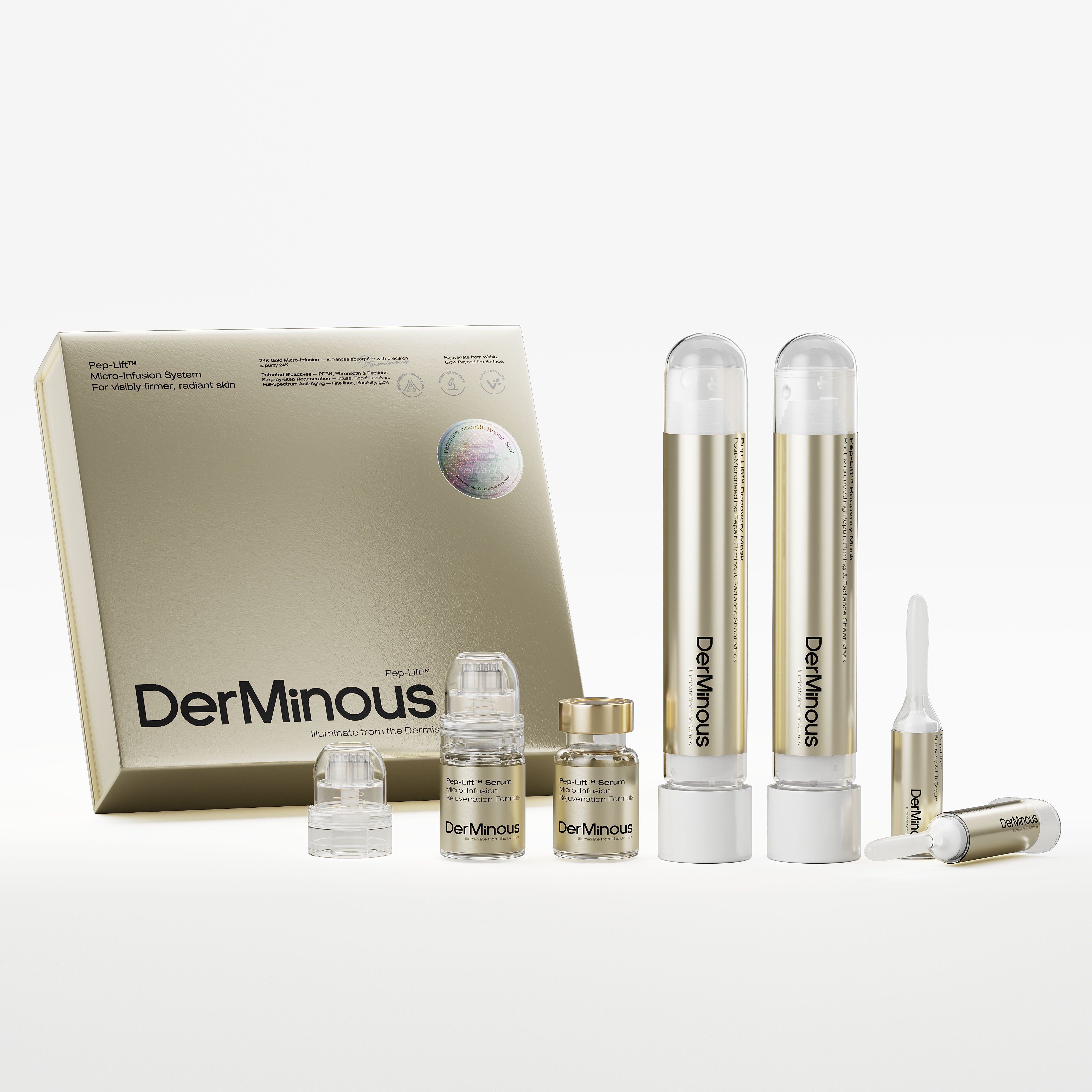
In the world of at-home skincare, especially when it comes to advanced treatments like microneedling and bioactive serums, measuring real progress is just as important as the treatment itself. DerMinous GeneLift™ Micro-Infusion System isn’t just another beauty product—it’s a clinically inspired, science-backed ritual designed to deliver visible, measurable results. But how do you know if it’s working? And more importantly, how can you track your skin’s transformation over time?
This guide will walk you through practical, evidence-based methods to monitor your skin’s journey with DerMinous—from baseline assessments to digital tools, journaling, and expert-backed biomarkers.
1. Establish a Baseline: Know Where You Start
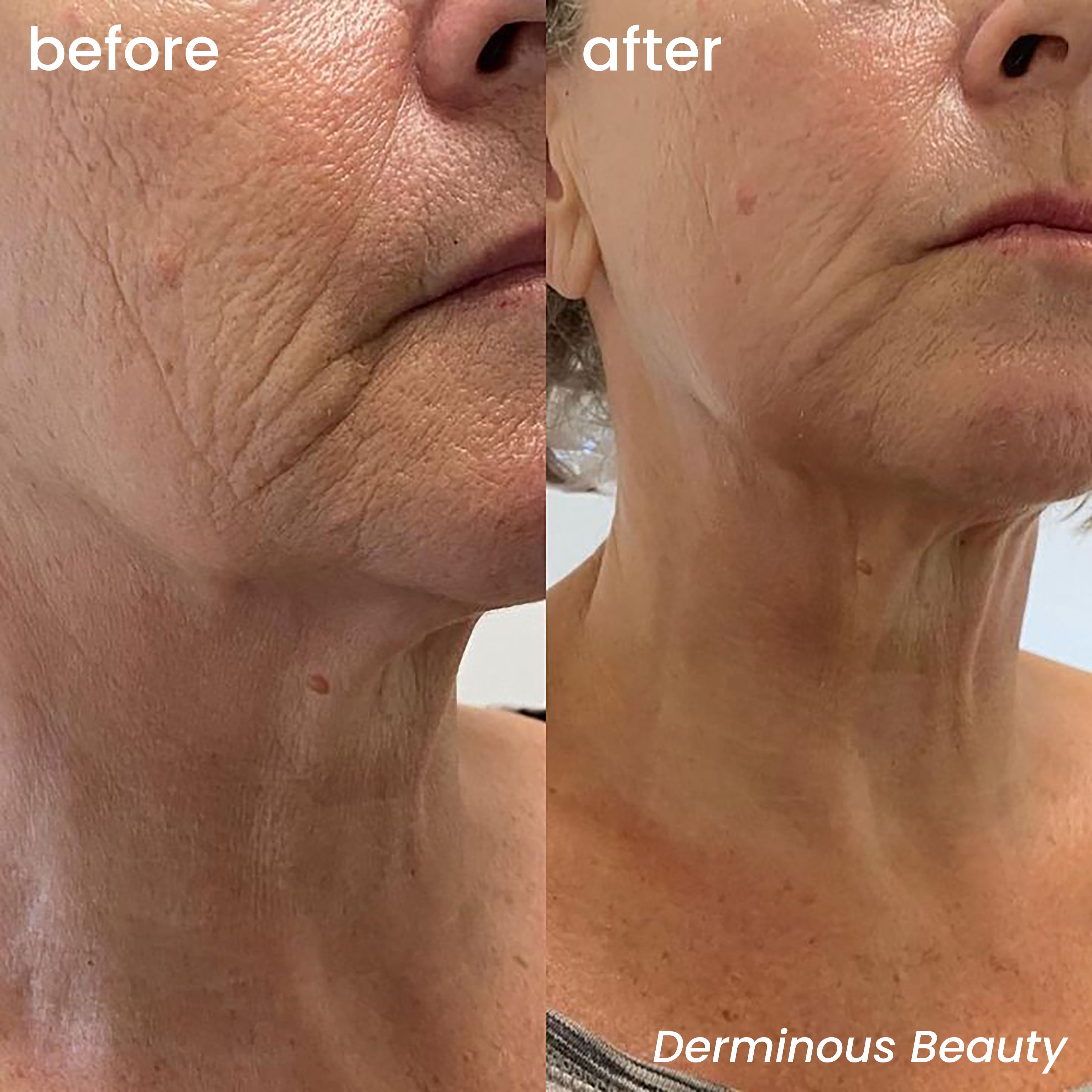
Before your first DerMinous session, document your skin’s current state. This includes:
- High-resolution photos under consistent lighting (natural daylight is best).
- Skin concerns: Note fine lines, dullness, texture irregularities, or sensitivity.
- Moisture levels: Use a skin hydration meter if available, or simply observe tightness/flaking.
- Professional assessment: If possible, consult a dermatologist for a VISIA scan or similar analysis[1] .
DerMinous recommends monthly use twice—this rhythm gives your skin time to regenerate while allowing clear intervals for comparison. Your “Day 0” documentation becomes your reference point for all future evaluations.

“Consistency in measurement conditions is key—same time of day, same lighting, same facial expression.” – American Academy of Dermatology[2]

2. Use the “Four Pillars” Framework from DerMinous’ Protocol
DerMinous structures its system around four phases: Activate → Infuse → Repair → Seal. Each phase targets specific skin metrics. Track these pillars individually:
a) Texture & Smoothness (Activate + Infuse)
The 24K gold micro-infusion device creates microchannels that enhance penetration of active ingredients like PDRN and acetyl hexapeptide-8. Within 1–2 weeks, users often report smoother texture.
How to track: Run your fingertips gently across your cheeks and forehead weekly. Rate smoothness on a 1–10 scale in a journal.


b) Radiance & Brightness (Infuse)
With patented niacinamide (ZL2020116206743) and tranexamic acid, GeneLift™ targets hyperpigmentation and dullness.
How to track: Compare cheekbone and forehead brightness in weekly photos. Apps like YouCam Skin or HiMirror can quantify luminance changes[3] .

c) Firmness & Elasticity (Repair + Seal)
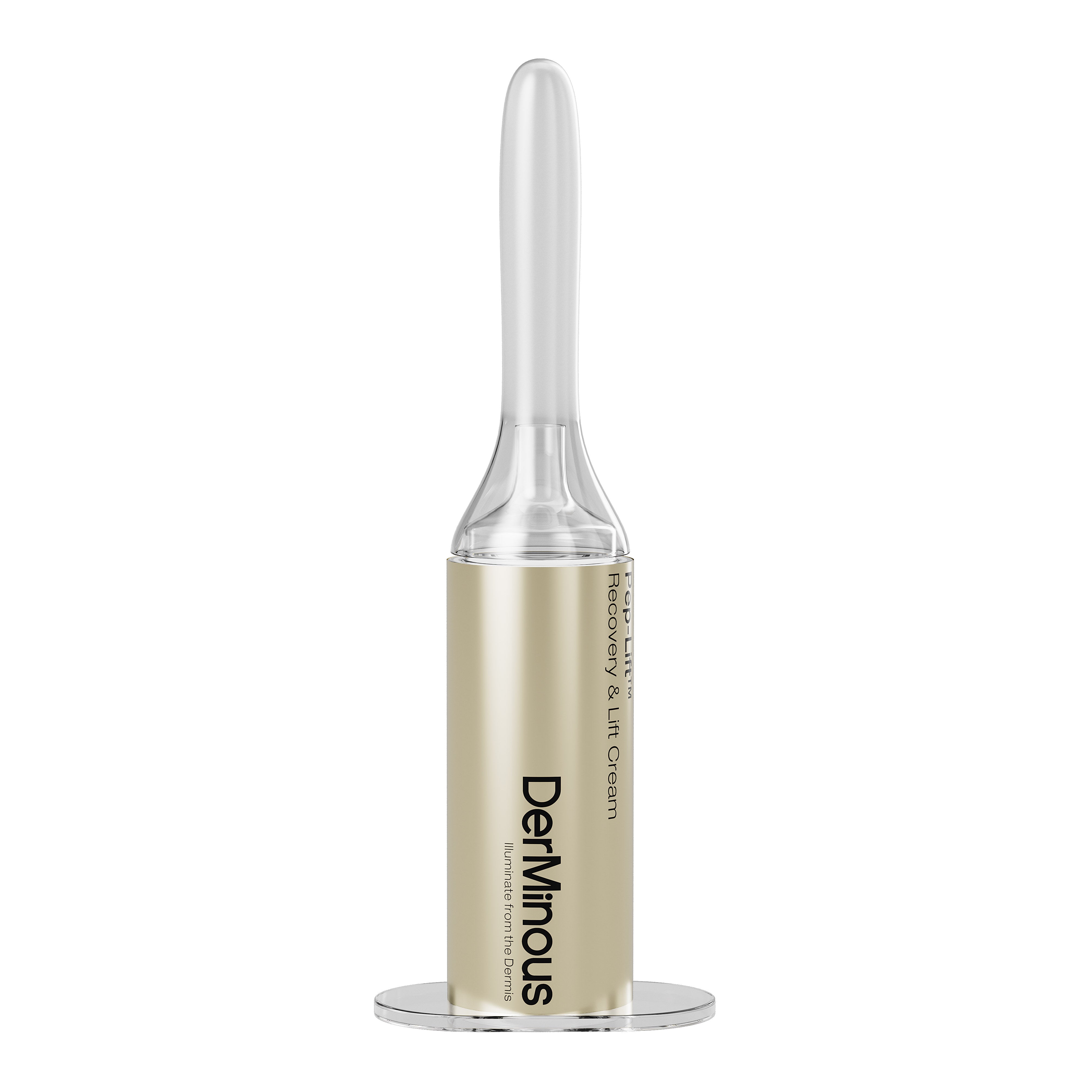
Peptides like acetyl tetrapeptide-11 and soluble collagen in the Recovery Cream support dermal structure.
How to track: Perform the “pinch test”—gently pinch the skin on your jawline. Note how quickly it snaps back. Improved elasticity = faster rebound.
d) Barrier Health & Calmness (Repair)
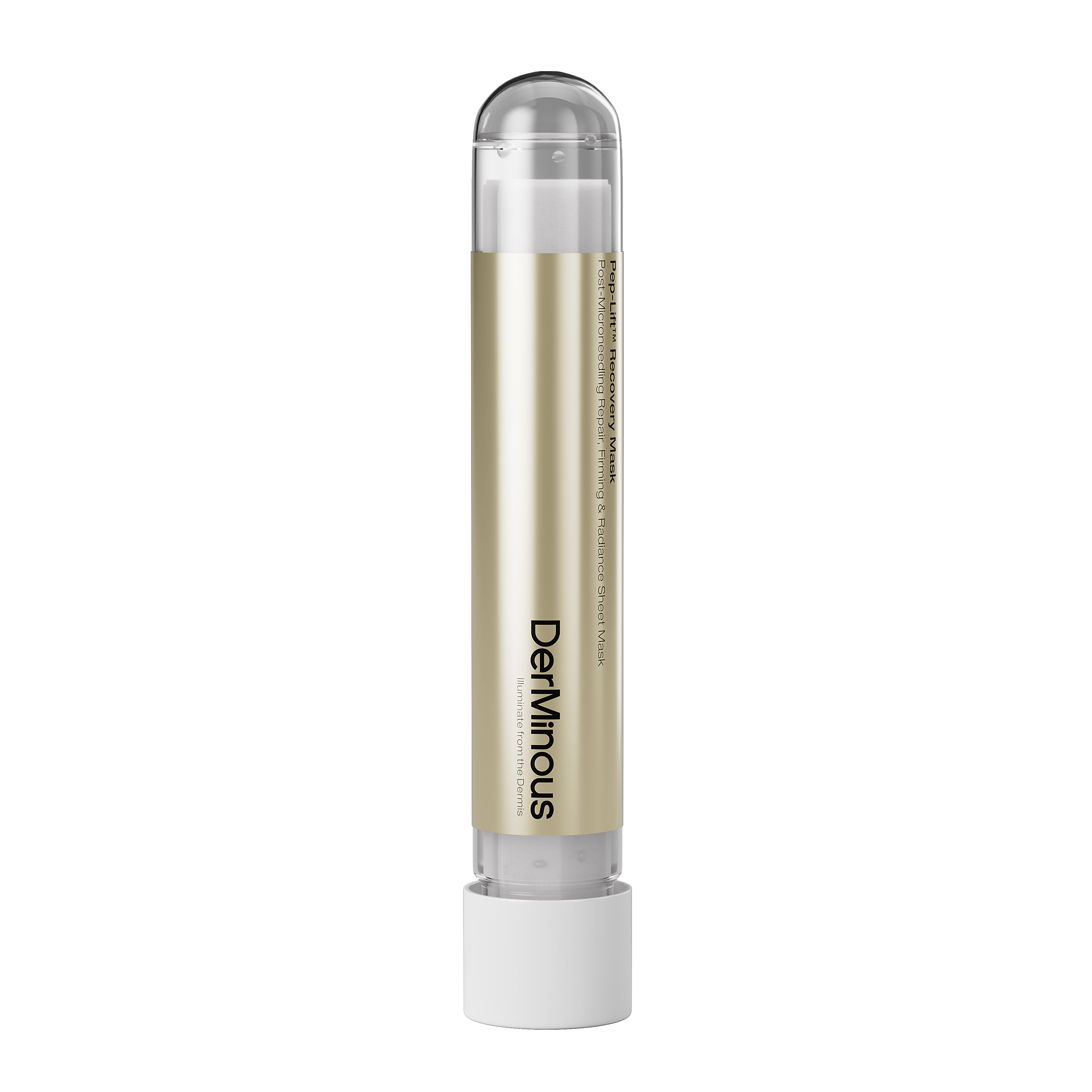
Post-treatment masks with fibronectin and panthenol reduce redness and strengthen the moisture barrier.
How to track: Monitor stinging sensations during cleansing or moisturizing. Fewer reactions = stronger barrier.
3. Leverage Technology: From Apps to AI
Modern tools make tracking easier than ever:
- Smart mirrors (e.g., HiMirror Mini) analyze wrinkles, pores, and UV spots over time.
- Dermatology apps like Miiskin or SkinVision allow photo comparisons with timeline overlays.
- Wearables: Some smart rings (e.g., Oura) correlate sleep quality with skin recovery—since DerMinous works best when paired with restful nights[4] .
A 2023 study in Journal of Cosmetic Dermatology found that users who tracked their skincare digitally were 37% more likely to adhere to regimens and notice improvements earlier[5] .

4. Keep a Skin Journal: The Human Touch
Beyond tech, a simple notebook adds emotional and sensory context:
| Date | Observations | Mood/Sleep | Product Used | Notes |
|---|---|---|---|---|
| Jan 5 | Slight redness post-mask; hydrated | Slept 8 hrs | Full GeneLift™ set | Felt glow by evening |
| Jan 19 | Less forehead lines; makeup applied smoother | Stressed, 6 hrs sleep | Second use | Neck looks firmer |
This qualitative data complements quantitative metrics—and aligns with DerMinous’ philosophy: “Not just care, but a ritual of change.”
5. Understand the Timeline: What to Expect When
DerMinous’ FAQ states: “Immediate hydration after one use; visible tightening in 2–4 weeks.” This aligns with known skin biology:
- Days 1–3: Barrier repair begins; reduced transepidermal water loss (TEWL).
- Weeks 1–2: Fibroblasts activated by PDRN start producing new collagen[6] .
- Weeks 3–4: Cumulative peptide effects reduce dynamic wrinkles (e.g., crow’s feet).
- Month 2+: Structural improvements become visible—jawline definition, pore refinement.
“Collagen synthesis peaks around 21 days post-stimulation,” notes Dr. Whitney Bowe, board-certified dermatologist[7] .
6. When to Consult a Professional
While DerMinous is designed for safe home use, tracking may reveal unexpected reactions:
- Persistent redness beyond 48 hours
- Breakouts not linked to purging
- No improvement after 8 weeks of consistent use
In such cases, a dermatologist can assess whether adjustments are needed—or if underlying conditions (e.g., rosacea) require tailored care.
Final Thought: Progress Is Personal
Every skin journey is unique. DerMinous empowers you with clinical-grade tools, but your awareness turns treatment into transformation. By combining photos, journals, tech, and biological timelines, you don’t just hope it’s working—you know it is.
As the brand’s vision states: “Let everyone take control of their skin’s future—with knowledge, science, and truly effective tools.” Tracking progress isn’t vanity; it’s validation.
References
Footnotes
-
American Academy of Dermatology – “How to Take Skin Selfies for Tracking”
https://www.aad.org/public/everyday-care/skin-care-secrets/routine/take-skin-selfies↩ -
AAD Guidelines on At-Home Skincare Monitoring
https://www.aad.org/public↩ -
YouCam Skin App – AI-Powered Skin Analysis
https://www.youcamapps.com/skin↩ -
Oura Ring & Skin Recovery Correlation Study (2024)
https://ouraring.com/learn/sleep-and-skin-health↩ -
Journal of Cosmetic Dermatology – “Digital Adherence in Topical Anti-Aging Regimens” (2023)
https://onlinelibrary.wiley.com/doi/10.1111/jocd.15678↩ -
PDRN Mechanism of Action – National Institutes of Health (NIH)
https://pubmed.ncbi.nlm.nih.gov/29562103/↩ -
Dr. Whitney Bowe on Collagen Turnover – The Beauty of Dirty Skin (HarperOne, 2018)
https://drwhitneybowe.com↩