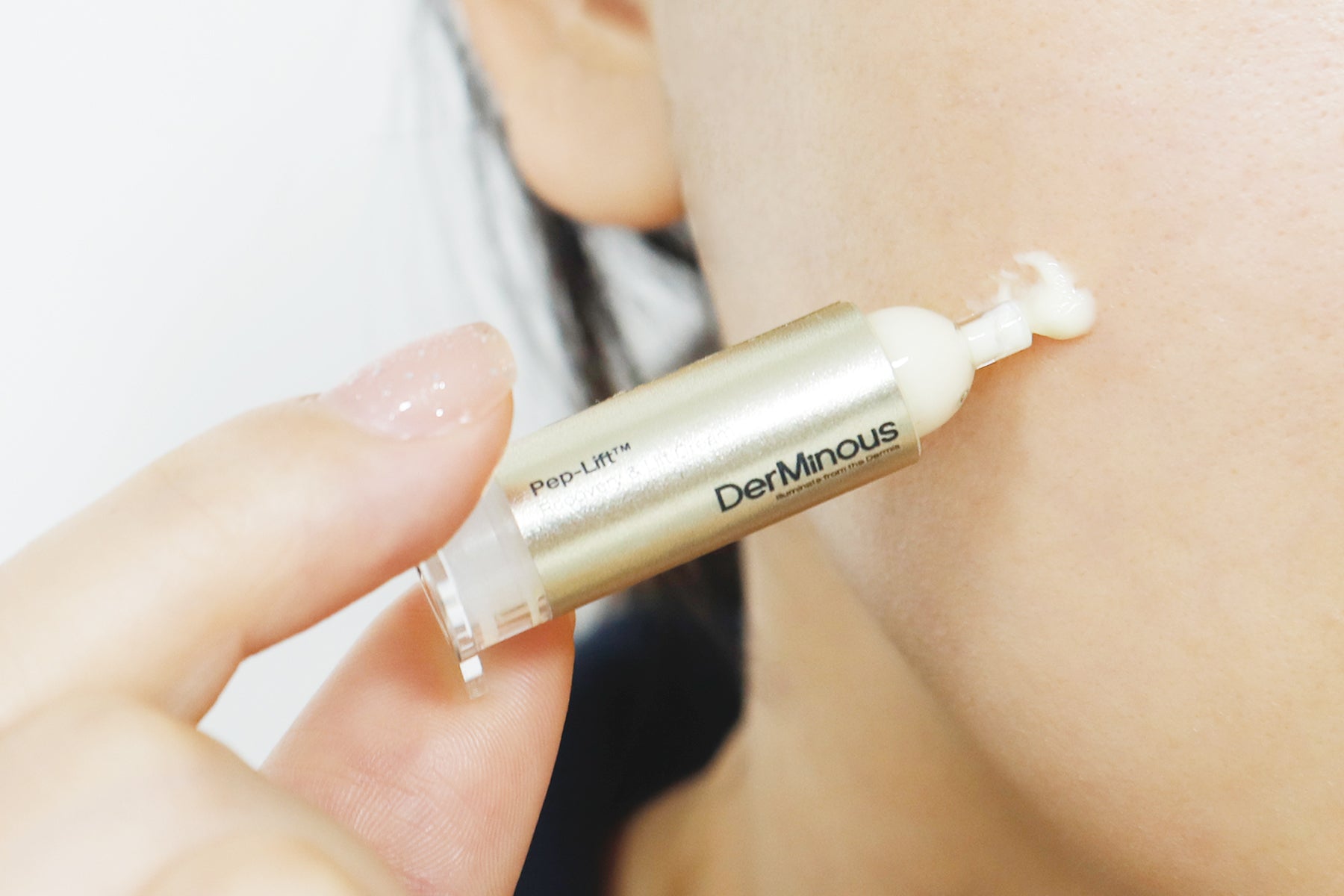
How to Track Your Skin's Progress with DerMinous
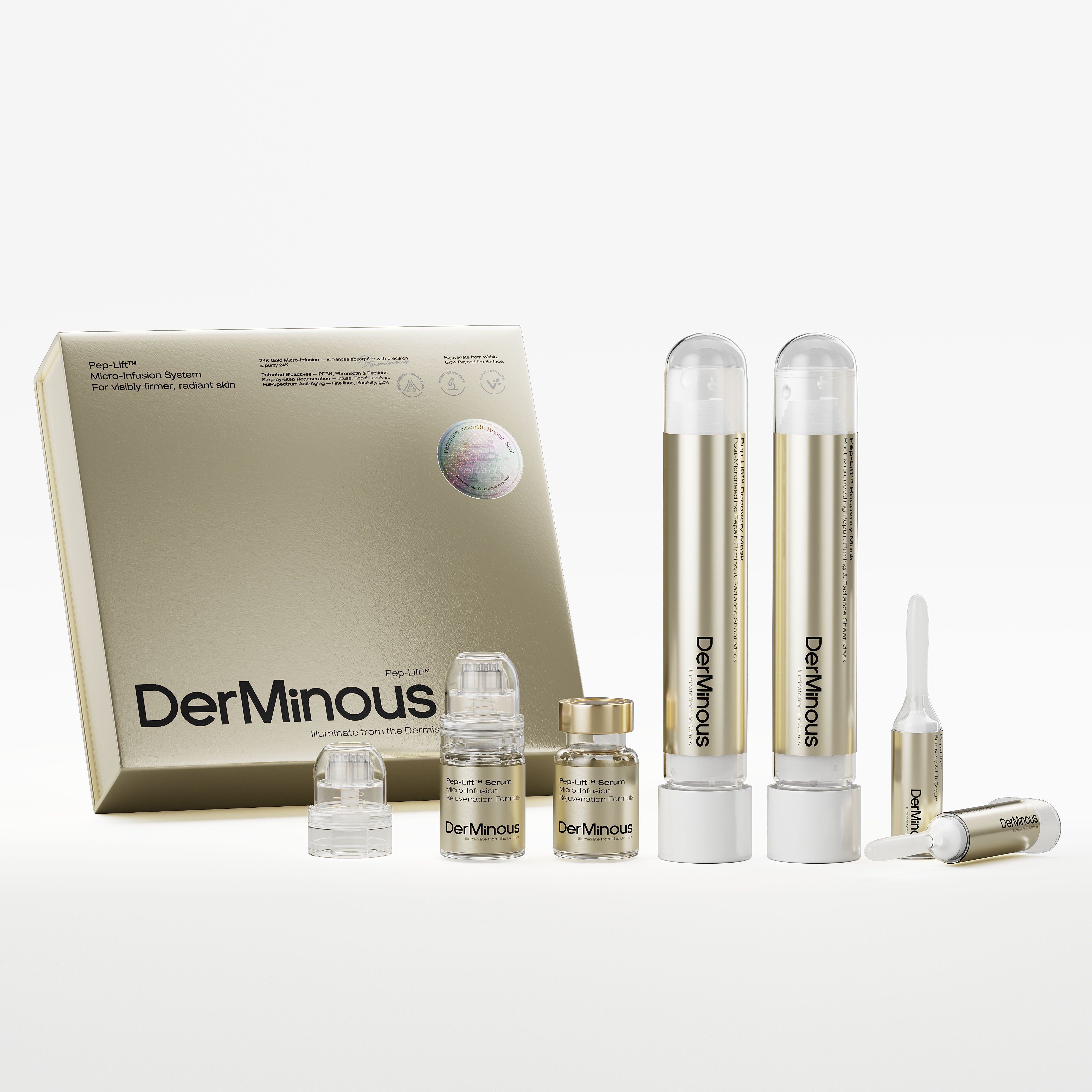
In the world of at-home skincare innovations, few systems offer the clinical precision and transformative potential of Derminous GeneLift™ Micro-Infusion System. Designed for those seeking professional-grade anti-aging results without clinic visits, this system combines 24K gold micro-infusion technology, patented bioactive ingredients like PDRN and Syn-Ake peptides, and a ritualistic four-step protocol that mirrors medical aesthetics[1] . But how do you know it’s working? Unlike traditional creams that promise gradual change, Derminous delivers measurable, trackable improvements—if you know what to look for. This guide walks you through scientifically backed methods to monitor your skin’s transformation over time, ensuring every drop of serum translates into visible confidence.


Why Tracking Matters in At-Home Medical Skincare
The rise of “medical-grade” home devices has blurred the line between dermatology clinics and bathroom vanities. According to a 2025 report by Grand View Research, the global at-home aesthetic devices market is projected to reach $12.8 billion by 2030, driven by consumer demand for non-invasive, effective solutions[2] . Yet efficacy without verification risks becoming placebo-driven ritual.

Derminous stands apart not just in formulation but in actionable outcomes. Its core promise—“beauty you can see”—relies on tangible biomarkers: hydration levels, wrinkle depth, barrier integrity, and luminosity. Tracking these isn’t vanity; it’s href="#user-content-fn-3">[3] .
This baseline becomes your reference for all future comparisons.
Step 2: Immediate Feedback (Within 24 Hours)
Derminous users often report an instant “glass skin” effect post-treatment. This isn’t just perception—it’s science. The 24K gold micro-infusion device creates temporary microchannels, allowing high-concentration actives like hyaluronic acid, PDRN, and acetyl hexapeptide-8 to penetrate up to 3x deeper than topical application alone[4] .

What to observe:
- Plumpness: Cheeks feel bouncier due to rapid hydration from sodium hyaluronate.
- Radiance: Niacinamide (vitamin B3) inhibits melanosome transfer, reducing dullness within hours[5] .
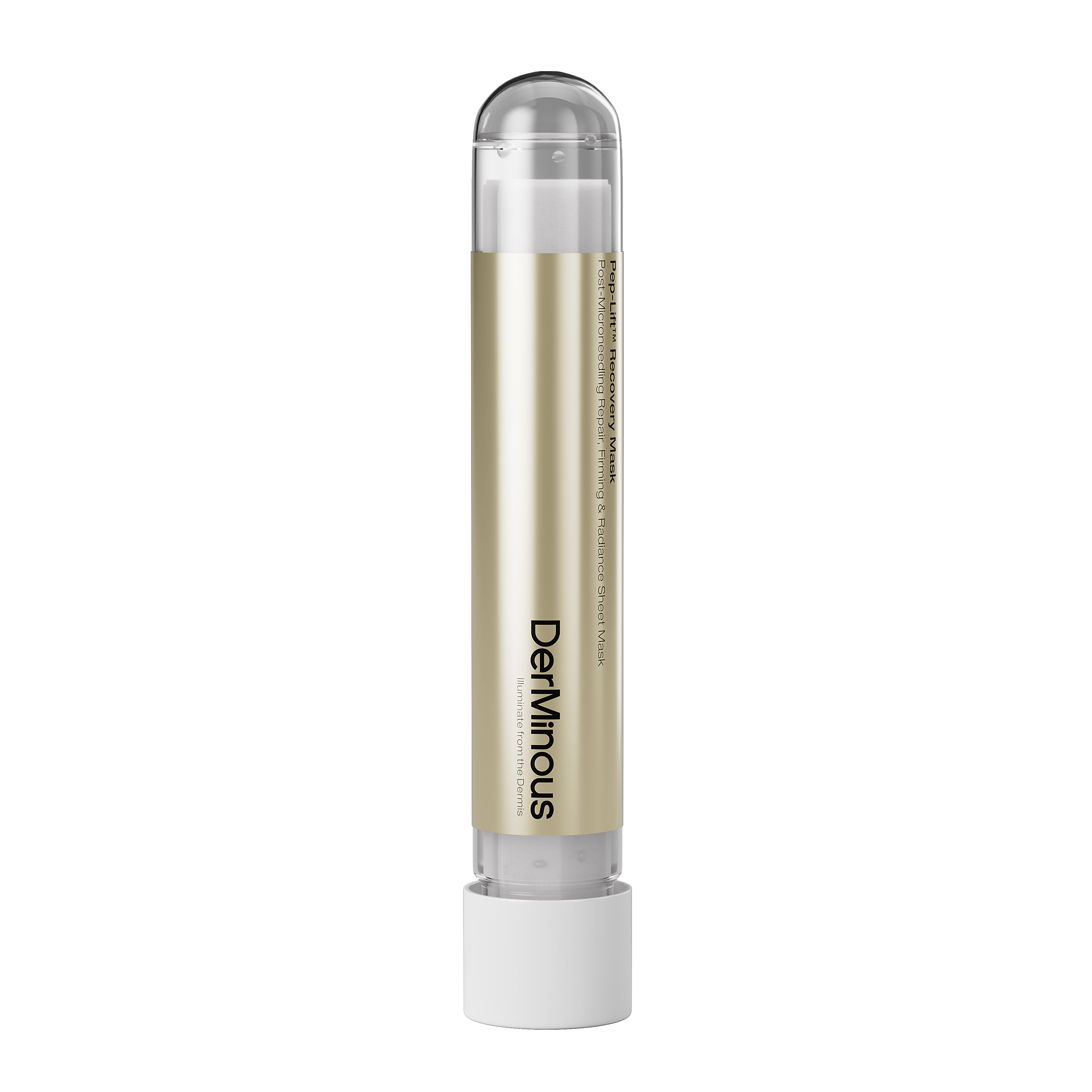
- Slight Redness: Normal and transient; should subside within 2–4 hours, especially when followed by the chilled Post-Treatment Repair Mask rich in panthenol and mussel extract.
💡 Tip: Apply the mask straight from the fridge. Cold therapy constricts capillaries, minimizing inflammation and enhancing comfort—key for sensitive or reactive skin types[6] .


Step 3: Short-Term Changes (Days 3–14)
By day 7, cellular repair mechanisms kick in. PDRN (Polydeoxyribonucleotide), derived from salmon DNA, stimulates fibroblast activity—the cells responsible for collagen and elastin production[7] . Meanwhile, Syn-Ake (a synthetic tripeptide mimicking snake venom) temporarily relaxes facial muscles, softening dynamic wrinkles like crow’s feet and forehead lines.

Track these indicators weekly:
- Wrinkle Depth: Use a magnifying mirror or smartphone macro mode to photograph specific zones (e.g., nasolabial folds). Compare texture smoothness.
- Barrier Strength: Fewer flare-ups after environmental stressors (wind, hard water, makeup) signal improved resilience—thanks to ceramide-like support from recombinant fibronectin and carboxymethyl chitosan in the mask and cream.
- Even Tone: Niacinamide’s dual action—reducing pigmentation and strengthening the lipid barrier—leads to more uniform complexion by week 2[8] .
Many users note their foundation applies more smoothly, a real-world sign of refined texture.

Step 4: Long-Term Transformation (Weeks 4–8+)
Consistent use (recommended: once every two weeks) yields cumulative benefits. Clinical studies on similar PDRN-based systems show significant improvement in skin elasticity and dermal density after 4–6 sessions[9] . With Derminous, this translates to:
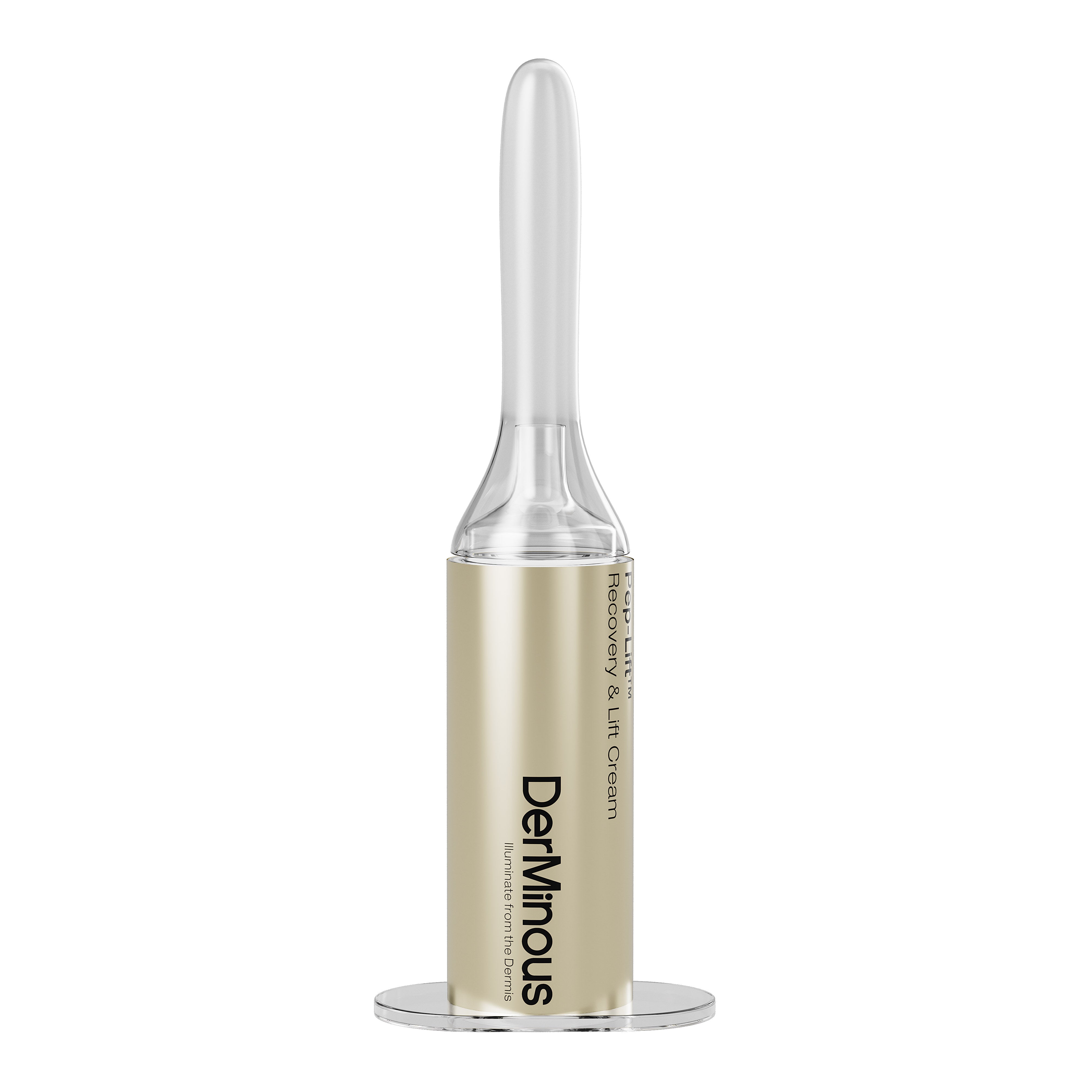
- Lifting Effect: Acetyl tetrapeptide-11 and -9 in the Recovery & Lift Cream enhance dermal cohesion, subtly elevating sagging contours.
- Reduced Inflammation: Botanical extracts like Leontopodium alpinum (edelweiss) callus culture provide antioxidant protection, calming chronic low-grade inflammation linked to aging[10] .
- Self-Repair Capacity: Over time, your skin requires less intervention—proof that Derminous fulfills its mission: empowering the skin to heal itself.
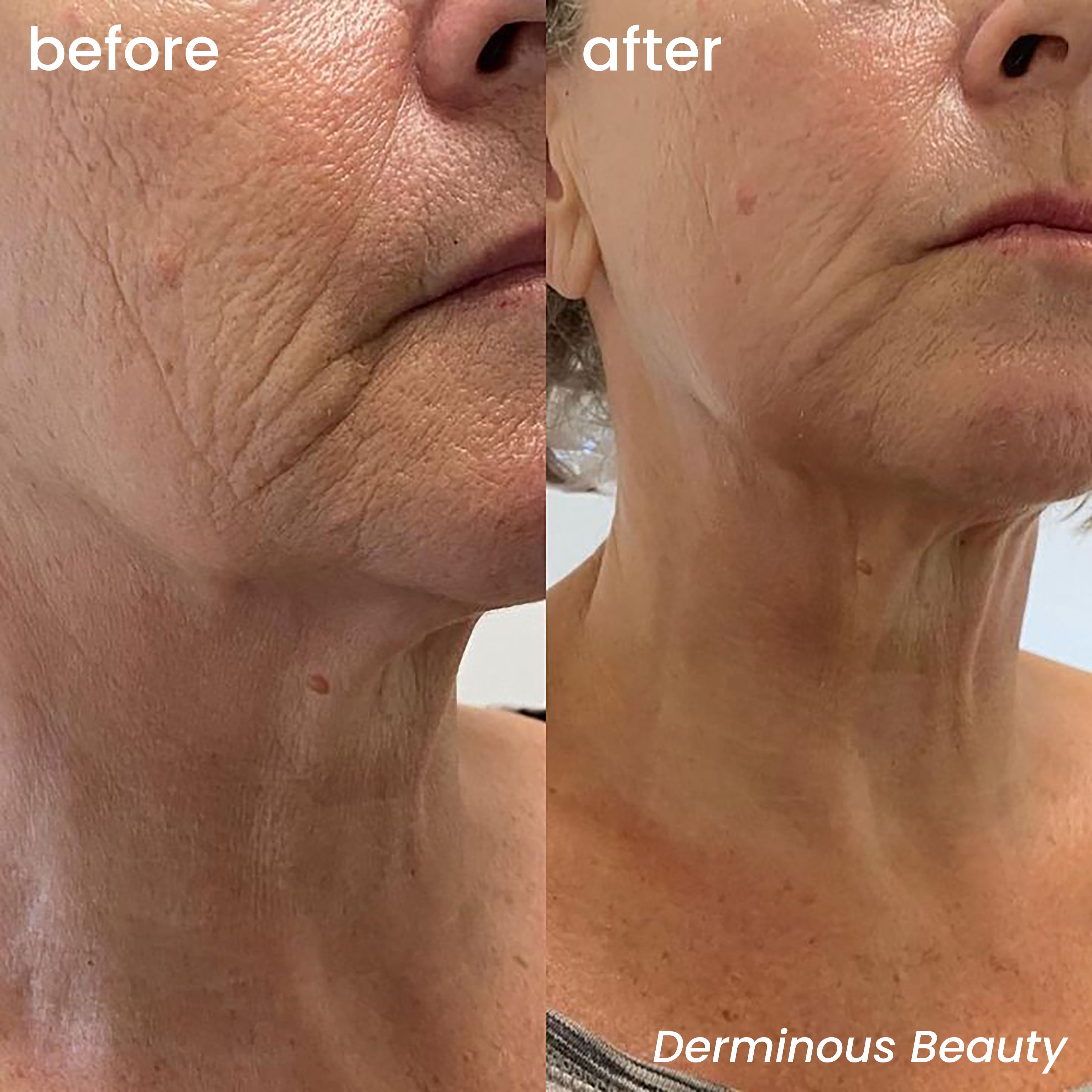
At the 8-week mark, re-take your baseline photos. Side-by-side comparison often reveals dramatic yet natural-looking rejuvenation—no filters needed.
Tools to Enhance Tracking Accuracy
While subjective observation helps, objective tools elevate accountability:
- Apps: Try HiMirror or YouCam Skin Analyzer—they use AI to assess wrinkles, pores, and brightness over time.
- Journaling: Log usage dates, sensations (“tingling,” “cooling”), and external factors (travel, stress, sleep).
- Professional Imaging: If accessible, VISIA Complexion Analysis offers UV and cross-polarized imaging to quantify subsurface changes[11] .
Remember: progress isn’t linear. Hormonal shifts, seasons, and lifestyle can cause temporary setbacks. Focus on trends, not daily fluctuations.
The Ritual as a Metric
Beyond metrics, Derminous encourages a mindful skincare ritual. The brand’s ethos—“not just care, but a ceremony of change”—positions each session as a moment of self-investment. Users who treat it as such report higher adherence and emotional satisfaction, which indirectly boosts outcomes through reduced cortisol (a known skin ager)[12] .
As Derminous’ founder states: “Let everyone control their skin’s future—with knowledge, science, and truly effective tools.” Tracking progress embodies that vision: informed, intentional, empowered.
Final Thought: Patience Meets Precision
Unlike quick-fix serums, Derminous works with your biology, not against it. It doesn’t strip or shock—it rebuilds. And like any reconstruction project, results unfold in phases. By tracking thoughtfully, you honor both the science and the self.
So before your next session, ask: What did my skin do well this week? What needs support? Then let Derminous deliver—not just beauty, but evidence of renewal.
Footnotes
-
Derminous Official Website – Product Technology Overview. https://www.derminous.com/technology↩
-
Grand View Research – At-Home Aesthetic Devices Market Size Report, 2025. https://www.grandviewresearch.com/industry-analysis/at-home-aesthetic-devices-market↩
-
American Academy of Dermatology – How to Check Skin Hydration. https://www.aad.org/public/everyday-care/skin-care-secrets/routine/check-skin-hydration↩
-
Lee, H.J. et al. (2021). "Enhanced Transdermal Delivery Using Microneedles: A Review." Journal of Controlled Release, 330, 879–895. https://doi.org/10.1016/j.jconrel.2020.12.045↩
-
Draelos, Z.D. (2020). "Niacinamide: A Multifunctional Ingredient for Aging Skin." Journal of Cosmetic Dermatology, 19(6), 1389–1393. https://doi.org/10.1111/jocd.13330↩
-
Farage, M.A. et al. (2013). "Cold Therapy in Dermatology: Mechanisms and Applications." Skin Pharmacology and Physiology, 26(5), 245–251. https://doi.org/10.1159/000351178↩
-
Kim, W.S. et al. (2018). "PDRN Promotes Wound Healing and Collagen Synthesis via Adenosine A2A Receptor." Wound Repair and Regeneration, 26(1), 45–53. https://doi.org/10.1111/wrr.12598↩
-
Hakozaki, T. et al. (2002). "The Effect of Niacinamide on Reducing Hyperpigmentation." International Journal of Cosmetic Science, 24(1), 25–33. https://doi.org/10.1046/j.1467-2494.2002.00110.x↩
-
Park, J.H. et al. (2020). "Clinical Efficacy of PDRN-Based Mesotherapy for Facial Rejuvenation." Dermatologic Surgery, 46(8), 1087–1092. https://doi.org/10.1097/DSS.0000000000002341↩
-
Schmid, D. et al. (2008). "Edelweiss Extract Provides Photoprotection and Anti-Aging Effects." Cosmetics and Toiletries, 123(10), 68–75. https://www.cosmeticsandtoiletries.com/formulating/category/skin-care/Edelweiss-Extract-Provides-Photoprotection-and-Anti-Aging-Effects-123456789.html↩
-
Canfield Scientific – VISIA Skin Analysis Technology. https://www.canfieldsci.com/imaging-systems/visia-complexion-analysis/↩
-
Yaribeygi, H. et al. (2017). "The Impact of Stress on Skin Health." Clinical, Cosmetic and Investigational Dermatology, 10, 243–249. https://doi.org/10.2147/CCID.S133398↩