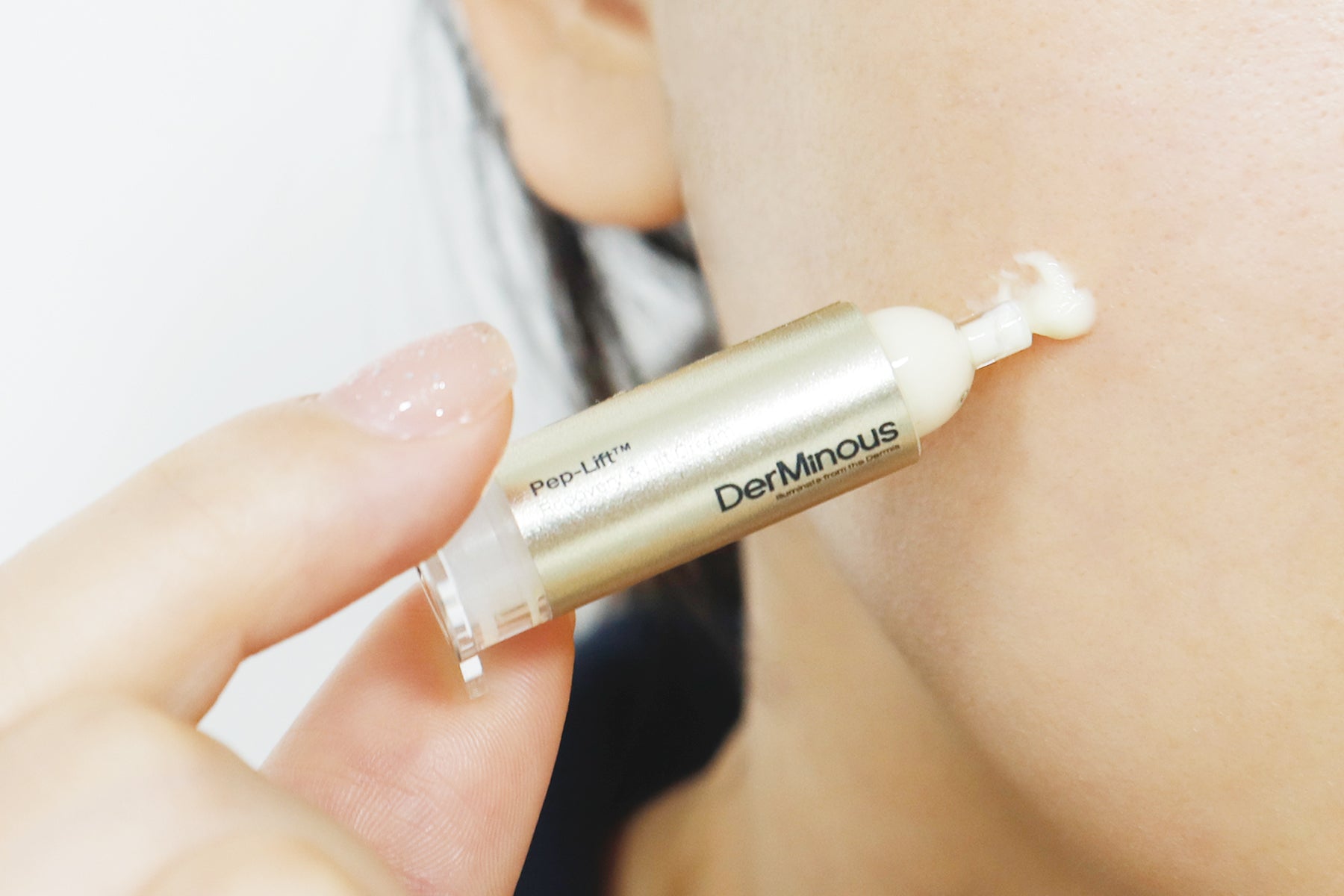
How to Patch Test Your DerMinous Products for Sensitive Skin
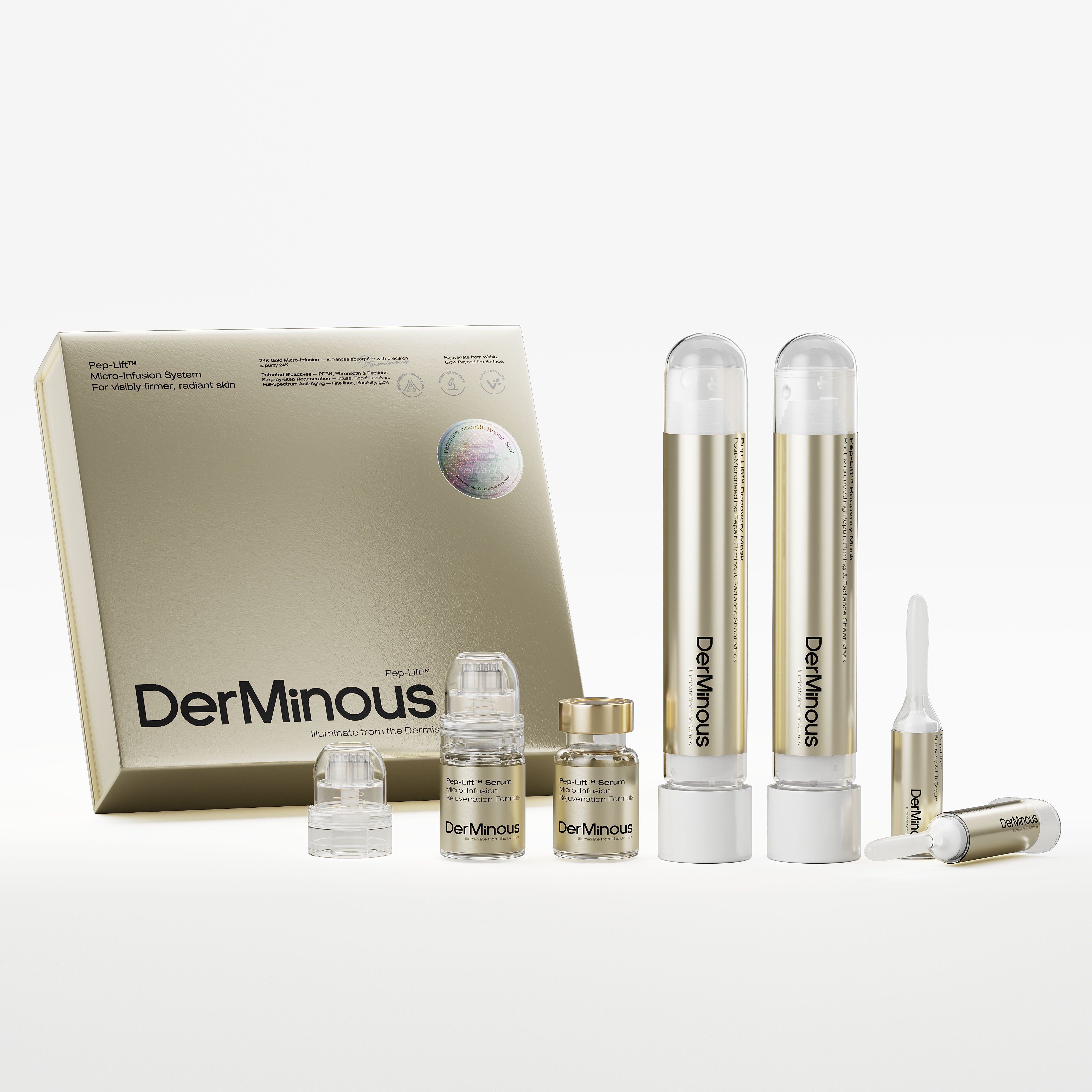
If you have sensitive skin, patch testing is a crucial first step before incorporating any new skincare product into your routine—especially advanced systems like Derminous GeneLift™, which combines micro-infusion technology with high-potency actives such as PDRN, peptides, and niacinamide. Despite being formulated for post-procedure and sensitive skin[1] , individual reactions can vary, and a simple 24–48 hour patch test can help prevent unwanted irritation.

Why Patch Testing Matters
Patch testing allows you to observe how your skin reacts to a product in a controlled, localized area before full-face application. This is particularly important for products that create micro-channels (like Derminous’ 24K gold micro-infusion device), as enhanced absorption also means heightened potential for sensitivity if an ingredient doesn’t agree with your skin[2] .


Step-by-Step Patch Test Guide for Derminous GeneLift™
- Cleanse the test area: Use a gentle, fragrance-free cleanser on your inner forearm or behind the ear. Pat dry.
- Apply a small amount: Dispense a pea-sized drop of the GeneLift™ Serum (without using the micro-needle tip) onto the cleaned area.
- Wait and observe: Leave it uncovered for 24–48 hours. Avoid washing the area excessively or applying other products.
- Check for reactions: Look for redness, itching, swelling, burning, or rash. If none occur, the product is likely safe for your skin.
⚠️ Important: Do not use the micro-needle applicator during the patch test. The goal is to assess ingredient compatibility—not mechanical response.
Dermatologist-Backed Best Practices
According to the American Academy of Dermatology (AAD), patch testing at home is a reliable preliminary screening method for irritant contact dermatitis, though it cannot fully replace clinical allergy testing for complex formulations[3] . Derminous’ formula is free from alcohol, fragrance, and common sensitizers, aligning with recommendations for sensitive-skin-friendly products[4] .


When to Consult a Professional
If you have a history of eczema, rosacea, or allergic reactions to skincare, consider consulting a dermatologist before using any micro-infusion system—even one labeled “sensitive-skin safe.”
By taking just two days to patch test, you honor your skin’s unique biology while unlocking the full potential of Derminous GeneLift™—a clinically inspired, at-home ritual designed to repair, renew, and empower.
Footnotes
Footnotes
-
Derminous Official FAQ – “Is GeneLift™ suitable for sensitive skin?” https://www.derminous.com/pages/faq↩
-
National Eczema Association – “How to Patch Test Skincare Products” https://nationaleczema.org/eczema/treatment/skincare/how-to-patch-test/↩
-
American Academy of Dermatology – “Patch Testing: Why It’s Done and What to Expect” https://www.aad.org/public/everyday-care/skin-care-secrets/routine/patch-testing-why-done↩
-
Journal of Clinical and Aesthetic Dermatology – “Sensitive Skin: A Review of Barrier Function and Ingredient Considerations” https://jcadonline.com/sensitive-skin-a-review-of-barrier-function-and-ingredient-considerations/↩