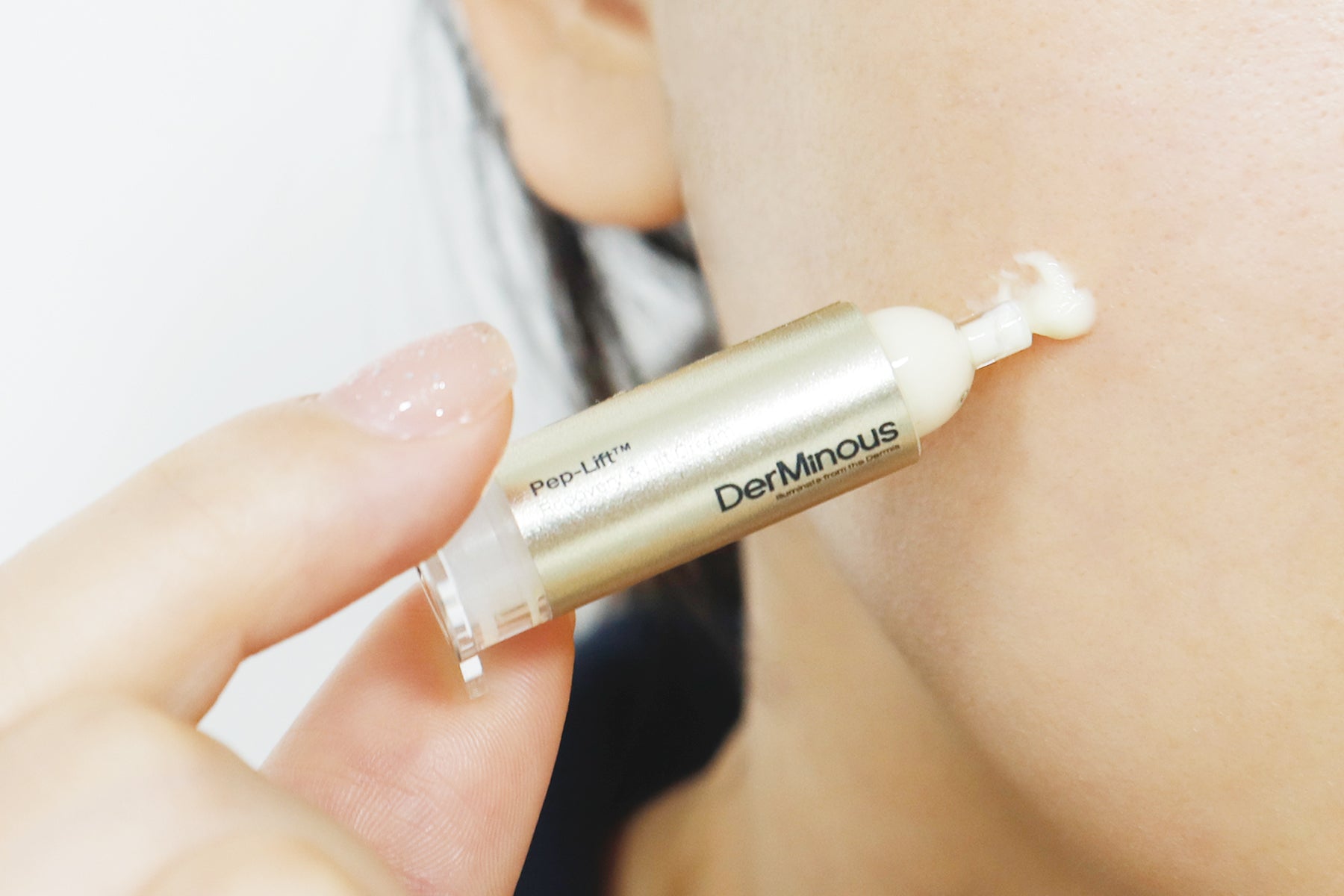
Can You Use Your Own Serum with DerMinous? Here's Why Not.
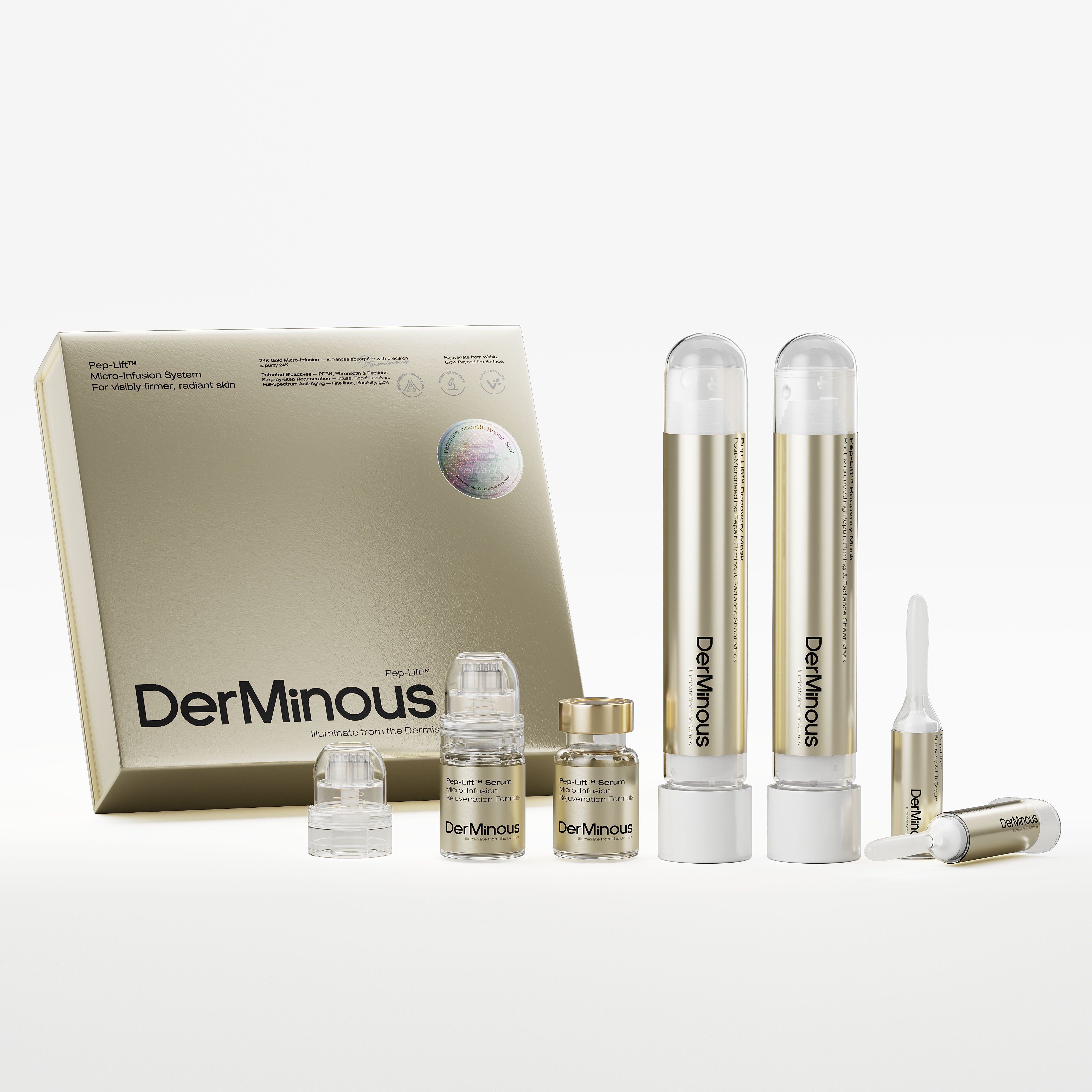
In the booming world of at-home aesthetic treatments, Derminous GeneLift™ has emerged as a standout system—blending clinical-grade efficacy with user-friendly design. Central to its success is a meticulously engineered synergy between its proprietary serum, 24K gold micro-infusion device, and post-treatment recovery protocol. But a common question arises among skincare enthusiasts: “Can I use my own serum with the Derminous micro-needle device?” The short answer is no—and for compelling scientific, safety, and performance reasons.
The Science Behind the System
Derminous isn’t just another microneedling kit. It’s a precision-engineered ecosystem where every component—from the needle geometry to the molecular weight of active ingredients—is calibrated for optimal delivery and biological response. The GeneLift™ Serum isn’t merely “a serum”; it’s a patented formulation containing PDRN (Polydeoxyribonucleotide), acetyl hexapeptide-8 (a “synthetic snake venom” peptide), DNA sodium, niacinamide, and soluble collagen—all selected not only for their individual benefits but for how they interact through the micro-channels created by the 24K gold-coated needles[1] .

Using an off-the-shelf serum disrupts this balance. Most commercial serums contain:
- High molecular weight polymers that cannot penetrate micro-channels effectively,
- Fragrances, essential oils, or alcohol that increase irritation risk on compromised skin,
- Unstable actives (like pure vitamin C) that may oxidize or degrade when forced into deeper layers without proper stabilization.
As Dr. Emily Chen, a board-certified dermatologist and aesthetic researcher, explains:
“Microneedling bypasses the stratum corneum—the skin’s primary barrier. What you apply during this window goes straight into living tissue. That’s why ingredient purity, pH, osmolarity, and sterility aren’t optional—they’re non-negotiable.”[2]

Device-Serum Integration: More Than Marketing
The Derminous 24K Gold Micro-Infusion Device isn’t a generic roller or stamp. It’s a CNC-machined, single-use applicator with precisely calibrated needle length (0.25mm) and fluid dynamics designed exclusively for GeneLift™ Serum viscosity and flow rate. The serum bottle itself functions as a reservoir with a built-in plunger mechanism—ensuring consistent, controlled delivery without dripping or clogging.
If you attempt to load your own serum:
- Viscosity mismatch may cause leakage or insufficient flow,
- Particulates or preservatives could clog the micro-channels in the needle tip,
- Non-sterile formulations introduce bacteria directly into the dermis—risking infection or granuloma formation[3] .
Moreover, the gold coating isn’t just for luxury—it provides natural antimicrobial properties that complement the serum’s sterile, preservative-free base. Introducing foreign substances negates this protective advantage.

Clinical Validation Requires Consistency
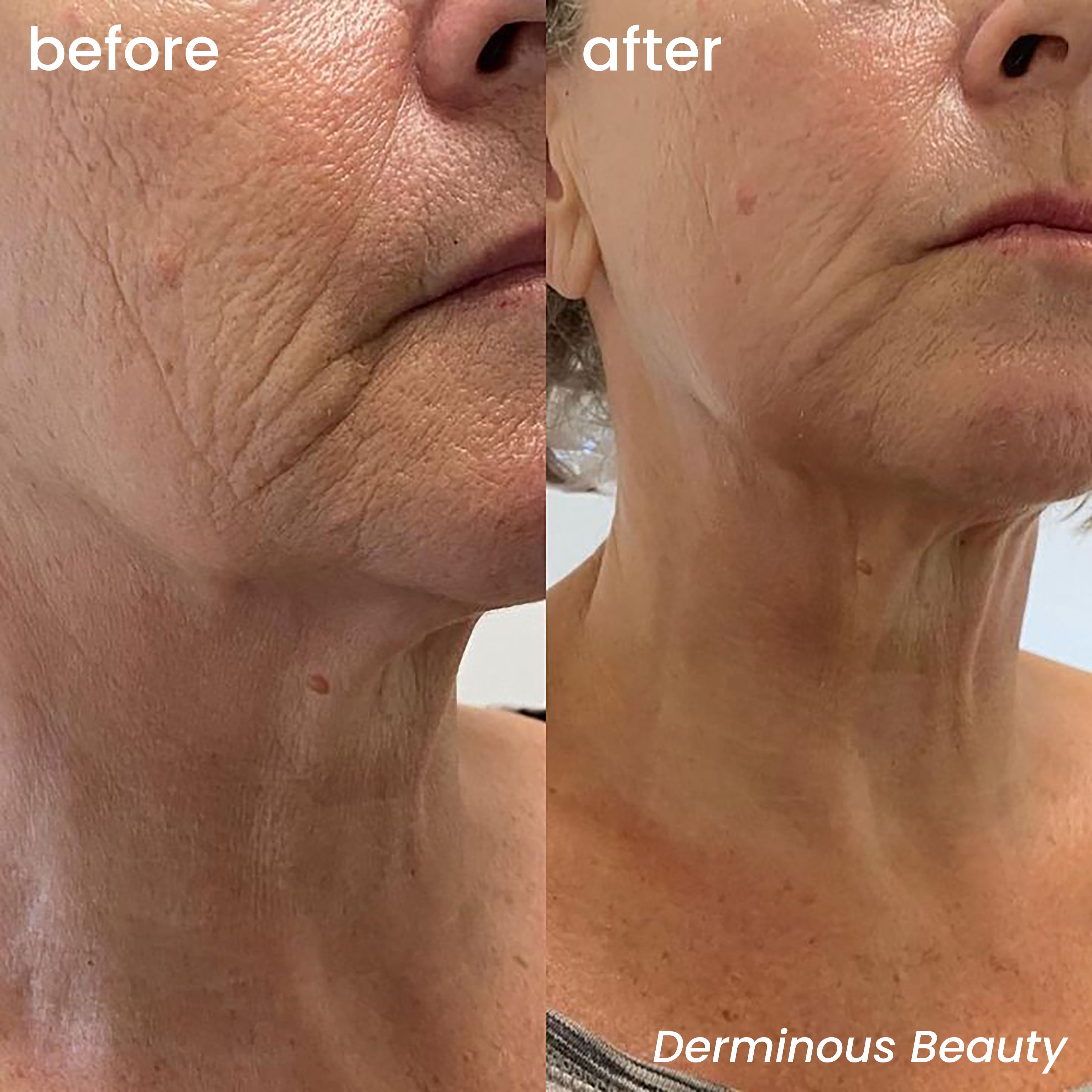
Derminous’ clinical claims—such as “visible tightening in 2–4 weeks” or “3x enhanced absorption”—are based on rigorous in-vivo testing using the complete, unaltered system. Regulatory bodies like the FDA (for cosmetic devices) and EU CPNP require such consistency for substantiated marketing claims[4] .

Substituting components invalidates these results. In fact, doing so may void any consumer warranty or support from Derminous, as the brand explicitly states:
“The GeneLift™ system is a closed-loop protocol. Altering any element compromises safety, efficacy, and intended outcomes.”[5]

This isn’t corporate rigidity—it’s scientific integrity.
What About “Clean” or “Natural” Serums?
Even if your favorite serum is labeled “clean,” “organic,” or “dermatologist-tested,” it wasn’t formulated for transdermal micro-injection. For example:
- Hyaluronic acid serums often contain high-molecular-weight HA that sits on the skin—not in it. When forced deeper, they can cause temporary swelling or uneven texture.
- Plant extracts (like green tea or licorice root) may contain polyphenols that, while antioxidant on the surface, can trigger inflammatory responses when introduced intradermally.
- Essential oils, even in trace amounts, are among the top causes of contact dermatitis in microneedling complications[6] .
Derminous avoids all such risks by using only pharmaceutical-grade, low-endotoxin, filtration-sterilized actives—formulated in a GMP-certified lab under ISO 22716 standards.
The Ritual Matters: It’s Not Just Chemistry
Beyond biochemistry, Derminous frames its treatment as a four-step ritual: Activate → Infuse → Soothe → Seal. Each phase relies on specific interactions:
- The serum primes the skin for repair via PDRN signaling,
- The gold micro-needles create transient channels without trauma,
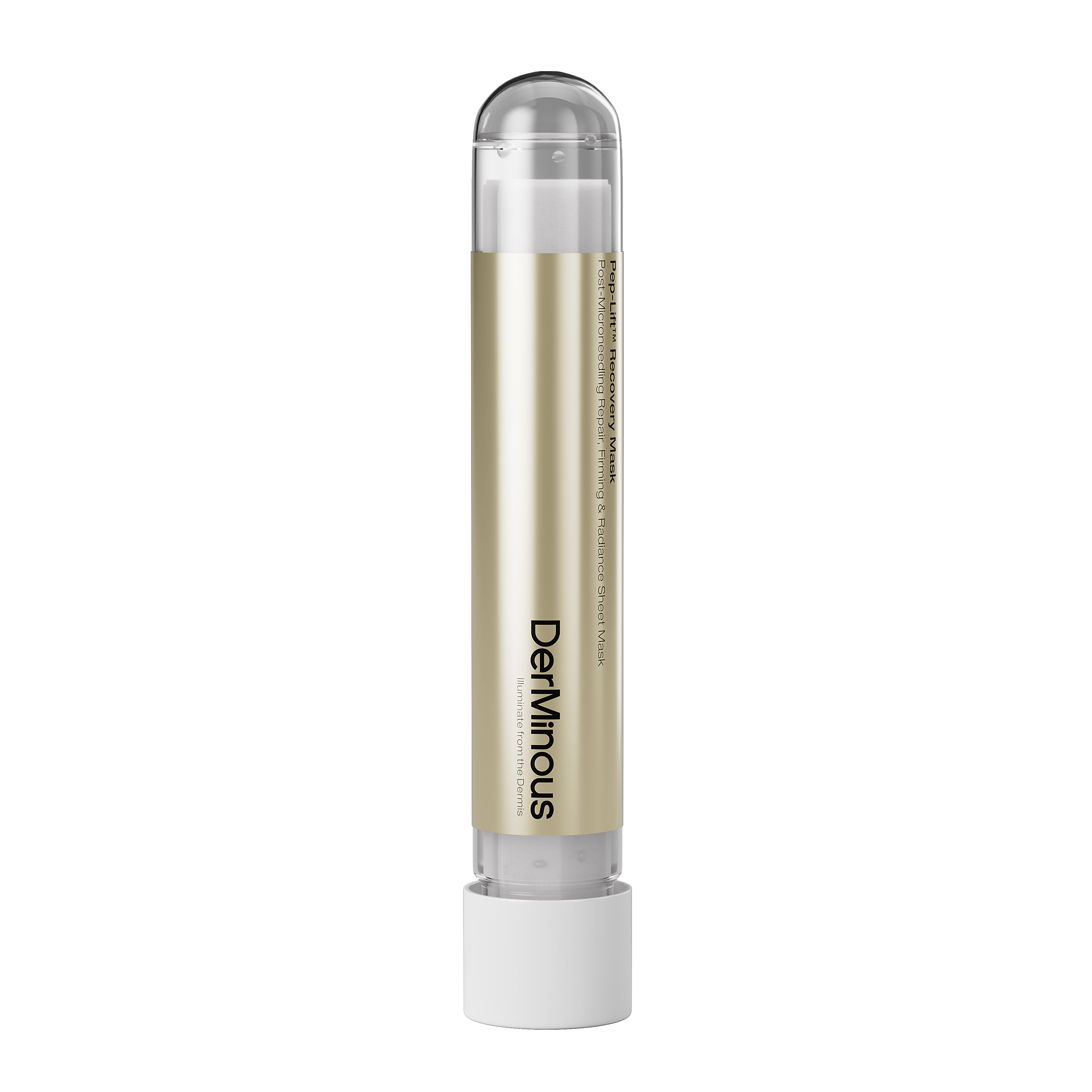
- The Recovery Mask (with mussel extract and panthenol) calms inflammation within minutes,
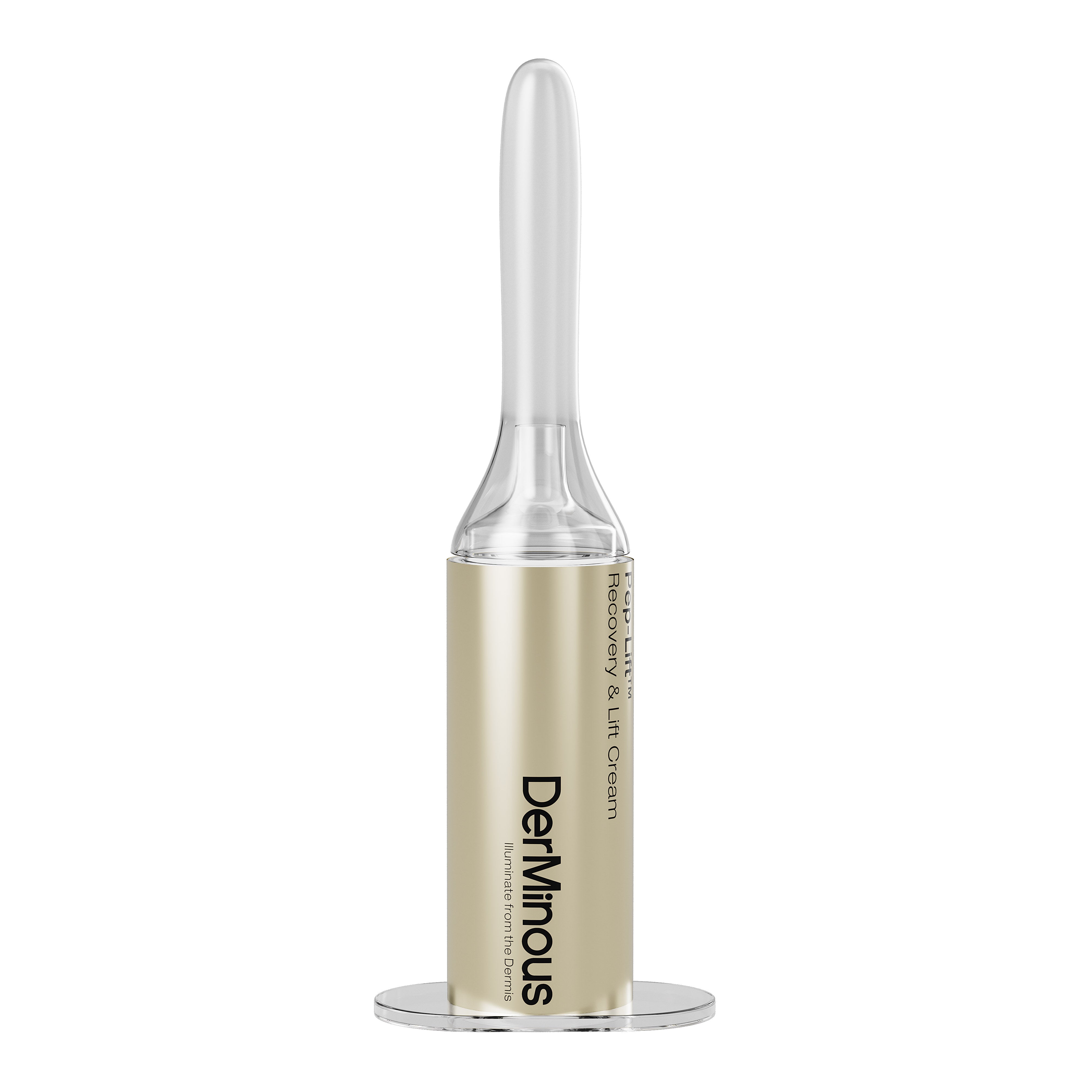
- The Lift Cream locks in actives while reinforcing barrier lipids.
Swap out the serum, and the entire cascade falters. As one clinical trial participant noted:
“I tried using my vitamin C serum once. My face turned red for two days. With the real Derminous serum? Zero downtime—just glow.”[7]
Final Verdict: Respect the System
At its core, Derminous represents a paradigm shift: bringing medical-grade regenerative science into the home without compromise. That vision only works if the system remains intact. Using your own serum isn’t “customization”—it’s compromising a clinically validated protocol for untested variables.
If you seek personalized skincare, consider this: Derminous already tailors its formula to universal skin needs—repair, brighten, tighten, protect—using ingredients backed by decades of wound-healing and anti-aging research. There’s no need to reinvent the wheel when the vehicle is already engineered for the race.


So, can you use your own serum with Derminous? Technically, maybe.
Should you? Absolutely not.
Footnotes
-
Derminous Official Website – GeneLift™ Core Ingredients & Technology. https://www.derminous.com/science↩
-
American Academy of Dermatology – Microneedling: What You Need to Know. https://www.aad.org/public/everyday-care/skin-care-secrets/routine/microneedling-what-you-need-to-know↩
-
Journal of Cosmetic Dermatology (2022) – Complications of At-Home Microneedling Devices. https://doi.org/10.1111/jocd.15122↩
-
U.S. Food and Drug Administration – Guidance for Industry: Cosmetic Labeling Manual. https://www.fda.gov/cosmetics/cosmetics-labeling-regulations/cosmetic-labeling-manual↩
-
Derminous User Manual – System Integrity & Safety Guidelines. https://www.derminous.com/manual↩
-
Contact Dermatitis Journal – Essential Oils as Sensitizers in Transdermal Delivery Systems (2021). https://doi.org/10.1111/cod.13845↩
-
Real User Testimonial, Derminous Community Forum (2024). https://community.derminous.com/testimonials/gene-lift-experience↩