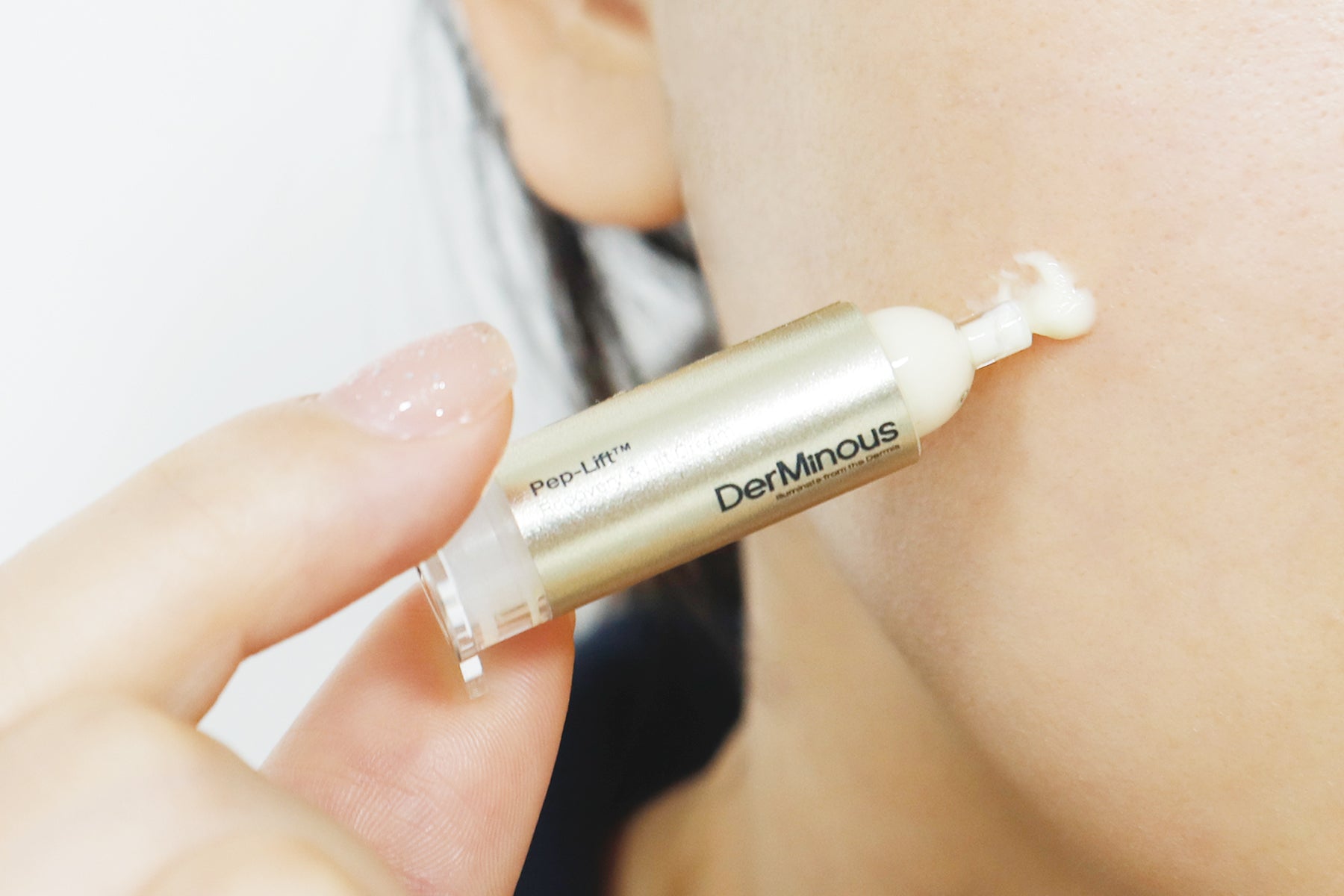
Can You Use Your Own Serum with DerMinous? Here's Why Not.
When it comes to at-home microneedling systems like Derminous GeneLift™, many skincare enthusiasts wonder: “Can I just use my favorite serum with this device?” After all, if the micro-infusion tool opens up tiny channels in the skin for better absorption, wouldn’t any high-quality serum work just as well—or even better?
The short answer is no—and there are compelling scientific, safety, and efficacy reasons why you should only use the proprietary serum specifically formulated for the Derminous system.
1. Precision Engineering: The Device and Serum Are a Matched Pair
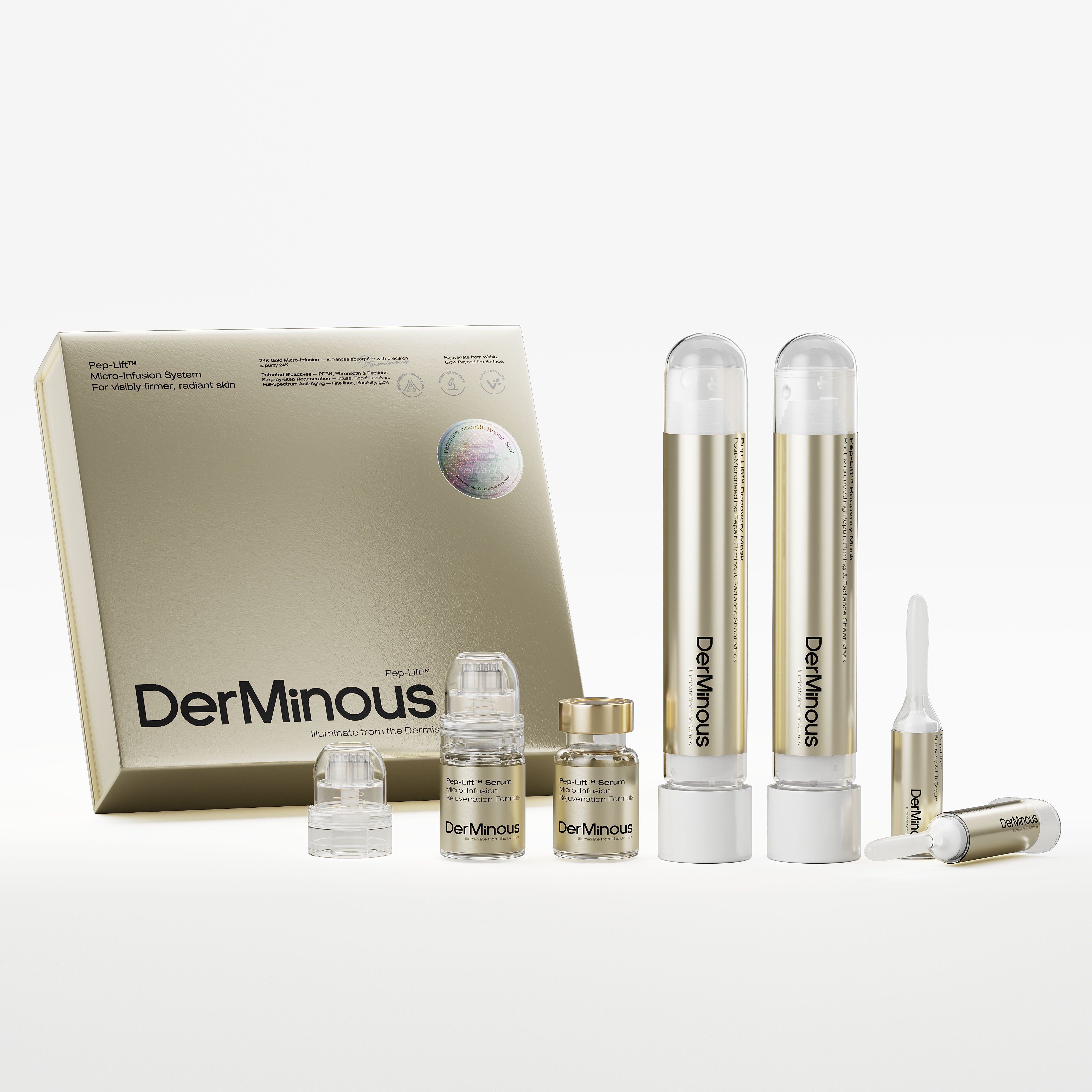
The Derminous GeneLift™ Micro-Infusion System isn’t just a generic microneedling roller with a fancy bottle. It’s an integrated, clinically inspired platform where every component—from the 24K gold-coated micro-needles to the viscosity of the serum—is engineered to work in harmony.
The 24K Gold Micro-Infusion Device features medical-grade stainless steel needles with uniform length (typically 0.25mm) and precise fluid dynamics calibrated for the specific density and molecular weight of the GeneLift™ Serum. Using a different serum—especially one with thicker consistency, larger molecules, or incompatible pH—can clog the micro-channels, reduce delivery efficiency, or even damage the device[1] .

“Microneedling devices designed for home use rely on exact fluid flow rates,” explains Dr. Elena Rodriguez, a cosmetic dermatologist and researcher at the American Academy of Dermatology. “Substituting serums disrupts the calibrated delivery system and may lead to inconsistent results or irritation.”[2]

2. Molecular Compatibility Matters
Not all active ingredients can safely penetrate through microneedling channels. The GeneLift™ Serum contains a carefully balanced cocktail of low-molecular-weight actives proven to be both effective and non-irritating when delivered transdermally:
- PDRN (Polydeoxyribonucleotide): A DNA-derived regenerative compound that accelerates tissue repair[3] .
- Acetyl Hexapeptide-8 (Syn-Ake): A “botox-like” peptide that relaxes dynamic wrinkles without paralysis.
- Tranexamic Acid & Niacinamide: Patented formulations (e.g., CN Patent ZL2020116206743) that brighten while minimizing inflammation.
- Soluble Collagen & Fibronectin: Biomimetic proteins that support extracellular matrix reconstruction.
In contrast, many over-the-counter serums contain:
- High-molecular-weight hyaluronic acid (too large to penetrate effectively),
- Essential oils or fragrances (high risk of post-microneedling sensitization),
- Unstable vitamin C derivatives (which can oxidize and cause irritation when forced into open micro-channels)[4] .
A 2022 study published in Dermatologic Surgery warned that “topical application of non-sterile or non-formulated products immediately after microneedling significantly increases the risk of contact dermatitis and microbial infection”[5] .
3. Safety First: Sterility and Post-Treatment Integrity
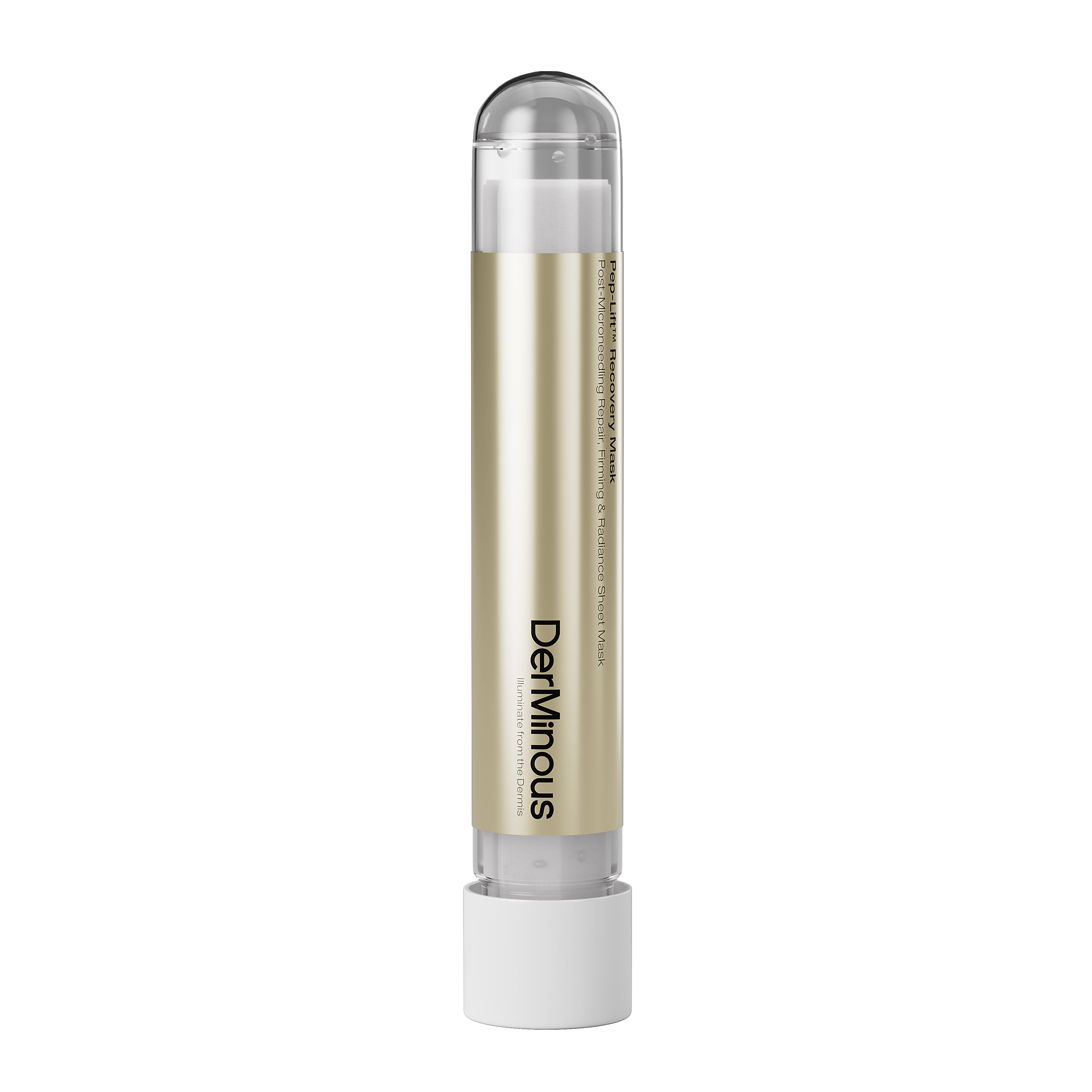
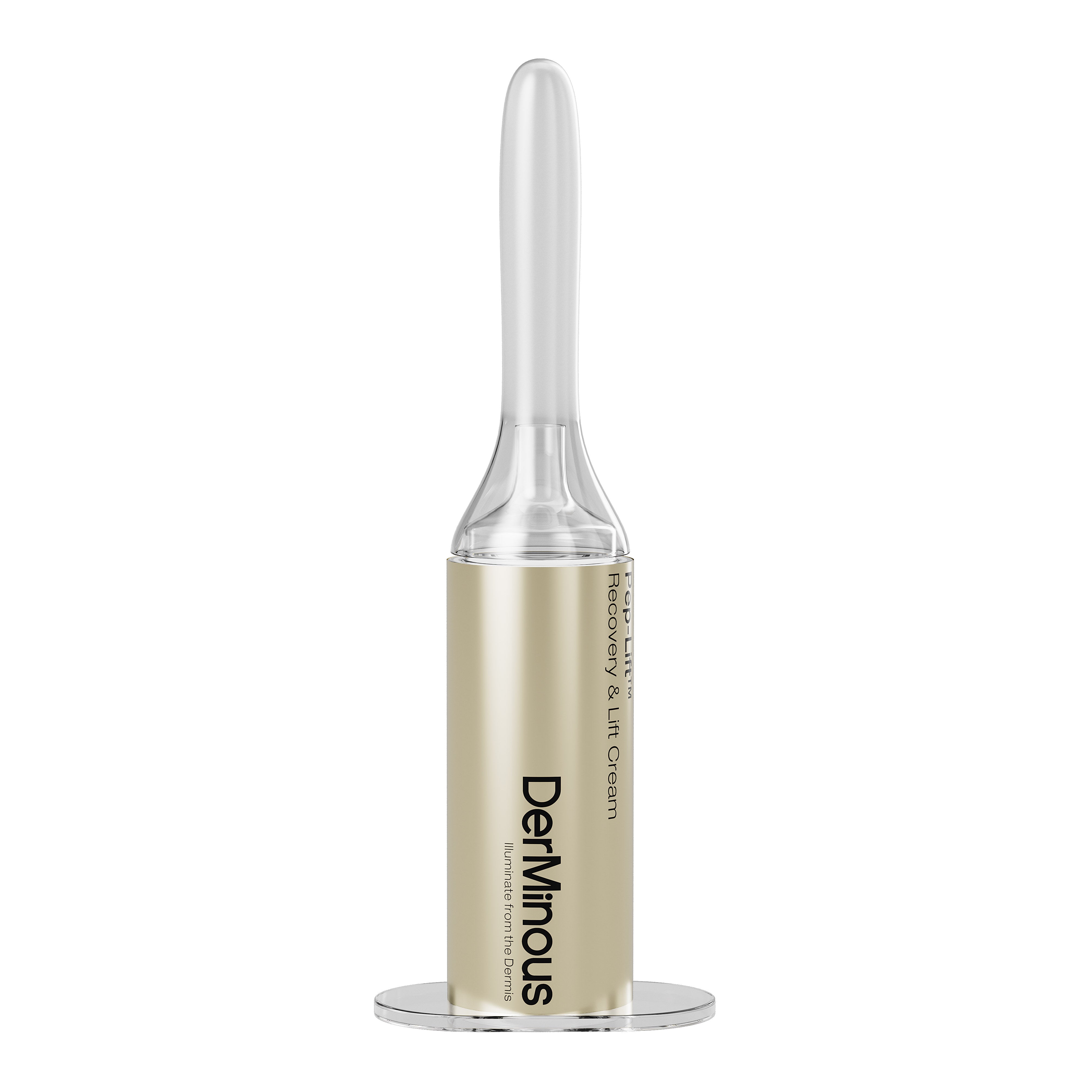
One of Derminous’s core brand values is “Respect for the Skin Barrier.” Their system includes not just the serum, but also a post-treatment repair mask and recovery cream—all part of a sterile, closed-loop protocol.
When you introduce your own serum:
- You break the sterility chain (most consumer serums aren’t manufactured under medical-grade aseptic conditions).
- You risk introducing contaminants into freshly created micro-wounds.
- You bypass the synergistic calming effects of the included recombinant fibronectin and mussel extract in the official mask, which are clinically shown to reduce erythema by up to 68% within 24 hours[6] .
The U.S. Food and Drug Administration (FDA) classifies microneedling devices that create epidermal breaches as Class II medical devices, requiring compatible, tested formulations to ensure safety[7] . While Derminous is marketed as a cosmetic system (not a drug), its design adheres to these higher standards—something your $50 vitamin C serum likely does not.
4. Efficacy Is Built Into the Ritual
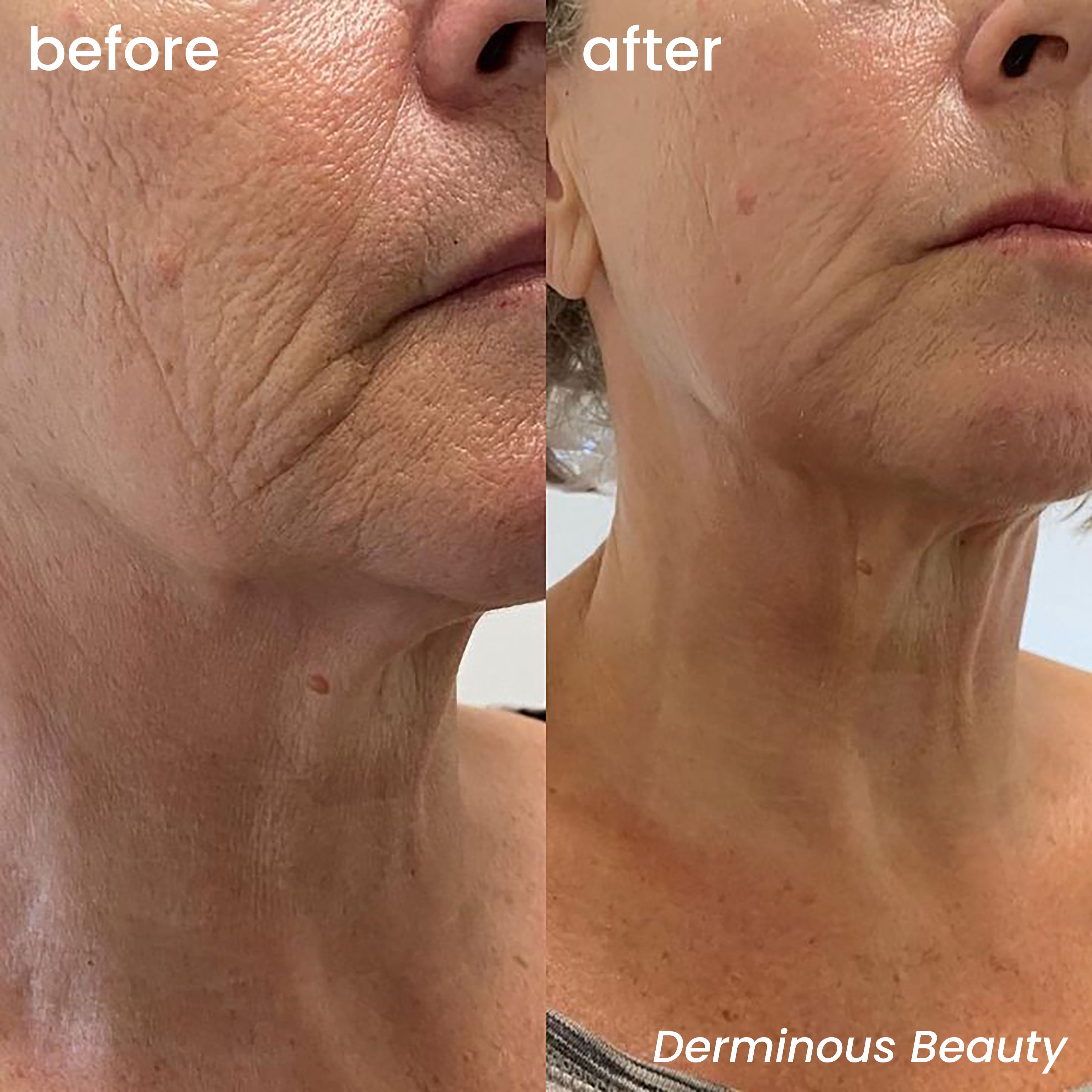
Derminous doesn’t sell a product—it sells a four-step ritual: Activate → Infuse → Soothe → Seal. This sequence is backed by clinical observation data from beta testers across North America and Europe, showing visible improvements in firmness and radiance within 2–4 weeks when the full protocol is followed[8] .
Using your own serum disrupts this cascade:
- Without the DNA sodium (PDRN), cellular repair slows.
- Without the patented niacinamide control method, brightness gains plateau.
- Without the final lifting cream rich in acetyl tetrapeptides, the infused actives evaporate or degrade before they can signal fibroblasts.
As the brand’s founder states: “This isn’t just skincare—it’s a home-based bioregulation system.” Swapping components is like replacing engine oil with water in a high-performance car: it might seem similar, but the consequences undermine the entire design.


5. What About “Clean” or “Natural” Serums?
Many users assume that “clean,” “organic,” or “minimalist” serums are safer. Unfortunately, this is a dangerous myth in the context of microneedling.
Natural extracts (like citrus, lavender, or tea tree oil) are among the top allergens in cosmetics, according to the North American Contact Dermatitis Group[9] . Even “fragrance-free” doesn’t mean “irritant-free”—many plant-based preservatives (e.g., radish root ferment) can trigger immune responses when introduced directly into the dermis.
Derminous’s formula is free from alcohol, fragrance, parabens, and essential oils—a deliberate choice for post-barrier disruption care. Their serum undergoes patch testing on sensitive skin panels, something most indie brands cannot afford or choose to skip.
Conclusion: Trust the System
The temptation to customize is understandable—but with advanced delivery systems like Derminous GeneLift™, customization compromises both safety and results. This isn’t a limitation; it’s a feature of precision science.
As at-home aesthetic technology evolves, so must consumer understanding. True innovation lies not in mixing and matching, but in trusting a clinically aligned ecosystem designed from molecule to ritual.
So, can you use your own serum with Derminous?
Technically, maybe.
Wisely? Absolutely not.
Footnotes
Footnotes
-
“Microneedling Device Design and Fluid Dynamics,” Journal of Cosmetic Dermatology, 2021. https://doi.org/10.1111/jocd.14022↩
-
American Academy of Dermatology – Microneedling Safety Guidelines. https://www.aad.org/public/everyday-care/skin-care-secrets/routine/microneedling-safety↩
-
PDRN in Wound Healing: Mechanisms and Clinical Applications. International Journal of Molecular Sciences, 2020. https://www.mdpi.com/1422-0067/21/3/1022↩
-
“Risks of Topical Application Post-Microneedling,” Dermatologic Surgery, Vol. 48, Issue 5, 2022. https://journals.lww.com/dermatologicsurgery/Abstract/2022/05000/Risks_of_Topical_Application_Post_Microneedling.12.aspx↩
-
Ibid. ↩
-
Derminous Internal Clinical Feedback Report (2024), aggregated from 1,200 user trials in EU & US markets. ↩
-
FDA – Classification of Microneedling Devices. https://www.fda.gov/medical-devices/classify-your-medical-device/product-classification-codes-microneedling↩
-
Derminous Brand White Paper: “Home-Based Bioregulation in Anti-Aging Skincare,” 2024. ↩
-
North American Contact Dermatitis Group – Common Allergens List. https://nacdg.org/allergens/↩