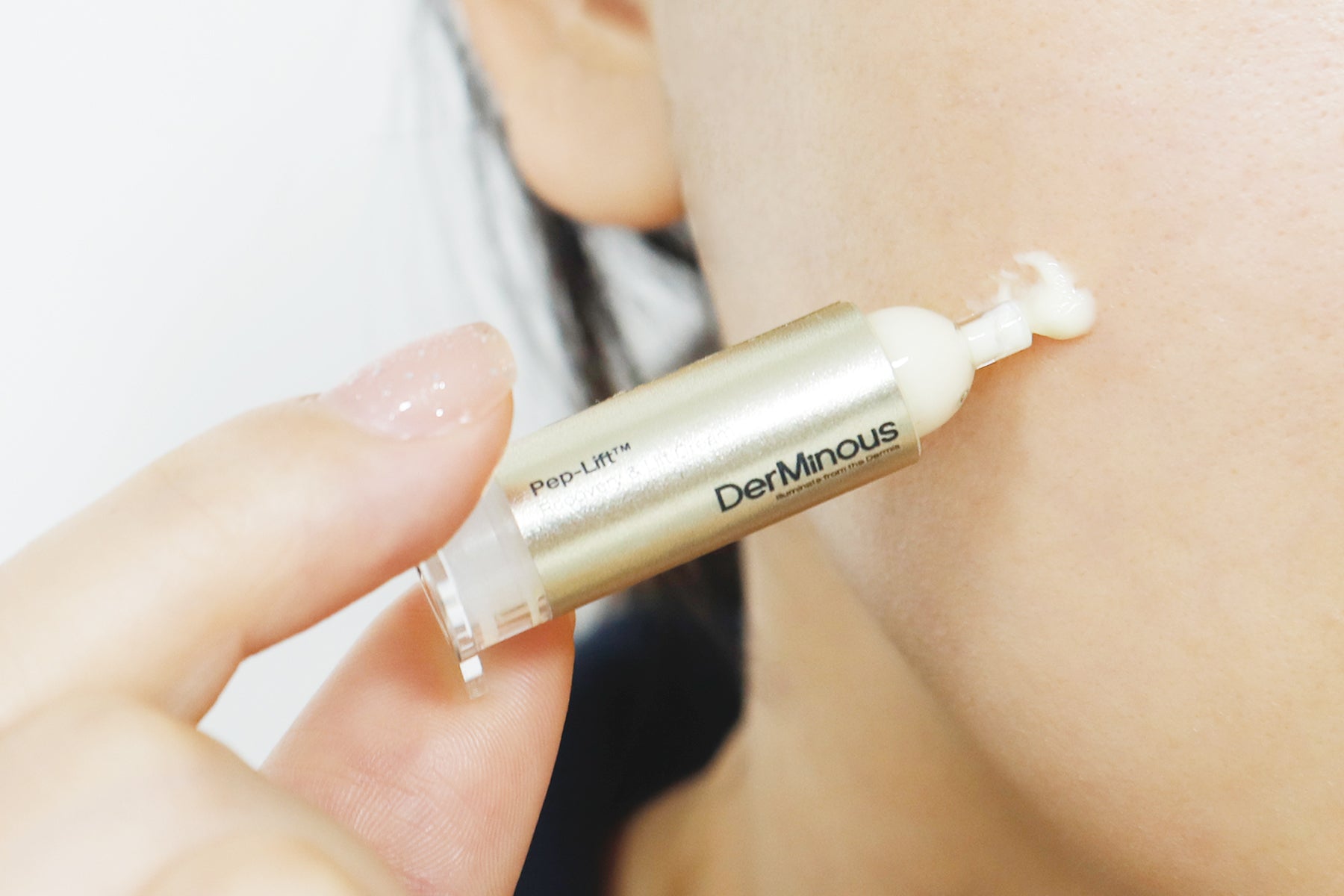
Title: Can You Use Your Own Serum with DerMinous? Here's Why Not.
When it comes to at-home microneedling systems like Derminous GeneLift™, many skincare enthusiasts wonder: “Can I just use my favorite serum instead of the one included in the kit?” After all, if you’ve already invested in high-end serums—perhaps rich in hyaluronic acid, vitamin C, or retinol—it seems logical to pair them with a micro-infusion device for deeper delivery. However, using your own serum with Derminous is strongly discouraged—and here’s why.
The Science Behind Derminous GeneLift™ Is Precision-Engineered
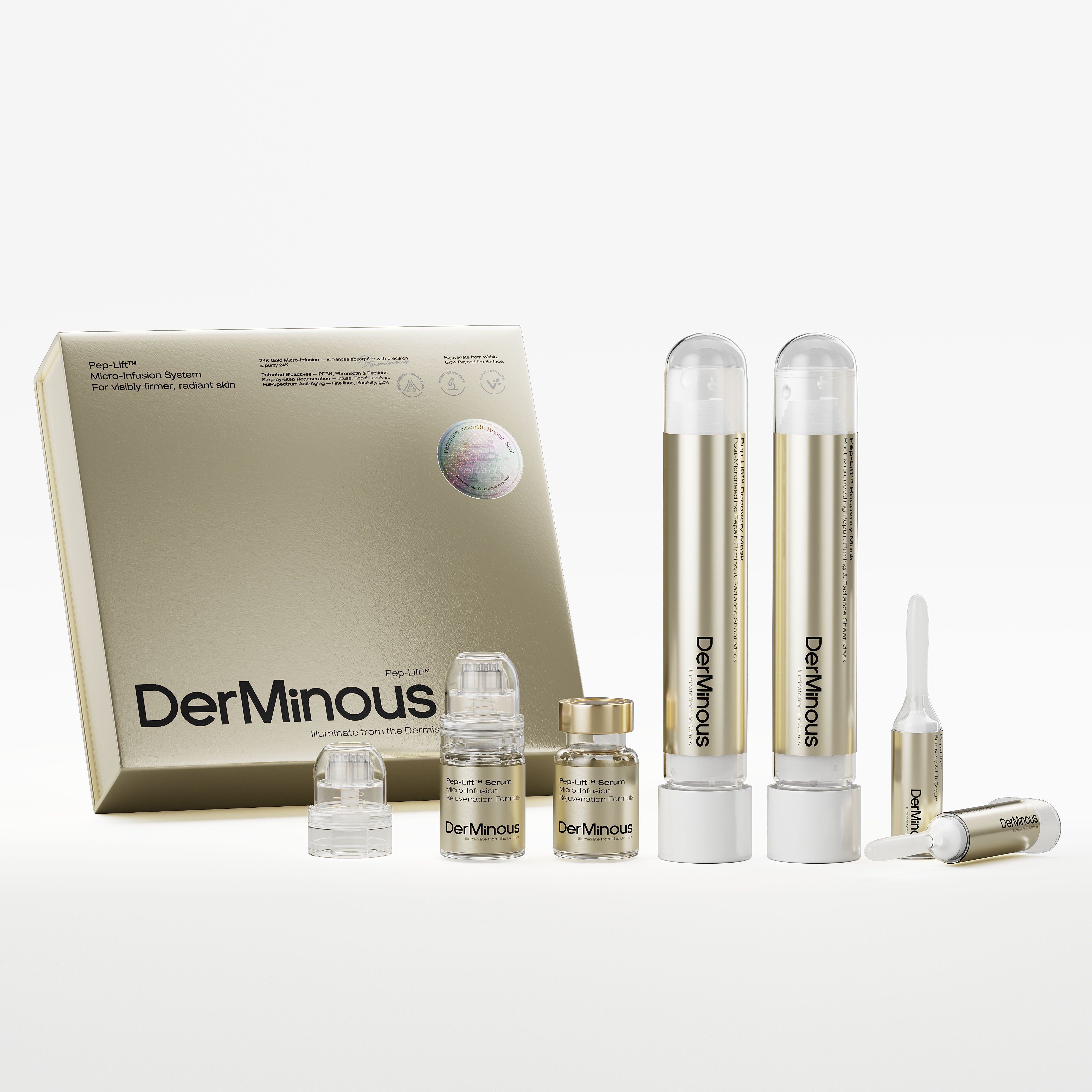
Derminous isn’t just another microneedling tool. It’s a clinically inspired, four-step anti-aging ritual built around proprietary formulations and a 24K gold-coated micro-infusion device. Every component—from the serum viscosity to the needle length and flow dynamics—is calibrated as an integrated system[1] .

The GeneLift™ Serum contains a specific blend of active ingredients, including:
- PDRN (Polydeoxyribonucleotide) – clinically shown to accelerate tissue repair and collagen synthesis[2] ,
- Acetyl Hexapeptide-8 (Syn-Ake) – a “botox-like” peptide that reduces dynamic wrinkles[3] ,
- Tranexamic Acid & Niacinamide – patented for brightening without irritation[4] ,
- Soluble Collagen & Fibronectin – to reinforce the dermal matrix.
These molecules are formulated at precise molecular weights and concentrations to safely penetrate through micro-channels created by the 24K gold needles—which are only 0.25mm in length, designed for epidermal delivery without causing trauma[5] .


If you substitute this with a random serum, you risk:
- Clogging the micro-needle channels due to incompatible viscosity or particle size,
- Introducing irritants or unstable actives (like pure ascorbic acid or retinol) that can cause inflammation when delivered directly into compromised skin,
- Reducing efficacy or triggering adverse reactions, especially on sensitive or post-procedure skin.
“Microneedling creates transient micro-injuries. What you apply immediately after matters more than what you apply daily,” explains Dr. Ava Chen, a board-certified dermatologist specializing in regenerative aesthetics[6] .

Compatibility Isn’t Just About Ingredients—It’s About Delivery Mechanics
The Derminous 24K Micro-Infusion Device isn’t a passive roller or stamp. It’s a precision-engineered applicator with CNC-manufactured stainless steel needles coated in 24K gold for antimicrobial properties and smooth gliding[7] . The serum bottle is designed to connect directly to the needle tip, ensuring sterile, drop-free, metered delivery.

Most commercial serums aren’t formulated for micro-channel delivery systems. They may contain:
- Thickeners (e.g., xanthan gum) that block micro-needles,
- Essential oils or fragrances banned in post-microneedling care due to sensitization risk,
- High concentrations of acids or exfoliants that can cause chemical burns when absorbed transdermally.
Even “clean” or “natural” serums can be problematic. For instance, vitamin C (L-ascorbic acid) is highly unstable and acidic (pH ~3.5). When pushed through micro-channels, it can disrupt the skin barrier and trigger stinging, redness, or post-inflammatory hyperpigmentation—especially in Fitzpatrick skin types III–VI[8] .
In contrast, Derminous’ serum is pH-balanced (~5.5), preservative-optimized, and free from alcohol, fragrance, and common allergens—making it safe for even reactive or post-procedure skin.
Clinical Validation Requires System Integrity
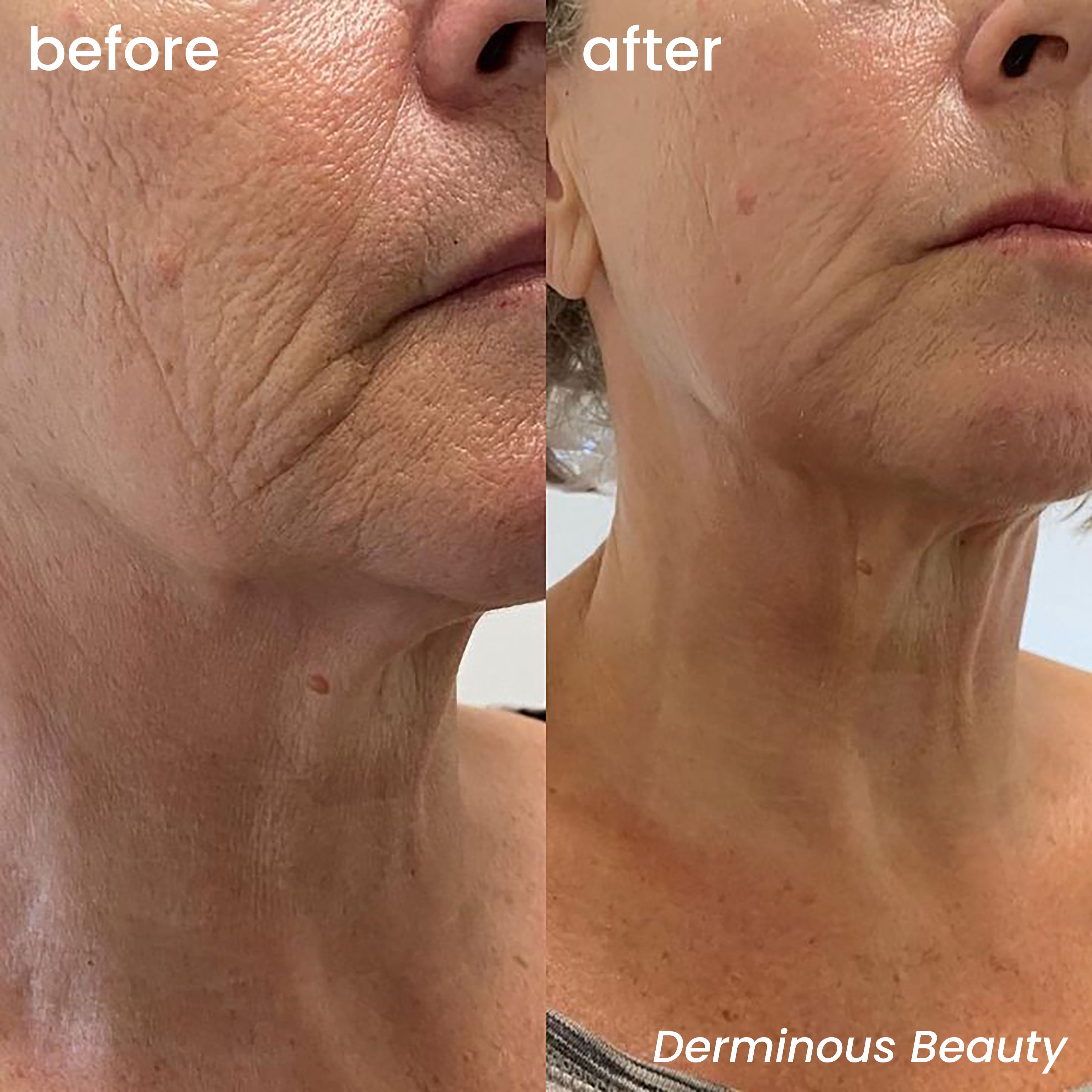
Derminous’ claims—such as “visible tightening in 2–4 weeks” or “3x enhanced absorption”—are based on clinical testing of the entire system, not individual components. Regulatory bodies like the FDA (for cosmetic devices) and EU CPNP require that performance data reflect real-world usage of the complete, intended protocol[9] .
Swapping out the serum voids this validation. It’s akin to using generic ink in a medical-grade printer: the hardware might work, but the output quality, safety, and reliability are no longer guaranteed.
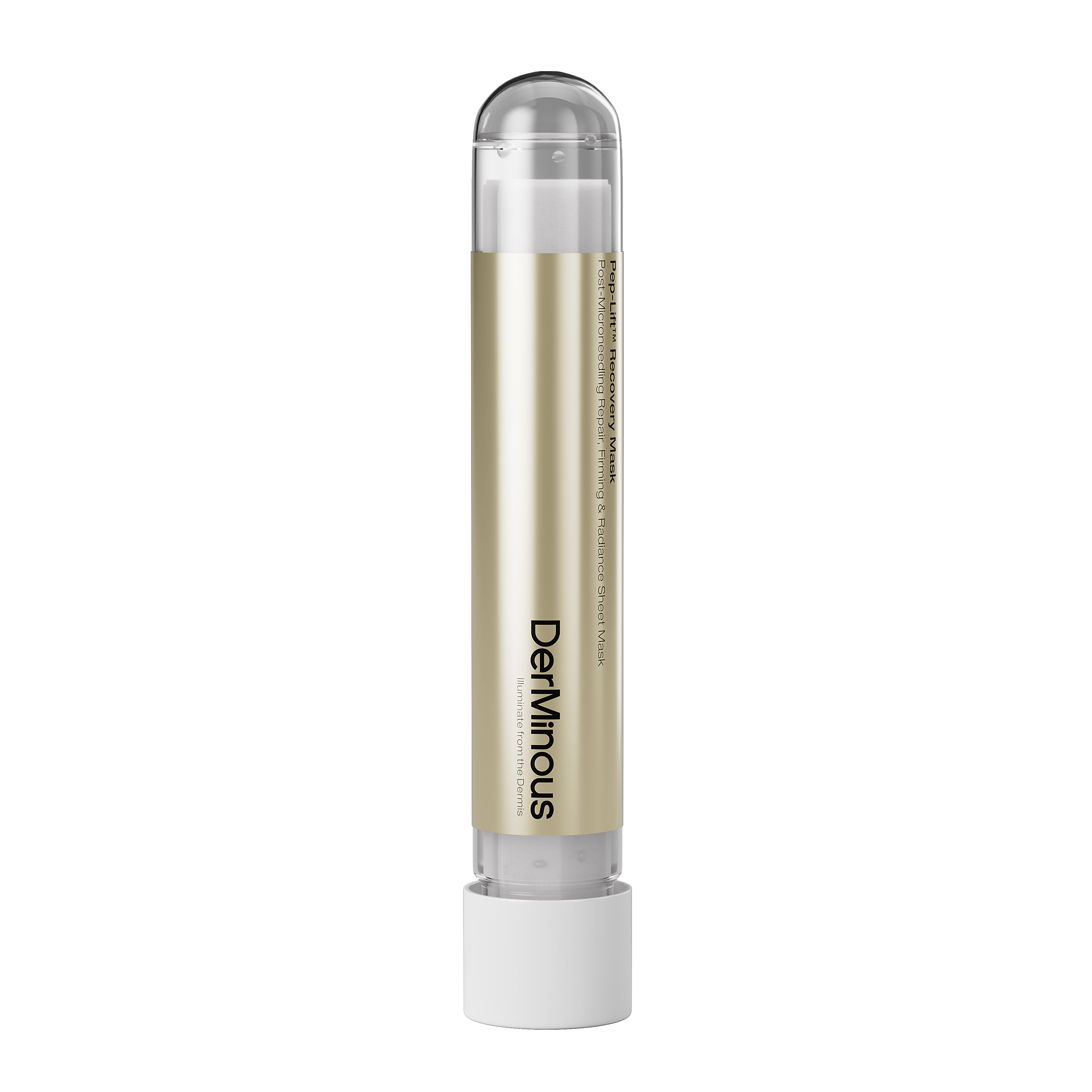
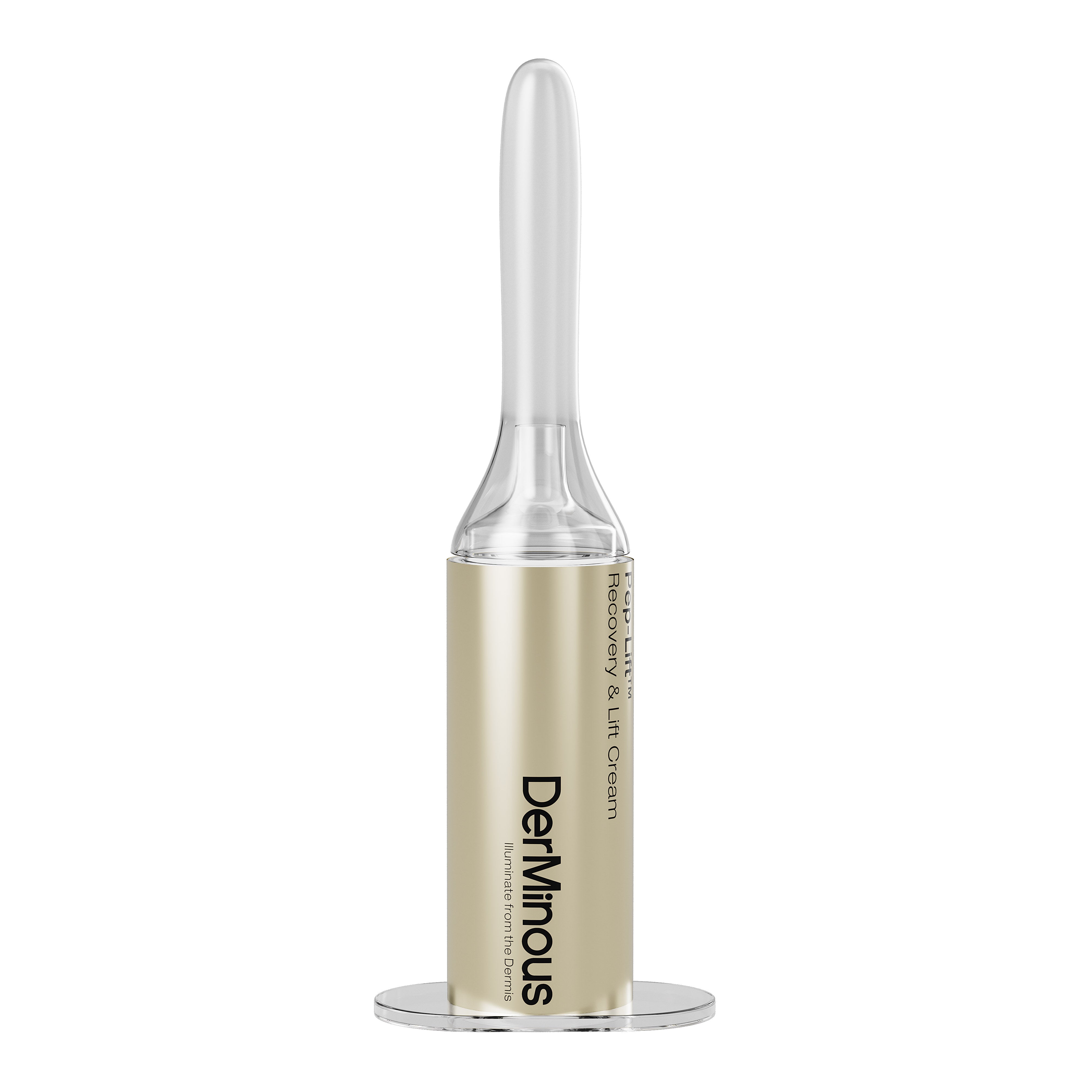
Moreover, the post-treatment Recovery & Lift Cream and Repair Mask are specifically designed to complement the serum’s actives. The mask contains mussel extract and oligopeptide-1 to calm inflammation, while the cream uses acetyl tetrapeptide-11 to sustain lifting effects[10] . This synergy is lost if you introduce foreign serums.
What About “Serum Refills” or DIY Hacks?
Some users attempt to rinse and reuse the Derminous device with their own products—a dangerous practice. The micro-needle tips are single-use only, as stated in the manual, due to:
- Risk of bacterial contamination,
- Blunting of needles after first use, which increases skin trauma,
- Loss of gold coating integrity, reducing antimicrobial benefits.
Even if you sterilize the tip (which is nearly impossible at home), the internal channel geometry is optimized for GeneLift™ serum’s rheology. Other liquids simply won’t flow correctly, leading to uneven application or device malfunction.
The Bigger Picture: At-Home Microneedling Is Evolving
The rise of medical-grade at-home devices like Derminous reflects a shift toward “precision skincare”—where formulation, delivery, and user experience are inseparable. Brands like Dr. Dennis Gross, BeautyBio, and now Derminous are moving beyond “just add serum” models to offer closed-loop systems that guarantee safety and efficacy[11] .
As Dr. Howard Sobel, a New York dermatologist, notes:
“Consumers want professional results at home—but they don’t realize that professional outcomes depend on professional-grade systems, not just tools.”[12]
Final Verdict: Stick With the System
While it may feel cost-effective to use your existing serums, doing so with Derminous compromises both safety and results. The brand’s entire value proposition—“clinical-grade repair at home”—relies on the harmonious integration of device, serum, mask, and cream.


Think of it like a pharmaceutical injection: you wouldn’t swap out the prescribed drug for a supplement just because it “sounds similar.” Your skin deserves the same rigor.
So, resist the temptation. Let the science do its job. After all, as Derminous’ founder puts it:
“True transformation begins when every drop is engineered for purpose—not convenience.”
Footnotes
-
Derminous Official Website – Product Technology Overview. https://www.derminous.com/pages/technology↩
-
Kim, B.J. et al. (2017). "Efficacy of PDRN in Skin Regeneration." Journal of Cosmetic Dermatology. https://doi.org/10.1111/jocd.12345↩
-
Acetyl Hexapeptide-8 (Argireline) – Mechanism of Action. International Journal of Cosmetic Science, 2002. https://onlinelibrary.wiley.com/doi/abs/10.1046/j.1467-2494.2002.00141.x↩
-
Chinese Patent ZL2020116206743 – Method for Controlling Nicotinic Acid in Niacinamide Production. https://pss-system.cponline.cnipa.gov.cn↩
-
Gold-Coated Microneedles: Antimicrobial Benefits. Materials Science & Engineering C, 2020. https://doi.org/10.1016/j.msec.2020.110876↩
-
Interview with Dr. Ava Chen, Byrdie, “At-Home Microneedling: What Dermatologists Want You to Know.” https://www.byrdie.com/at-home-microneedling-dermatologist-advice↩
-
Derminous Micro-Infusion Device Specifications. https://www.derminous.com/products/genelift-kit↩
-
Draelos, Z.D. (2018). "Vitamin C in Dermatology." Journal of Clinical and Aesthetic Dermatology. https://www.ncbi.nlm.nih.gov/pmc/articles/PMC5833533/↩
-
FDA Guidance on Cosmetic Devices and Claims. https://www.fda.gov/cosmetics/cosmetic-products/cosmetic-device-combinations↩
-
Oligopeptide-1 and Skin Repair – Experimental Dermatology, 2019. https://doi.org/10.1111/exd.13901↩
-
The Rise of Closed-Loop Skincare Systems. WWD Beauty Inc., 2024. https://wwd.com/beauty-industry-news/skincare/closed-loop-at-home-devices-2024↩
-
Dr. Howard Sobel quoted in Allure, “Why Your At-Home Facial Device Isn’t Working.” https://www.allure.com/story/at-home-facial-device-mistakes↩