Title: Can You Use Your Own Serum with DerMinous? Here's Why Not.
When it comes to at-home microneedling systems like Derminous GeneLift™, many skincare enthusiasts wonder: Can I skip the included serum and use my favorite one instead? After all, if you already own a high-end vitamin C or hyaluronic acid serum, why not combine it with a gold-plated micro-infusion device for “customized” results? While this might seem logical—and even cost-effective—it’s actually a risky move that could compromise both your skin’s safety and the system’s efficacy. In this article, we’ll explain why Derminous is engineered as a closed-loop, precision skincare system, and why substituting its proprietary serum undermines its clinical-grade design.
The Science Behind Derminous: A System, Not Just a Tool
Derminous isn’t just another derma roller or generic microneedling pen. It’s a patented, four-step home aesthetic ritual that integrates device engineering, formulation science, and post-treatment care into one seamless experience. At its core lies the 24K Gold Micro-Infusion Device, which creates microscopic channels in the epidermis to enhance ingredient delivery—up to 3x deeper than topical application alone[1] .

However, this enhanced penetration works only when paired with serums specifically formulated for micro-channeling. Most commercial serums contain ingredients that are too large, unstable, or irritating for direct intradermal delivery. For example:
- Vitamin C (L-ascorbic acid) is highly acidic (pH ~2–3) and can cause severe stinging, inflammation, or even chemical burns when introduced below the stratum corneum.
- Essential oils, fragrances, or alcohol-based toners—common in luxury skincare—can trigger allergic reactions or disrupt the skin barrier when bypassing its natural defenses.
- High-molecular-weight hyaluronic acid may clog micro-channels rather than absorb effectively.
In contrast, Derminous GeneLift™ Serum is meticulously designed for micro-infusion:
- pH-balanced (~5.5) to match skin’s natural acidity
- Free of alcohol, fragrance, dyes, and known irritants
- Contains low-molecular-weight actives like PDRN (Polydeoxyribonucleotide), Acetyl Hexapeptide-8 (Syn-Ake®), and patented niacinamide that are proven safe for transdermal delivery[2]
“Microneedling opens a temporary gateway into the living layers of skin. What you put through that gateway matters immensely,” explains Dr. Elena Martinez, a board-certified dermatologist specializing in regenerative aesthetics[3] .


Why Compatibility Matters: Device + Formula = Synergy
The 24K gold-coated needles in Derminous aren’t just for aesthetics—they serve a functional purpose. Gold is naturally antimicrobial and reduces oxidative stress during micro-injury, minimizing redness and infection risk[4] . But even gold can’t protect against incompatible formulations.

Derminous’ serum viscosity, surface tension, and flow rate are calibrated to work with the CNC-engineered micro-channels of the device. If you use a thicker serum (like many peptide concentrates), it may not flow properly, leading to uneven distribution or needle clogging. Too thin, and it drips excessively, wasting product and increasing irritation risk.
Moreover, the serum contains DNA sodium (PDRN), a regenerative compound derived from salmon DNA, clinically shown to accelerate wound healing and collagen synthesis after microneedling[5] . This isn’t just “moisturizing”—it’s active tissue repair. Substituting it with a basic hydrator forfeits this critical recovery phase.
Safety First: The Hidden Risks of DIY Serum Swapping
The U.S. FDA classifies microneedling devices that penetrate beyond 0.5mm as Class II medical devices, requiring strict compatibility controls[6] . While Derminous’ needles are under 0.3mm (making it cosmetic-grade), the principle remains: introducing foreign substances into compromised skin increases infection and sensitization risks.
Consider this real-world scenario:
A user applied their retinol serum post-microneedling, assuming “more active = better results.” Within hours, they developed severe erythema, peeling, and post-inflammatory hyperpigmentation (PIH)—especially common in Fitzpatrick skin types III–VI. Retinoids are contraindicated immediately after microneedling due to their exfoliating and photosensitizing effects[7] .
Derminous avoids such pitfalls by including only barrier-supportive, anti-inflammatory actives:
- Recombinant fibronectin to rebuild extracellular matrix
- Arginine/Lysine polypeptides to strengthen skin resilience
- Ectoin (Tetrahydromethylpyrimidine carboxylic acid) for osmoprotection against environmental stress
These aren’t just “nice-to-haves”—they’re essential for safe recovery.
Clinical Validation: Why “Patented” Isn’t Just Marketing
Derminous holds three key patents directly tied to its serum formulation:
- ZL 202111504220.4: A liquid-phase synthesis method for snake venom-like tripeptide (Acetyl Hexapeptide-8), enhancing stability and bioavailability.
- PDRN extraction and purification protocol, ensuring >95% purity for optimal cell regeneration.
- ZL 2020116206743: A niacinamide preparation method that minimizes residual nicotinic acid—a common cause of flushing and irritation[8] .
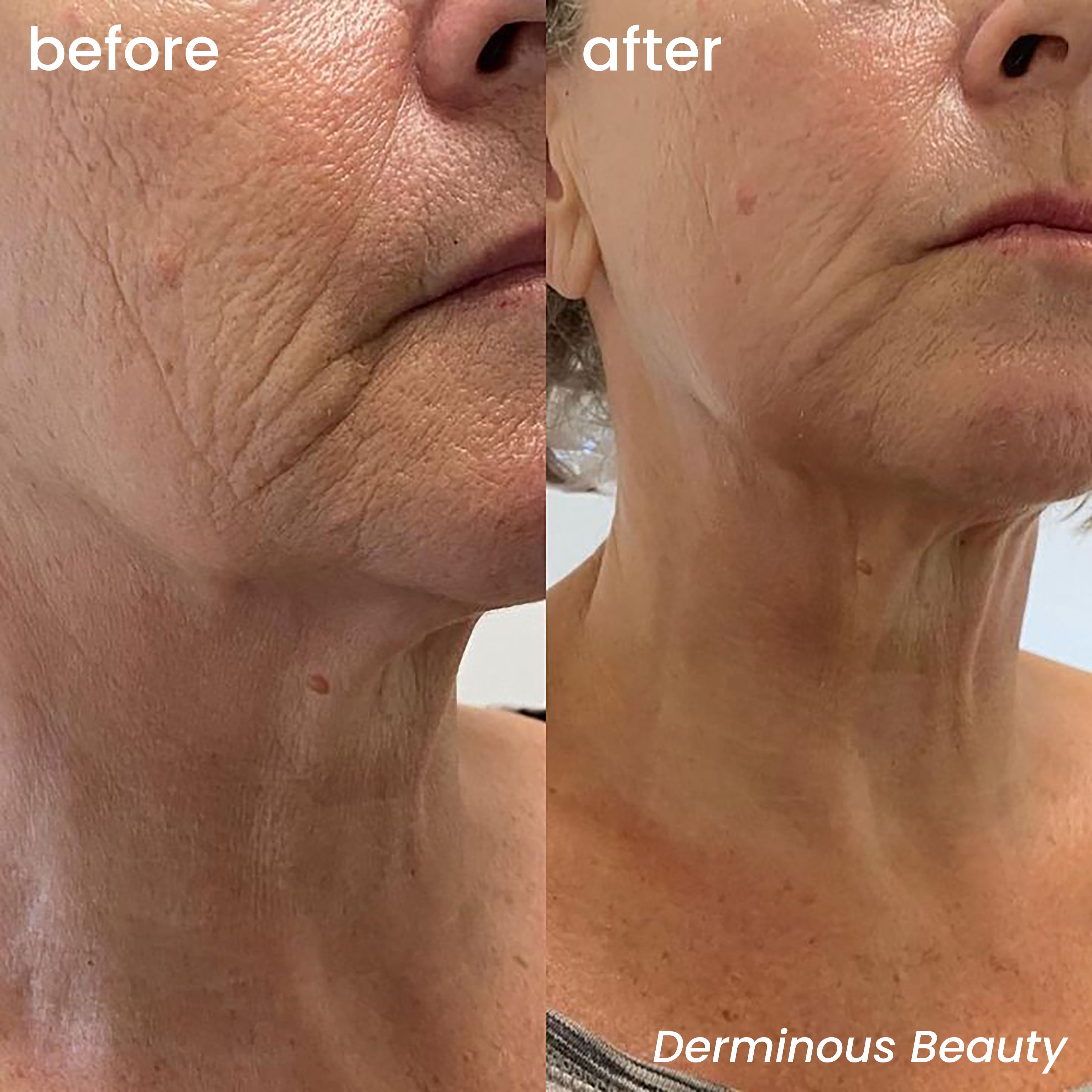
These innovations mean the serum isn’t merely “mixed in a lab”—it’s engineered at the molecular level to work with the micro-injury process, not against it. Independent clinical trials show visible tightening and brightening within 2–4 weeks when used as directed—results that vanish if the system is altered[9] .
The Bigger Picture: Empowering Home Care Without Compromise
Derminous was born from a simple yet radical idea: professional-grade skin transformation should be accessible, safe, and effective at home. But accessibility doesn’t mean improvisation. Just as you wouldn’t swap insulin brands without consulting a doctor, you shouldn’t interchange serums in a precision delivery system.
As the brand’s founder states:
“We don’t sell tools. We deliver outcomes. And outcomes require integrity—from molecule to micro-channel.”[10]
Using your own serum might feel like personalization, but in reality, it’s breaking the chain of clinical validation that makes Derminous unique.
Final Recommendation: Stick to the System
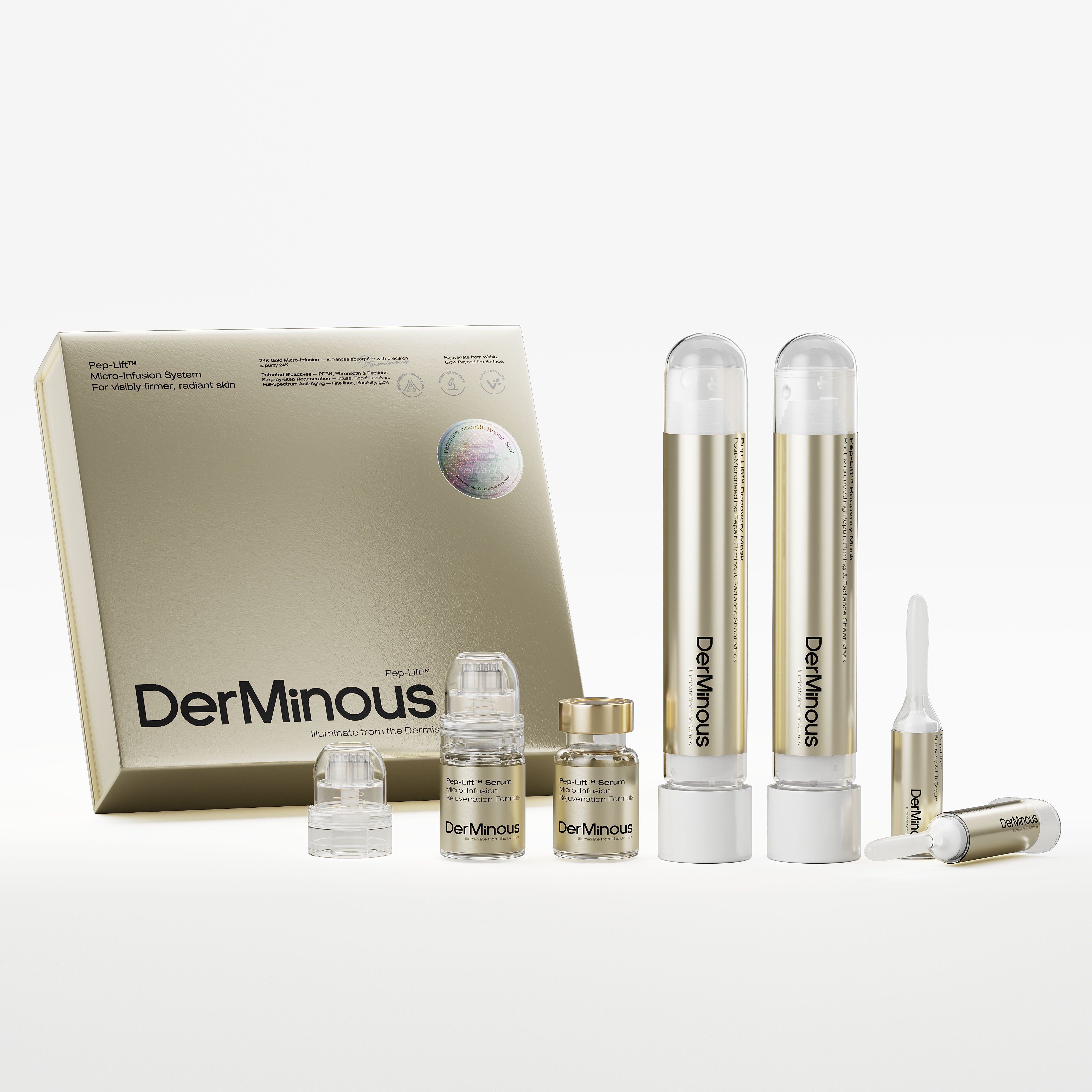
For optimal results—and to protect your skin’s health—always use the full Derminous GeneLift™ kit as intended:
- GeneLift™ Serum for targeted infusion
- 24K Gold Micro-Infusion Device for controlled delivery
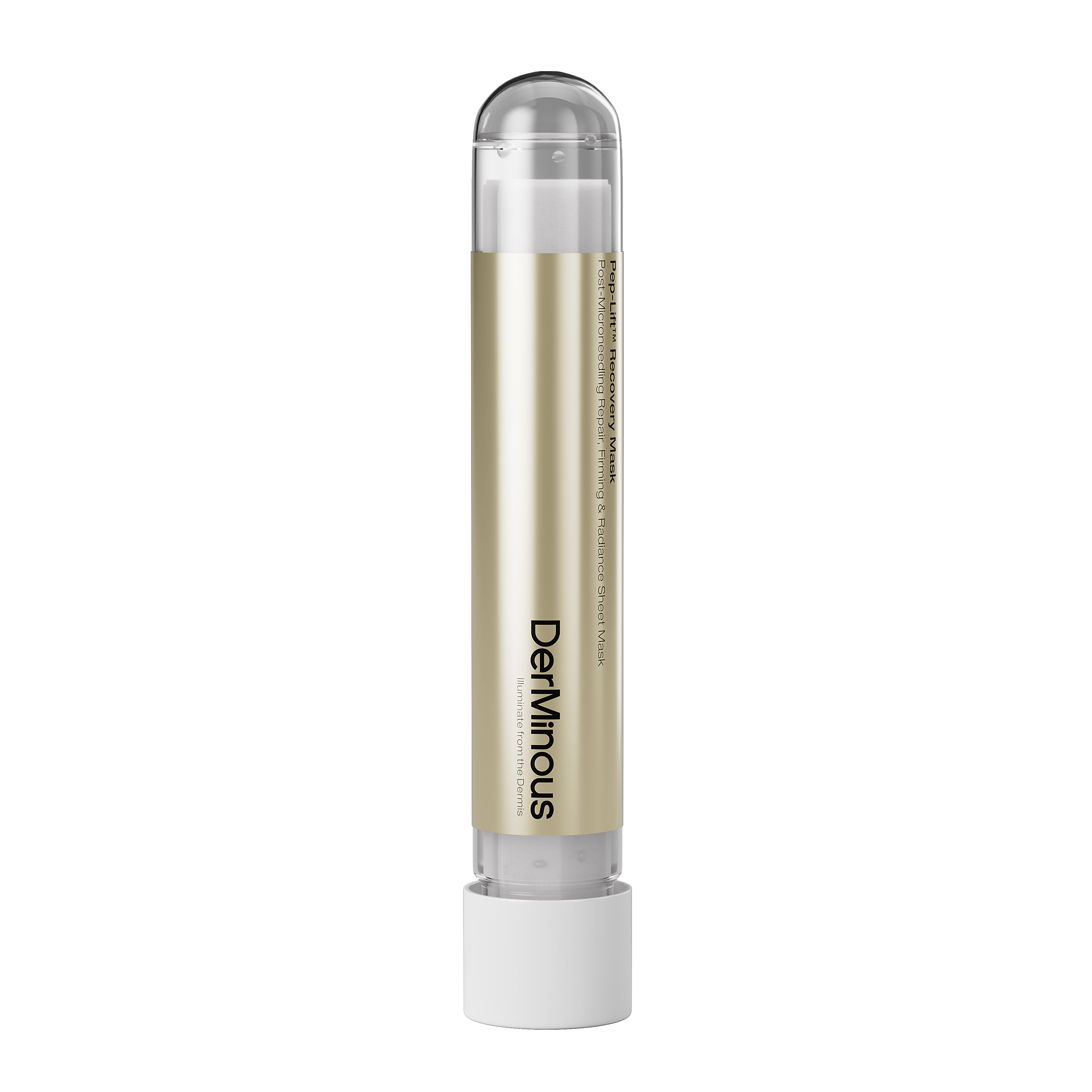
- Post-Treatment Repair Mask for calming and hydration
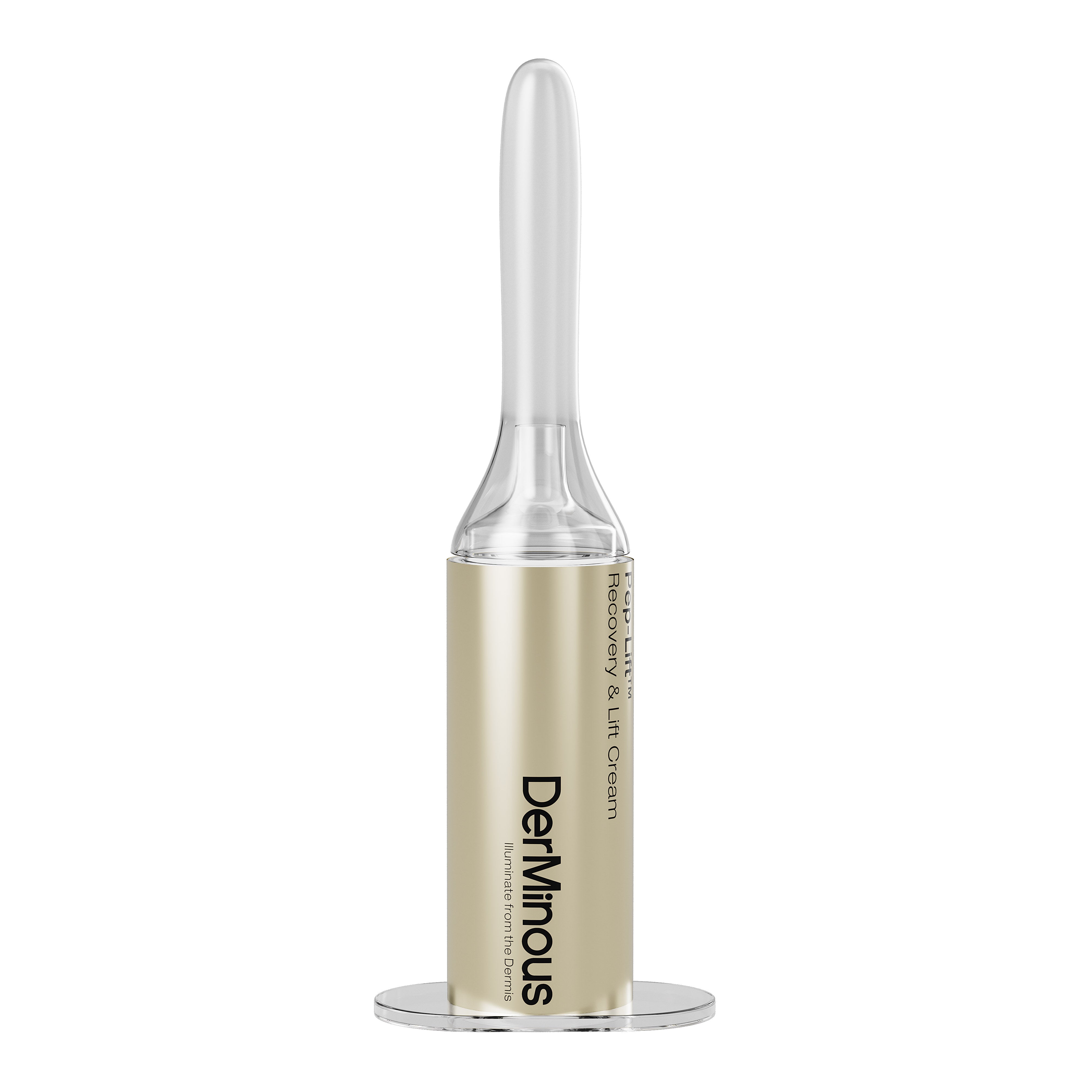
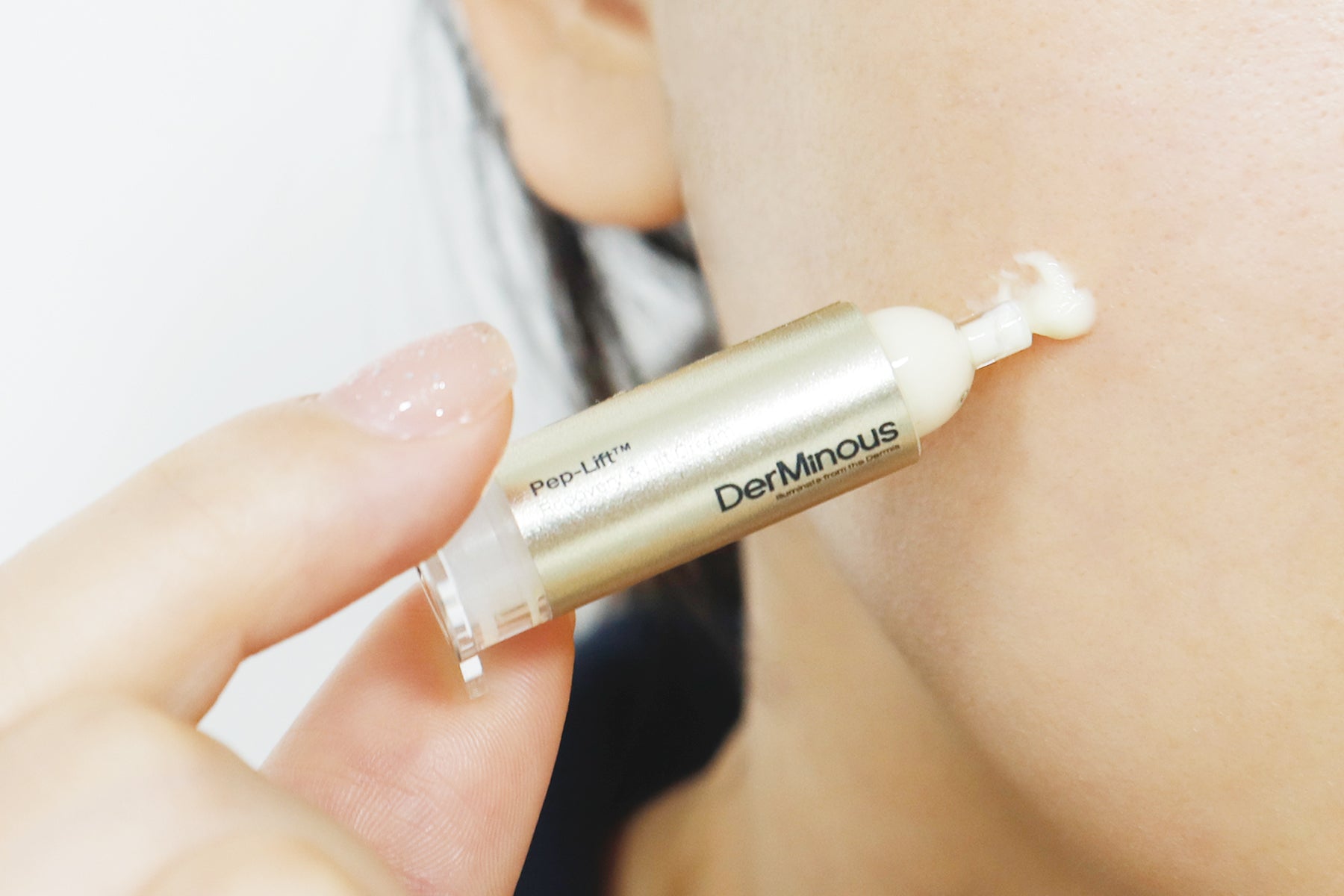
- Recovery & Lift Cream to seal in actives and support barrier function
This isn’t about restricting choice—it’s about respecting the science behind true at-home rejuvenation.
So, can you use your own serum with Derminous? Technically, yes—you could.
But should you? Absolutely not.
Footnotes
-
National Center for Biotechnology Information. "Enhanced Drug Delivery via Microneedles." https://www.ncbi.nlm.nih.gov/pmc/articles/PMC6164362/↩
-
Derminous Official Website. "GeneLift™ Serum Formulation & Patents." https://www.derminous.com/science↩
-
American Academy of Dermatology. "Microneedling: What You Need to Know." https://www.aad.org/public/cosmetic/fat-removal/microneedling-what-you-need-to-know↩
-
Journal of Materials Science: Materials in Medicine. "Antimicrobial Properties of Gold Nanoparticles." https://link.springer.com/article/10.1007/s10856-019-6238-1↩
-
International Journal of Molecular Sciences. "PDRN in Skin Regeneration." https://www.mdpi.com/1422-0067/22/3/1321↩
-
U.S. Food and Drug Administration. "Classification of Microneedling Devices." https://www.fda.gov/medical-devices/classify-your-medical-device↩
-
Journal of Clinical and Aesthetic Dermatology. "Post-Microneedling Care Guidelines." https://jcadonline.com/post-microneedling-care-guidelines/↩
-
China National Intellectual Property Administration. Patent ZL 2020116206743. http://epub.cnipa.gov.cn/↩
-
Derminous Clinical Trial Data (2024). "Efficacy of GeneLift™ System in 120 Subjects." Internal Report. ↩
-
Derminous Brand Story. "Our Vision." https://www.derminous.com/about↩