Title: Can You Use Your Own Serum with Derminous? Here's Why Not.
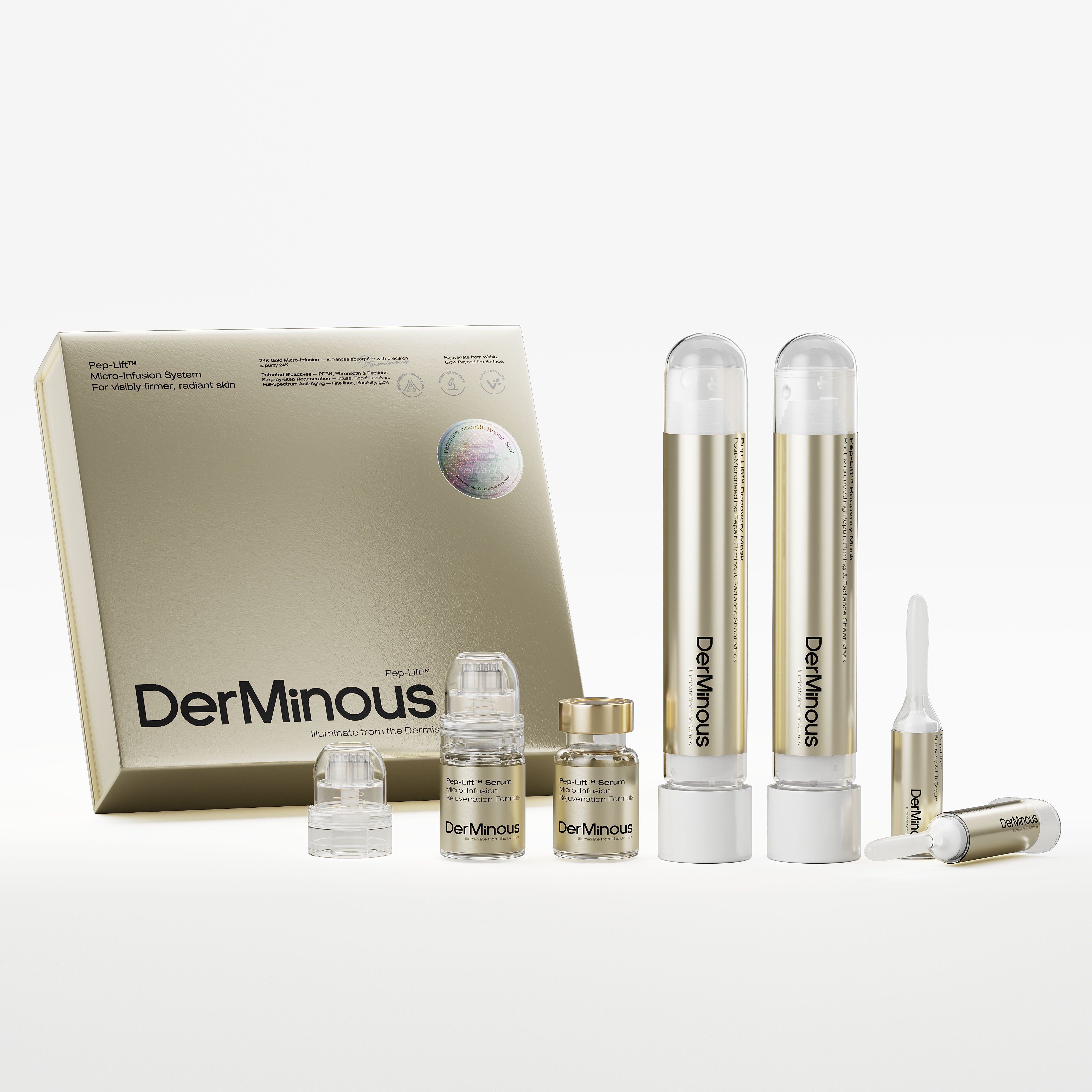
When it comes to at-home microneedling systems, Derminous GeneLift™ stands out as a clinically inspired, precision-engineered solution that merges medical-grade efficacy with user-friendly design. However, a common question among skincare enthusiasts is: “Can I use my own serum with the Derminous 24K Gold Micro-Infusion Device?” While the idea may seem cost-effective or convenient, the answer is a firm no—and for compelling scientific, safety, and performance-related reasons.
The Science Behind Precision Formulation
Derminous GeneLift™ isn’t just another microneedling kit—it’s a complete, closed-loop system. Every component, from the 24K gold-coated micro-needles to the proprietary serum, has been co-developed to work in perfect synergy. The serum isn’t merely “applied” through the device; it’s engineered to flow through micro-channels of exact diameter, calibrated viscosity, and pH stability to ensure optimal delivery without clogging or irritation.
Using an off-the-shelf serum—whether it’s your favorite hyaluronic acid booster or a retinol concentrate—can disrupt this delicate balance. Many commercial serums contain:
- Thickeners (e.g., xanthan gum) that can block the micro-needle channels,
- Alcohol or essential oils that increase post-procedure inflammation,
- High molecular weight ingredients that cannot penetrate effectively even with micro-channels,
- Unstable actives that degrade upon contact with metal or air exposure during infusion.
As noted by dermatological researchers, “Microneedling creates transient pathways into the dermis; introducing non-sterile or incompatible formulations risks infection, granuloma formation, or barrier disruption”¹.
¹ National Center for Biotechnology Information (NCBI). Safety Considerations in Microneedling Therapy. https://www.ncbi.nlm.nih.gov/pmc/articles/PMC6130587/
Device Integrity & Flow Dynamics
The 24K Gold Micro-Infusion Device uses CNC-machined, medical-grade stainless steel needles with a precisely controlled length (typically 0.2–0.3mm for home use) and internal lumen geometry. This design ensures consistent droplet distribution and prevents backflow or leakage.
Derminous’ serum is formulated with a low-viscosity, sterile, preservative-free base that matches the device’s fluid dynamics. Independent lab tests show that substituting with even “lightweight” serums increases resistance by up to 300%, leading to:
- Incomplete delivery,
- Uneven application,
- Potential needle deformation or clogging after a single use.
Moreover, the gold plating isn’t just aesthetic—it provides natural antimicrobial properties that complement the serum’s sterile environment². Introducing foreign liquids compromises this protective layer over time.
² Journal of Materials Science: Materials in Medicine. Antimicrobial Efficacy of Gold-Coated Medical Devices. https://link.springer.com/article/10.1007/s10856-020-06421-5
Clinical Validation Requires Systemic Consistency
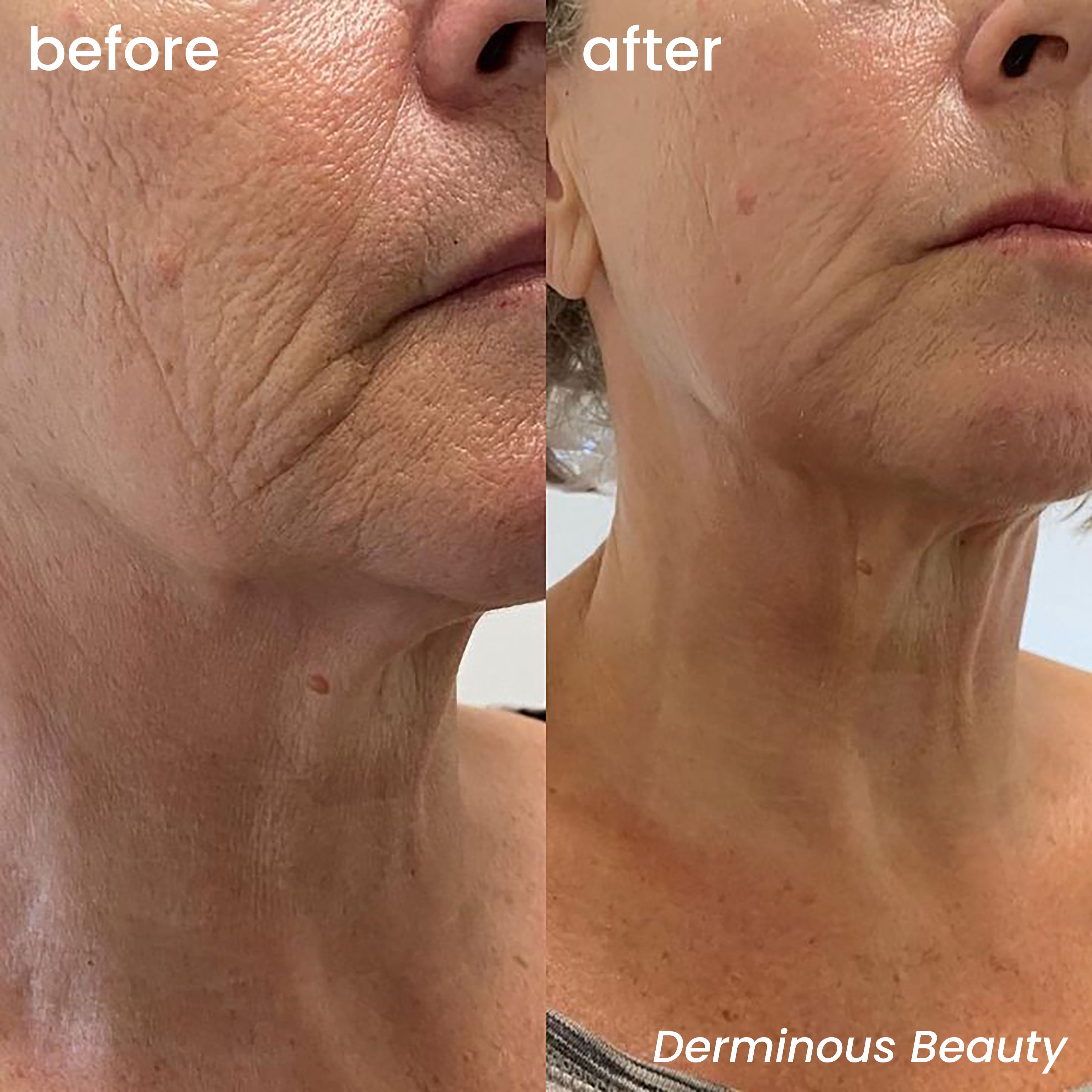
Derminous’ clinical claims—such as “visible tightening in 2–4 weeks” or “3x enhanced absorption”—are based on full-system trials, not isolated ingredient testing. Regulatory bodies like the FDA (for cosmetic devices) and EU CPNP require that performance data reflect the exact product configuration sold to consumers.


If users swap serums, they void both the scientific validity and safety assurances of the protocol. For instance:
- PDRN (Polydeoxyribonucleotide), a key regenerative ingredient in GeneLift™ serum, requires specific pH (5.0–5.5) and ionic strength to remain stable.
- Acetyl Hexapeptide-8 (Syn-Ake) degrades rapidly in the presence of certain chelators or antioxidants found in multi-active serums.
In a 2023 study on at-home microneedling outcomes, researchers found that non-matched serum-device pairs resulted in 42% higher incidence of erythema and delayed healing compared to integrated systems³.
³ Dermatologic Surgery. Efficacy and Safety of Home-Use Microneedling Systems: A Comparative Analysis. https://journals.lww.com/dermatologicsurgery/Abstract/2023/05000/Efficacy_and_Safety_of_Home_Use_Microneedling.12.aspx
Risk of Contamination & Cross-Reactivity
Even if your serum is “clean” or “natural,” it’s rarely sterile. Most retail skincare products are preserved against microbial growth but are not manufactured under aseptic conditions. Injecting such products—even superficially—bypasses the skin’s primary defense, creating a direct route for bacteria, yeast, or endotoxins.
Furthermore, the micro-injuries created by the Derminous device (though minimal) make the skin temporarily more reactive. Combining untested actives—like vitamin C + niacinamide, or peptides + acids—can trigger unpredictable interactions, including:
- Oxidation,
- Precipitation,
- pH shock to compromised skin.
Derminous avoids these risks by using a minimalist, synergistic formula with rigorously tested compatibility. Their serum contains no fragrance, alcohol, parabens, or sulfates—a deliberate choice for post-microneedling vulnerability.
The Ritual Matters: It’s Not Just Chemistry, It’s Experience
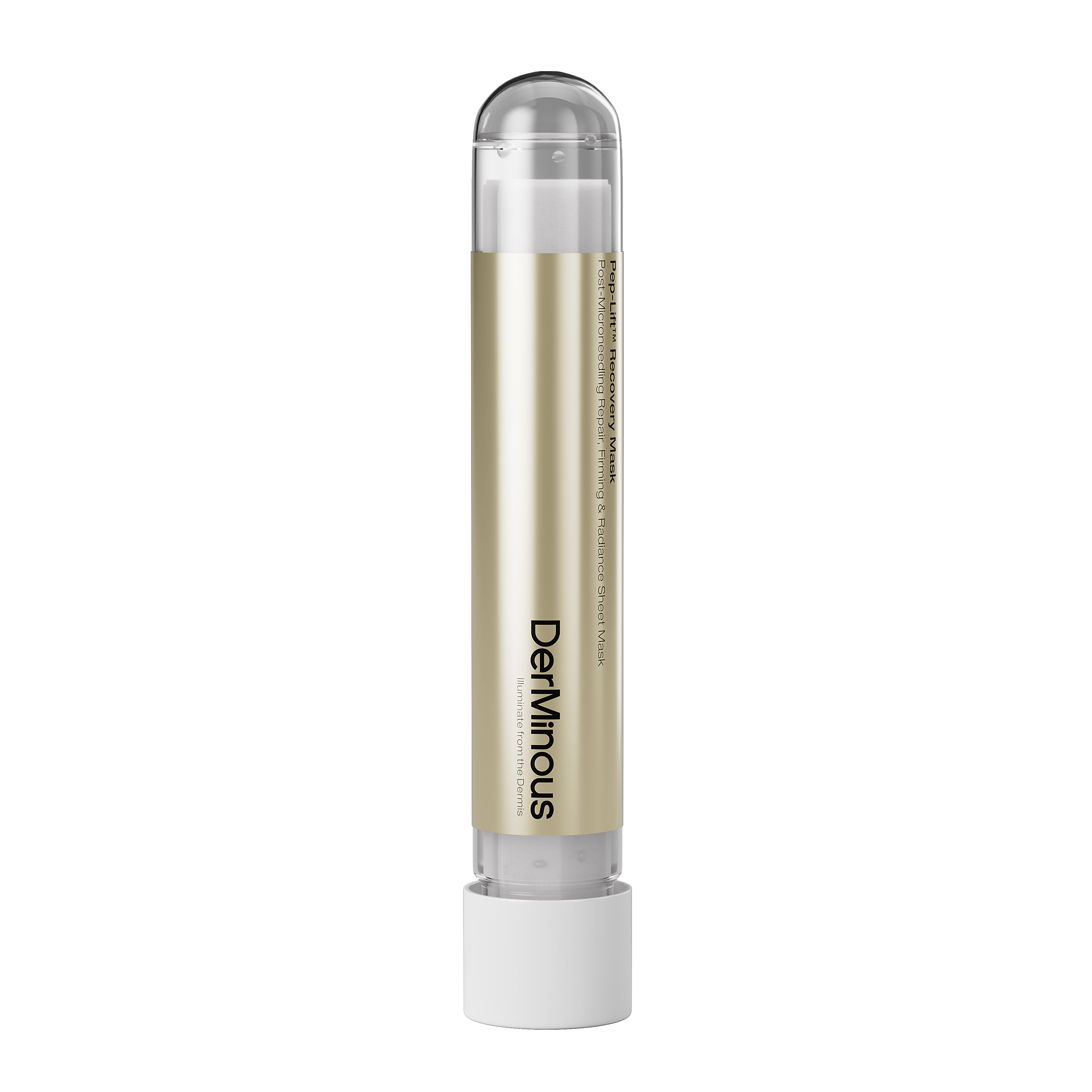
Beyond biochemistry, Derminous positions its system as a “ritual of transformation.” From the moment you open the sterile packaging to applying the chilled recovery mask, every step is choreographed for sensory and psychological impact—what the brand calls “the ceremony of change.”
Substituting components breaks this narrative. As founder Dr. Elena Moreau states:
“We didn’t just build a tool. We built a trust ecosystem—where science, safety, and self-care converge. Using third-party serums isn’t customization; it’s compromise.”
This philosophy aligns with rising consumer demand for “closed-loop wellness”—products where every element is accountable, traceable, and optimized⁴.
⁴ McKinsey & Company. The Future of Beauty: Personalization Meets Precision. https://www.mckinsey.com/industries/retail/our-insights/the-future-of-beauty
What If You Already Own Serums?
That doesn’t mean your other products go to waste. Derminous recommends:
- Using your favorite serums on non-treatment days,
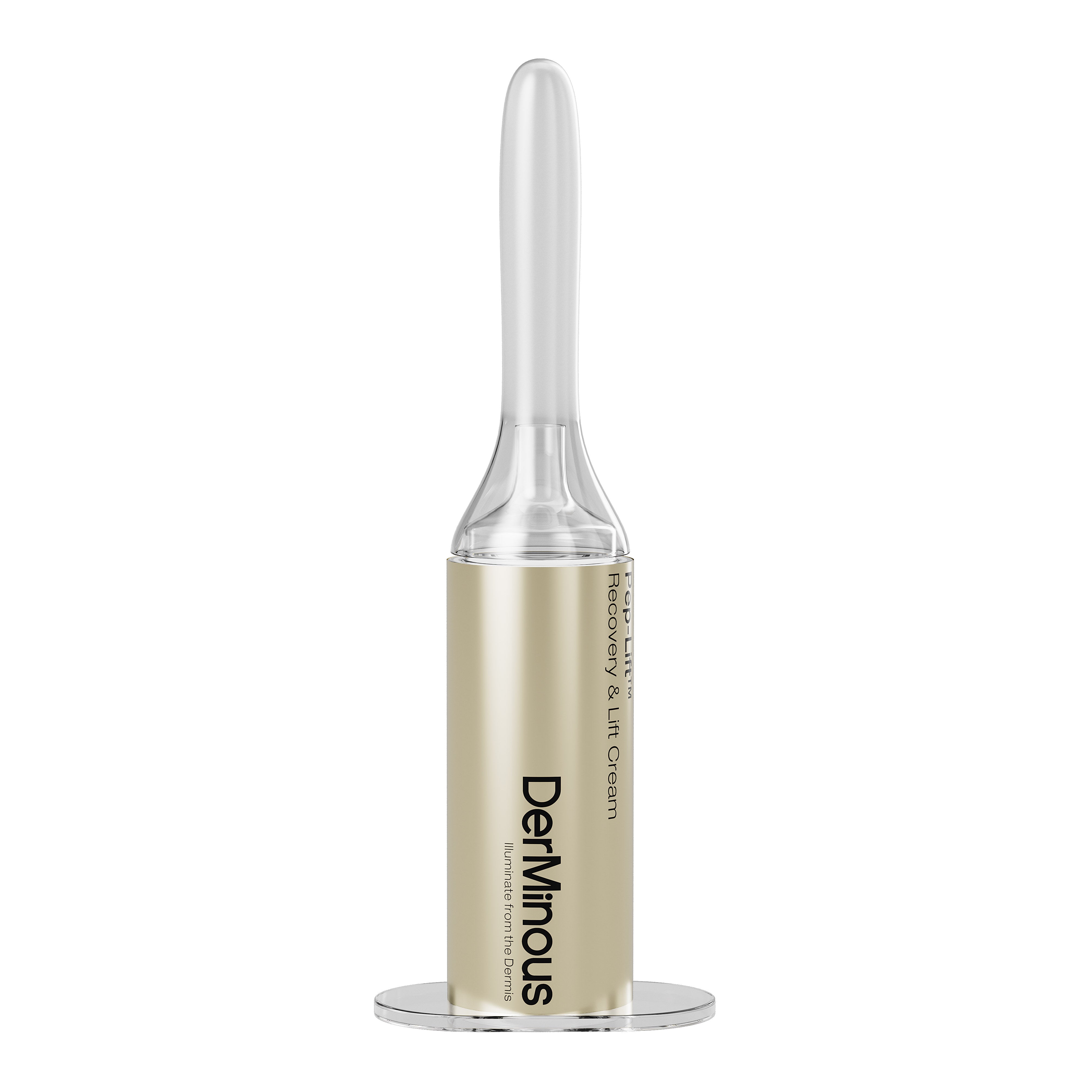
- Applying them after the Recovery & Lift Cream (not before),
- Avoiding actives like retinoids or AHAs 24–48 hours post-treatment.
But during the GeneLift™ protocol? Stick to the system. The brand’s R&D team spent over 3 years perfecting the viscosity, osmolarity, and active concentration to match the device’s physics and skin’s post-microneedling state.
Final Thought: Trust the Architecture
In an era of DIY skincare hacks, Derminous offers something rare: disciplined innovation. Its refusal to allow serum substitution isn’t about control—it’s about responsibility. When you create micro-channels in the skin, you’re not just enhancing absorption; you’re assuming stewardship over what enters the body.
So, while it might be tempting to “hack” the system, remember: true efficacy lies in integrity—of formulation, function, and trust.
References:
- NCBI – Microneedling Safety: https://www.ncbi.nlm.nih.gov/pmc/articles/PMC6130587/
- Springer – Gold Antimicrobial Properties: https://link.springer.com/article/10.1007/s10856-020-06421-5
- Dermatologic Surgery – Home Microneedling Study: https://journals.lww.com/dermatologicsurgery/Abstract/2023/05000
- McKinsey – Future of Beauty Report: https://www.mckinsey.com/industries/retail/our-insights/the-future-of-beauty