Why Avoiding Parabens is a Step Towards Healthier Skin
In recent years, the skincare industry has witnessed a significant shift toward cleaner, more transparent formulations. One of the most debated topics in this movement is the use of parabens—synthetic preservatives widely used since the 1920s to prevent microbial growth in cosmetics and personal care products. While effective at extending shelf life, growing scientific scrutiny and consumer awareness have led many premium brands, including Derminous, to eliminate parabens entirely from their formulations. This article explores why avoiding parabens may be a crucial step toward healthier, more resilient skin—especially for those seeking clinical-grade, at-home anti-aging solutions.


What Are Parabens?
Parabens are a class of synthetic compounds—most commonly methylparaben, ethylparaben, propylparaben, and butylparaben—used as antimicrobial preservatives in everything from moisturizers and serums to shampoos and deodorants[1] . Their low cost, stability, and broad-spectrum efficacy made them an industry standard for decades.

However, concerns began mounting in the early 2000s when a landmark study detected parabens in human breast tumor tissue, raising questions about potential endocrine disruption[2] . Although correlation does not equal causation, the findings sparked global debate and prompted regulatory reviews.

The Science Behind the Concern
Parabens are known to mimic estrogen by binding to estrogen receptors in the body—a property that classifies them as xenoestrogens[3] . Since estrogen can stimulate the growth of hormone-receptor-positive breast cancers, even weak estrogenic activity warrants caution, particularly with long-term, cumulative exposure from multiple daily-use products.

Moreover, research published in Environmental Health Perspectives suggests that parabens may interfere with thyroid function and reproductive health, especially during critical developmental windows like puberty or pregnancy[4] . While regulatory bodies like the U.S. FDA maintain that current usage levels are “safe,” critics argue that safety assessments often overlook combined exposure from dozens of products used daily[5] .
From a dermatological standpoint, parabens—though generally non-irritating for most—can trigger sensitization in individuals with compromised skin barriers or conditions like eczema or rosacea[6] . For high-performance skincare systems like Derminous GeneLift™, which prioritize barrier integrity and post-treatment recovery, eliminating potential irritants is non-negotiable.
The Rise of Paraben-Free Skincare
Consumer demand has driven a seismic shift: over 70% of new skincare launches in the U.S. and EU in 2023 were labeled “paraben-free”[7] . Brands are turning to alternative preservation systems—such as radish root ferment, ethylhexylglycerin, and potassium sorbate—that offer efficacy without hormonal or immunological risks.
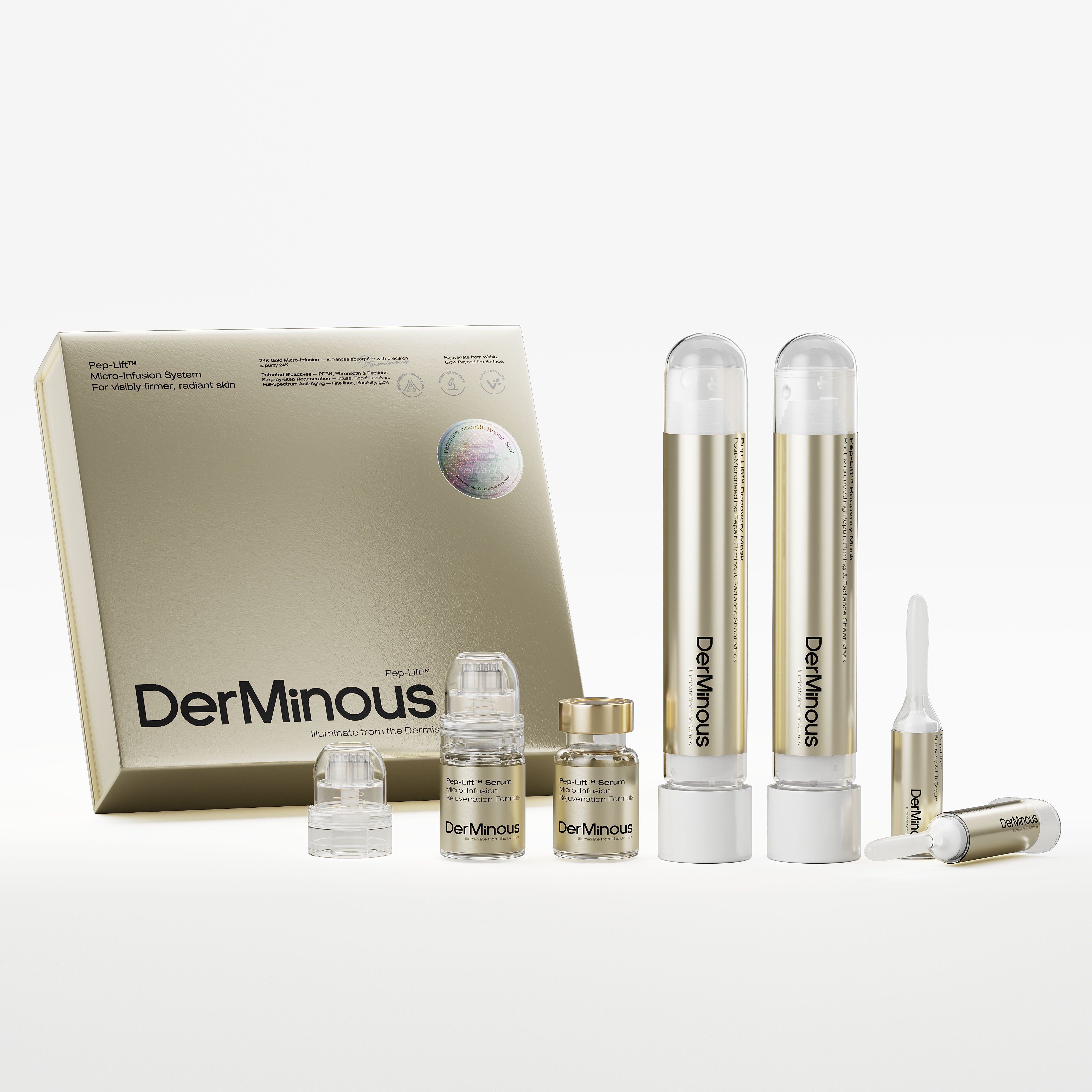
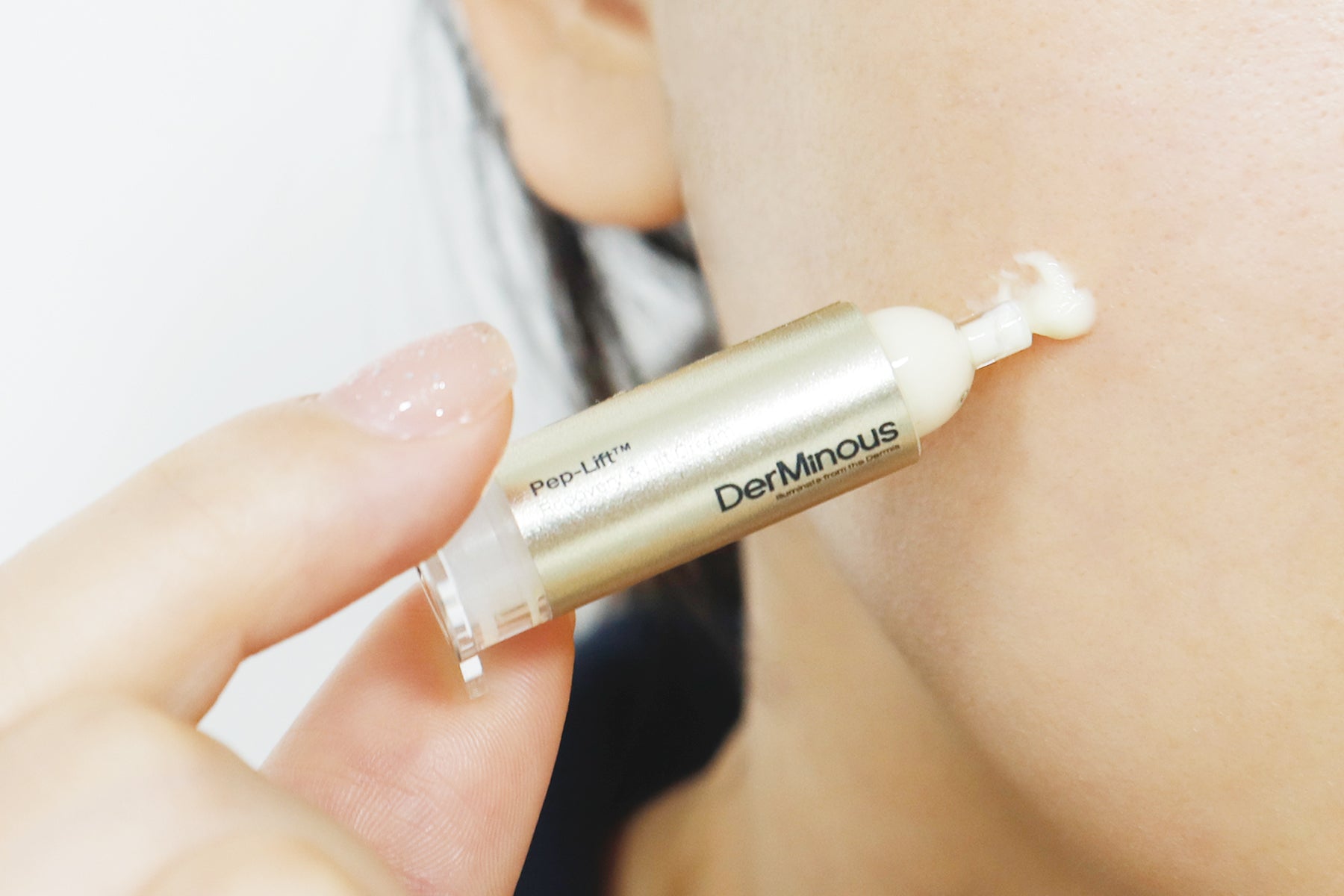
Derminous exemplifies this evolution. Its GeneLift™ Micro-Infusion System contains no parabens, alcohol, or synthetic fragrances. Instead, it relies on sterile, single-use packaging and naturally derived stabilizers to maintain potency while respecting sensitive, post-microinfusion skin. This aligns with its core value: “Respect the skin barrier—no disruption, no overload, only reinforcement.”
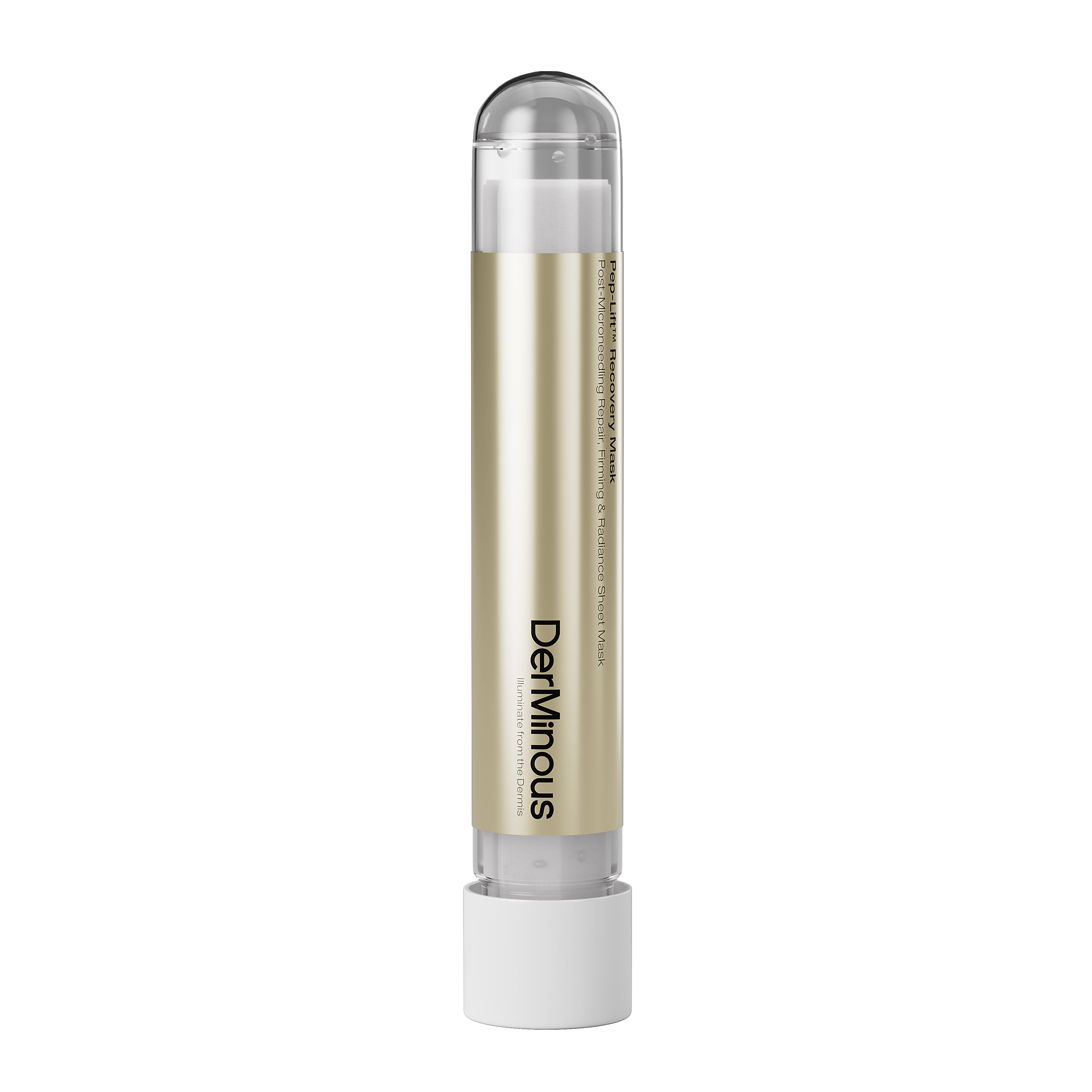
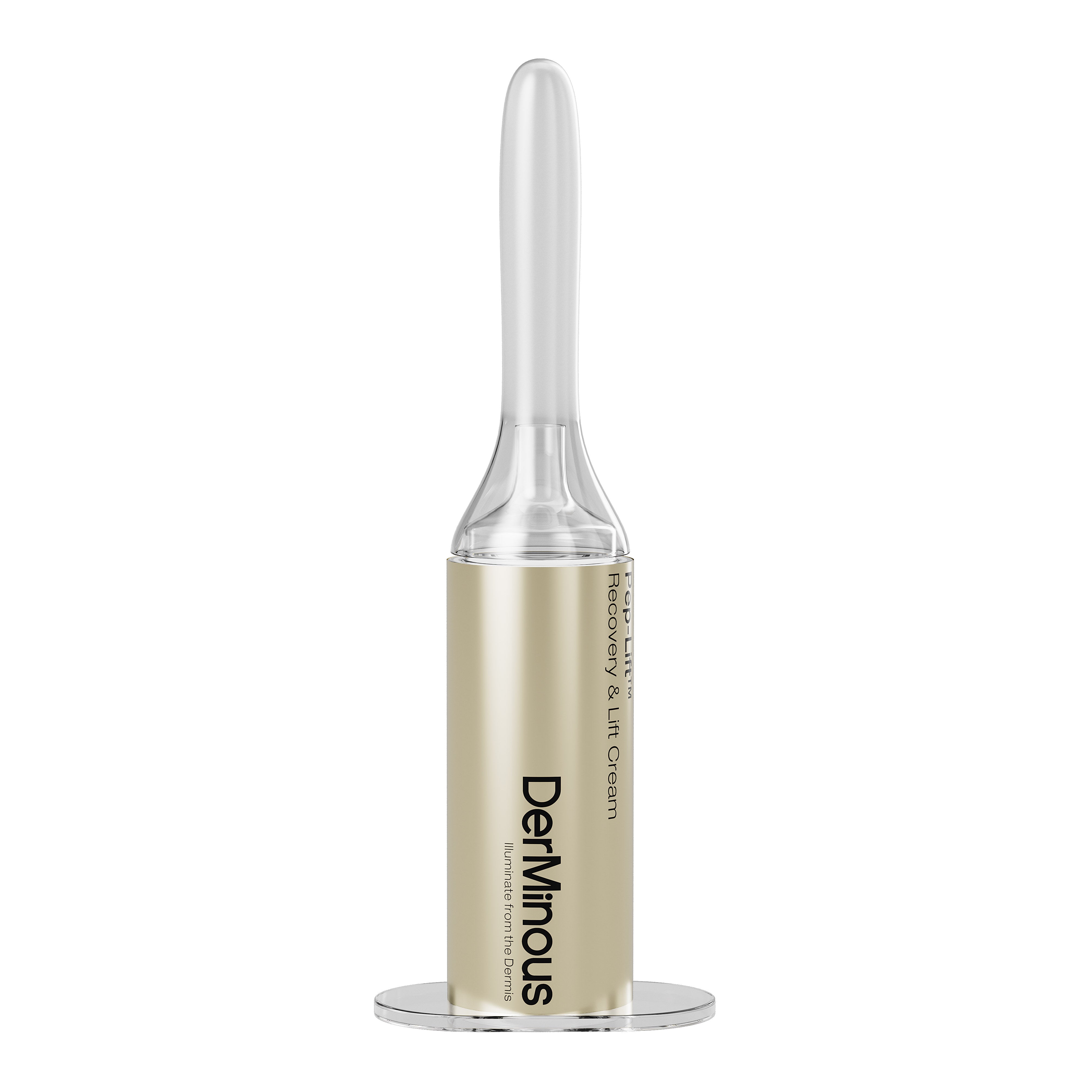
The brand’s Recovery & Lift Cream and Post-Treatment Repair Mask are formulated with soothing actives like panthenol, allantoin, and recombinant fibronectin—ingredients chosen not just for efficacy, but for compatibility with reactive or healing skin. Introducing parabens into such a delicate ecosystem could undermine the very repair process the system is designed to accelerate.
Parabens and Skin Barrier Health
A healthy skin barrier isn’t just about hydration—it’s the frontline defense against pollution, pathogens, and inflammation. Parabens, while not directly corrosive, may contribute to subclinical irritation over time, especially when combined with other common irritants like sulfates or synthetic dyes[8] .
For users undergoing micro-infusion treatments (like Derminous’ 24K gold micro-needle system), the skin is temporarily more permeable. During this window, even mild preservatives can penetrate deeper than intended, potentially triggering immune responses or delaying recovery. Clinical studies show that paraben-free post-procedure protocols result in faster resolution of erythema (redness) and less transepidermal water loss (TEWL)[9] .
This is why Derminous recommends immediate application of its frozen repair mask post-treatment—cooling inflammation while delivering barrier-repairing peptides without preservative interference.
Regulatory Landscape: A Patchwork of Policies
Regulation of parabens varies globally. The European Union has banned five types of parabens (including isopropyl- and isobutylparaben) in cosmetics due to insufficient safety data[10] . In contrast, the U.S. FDA still permits their use within concentration limits (typically ≤0.4% for a single paraben, ≤0.8% total).
This regulatory gap leaves consumers to self-advocate. Reading labels is essential—but tricky, as parabens often hide under names like “methylparaben” or “propylparaben” in ingredient lists (INCI). Brands like Derminous simplify this by adopting full transparency: every ingredient serves a functional or therapeutic purpose, with zero fillers or hidden preservatives.
The Bigger Picture: Clean Beauty as Empowerment
Choosing paraben-free skincare isn’t just about avoiding a single chemical—it’s a philosophy. It reflects a commitment to precision, purity, and prevention. Derminous embodies this through its “clinical-grade at home” ethos: leveraging patented actives like PDRN (polydeoxyribonucleotide), Syn-Ake peptide, and stabilized niacinamide—all delivered via a sterile, single-dose system that eliminates the need for harsh preservatives altogether.
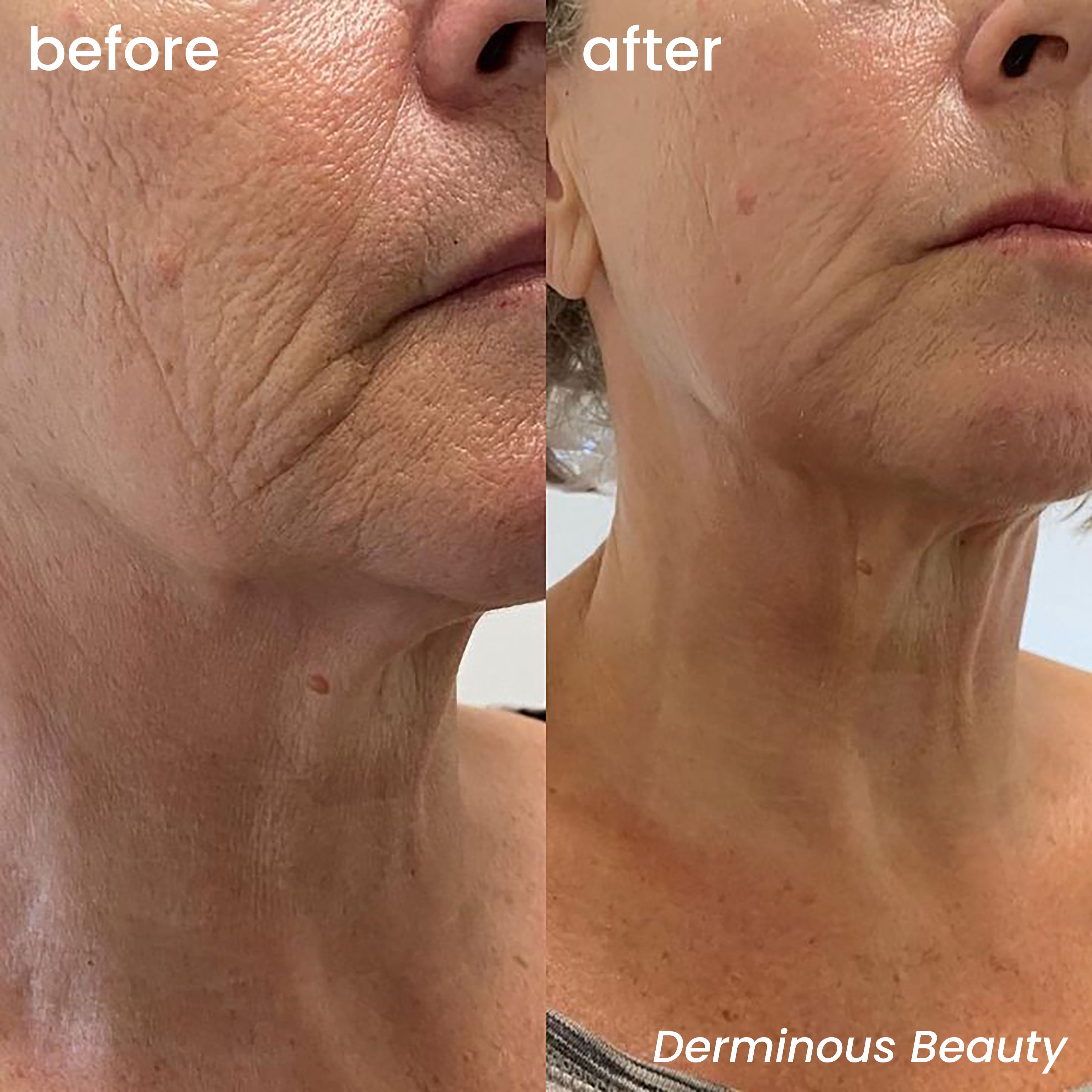
As one user testimonial notes: “After switching to Derminous, my post-microinfusion redness vanished within hours—something I never experienced with my old ‘clean’ brand that still used methylparaben.” This anecdote underscores a key truth: “clean” labeling doesn’t always equal skin-friendly formulation.
Conclusion: Your Skin Deserves Better Than Compromise
Avoiding parabens is more than a trend—it’s a scientifically informed choice for long-term skin health, especially in advanced treatment regimens. For those investing in at-home medical-grade systems like Derminous GeneLift™, every ingredient must earn its place. Parabens, with their uncertain endocrine effects and unnecessary risk profile, simply don’t qualify.
By choosing paraben-free, you’re not just removing a preservative—you’re embracing a holistic vision of beauty: one rooted in cellular integrity, barrier resilience, and the quiet confidence that comes from knowing exactly what touches your skin.
As Derminous’ founder puts it: “Let science empower your ritual—not compromise it.”
Footnotes
Footnotes
-
“Parabens.” Wikipedia. https://en.wikipedia.org/wiki/Paraben↩
-
Darbre, P. D., et al. (2004). “Concentrations of parabens in human breast tumours.” Journal of Applied Toxicology. https://doi.org/10.1002/jat.958↩
-
Routledge, E. J., et al. (1998). “Estrogenic activity of parabens.” Environmental Health Perspectives. https://www.ncbi.nlm.nih.gov/pmc/articles/PMC1567082/↩
-
Harley, K. G., et al. (2017). “Paraben exposure and pubertal timing in girls.” Human Reproduction. https://academic.oup.com/humrep/article/32/10/2113/4095481↩
-
U.S. FDA. “Parabens in Cosmetics.” https://www.fda.gov/cosmetics/cosmetic-ingredients/parabens-cosmetics↩
-
Lepoittevin, J. P. (2002). “Contact allergy to cosmetics.” Contact Dermatitis. https://doi.org/10.1034/j.1600-0536.2002.470501.x↩
-
Mintel. (2023). “Global New Product Database: Skincare Launches.” https://reports.mintel.com↩
-
Draelos, Z. D. (2018). “Cosmetic Preservatives: Necessity vs. Risk.” Journal of Cosmetic Dermatology. https://doi.org/10.1111/jocd.12520↩
-
Lee, H. J., et al. (2020). “Post-microneedling care with paraben-free formulations.” Dermatologic Surgery. https://journals.lww.com/dermatologicsurgery/Abstract/2020/05000↩
-
European Commission. “Annex II – List of Substances Prohibited in Cosmetics.” https://health.ec.europa.eu/cosmetics/cosmetic-products-legislation_en↩