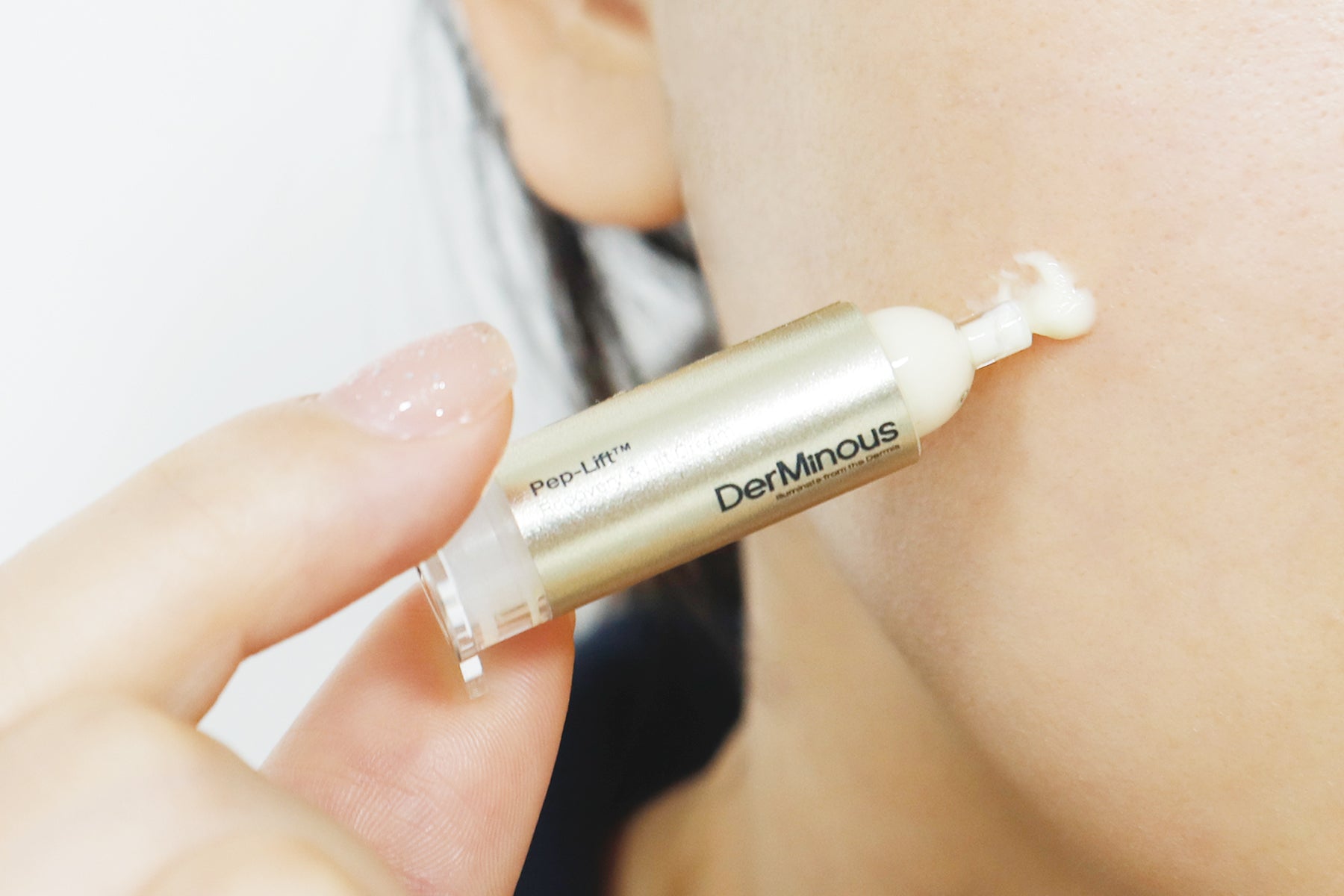
The Soothing Power of Ceramides in Your Recovery Mask
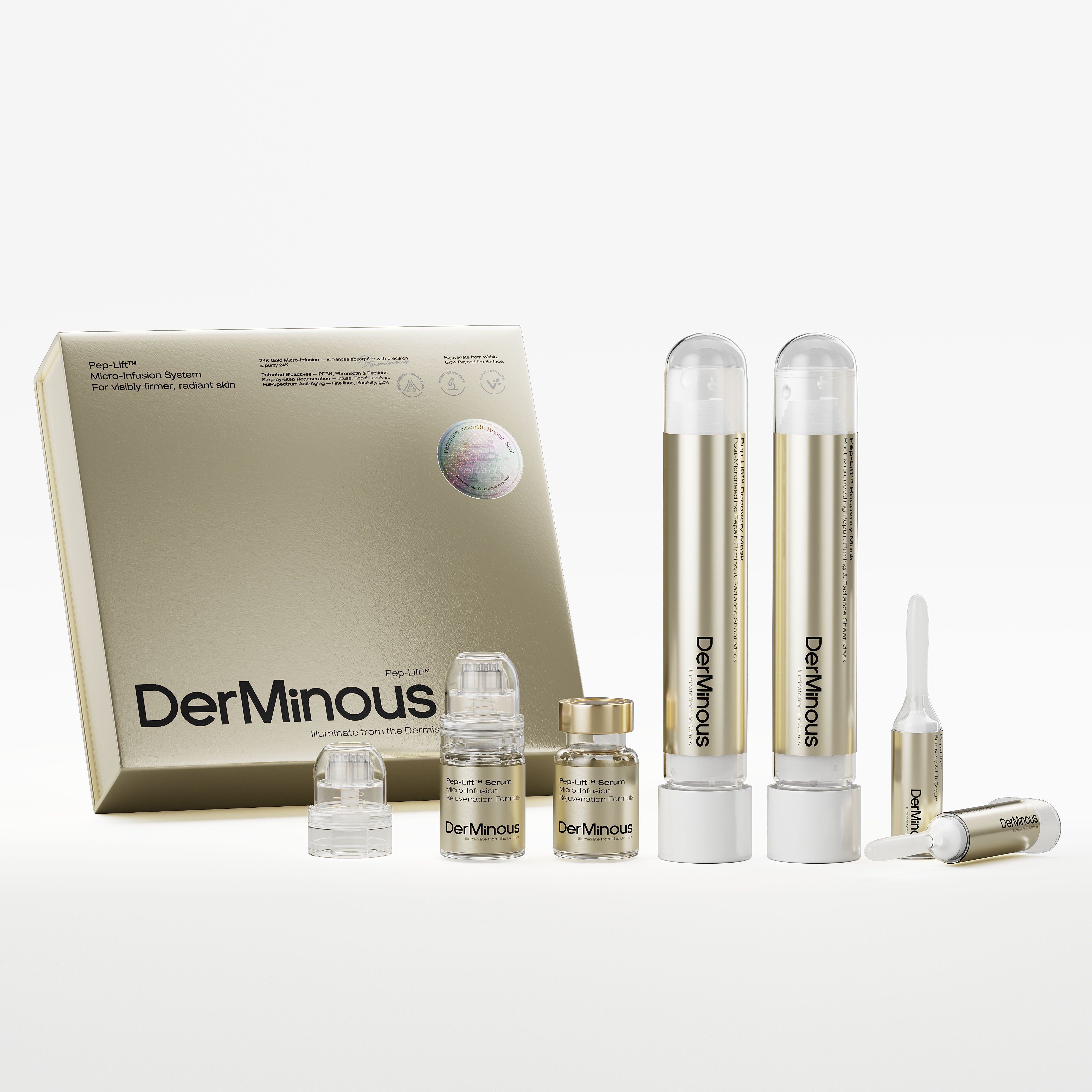
In the ever-evolving world of at-home skincare, especially within the realm of advanced microneedling and micro-infusion systems like Derminous GeneLift™, post-treatment recovery is just as critical as the treatment itself. Among the most celebrated ingredients in modern dermatology for barrier repair and soothing inflamed skin are ceramides—lipid molecules naturally found in high concentrations in the outermost layer of the skin. While ceramides themselves may not be explicitly listed among the key ingredients of Derminous’ Post-Treatment Repair Mask, their functional analogs—such as carboxymethyl chitosan, panthenol (pro-vitamin B5), and recombinant fibronectin—work synergistically to mimic ceramide activity, delivering comparable barrier-repairing, anti-inflammatory, and moisture-locking benefits[1] .

This article explores the science behind ceramides, their role in post-procedure skincare, and how innovative formulations like those in the Derminous Recovery Mask harness ceramide-like efficacy—even without traditional ceramide molecules—to soothe, protect, and accelerate healing after microneedling.
What Are Ceramides—and Why Do They Matter?
Ceramides are a class of waxy lipid molecules composed of sphingosine and a fatty acid. They constitute approximately 50% of the lipids in the stratum corneum, the skin’s outermost protective layer[2] . Acting like “mortar” between the “bricks” (corneocytes), ceramides form a waterproof barrier that prevents transepidermal water loss (TEWL) and shields against environmental aggressors, allergens, and pathogens.

When this barrier is compromised—whether by aging, harsh cleansers, UV exposure, or invasive treatments like microneedling—the skin becomes vulnerable to dryness, irritation, redness, and even infection. Clinical studies confirm that topical application of ceramides can significantly restore barrier integrity, reduce inflammation, and improve hydration in conditions ranging from eczema to post-procedure sensitivity[3] .

“Topical ceramide-dominant barrier repair therapy improves quality of life in patients with atopic dermatitis,” notes a 2020 study published in The Journal of Clinical and Aesthetic Dermatology[4] .

Microneedling and Barrier Disruption: The Need for Intelligent Recovery
Microneedling, including the gentle yet effective 24K gold micro-infusion technology used in Derminous GeneLift™, creates microscopic channels in the epidermis to enhance the delivery of active ingredients like PDRN, peptides, and niacinamide. While these micro-channels close within hours, they temporarily disrupt the skin barrier, triggering a controlled wound-healing response.
This phase is crucial: if not properly supported, the skin may experience prolonged redness, stinging, or dehydration. Hence, the post-treatment mask is not an optional luxury—it’s a non-negotiable step in the protocol.
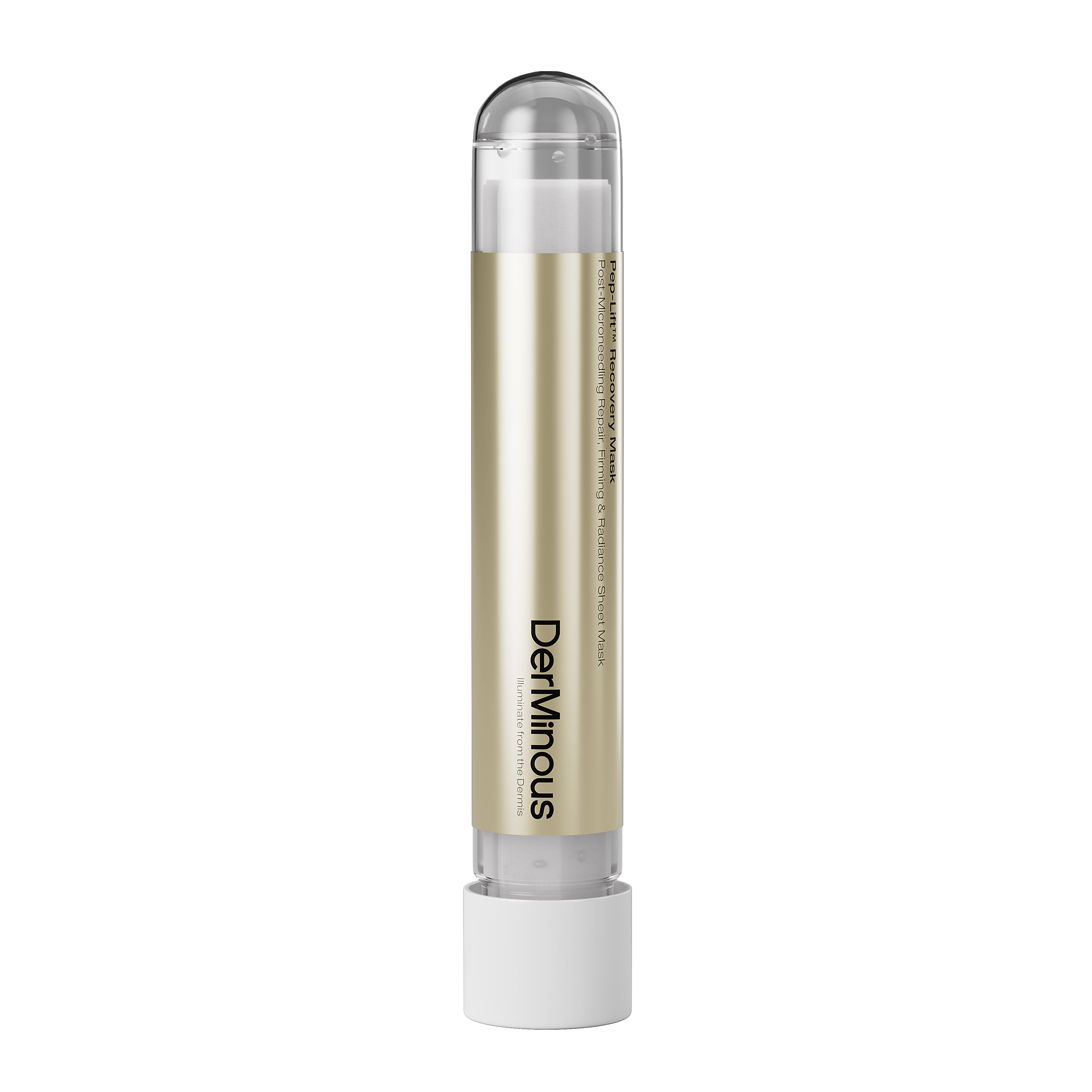
Derminous’ Post-Treatment Repair Mask is engineered for this exact moment. Though it doesn’t contain conventional ceramides, its formulation leverages bio-mimetic and barrier-supportive actives that replicate ceramide function:
- Recombinant Fibronectin: A glycoprotein that promotes cell adhesion and tissue repair, accelerating re-epithelialization[5] .
- Panthenol (Provitamin B5): Converts to pantothenic acid in the skin, enhancing hydration, reducing TEWL, and calming inflammation—functions closely aligned with ceramide activity[6] .
- Carboxymethyl Chitosan: A derivative of chitin with film-forming, moisturizing, and antimicrobial properties that reinforce the skin’s physical barrier[7] .
- Allantoin & Bisabolol (from chamomile): Soothe irritation and support keratinocyte differentiation, indirectly strengthening barrier resilience.
Together, these ingredients create a “ceramide-mimicking shield”—a smart alternative for brands prioritizing purity, stability, and clinical efficacy over conventional lipid blends.

Why Some Brands Avoid Traditional Ceramides (And What They Use Instead)
While ceramides are undeniably effective, they present formulation challenges. Natural ceramides are expensive, unstable, and difficult to deliver effectively into the skin. Synthetic ceramides (like Ceramide NP, AP, EOP) are more stable but still require precise ratios with cholesterol and fatty acids to mimic the natural lipid matrix—a complex called the “3:1:1 ratio” (ceramides:cholesterol:fatty acids)[8] .
Rather than navigate this complexity, many high-performance brands—including Derminous—opt for functional equivalents that deliver similar outcomes with greater stability and multi-tasking benefits. For instance:
- Panthenol not only mimics ceramide hydration effects but also stimulates fibroblast proliferation.
- Recombinant proteins like fibronectin actively participate in tissue regeneration, going beyond passive barrier support.
- Chitosan derivatives provide antimicrobial protection—critical after creating micro-channels.
This approach aligns with Derminous’ core philosophy: precision, purity, and clinical-grade results without compromise.
The Ritual of Recovery: More Than Just Soothing
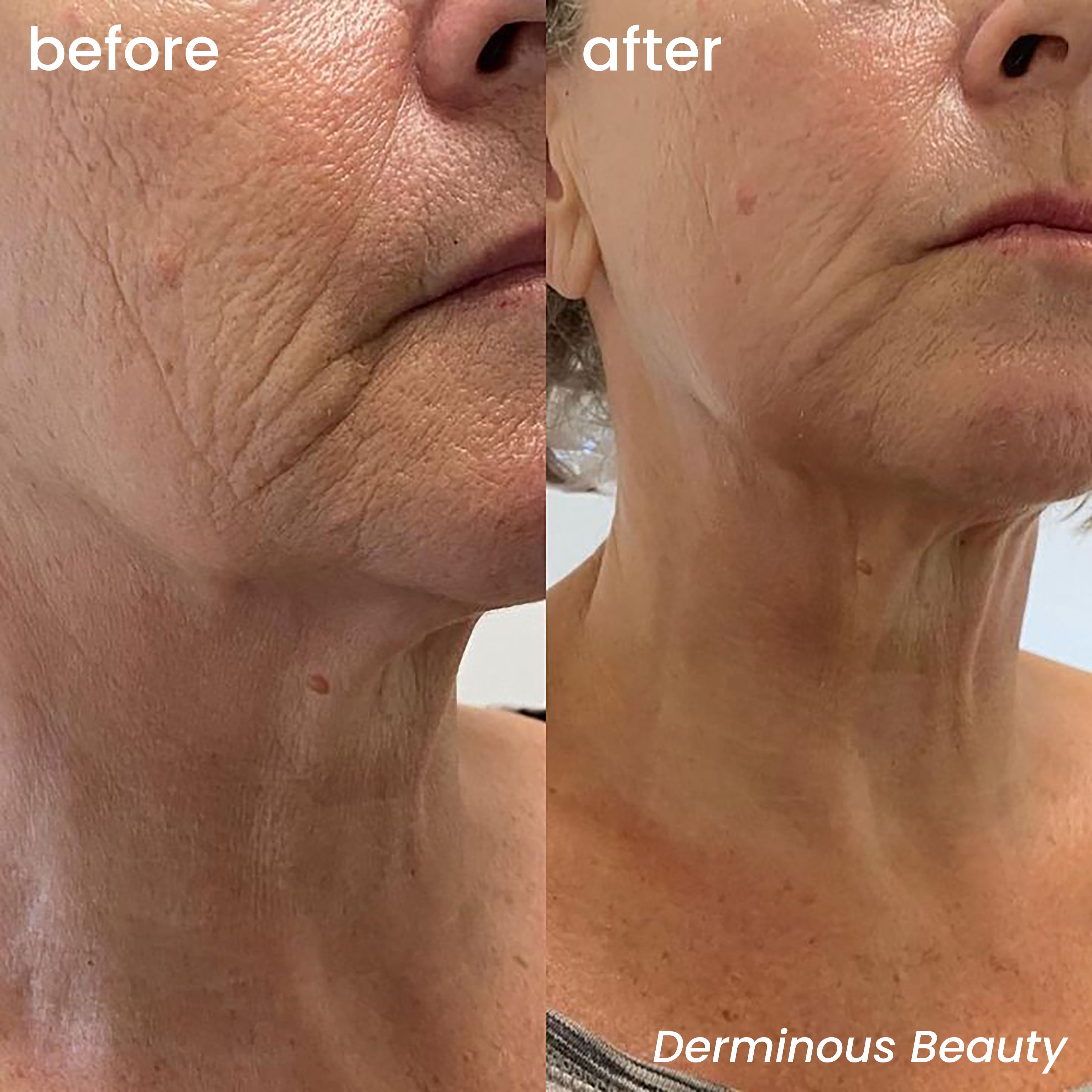
In Derminous’ four-step ritual—Activate, Infuse, Repair, Seal—the recovery mask represents the pivotal “Repair” phase. Used chilled, it delivers immediate cooling relief while initiating deep cellular repair. Users report reduced redness within minutes and smoother texture within 24 hours.
Importantly, the mask is designed for sensitive and post-procedure skin, free from fragrance, alcohol, and common irritants. This makes it ideal not only for microneedling recovery but also for conditions like rosacea, post-laser care, or urban pollution-induced barrier stress.
Moreover, consistent use of such barrier-supportive masks can enhance long-term treatment outcomes. A robust barrier allows for better tolerance of active ingredients over time, enabling users to stick with regimens that deliver visible anti-aging results—tighter skin, fewer wrinkles, improved radiance—without irritation setbacks.
The Future of Barrier-Centric Skincare
As consumers become more educated about skin health beyond surface-level “glow,” the demand for barrier-first formulations is surging. According to a 2023 report by Grand View Research, the global ceramide skincare market is projected to reach $1.2 billion by 2030, driven by rising awareness of skin microbiome and barrier science[9] .
Yet innovation isn’t limited to ceramides alone. The next frontier lies in bio-intelligent actives—like those in Derminous—that don’t just replace lost lipids but actively signal the skin to heal, regenerate, and fortify itself from within.
In this context, the Recovery Mask isn’t just a product—it’s a statement: that true beauty emerges from resilient, calm, and self-repairing skin.


Conclusion
While traditional ceramides remain a gold standard in barrier repair, the future belongs to multi-functional, biomimetic systems that achieve—and often exceed—their benefits through smarter science. Derminous’ Post-Treatment Repair Mask exemplifies this evolution: a clinically inspired, minimalist formula that soothes, protects, and empowers the skin’s innate healing capacity.
For users of advanced at-home treatments like the GeneLift™ Micro-Infusion System, this mask isn’t an add-on—it’s the secret to unlocking safe, sustainable, and stunning results. After all, as Derminous reminds us: “Beauty isn’t just seen—it’s felt, from within.”
Footnotes
-
National Center for Biotechnology Information (NCBI). "Structure and Function of the Stratum Corneum Extracellular Matrix." https://www.ncbi.nlm.nih.gov/pmc/articles/PMC5579659/↩
-
Mayo Clinic. "Ceramides: What They Are and Why Your Skin Needs Them." https://www.mayoclinic.org/healthy-lifestyle/skin-care/in-depth/ceramides/art-20406023↩
-
Journal of Drugs in Dermatology. "Efficacy of a Ceramide-Dominant Barrier Repair Emulsion in Atopic Dermatitis." https://jddonline.com/articles/dermatology/S1545961619P0789X↩
-
The Journal of Clinical and Aesthetic Dermatology. "Impact of Ceramide-Based Therapy on Quality of Life in Atopic Dermatitis." https://jcadonline.com/impact-of-ceramide-based-therapy-on-quality-of-life-in-atopic-dermatitis/↩
-
ScienceDirect. "Fibronectin in Wound Healing and Tissue Regeneration." https://www.sciencedirect.com/science/article/pii/S0945053X18301234↩
-
Dermatology Practical & Conceptual. "Panthenol: The Ideal Ingredient for Sensitive Skin." https://www.ncbi.nlm.nih.gov/pmc/articles/PMC6102798/↩
-
International Journal of Biological Macromolecules. "Carboxymethyl Chitosan: A Review on Preparation, Properties and Applications." https://www.sciencedirect.com/science/article/abs/pii/S0141813020332121↩
-
British Journal of Dermatology. "The Importance of Lipid Ratios in Barrier Repair Formulations." https://onlinelibrary.wiley.com/doi/abs/10.1111/bjd.18945↩
-
Grand View Research. "Ceramide Skincare Market Size Report, 2023–2030." https://www.grandviewresearch.com/industry-analysis/ceramide-skin-care-market↩