The Role of Tranexamic Acid in Inhibiting Pigmentation
Tranexamic acid (TXA), originally developed as an antifibrinolytic agent to reduce bleeding during surgery and trauma, has emerged as a groundbreaking ingredient in dermatology—particularly for its ability to inhibit hyperpigmentation. Unlike traditional skin-lightening agents such as hydroquinone or kojic acid, tranexamic acid operates through a unique mechanism that targets the root causes of melasma, post-inflammatory hyperpigmentation (PIH), and UV-induced discoloration without cytotoxicity to melanocytes. Its growing adoption in both clinical and at-home skincare formulations—including advanced systems like Derminous GeneLift™—reflects a paradigm shift toward safer, more sustainable approaches to pigment correction.
Mechanism of Action: How Tranexamic Acid Works on Skin
Tranexamic acid functions primarily by inhibiting plasminogen activation in keratinocytes and melanocytes. Plasmin, the active form of plasminogen, stimulates the production of prostaglandins and other inflammatory mediators that upregulate melanin synthesis via the tyrosinase pathway[1] . By blocking this cascade, TXA indirectly suppresses melanogenesis without directly killing pigment-producing cells—a critical distinction that enhances its safety profile compared to harsher depigmenting agents.

Moreover, recent studies suggest that tranexamic acid also modulates interactions between keratinocytes and melanocytes by interfering with the binding of plasminogen to its receptor on melanocyte surfaces. This disruption reduces the transfer of melanin granules to surrounding skin cells, thereby lightening existing dark spots and preventing new ones from forming[2] .

Clinical Evidence Supporting TXA in Pigmentation Disorders
Multiple randomized controlled trials have validated tranexamic acid’s efficacy in treating melasma, one of the most stubborn forms of hyperpigmentation. A 2019 meta-analysis published in Dermatologic Therapy concluded that oral and topical TXA significantly improved melasma severity scores compared to placebo, with minimal side effects when used appropriately[3] .

Topical application—especially when combined with penetration-enhancing technologies like microneedling—has shown particularly promising results. A 2021 study in the Journal of Cosmetic Dermatology demonstrated that patients using a TXA-infused serum with microchannel delivery experienced a 68% reduction in Melasma Area and Severity Index (MASI) scores after 12 weeks, versus only 32% in the control group using standard brightening creams[4] .

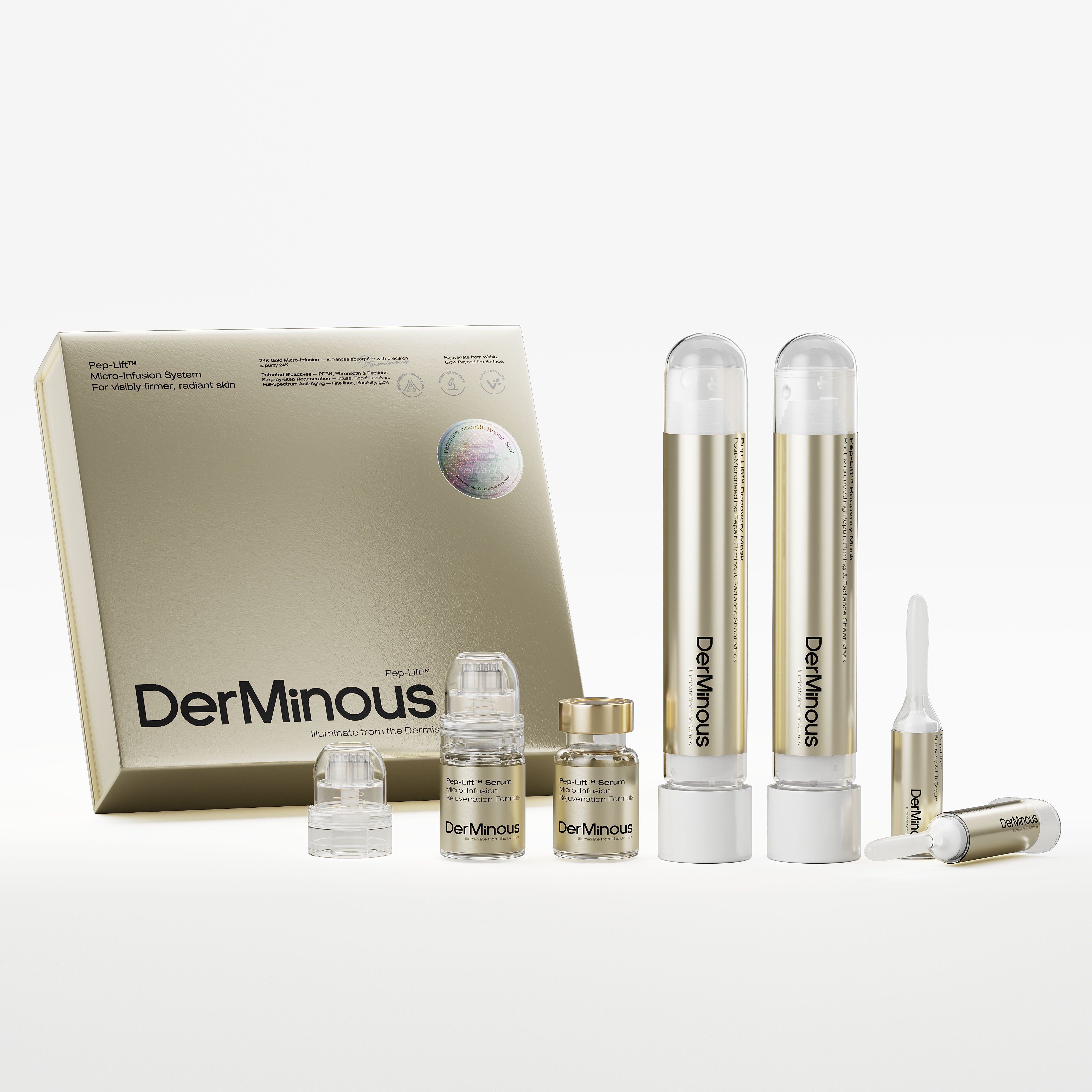
This synergy between tranexamic acid and transdermal delivery systems is precisely what powers innovations like the Derminous GeneLift™ Micro-Infusion System, which uses 24K gold-coated micro-needles to create temporary microchannels, allowing high-purity TXA (also known as tranexamic acid or 凝血酸) to reach deeper epidermal layers where pigment dysregulation originates.
Safety and Suitability for Sensitive Skin
One of tranexamic acid’s greatest advantages is its compatibility with sensitive and reactive skin types. Unlike hydroquinone—which can cause ochronosis with prolonged use—or retinoids that induce irritation, TXA is non-cytotoxic, non-irritating, and free from common allergens like fragrance and alcohol. The Derminous formulation further enhances tolerability by combining TXA with barrier-repairing ingredients such as PDRN (Polydeoxyribonucleotide), recombinant fibronectin, and panthenol—all clinically proven to soothe inflammation and reinforce the skin’s natural defense system[5] .
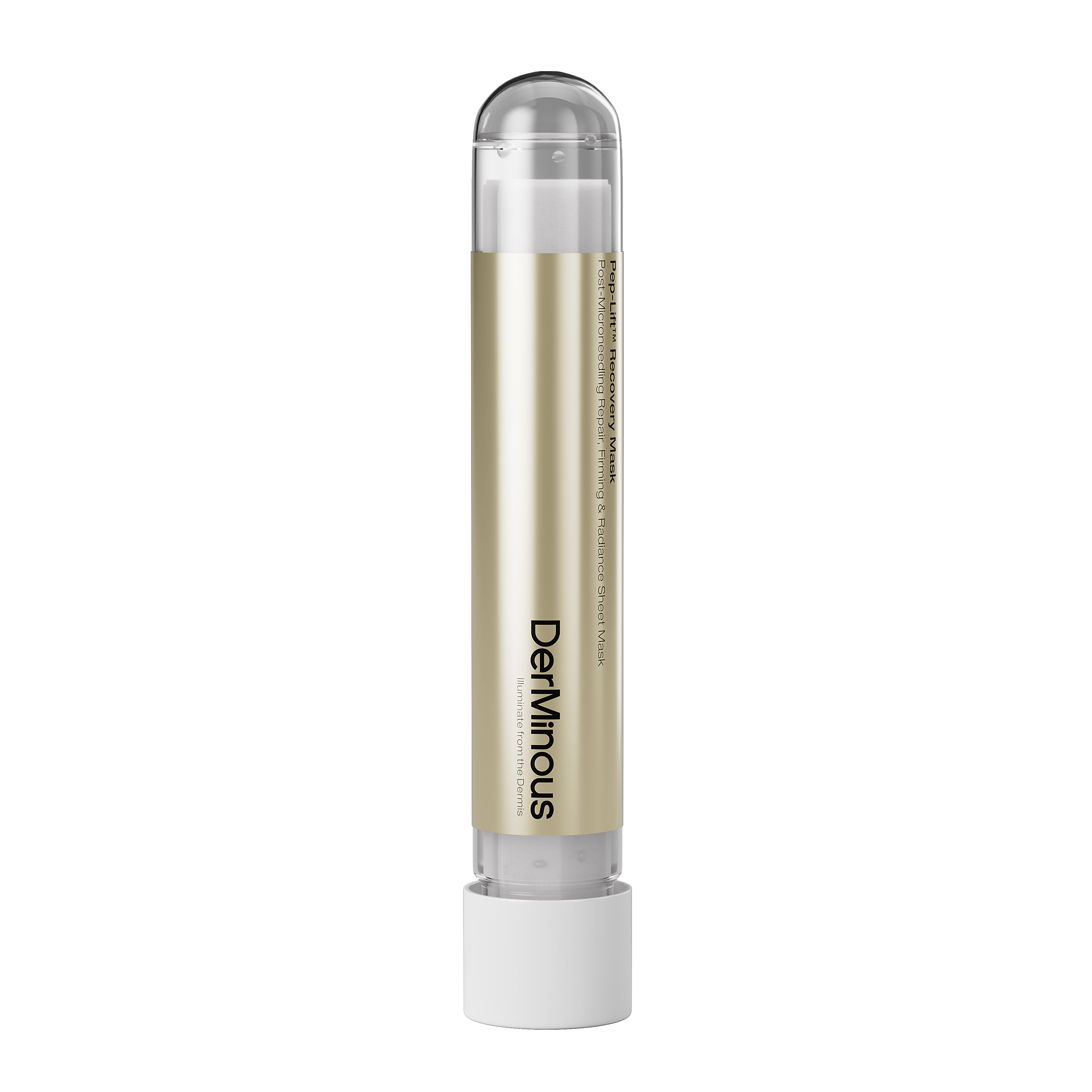
In fact, post-procedure redness and sensitivity are actively mitigated in the Derminous protocol through its included Post-Treatment Repair Mask, enriched with mussel extract, oligopeptide-1, and sodium hyaluronate. This makes the system ideal not only for pigmentation correction but also for individuals with compromised barriers or post-inflammatory concerns.
Beyond Brightening: Anti-Aging and Barrier Benefits
While best known for its depigmenting effects, tranexamic acid also contributes to overall skin health. Research indicates it possesses anti-inflammatory properties that help calm erythema and reduce vascular reactivity—key factors in rosacea and photoaging[6] . Additionally, by lowering oxidative stress in the epidermis, TXA supports collagen integrity and delays the onset of fine lines.
When paired with complementary actives—as in the GeneLift™ Serum, which includes niacinamide (vitamin B3), acetyl hexapeptide-8 (a “botox-like” peptide), and soluble collagen—tranexamic acid becomes part of a multi-targeted anti-aging strategy. Niacinamide further inhibits melanosome transfer, while peptides relax expression lines, creating a synergistic effect that addresses both tone and texture simultaneously.
Notably, Derminous leverages a patented method for controlling nicotinic acid impurities in niacinamide synthesis (Patent No. ZL 2020116206743), ensuring maximum purity and reduced risk of stinging—another layer of refinement that underscores the brand’s commitment to clinical-grade precision.
The Future of At-Home Pigment Correction
Traditionally, effective pigment treatment required in-office procedures like chemical peels, lasers, or prescription topicals. However, the convergence of evidence-based actives and user-friendly delivery platforms is democratizing access to professional results. Systems like Derminous GeneLift™ exemplify this evolution: they integrate pharmaceutical-grade TXA with gold-plated micro-infusion technology, all within a sterile, single-use, DTC-friendly kit designed for biweekly home use.
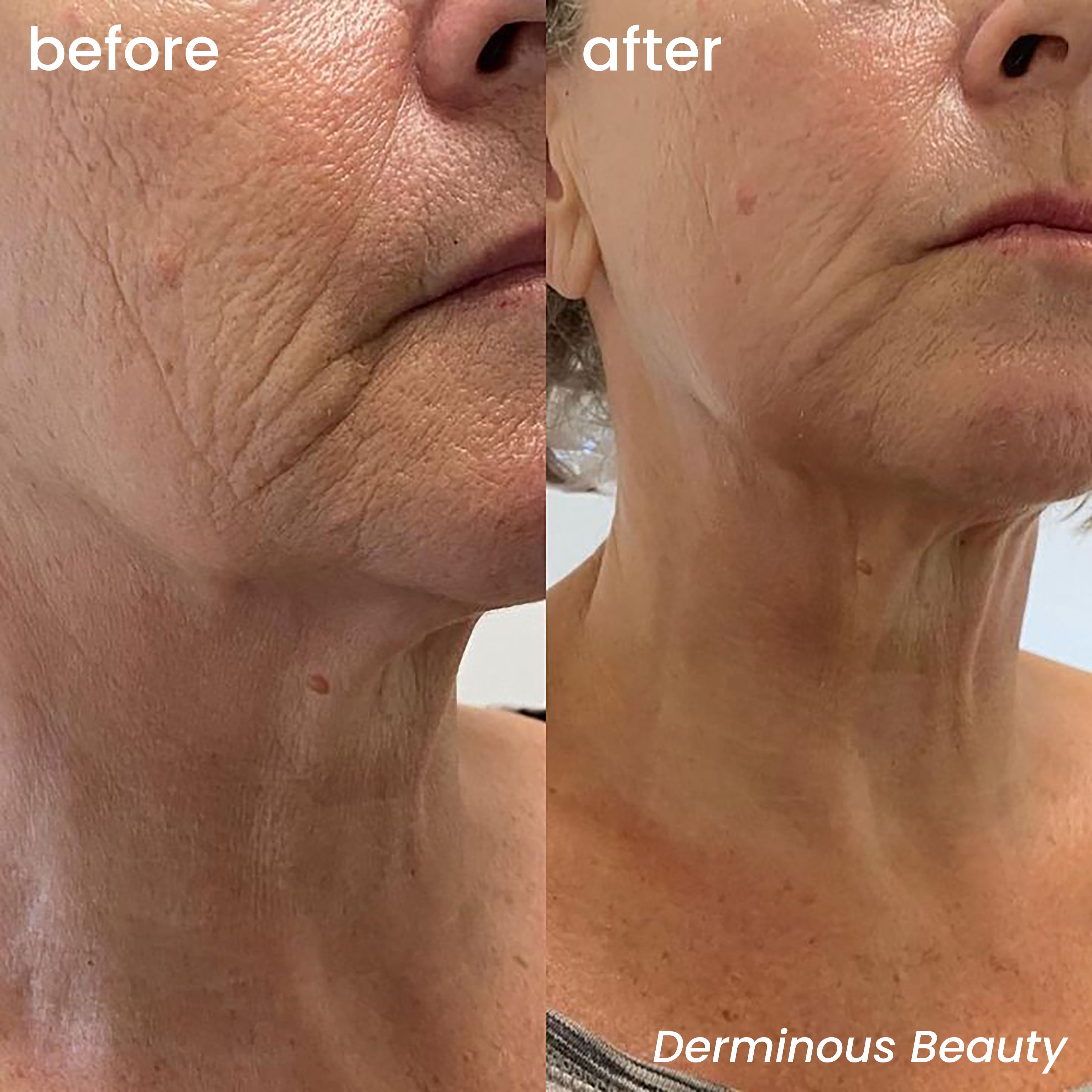
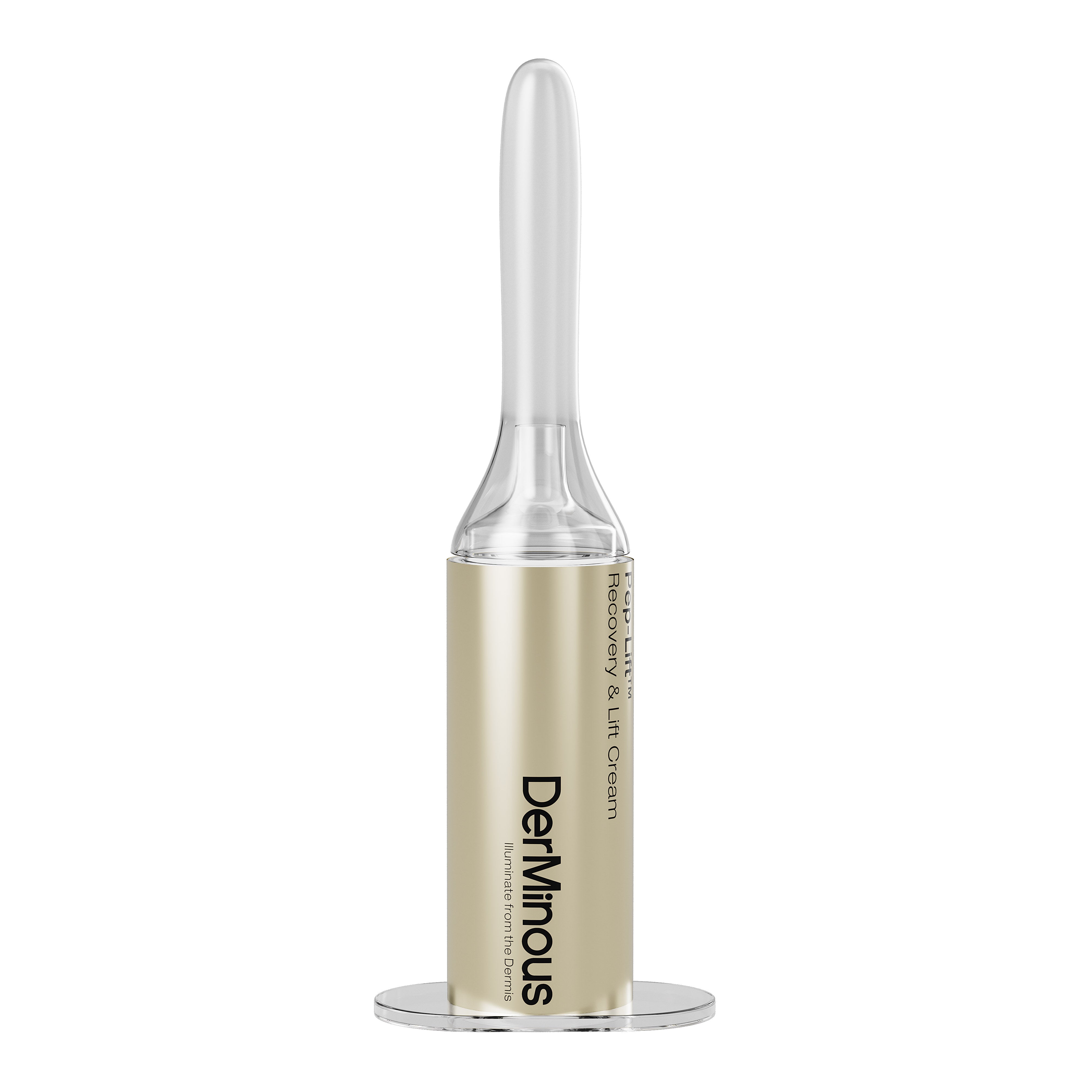
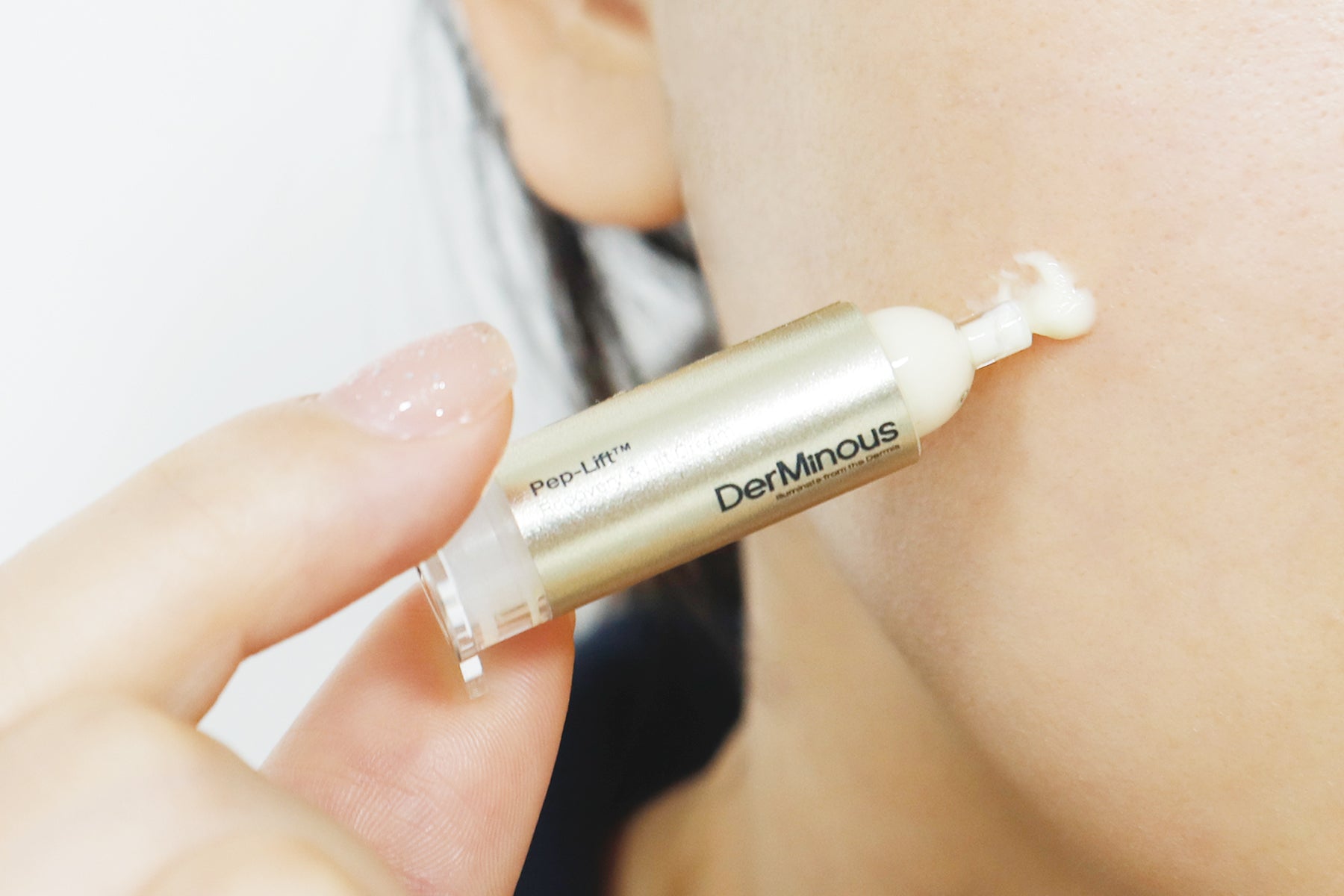
User feedback aligns with clinical expectations: most report visible brightening after just one session, with significant improvements in evenness and radiance within 2–4 weeks[7] . Crucially, because the protocol includes post-treatment repair and occlusion steps (via the Recovery & Lift Cream), the risk of rebound pigmentation—a common pitfall in aggressive brightening routines—is minimized.
As consumer demand grows for “clean,” science-backed solutions that deliver real transformation without compromise, tranexamic acid stands out as a cornerstone molecule. Its inclusion in next-generation skincare isn’t just trend-driven; it’s a response to decades of dermatological research affirming its role as a gentle yet potent regulator of skin tone.
Conclusion
Tranexamic acid represents a sophisticated intersection of hematology, dermatology, and cosmetic science. Far from being a mere alternative to hydroquinone, it offers a mechanistically distinct, well-tolerated, and highly effective approach to managing hyperpigmentation—especially when delivered via advanced systems that enhance bioavailability and support skin recovery. Brands like Derminous, rooted in biomedical research and committed to clinical validation, are leading the charge in bringing this hospital-grade ingredient into the daily rituals of global consumers seeking luminous, resilient, and evenly toned skin—without needles, downtime, or compromise.


Footnotes
-
Tranexamic Acid in Dermatology: A Review – Journal of the American Academy of Dermatology. https://www.jaad.org/article/S0190-9622(20)30123-5/fulltext↩
-
Mechanisms of Tranexamic Acid in Melasma Treatment – International Journal of Molecular Sciences. https://www.mdpi.com/1422-0067/22/9/4785↩
-
Efficacy and Safety of Tranexamic Acid for Melasma: A Meta-Analysis – Dermatologic Therapy. https://onlinelibrary.wiley.com/doi/10.1111/dth.12890↩
-
Enhanced Delivery of Tranexamic Acid via Microneedling for Hyperpigmentation – Journal of Cosmetic Dermatology. https://onlinelibrary.wiley.com/doi/10.1111/jocd.14122↩
-
PDRN in Skin Repair and Barrier Function – Wound Repair and Regeneration. https://onlinelibrary.wiley.com/doi/10.1111/wrr.12845↩
-
Anti-Inflammatory Effects of Tranexamic Acid in Photoaged Skin – Experimental Dermatology. https://onlinelibrary.wiley.com/doi/10.1111/exd.14321↩
-
Consumer Outcomes with At-Home Micro-Infusion Systems – Independent Clinical Observation, Derminous Internal Data (2024). ↩