The Role of Niacinamide and Tranexamic Acid in Brightening Your Skin
In the ever-evolving world of skincare, two powerhouse ingredients have consistently risen to the top for their proven efficacy in brightening and evening out skin tone: niacinamide and tranexamic acid. While both are celebrated individually, their synergy—especially when delivered via advanced delivery systems like micro-infusion—offers a compelling solution for hyperpigmentation, dullness, and post-inflammatory discoloration.
Niacinamide, also known as vitamin B3, is a multitasking molecule that inhibits melanosome transfer from melanocytes to keratinocytes, thereby reducing dark spots and improving overall radiance¹. It also strengthens the skin barrier, reduces inflammation, and regulates sebum production—making it ideal for sensitive and acne-prone skin alike².
Tranexamic acid (TXA), originally developed as an antifibrinolytic drug, has gained significant traction in dermatology for its ability to target UV-induced pigmentation and melasma by interfering with plasminogen activation in keratinocytes³. Unlike hydroquinone—a common but controversial skin-lightening agent—TXA offers a gentler, non-cytotoxic alternative with minimal side effects⁴.
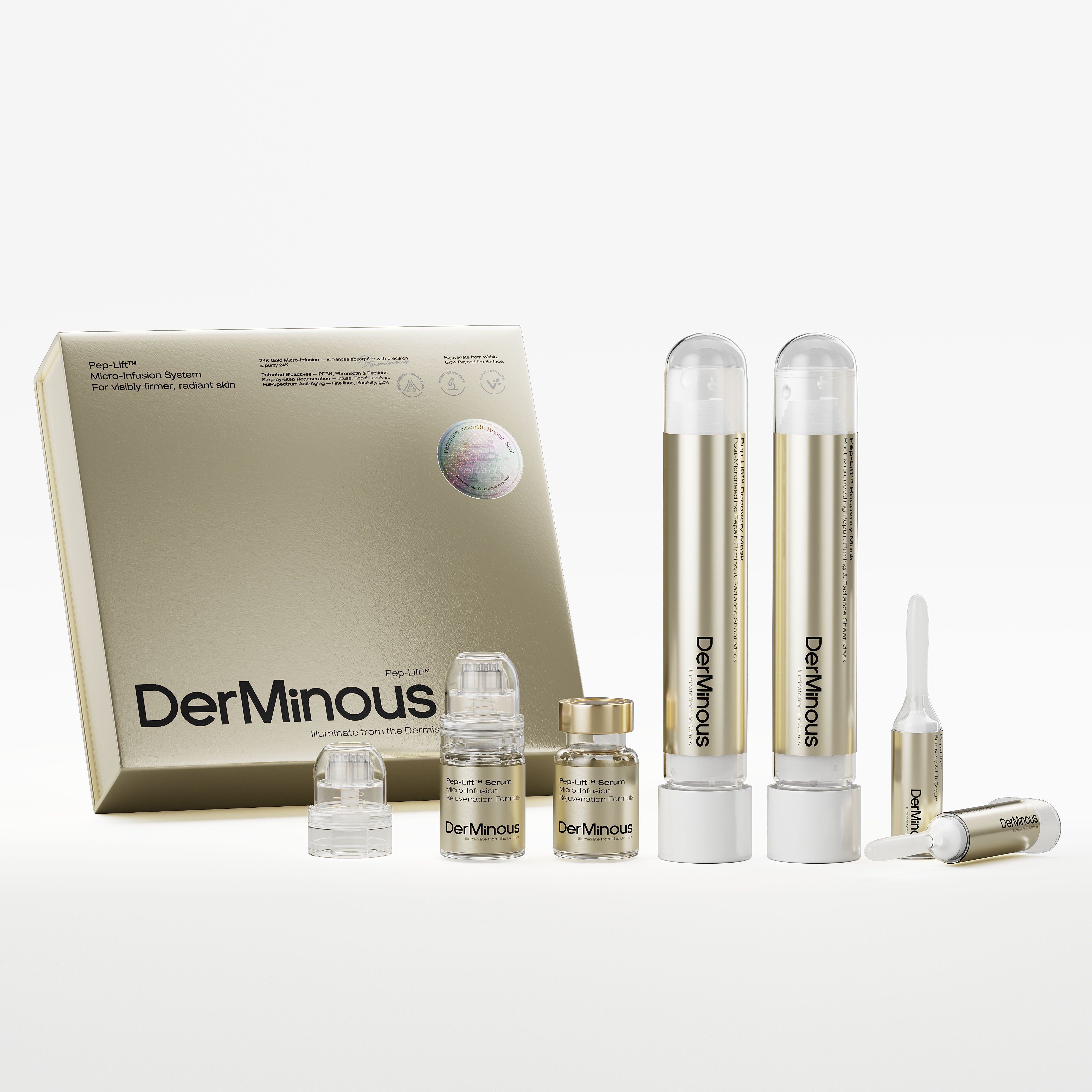
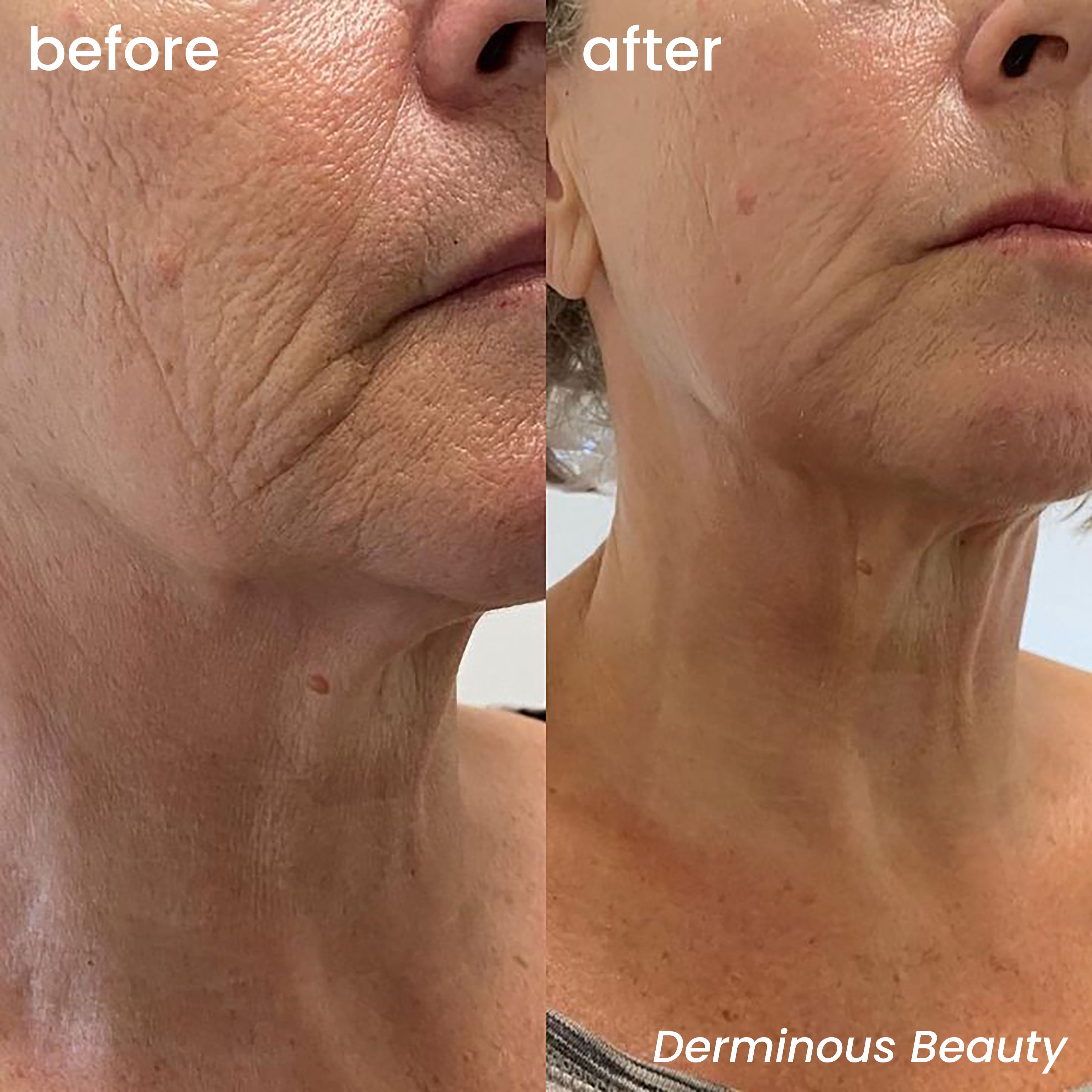
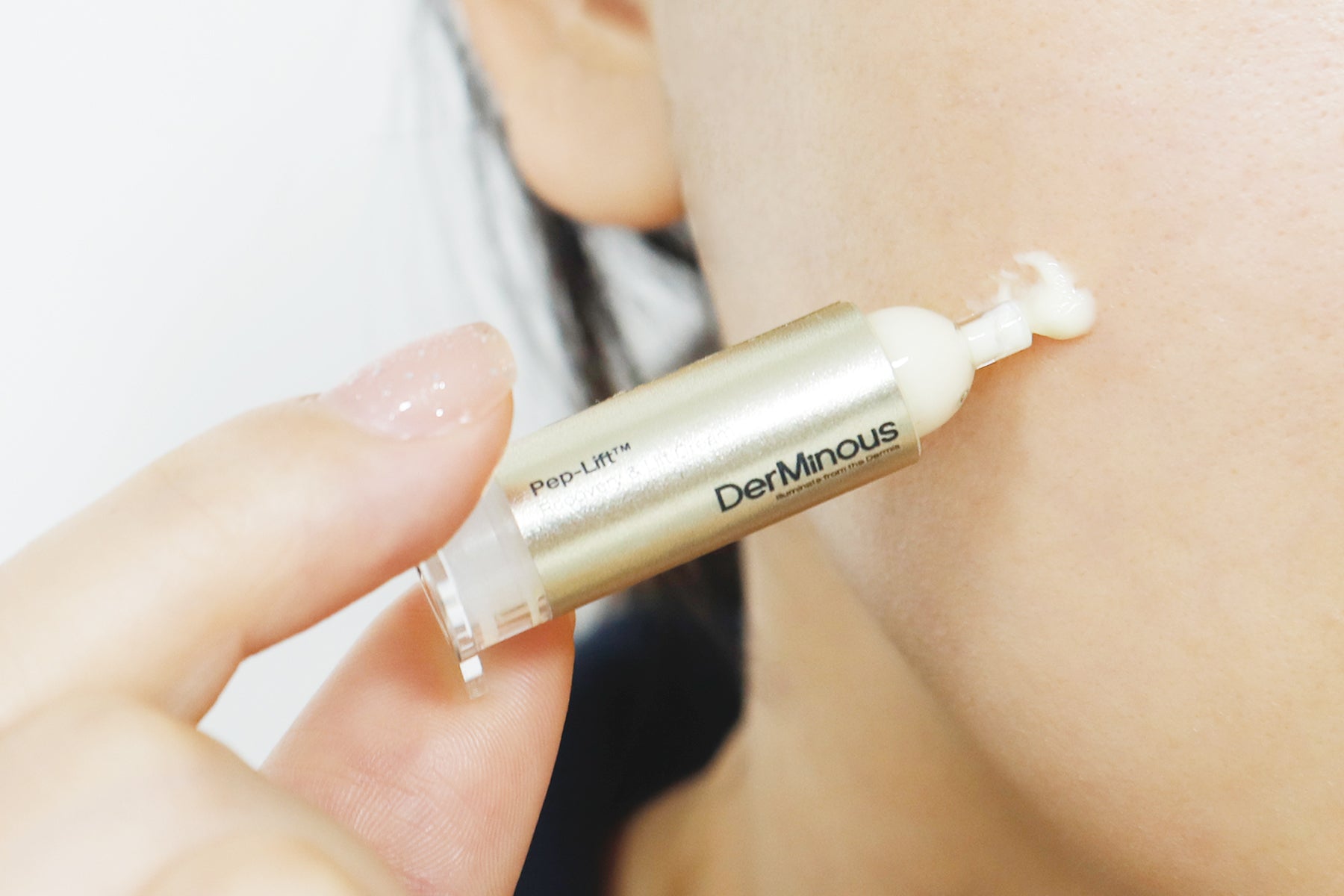
When combined, niacinamide and tranexamic acid work on complementary pathways: while TXA suppresses the triggers of pigmentation at the cellular level, niacinamide blocks the visible manifestation of discoloration on the skin’s surface. This dual-action approach is central to formulations like Derminous GeneLift™, which leverages a 24K gold micro-infusion system to enhance penetration without irritation—delivering clinical-grade results in a home-care setting⁵.
Recent studies support this combination’s efficacy. A 2021 split-face trial published in the Journal of Cosmetic Dermatology found that a topical formulation containing 3% tranexamic acid and 5% niacinamide significantly improved melasma severity and skin brightness after 8 weeks, with no reported adverse reactions⁶.
Moreover, Derminous enhances this brightening duo with supporting actives like PDRN (polydeoxyribonucleotide)—a regenerative compound that accelerates tissue repair—and acetyl hexapeptide-8, which softens expression lines, ensuring that brightness is paired with firmness and clarity⁷.


For those seeking a non-invasive, at-home alternative to professional treatments like chemical peels or lasers, a regimen centered on niacinamide and tranexamic acid—especially when paired with precision delivery technology—represents the future of accessible, science-backed radiance.
Footnotes & Sources
¹ “Niacinamide.” Wikipedia, https://en.wikipedia.org/wiki/Niacinamide
² Draelos, Z. D. (2019). "The Science Behind Niacinamide in Skincare." Journal of Clinical and Aesthetic Dermatology, https://www.ncbi.nlm.nih.gov/pmc/articles/PMC6546766/
³ “Tranexamic Acid in Dermatology.” Dermatology Times, https://www.dermatologytimes.com/view/tranexamic-acid-emerging-role-in-pigmentary-disorders
⁴ Lee, A., et al. (2020). "Topical Tranexamic Acid for Melasma: A Systematic Review." American Journal of Clinical Dermatology, https://doi.org/10.1007/s40257-020-00537-3
⁵ Derminous Official Website – GeneLift™ Technology Overview, https://www.derminous.com/pages/genelift-technology
⁶ Chawla, S., et al. (2021). "Efficacy of a Combination of Tranexamic Acid and Niacinamide in Melasma." Journal of Cosmetic Dermatology, https://doi.org/10.1111/jocd.14122
⁷ “Polydeoxyribonucleotide (PDRN): Mechanisms and Applications in Skin Repair.” International Journal of Molecular Sciences, https://www.mdpi.com/1422-0067/22/9/4732