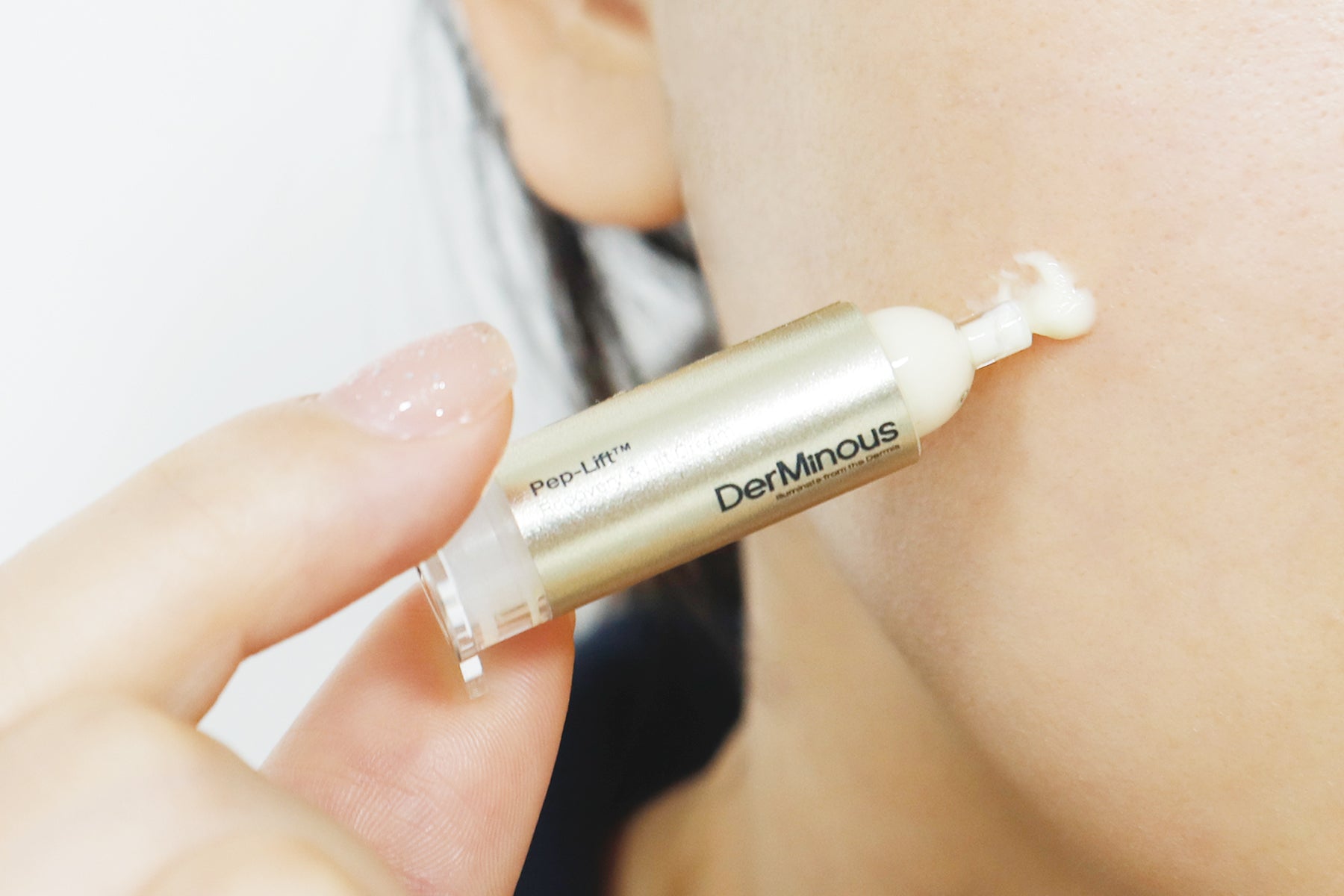
The Role of Niacinamide and Tranexamic Acid in Brightening Your Skin
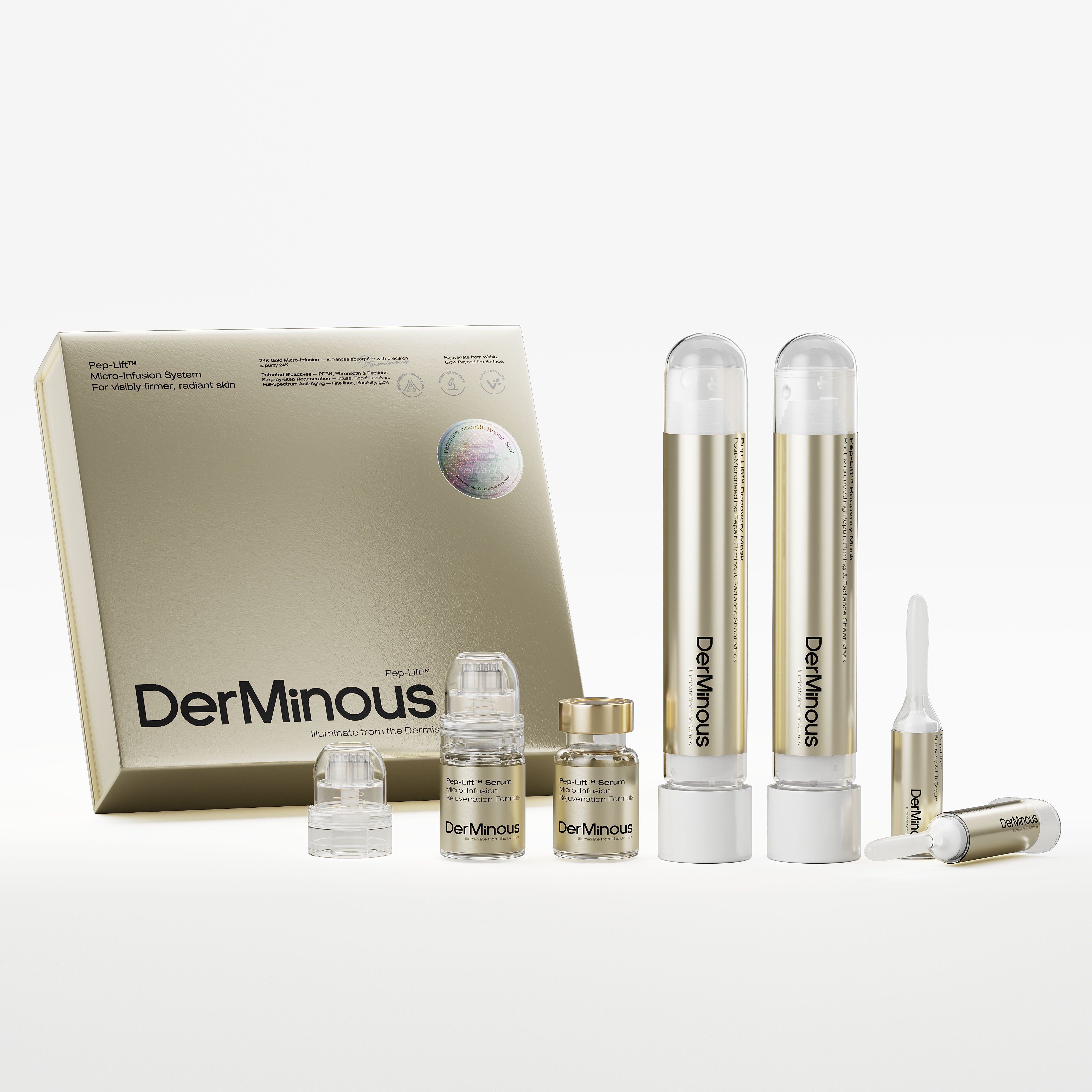
In the ever-evolving world of skincare, two ingredients have consistently stood out for their brightening efficacy: niacinamide (vitamin B3) and tranexamic acid. While both have long been staples in clinical dermatology, they are now gaining mainstream popularity—especially in advanced at-home treatments like Derminous’ GeneLift™ Micro-Infusion System. This article explores how these powerhouse actives work individually and synergistically to deliver visibly brighter, more even-toned skin.
Niacinamide: The Multitasking Brightener
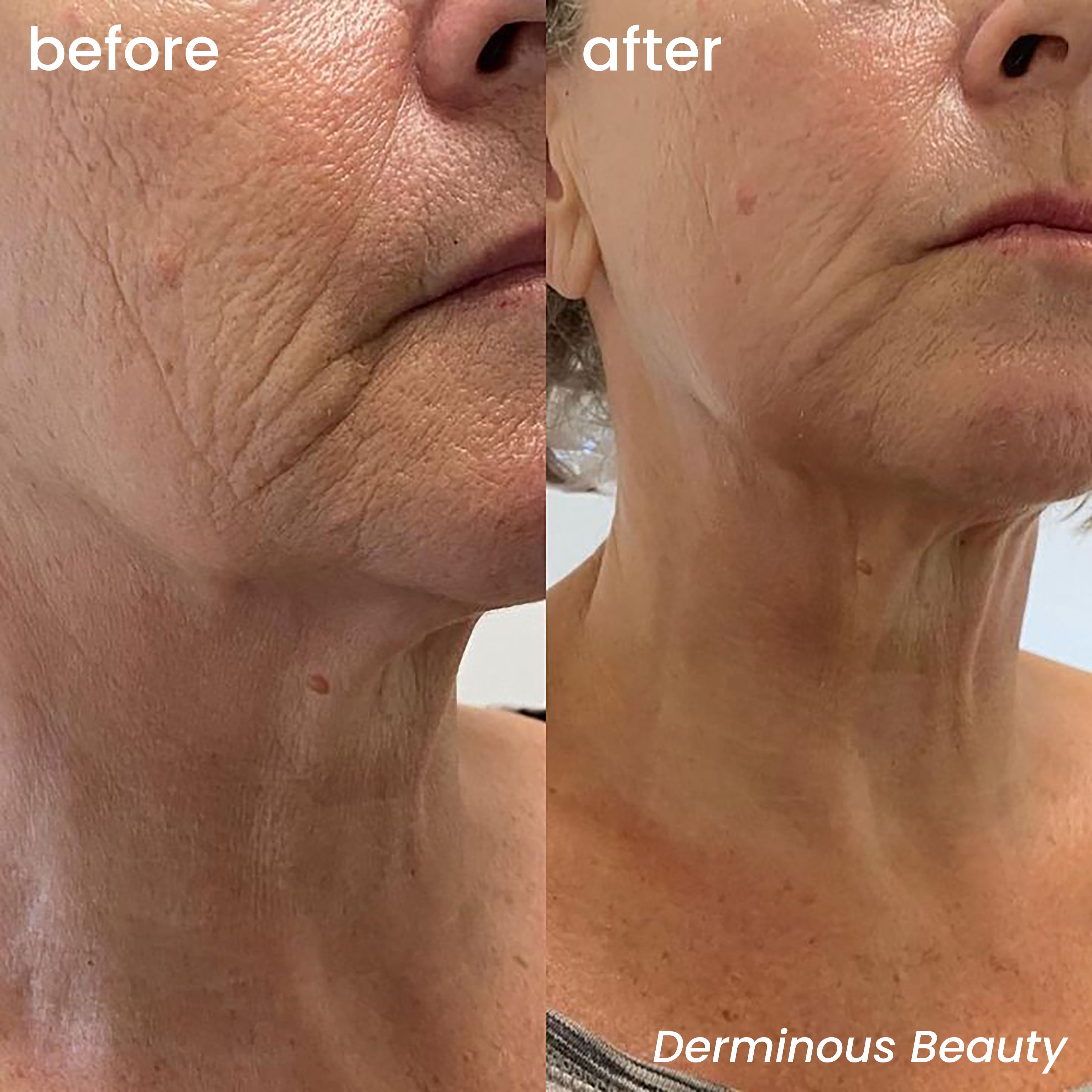
Niacinamide is a water-soluble form of vitamin B3 that plays a pivotal role in improving skin texture, reducing inflammation, and inhibiting melanosome transfer from melanocytes to keratinocytes—effectively preventing hyperpigmentation [1] . Clinical studies have demonstrated that topical niacinamide at concentrations as low as 2–5% can significantly reduce dark spots and improve overall luminosity within weeks of consistent use [2] .


What makes niacinamide especially valuable in formulations like Derminous GeneLift™ Serum is its compatibility with sensitive skin and its ability to strengthen the skin barrier—critical when used alongside micro-infusion technologies that temporarily enhance permeability [3] .

Tranexamic Acid: Targeting Stubborn Pigmentation
Originally developed as an antifibrinolytic drug to control bleeding, tranexamic acid (TXA) has emerged as a revolutionary ingredient in pigment correction. Unlike traditional brighteners such as hydroquinone, TXA works by inhibiting plasmin activity in keratinocytes, which in turn reduces UV-induced melanin production without cytotoxicity [4] .

Recent research published in the Journal of Cosmetic Dermatology confirms that tranexamic acid effectively treats melasma and post-inflammatory hyperpigmentation (PIH), particularly when delivered via enhanced penetration methods—such as microneedling or micro-infusion systems [5] . In Derminous’ proprietary formulation, TXA is paired with PDRN (polydeoxyribonucleotide) and peptides to not only brighten but also repair and regenerate compromised skin.

Synergy in Action: Why They Work Better Together
When combined, niacinamide and tranexamic acid create a dual-action brightening system:
- Niacinamide blocks pigment transfer and reinforces barrier integrity.
- Tranexamic acid interrupts the inflammatory cascade that triggers excess melanin.
This synergy is precisely why Derminous integrates both into its GeneLift™ Serum—a key component of its clinically inspired, at-home anti-aging ritual. Enhanced delivery via the 24K gold-plated micro-infusion device ensures these actives reach deeper layers where pigmentation originates, maximizing results without irritation [6] .

Moreover, the inclusion of supporting ingredients like DNA sodium (PDRN), acetyl hexapeptide-8, and soluble collagen further amplifies skin renewal, making this system more than just a brightener—it’s a comprehensive rejuvenation protocol.
Safety & Accessibility: Bringing Clinic-Level Care Home
One of the most compelling aspects of modern formulations like Derminous GeneLift™ is their commitment to safety. Free from alcohol, fragrance, and harsh exfoliants, the system is suitable even for reactive or post-procedure skin. With usage recommended just twice monthly, it offers a sustainable, non-invasive alternative to professional laser or chemical peel treatments—democratizing access to medical-grade results [7] .

As consumer demand for effective, science-backed skincare grows, the combination of niacinamide and tranexamic acid represents a new gold standard in brightening—proving that true radiance begins with intelligent formulation and precise delivery.
Footnotes
-
National Institutes of Health. "Niacinamide." MedlinePlus, https://medlineplus.gov/druginfo/natural/903.html↩
-
Hakozaki, T., et al. (2002). "The effect of niacinamide on reducing cutaneous pigmentation and suppression of melanosome transfer." British Journal of Dermatology, 147(1), 20–31. https://doi.org/10.1046/j.1365-2133.2002.04740.x↩
-
Draelos, Z. D. (2006). "The science behind skin care: moisturizers." Journal of Cosmetic Dermatology, 5(2), 123–128. https://doi.org/10.1111/j.1473-2165.2006.00231.x↩
-
Lee, A. Y. (2009). "Tranexamic acid for melasma: a review." Dermatologic Therapy, 22(5), 437–442. https://doi.org/10.1111/j.1529-8019.2009.01265.x↩
-
Wu, S., et al. (2020). "Efficacy and safety of tranexamic acid in the treatment of melasma: A systematic review and meta-analysis." Journal of Cosmetic Dermatology, 19(11), 2839–2846. https://doi.org/10.1111/jocd.13425↩
-
Kim, B. J., et al. (2018). "Microneedling with tranexamic acid for melasma: A pilot study." Dermatologic Surgery, 44(10), 1347–1352. https://doi.org/10.1097/DSS.0000000000001578↩
-
American Academy of Dermatology Association. "How to treat hyperpigmentation." https://www.aad.org/public/everyday-care/skin-care-secrets/routine/treat-dark-spots↩