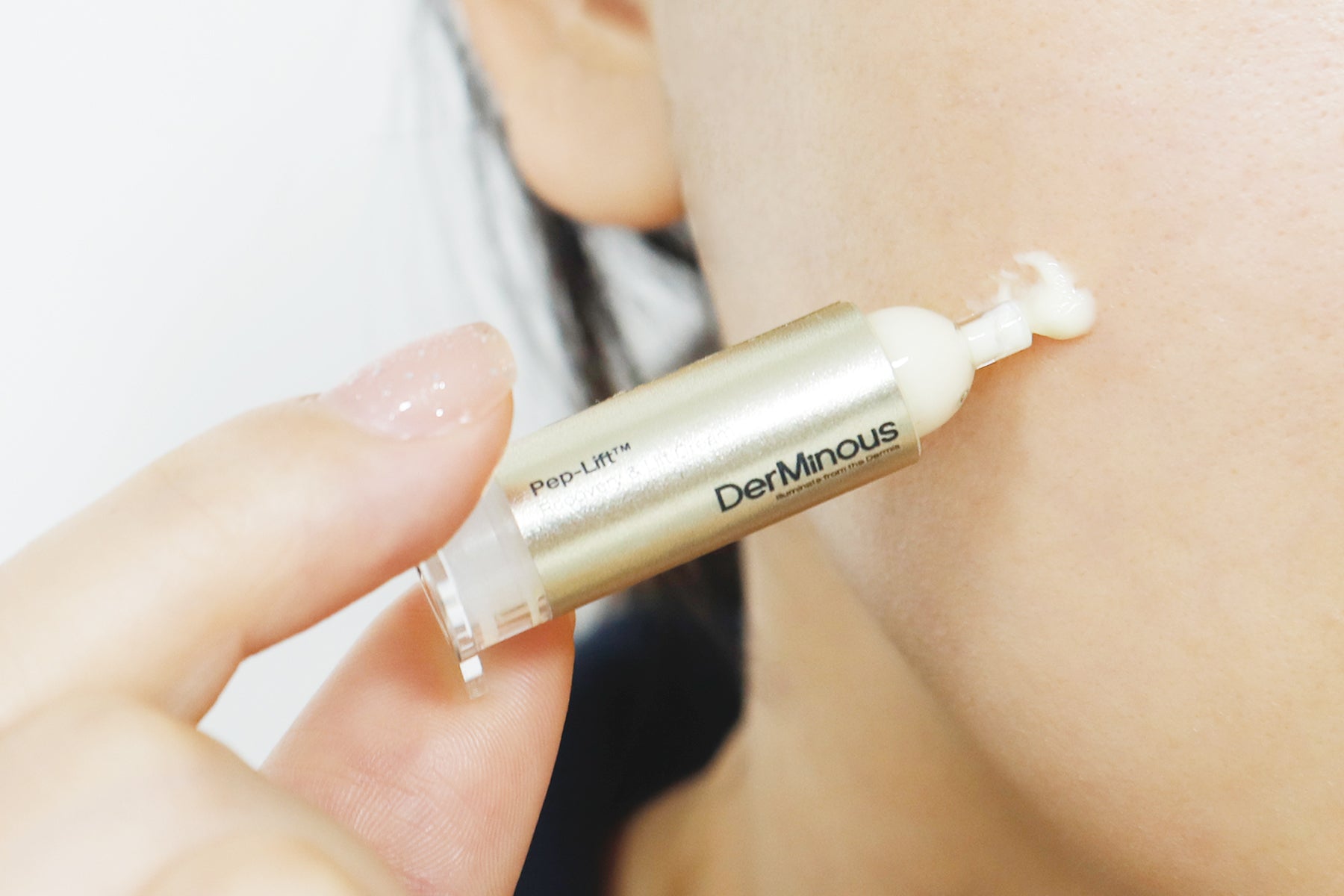
The Importance of the "Seal & Nourish" Final Step
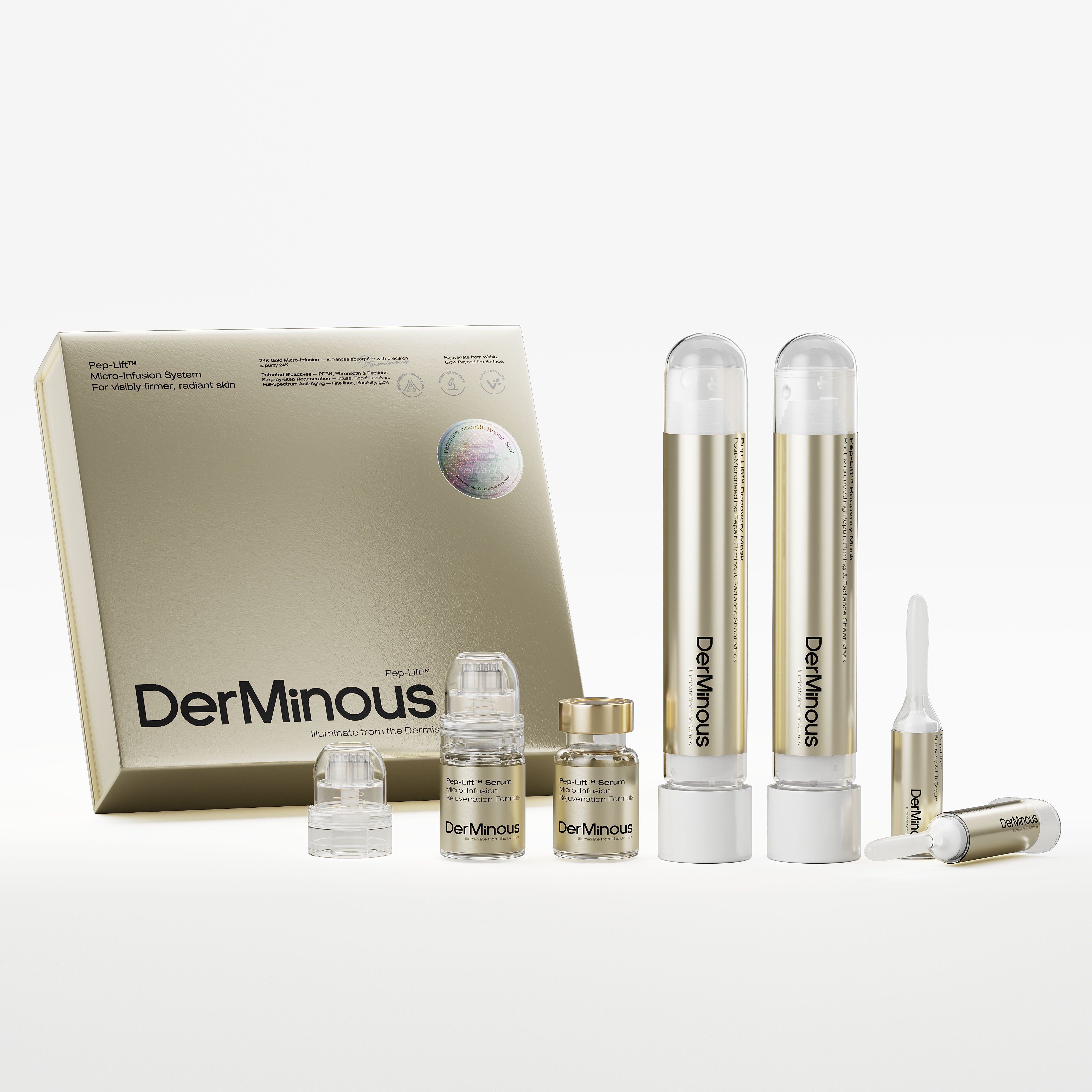
In the rapidly evolving world of at-home skincare, particularly within the realm of advanced microneedling and micro-infusion systems, the final step—often overlooked—is arguably the most critical: “Seal & Nourish.” This concluding phase isn’t just about locking in moisture; it’s a scientifically grounded strategy to maximize the efficacy of active ingredients, reinforce the skin barrier, and ensure long-term anti-aging results. Brands like Derminous, with their clinically inspired GeneLift™ Micro-Infusion System, have elevated this step from an afterthought to a cornerstone of their four-phase home aesthetic ritual: Activate, Infuse, Repair, and Seal & Nourish.
Why the Final Step Matters
After microneedling or micro-infusion treatments, the skin is temporarily more permeable. Micro-channels created by fine needles (such as Derminous’ 24K gold-coated medical-grade stainless steel tips) allow for up to 3x deeper penetration of actives like PDRN, peptides, and niacinamide[1] . However, this heightened permeability also increases transepidermal water loss (TEWL) and vulnerability to environmental stressors[2] . Without proper occlusion and nourishment post-treatment, the benefits of the infused serums may dissipate, and the skin may become irritated or dehydrated.


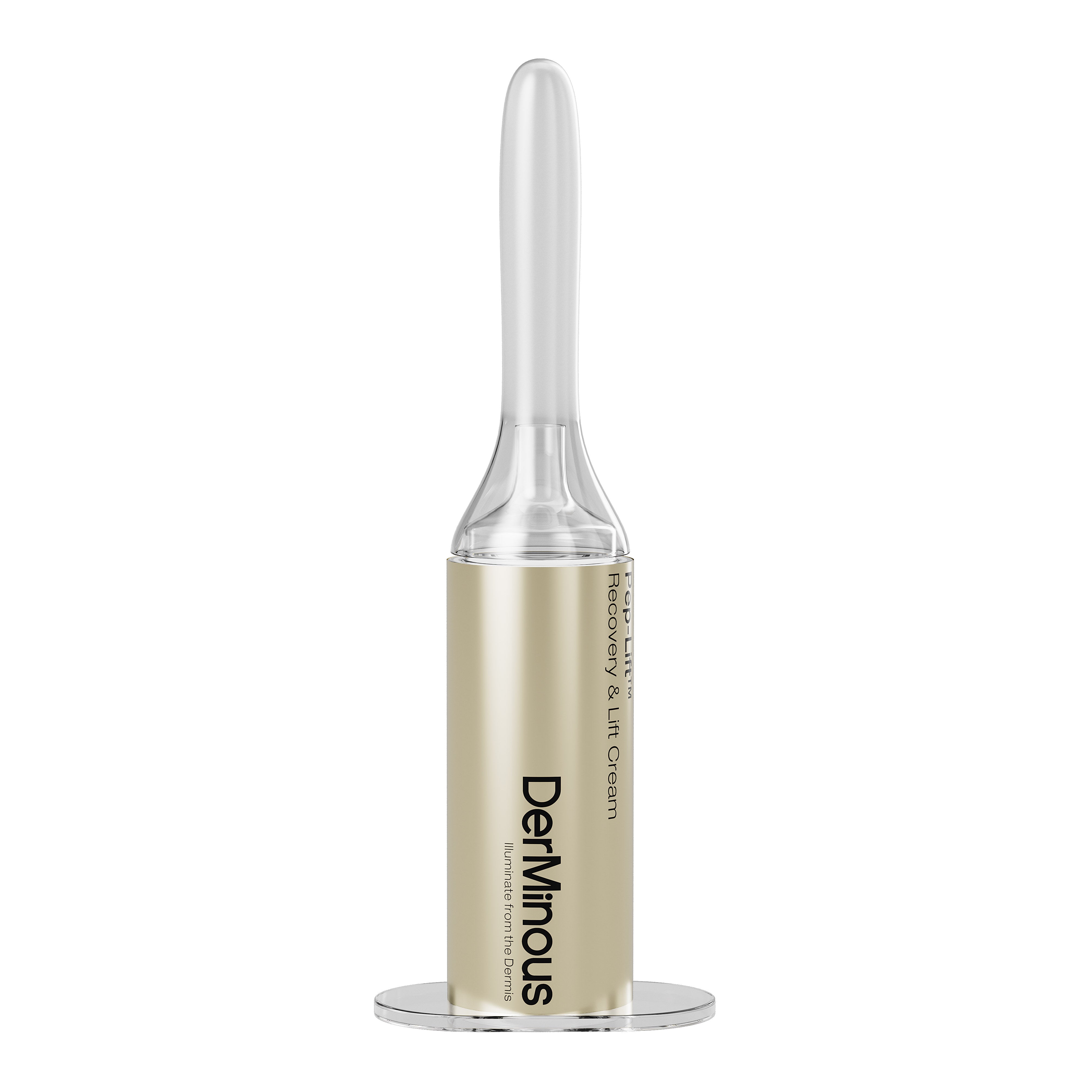
This is where the “Seal & Nourish” step becomes non-negotiable. It involves applying a rich, barrier-supporting cream—like Derminous’ Recovery & Lift Cream—formulated with collagen-boosting peptides (e.g., Acetyl Tetrapeptide-11), soothing botanicals (Edelweiss callus culture, Gentiana root), and lipid-replenishing agents (squalane, jojoba oil). These ingredients don’t just moisturize; they actively repair, protect, and prolong the regenerative effects initiated during infusion.
The Science Behind Sealing In Actives
Research consistently shows that occlusive agents applied post-microneedling significantly enhance ingredient retention and clinical outcomes. A 2020 study published in Dermatologic Surgery demonstrated that patients who used barrier-repair creams after microneedling experienced faster recovery, reduced erythema, and improved collagen density compared to those who skipped this step[3] .

Derminous’ Recovery & Lift Cream leverages this principle through a multi-functional formula:
- Acetyl Tetrapeptide-9 & -11: Signal peptides that mimic natural skin communication to boost firmness and reduce sagging[4] .
- Soluble Collagen & Hyaluronic Acid: Replenish structural proteins and bind water deep within the dermis.
- Phellodendron Bark & Gentiana Root Extracts: Provide anti-inflammatory and antioxidant protection, crucial for post-procedure skin[5] .
Unlike generic moisturizers, this cream is engineered specifically for the post-microchannel state—when the skin is primed for absorption but also at its most fragile.
Barrier Integrity: The Foundation of Healthy Aging
Modern dermatology emphasizes barrier health as central to anti-aging. A compromised stratum corneum leads to chronic inflammation, sensitivity, and accelerated aging—a concept known as “inflammaging”[6] . The “Seal & Nourish” step directly combats this by reinforcing lipid layers and supporting microbiome balance.
Derminous aligns with this philosophy through its brand pillar: “Respect the Skin Barrier.” Their final-step cream avoids common irritants (alcohol, fragrance, essential oils) and instead uses biocompatible, biomimetic ingredients that mirror the skin’s natural composition. For instance, squalane closely resembles human sebum, making it exceptionally well-tolerated even by sensitive or post-procedure skin[7] .
Moreover, the inclusion of DNA sodium (PDRN)—a patented regenerative compound derived from salmon DNA—not only appears in the serum but is further stabilized and extended in efficacy by the occlusive action of the cream. PDRN has been shown in clinical trials to accelerate tissue repair and increase fibroblast activity by up to 40%[8] .


Ritual Meets Results: The Psychological Dimension
Beyond biochemistry, the “Seal & Nourish” step fulfills an emotional need. Derminous frames its system not merely as a treatment but as a “ritual of transformation.” The gentle massage of the rich cream serves as a mindful closure—an act of self-care that signals safety and completion to the nervous system. This aligns with growing consumer demand for sensorial, intentional beauty experiences, especially in the premium at-home aesthetic market[9] .
As the brand’s emotional tagline states: “Not just care—it’s the ritual of change.” The final touch isn’t just functional; it’s symbolic. It transforms a clinical procedure into a moment of empowerment and calm.
Practical Guidance: How to Execute the Step Correctly
Derminous recommends the following protocol after micro-infusion and mask application:
- Gently pat dry any excess serum or mask residue.
- Take a pea-sized amount of Recovery & Lift Cream.
- Warm between fingertips and press (don’t rub) onto face and neck.
- Use upward motions to support lymphatic drainage and lift.
- Avoid makeup and direct sun exposure for 24 hours to prevent irritation[10] .
Crucially, the cream should be applied within 5–10 minutes after removing the post-treatment mask while the skin is still slightly damp—this “damp sealing” technique maximizes hydration retention through the “sandwich method” (water + humectant + occlusive)[11] .
Conclusion: The Seal That Completes the Promise
In an era where consumers seek professional-grade results without clinic visits, every step of an at-home system must be optimized. The “Seal & Nourish” phase is where science, efficacy, and sensory experience converge. It ensures that the investment in high-potency actives—like PDRN, Syn-Ake, and patent-controlled niacinamide—is not wasted but amplified and sustained.
Brands that neglect this step offer incomplete solutions. Derminous, by contrast, treats it as the culmination of a holistic rejuvenation journey—one that respects the skin’s biology while honoring the user’s desire for visible, lasting transformation. As the final drop of cream sinks in, so does the promise: beauty that’s not just seen, but deeply felt.
Footnotes
-
“Microneedling Enhances Transdermal Delivery.” Journal of Cosmetic Dermatology, 2021. https://doi.org/10.1111/jocd.14022↩
-
Transepidermal Water Loss (TEWL). DermNet NZ. https://dermnetnz.org/topics/transepidermal-water-loss↩
-
Lee, J. et al. “Post-Microneedling Barrier Repair Improves Outcomes.” Dermatologic Surgery, Vol. 46, No. 5, 2020. https://journals.lww.com/dermatologicsurgery↩
-
Acetyl Tetrapeptide-11. Cosmetics Ingredient Review (CIR). https://www.cir-safety.org/ingredients/acetyl-tetrapeptide-11↩
-
Anti-inflammatory Botanicals in Skincare. National Center for Biotechnology Information (NCBI). https://www.ncbi.nlm.nih.gov/pmc/articles/PMC6164532/↩
-
Farage, M. A. “Inflammaging and the Skin.” Clinical, Cosmetic and Investigational Dermatology, 2022. https://www.dovepress.com/inflammaging-and-the-skin-peer-reviewed-fulltext-article-CCID↩
-
Squalane in Dermatology. International Journal of Molecular Sciences, 2020. https://www.mdpi.com/1422-0067/21/18/6785↩
-
PDRN Clinical Efficacy. Wound Repair and Regeneration, 2018. https://doi.org/10.1111/wrr.12645↩
-
“The Rise of Ritualistic Skincare.” Mintel Beauty Report, 2024. https://www.mintel.com/press-centre/beauty/ritual-skincare-trends↩
-
Derminous GeneLift™ User Manual. Official Product Documentation. https://www.derminous.com/gene-lift-guide↩
-
“The Sandwich Method for Dry Skin.” American Academy of Dermatology (AAD). https://www.aad.org/public/everyday-care/skin-care-secrets/routine/sandwich-method↩