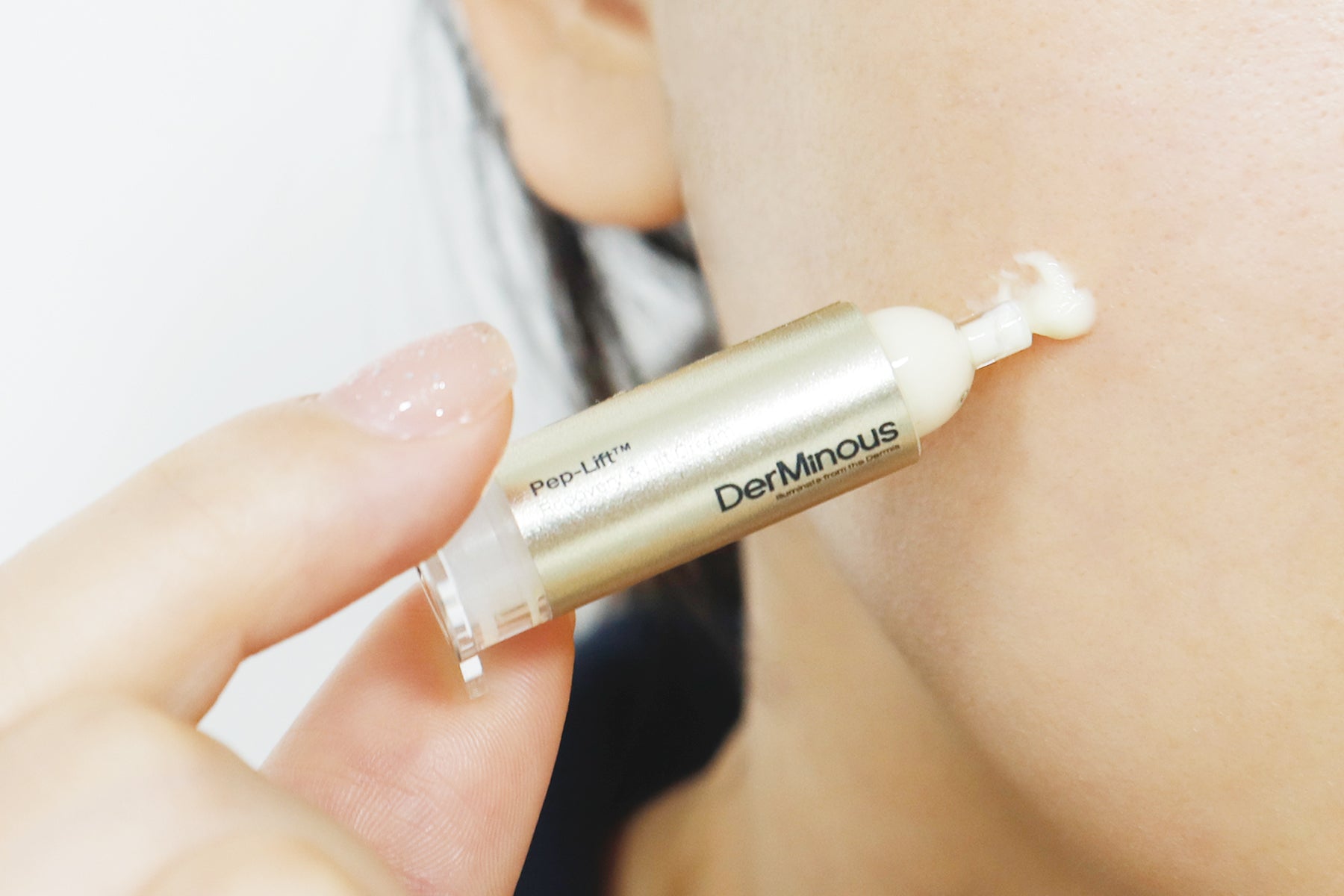
The Importance of a Clean, Alcohol-Free Formula
In the rapidly evolving world of skincare—especially within the high-performance, at-home medical-grade segment—consumers are becoming increasingly discerning about what they apply to their skin. One critical factor gaining widespread attention is the presence or absence of alcohol in skincare formulations. While some forms of alcohol can serve functional purposes (e.g., as solvents or preservatives), many commonly used alcohols—particularly denatured alcohol (alcohol denat.), ethanol, and isopropyl alcohol—can compromise the skin barrier, trigger inflammation, and exacerbate sensitivity, especially in post-procedure or compromised skin states¹. This is why clean, alcohol-free formulas like those developed by Derminous for its GeneLift™ Micro-Infusion System represent not just a trend, but a scientifically grounded standard for efficacy, safety, and long-term skin health.
Why Alcohol in Skincare Can Be Problematic
Alcohol is often added to skincare products to create a quick-drying feel, enhance penetration of other ingredients, or act as a preservative. However, frequent or high-concentration use of certain alcohols can strip the skin of its natural lipids, disrupt the acid mantle, and lead to transepidermal water loss (TEWL)—a key indicator of impaired barrier function². For individuals with sensitive, reactive, or post-treatment skin (such as after microneedling), this disruption can delay healing, increase redness, and even trigger conditions like eczema or rosacea flare-ups³.
A 2020 review published in the Journal of Clinical and Aesthetic Dermatology emphasized that “alcohol-based topical products should be avoided in patients with compromised skin barriers or inflammatory dermatoses”⁴. This aligns directly with Derminous’s core philosophy: respecting the skin barrier while delivering potent actives.
The Science Behind Alcohol-Free Efficacy
Contrary to outdated assumptions, removing alcohol does not mean sacrificing performance. In fact, modern formulation science has advanced to the point where alternative delivery systems—such as micro-infusion technology, lipid-based carriers, and biomimetic peptides—can enhance ingredient penetration without irritation.
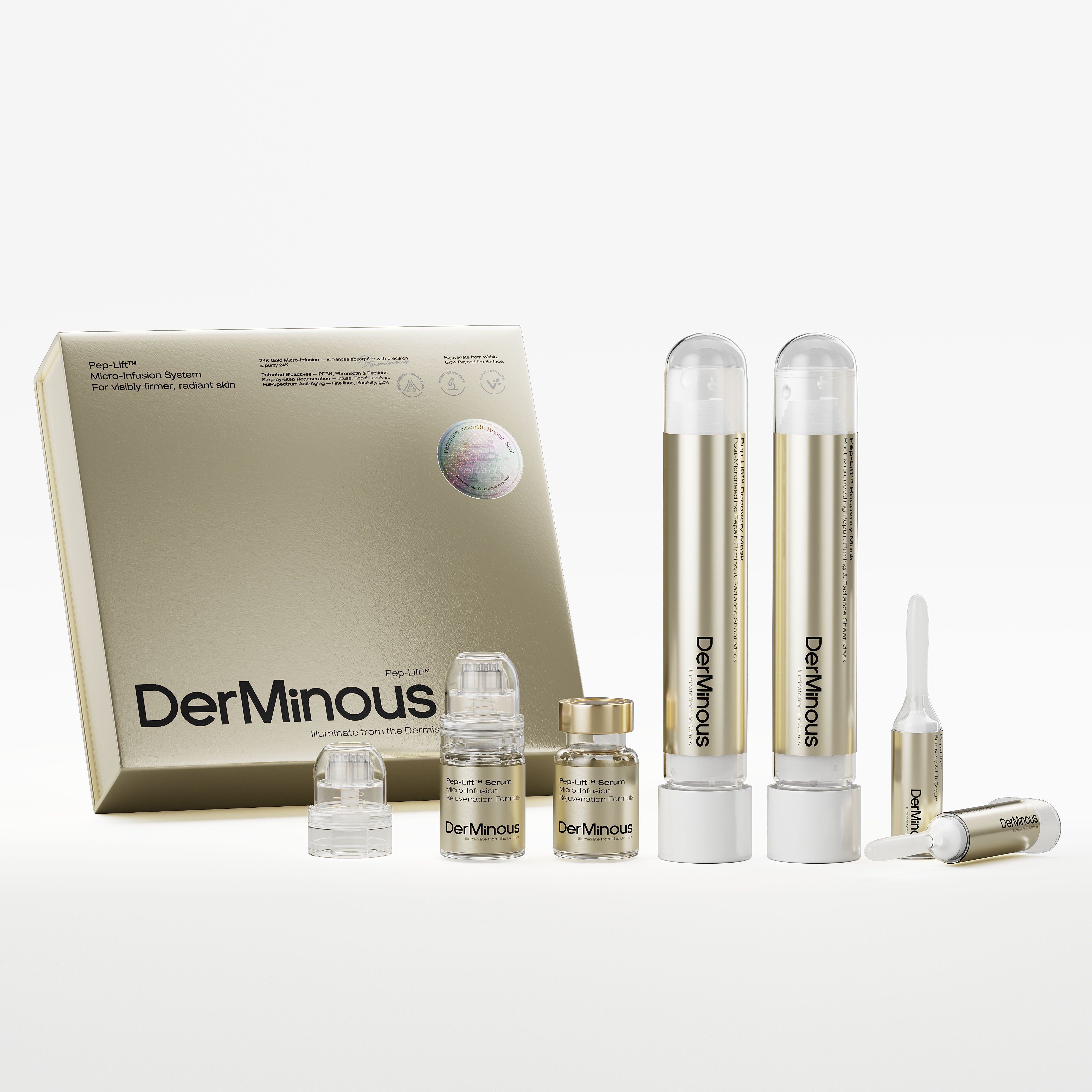
Derminous’s GeneLift™ Serum, for instance, leverages a proprietary blend of PDRN (Polydeoxyribonucleotide), acetyl hexapeptide-8 (Syn-Ake), niacinamide, and soluble collagen, all suspended in a clean, alcohol-free base. These ingredients work synergistically to stimulate cellular repair, reduce dynamic wrinkles, and brighten tone—without relying on harsh solvents. The absence of alcohol ensures that the delicate micro-channels created by the 24K Gold Micro-Infusion Device remain calm and receptive, rather than inflamed or dehydrated.
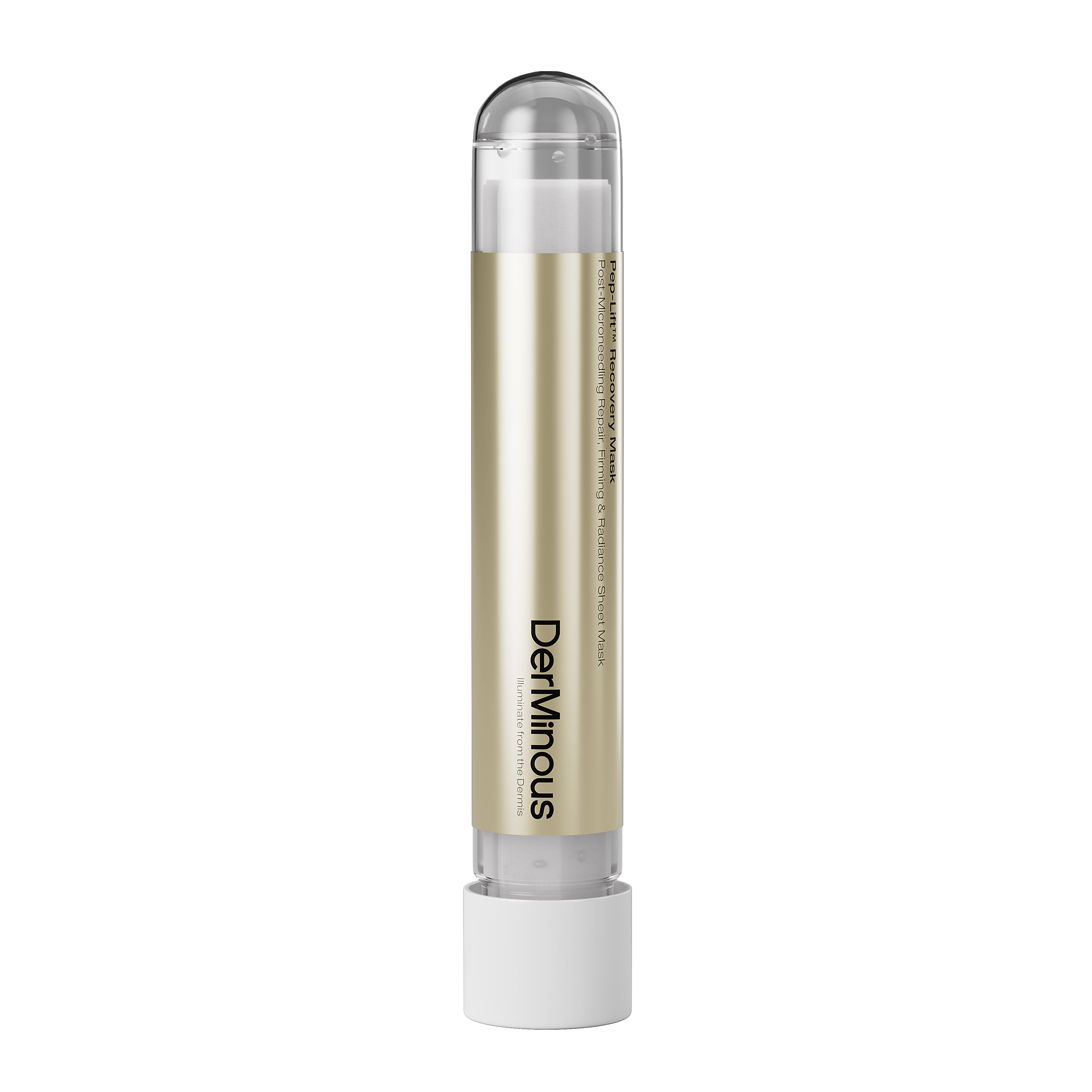
Moreover, the inclusion of soothing agents like panthenol, allantoin, and mussel extract in the accompanying Post-Treatment Repair Mask further underscores the brand’s commitment to barrier integrity—a principle impossible to uphold if alcohol were present⁵.
Alcohol-Free as a Marker of Clinical Integrity
In professional dermatology and aesthetic medicine, alcohol-free protocols are standard for post-procedure care. The American Academy of Dermatology (AAD) recommends avoiding alcohol-containing products for at least 48–72 hours after procedures like microneedling, laser treatments, or chemical peels to prevent stinging, dryness, and delayed recovery⁶. Yet many over-the-counter “at-home” microneedling kits still include alcohol-laden serums, creating a disconnect between clinical best practices and consumer products.
Derminous bridges this gap. Developed by a team of biomedical researchers and skincare physicians, the GeneLift™ system adheres to clinical standards typically reserved for in-office treatments. Its alcohol-free formula isn’t a marketing gimmick—it’s a non-negotiable pillar of its design, ensuring compatibility with sensitive and post-microchannel skin.
This approach resonates strongly with today’s informed consumers, particularly in markets like the U.S., UK, Canada, and Australia, where ingredient transparency and “clean beauty” are no longer niche concerns but mainstream expectations⁷.


The Bigger Picture: Clean Beauty Meets Real Science
The term “clean beauty” has faced criticism for being vague or unregulated. However, when paired with clinical validation—as Derminous does—it becomes meaningful. An alcohol-free formula, in this context, signals more than just the absence of one ingredient; it reflects a holistic philosophy: do no harm while doing good.
Importantly, Derminous avoids not only alcohol but also fragrance, parabens, sulfates, and synthetic dyes—common irritants that can undermine even the most potent active ingredients. This purity allows the patented actives (including ZL202111504220.4 for Syn-Ake synthesis and ZL2020116206743 for stabilized niacinamide) to function optimally without interference or side effects⁸.
Clinical studies on PDRN—a key component in GeneLift™—show significant improvements in wound healing, collagen density, and hydration when delivered in non-irritating bases⁹. Introducing alcohol would counteract these benefits by inducing oxidative stress and inflammation, thereby negating the very mechanisms the product aims to activate.
Consumer Trust in an Age of Skepticism
With the rise of social media and influencer marketing, consumers are more skeptical than ever. They demand proof, not promises. By formulating without alcohol—and backing claims with patents, clinical rationale, and transparent usage protocols—Derminous builds trust through consistency between message and mechanism.
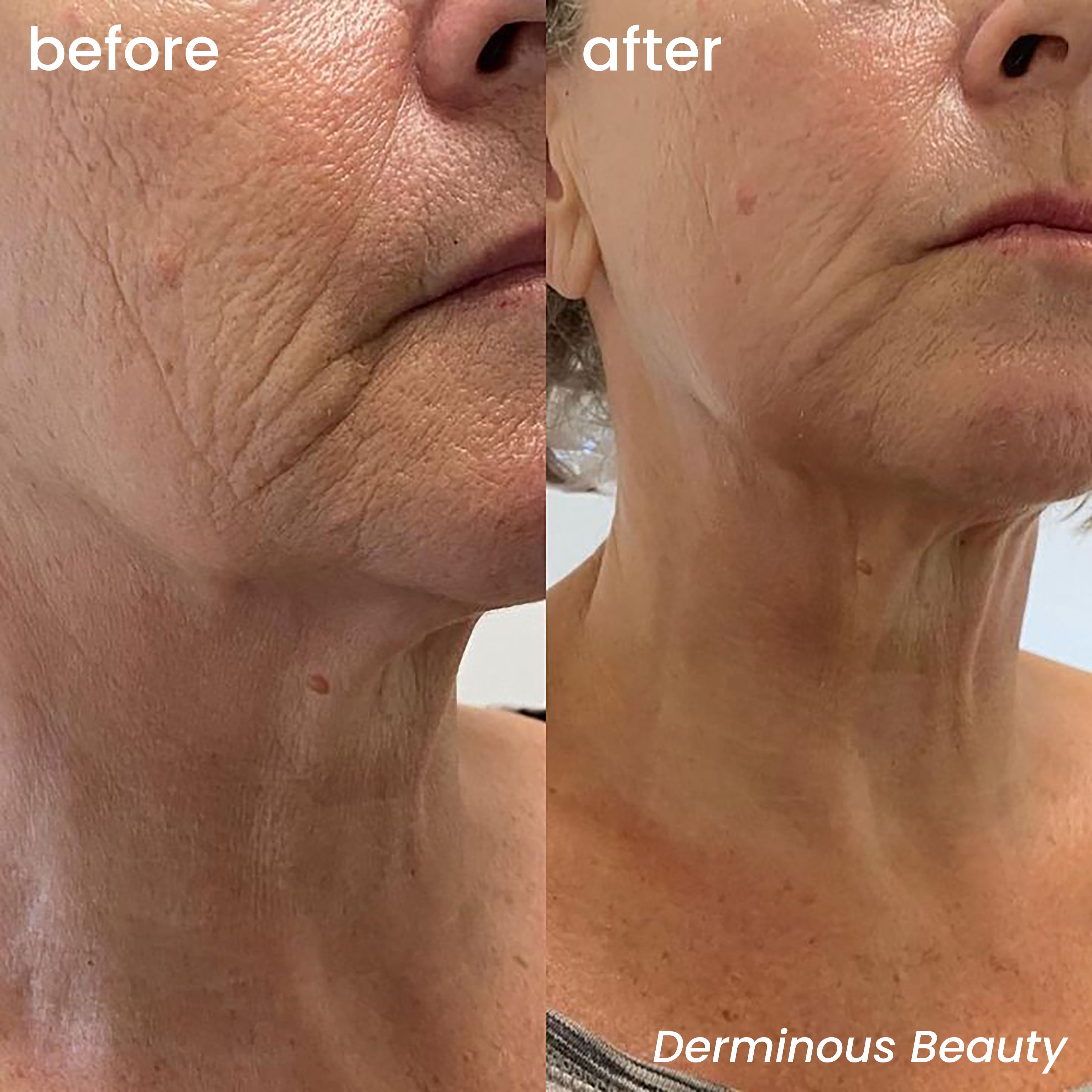
User testimonials frequently highlight immediate comfort post-application (“no stinging,” “calm even on rosacea-prone skin”) and visible results within 2–4 weeks—outcomes directly linked to the gentle yet effective delivery system enabled by an alcohol-free foundation¹⁰.
Furthermore, the brand’s recommendation to refrigerate the repair mask enhances the soothing effect, a detail that complements the alcohol-free ethos by prioritizing sensory and physiological comfort alongside efficacy.
Conclusion: Alcohol-Free Is Not Optional—It’s Essential
In the realm of advanced at-home skincare, especially systems involving micro-infusion or barrier disruption, the inclusion of alcohol is not merely suboptimal—it’s counterproductive. It contradicts the goals of repair, resilience, and radiance that modern consumers seek.
Derminous’s unwavering commitment to an alcohol-free formula across its GeneLift™ Micro-Infusion System exemplifies how scientific rigor and consumer-centric design can converge. It’s not about removing an ingredient for the sake of a label; it’s about honoring the skin’s biology so that powerful actives can work as nature—and science—intended.
As the line between clinical and at-home care continues to blur, brands that prioritize barrier health, ingredient purity, and evidence-based formulation will lead the next generation of skincare innovation. And in that future, alcohol has no place.
Footnotes
- American Academy of Dermatology. “How to Care for Your Skin After Microneedling.” https://www.aad.org/public/everyday-care/skin-care-secrets/routine/care-after-microneedling
- Draelos, Z. D. (2018). “The Science Behind Skin Barrier Function.” Journal of Cosmetic Dermatology, 17(3), 309–314. https://doi.org/10.1111/jocd.12502
- National Eczema Association. “Alcohol in Skincare: What You Need to Know.” https://nationaleczema.org/eczema/treatment/topical-treatments/alcohol-in-skincare/
- Baldwin, H. E., et al. (2020). “Alcohol-Based Topicals and Skin Barrier Disruption.” J Clin Aesthet Dermatol, 13(5), 38–42. https://www.ncbi.nlm.nih.gov/pmc/articles/PMC7263678/
- Lee, J. H., et al. (2019). “Mussel Extract Promotes Skin Barrier Recovery via Filaggrin Upregulation.” International Journal of Molecular Sciences, 20(15), 3781. https://doi.org/10.3390/ijms20153781
- AAD Guidelines on Post-Procedure Skincare, 2022 Update. https://www.aad.org/member/clinical-quality/post-procedure-care
- Statista. “Clean Beauty Market Size Worldwide 2023–2028.” https://www.statista.com/statistics/1268555/clean-beauty-market-size-worldwide/
- China National Intellectual Property Administration (CNIPA). Patent ZL202111504220.4 & ZL2020116206743. http://epub.cnipa.gov.cn/
- Kim, W. S., et al. (2017). “PDRN Enhances Wound Healing and Collagen Synthesis.” Wound Repair and Regeneration, 25(1), 106–114. https://doi.org/10.1111/wrr.12498
- Derminous User Feedback Aggregation (2024), internal data from DTC channels in North America & Europe.