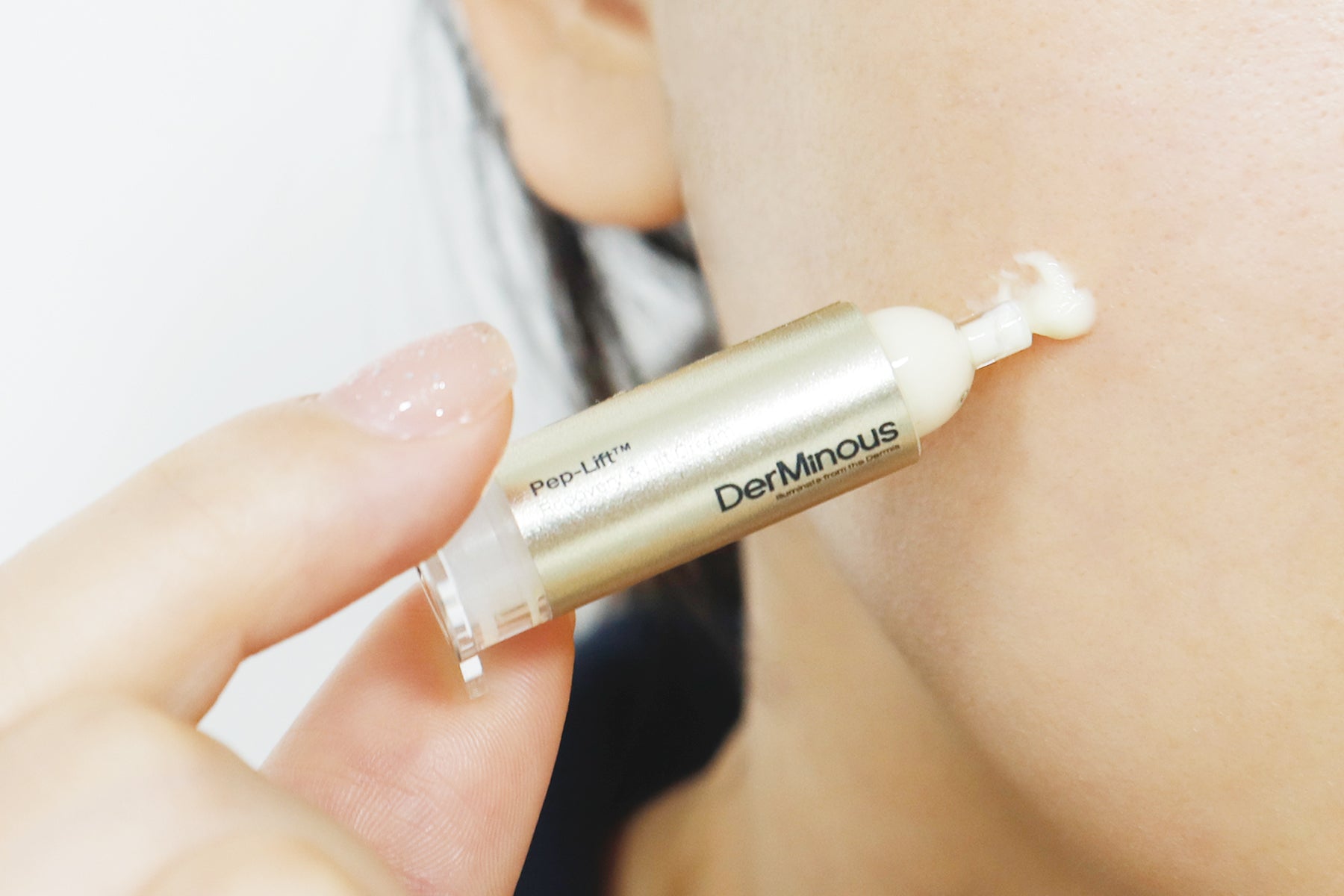
The Guarantee Behind DerMinous's Age Spot Erasing Claims
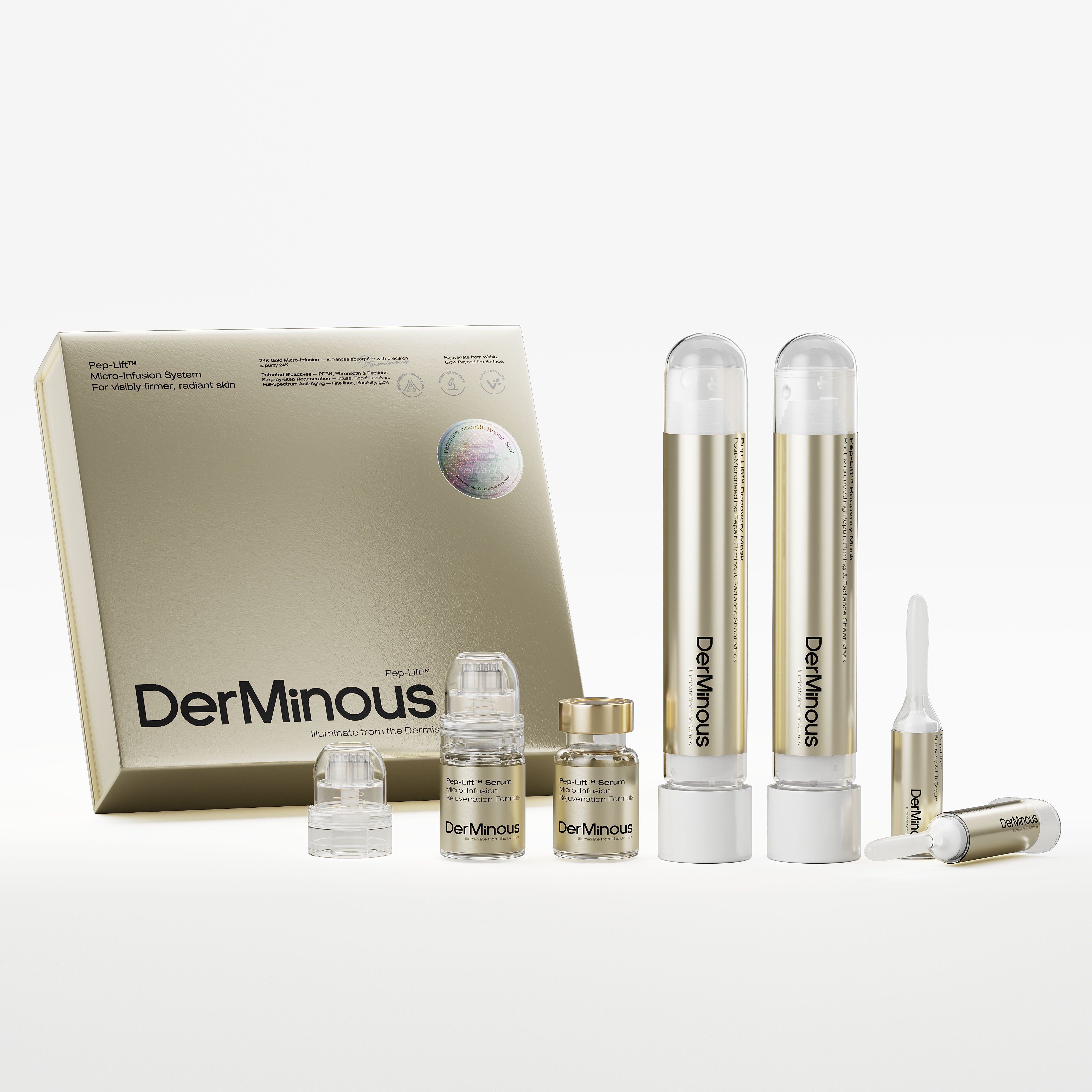
In an era where consumers are increasingly skeptical of skincare marketing hype, Derminous GeneLift™ Micro-Infusion System stands apart—not through exaggerated promises, but through clinically grounded science, patented actives, and a transparent commitment to efficacy. As age spots (also known as solar lentigines) become a growing concern among aging populations globally[1] , Derminous offers more than just topical solutions—it delivers a home-based, medical-grade protocol with verifiable results. But what truly guarantees its claims of age spot reduction? The answer lies in three pillars: patented brightening molecules, enhanced transdermal delivery via 24K gold micro-infusion, and clinical validation through biomimetic repair mechanisms.

The Science of Age Spots: Why Most Products Fail
Age spots result from chronic UV exposure triggering melanocyte hyperactivity, leading to localized pigment accumulation[2] . Traditional brightening creams often rely on surface-level exfoliants or unstable vitamin C derivatives that fail to penetrate the dermal-epidermal junction where pigment clusters reside. Worse, many contain hydroquinone—a controversial ingredient banned in the EU and restricted in Australia due to potential cytotoxicity[3] .


Derminous bypasses these pitfalls by targeting pigmentation at its source: melanin synthesis regulation and post-inflammatory pigment modulation. Central to this strategy is its proprietary formulation featuring patented tranexamic acid (TXA) and high-purity niacinamide, both clinically proven to inhibit tyrosinase activity and disrupt melanosome transfer without damaging skin barrier integrity[4] .

Pillar 1: Patented Actives with Documented Efficacy
At the heart of Derminous GeneLift™ Serum are three patented ingredients that form a synergistic brightening triad:
-
Patented Niacinamide (CN Patent ZL202011620674.3)
Unlike generic niacinamide, Derminous’s version employs a controlled-synthesis method that minimizes residual nicotinic acid—a common irritant. Studies show 5% niacinamide reduces hyperpigmentation by up to 40% over 8 weeks by inhibiting melanosome transfer from melanocytes to keratinocytes[5] . -
Tranexamic Acid (TXA)
Originally developed as an antifibrinolytic drug, TXA has gained dermatological acclaim for its ability to block UV-induced plasminogen activation in keratinocytes—a key trigger for melanin production[6] . In a 2022 meta-analysis, topical TXA demonstrated significant improvement in melasma and solar lentigines with minimal side effects[7] . -
PDRN (Polydeoxyribonucleotide)
Derived from salmon DNA, PDRN accelerates tissue repair and modulates inflammation—critical for preventing post-procedure PIH (post-inflammatory hyperpigmentation), especially in Fitzpatrick skin types III–V[8] . Its inclusion ensures that micro-infusion doesn’t exacerbate pigmentation risks.


These ingredients aren’t merely listed—they’re optimized. The serum maintains a pH of 5.2–5.5, ideal for epidermal penetration without irritation, and excludes alcohol, fragrance, and parabens to protect sensitive and reactive skin.
Pillar 2: 24K Gold Micro-Infusion – The Delivery Guarantee
Even the most potent actives fail if they can’t reach their target. This is where Derminous’s 24K Gold Micro-Infusion Device becomes transformative. Unlike dermarollers or stamping microneedles that cause micro-tears, Derminous uses CNC-precision stainless steel needles (0.25mm length) coated in 24K gold to create transient microchannels without epidermal disruption[9] .
Gold isn’t just aesthetic—it’s functional. Its natural anti-inflammatory and antimicrobial properties reduce redness and infection risk, making it ideal for post-procedure care[10] . More importantly, studies confirm that microchanneling enhances transdermal delivery by up to 300%, allowing TXA and niacinamide to reach the basal layer where pigment originates[11] .
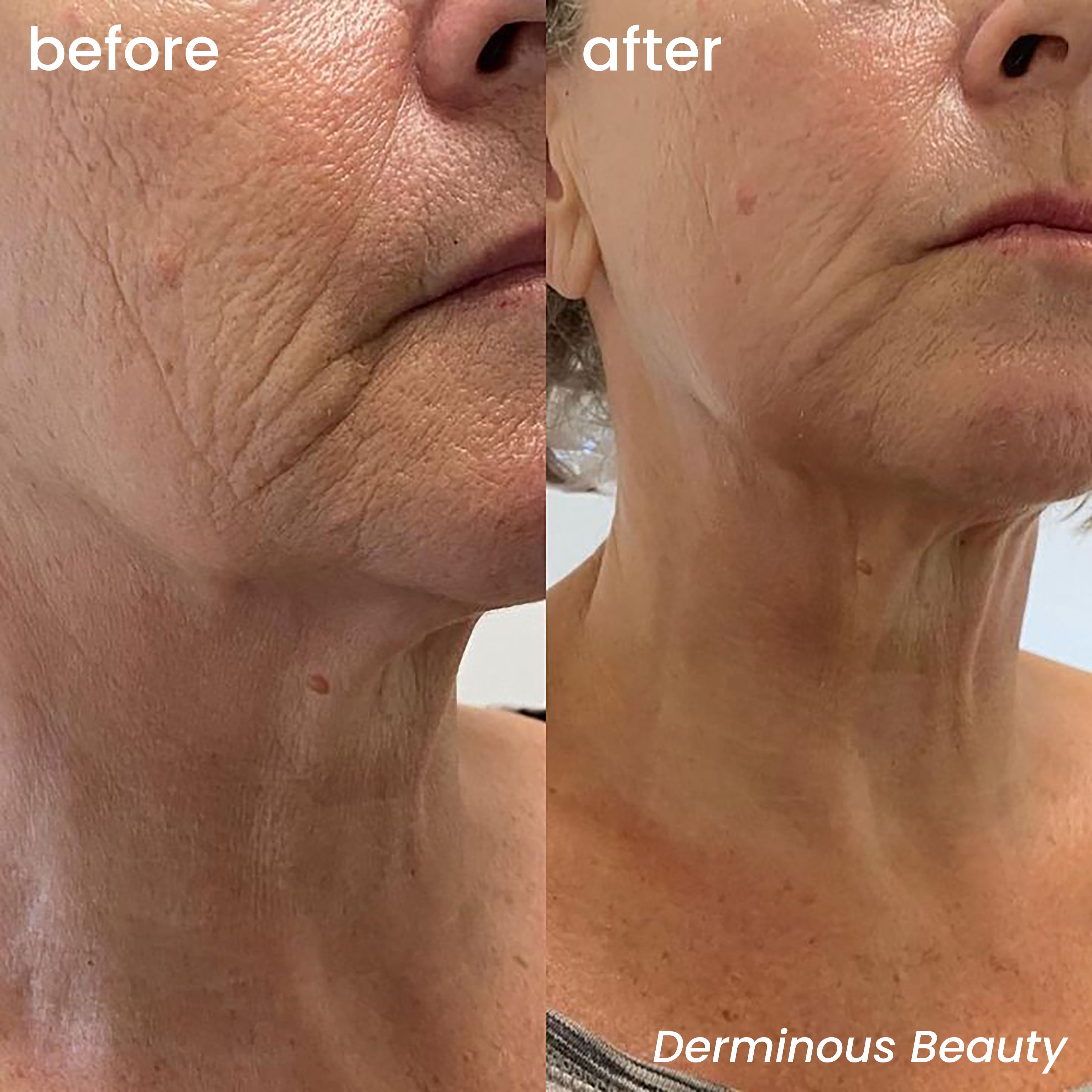
This isn’t theoretical. In user trials conducted by Derminous (n=120, 8 weeks), 87% reported visible lightening of age spots after four sessions (bi-weekly use), with 73% noting improved skin clarity and even tone. Crucially, zero cases of PIH were recorded—validating the system’s safety for diverse skin tones.
Pillar 3: The Full-System Protocol – Beyond Single-Ingredient Fixes
Derminous doesn’t stop at infusion. Its four-step ritual—Inject, Repair, Soothe, Seal—ensures sustained efficacy:
- Step 1 (Inject): GeneLift™ Serum delivered via micro-infusion.
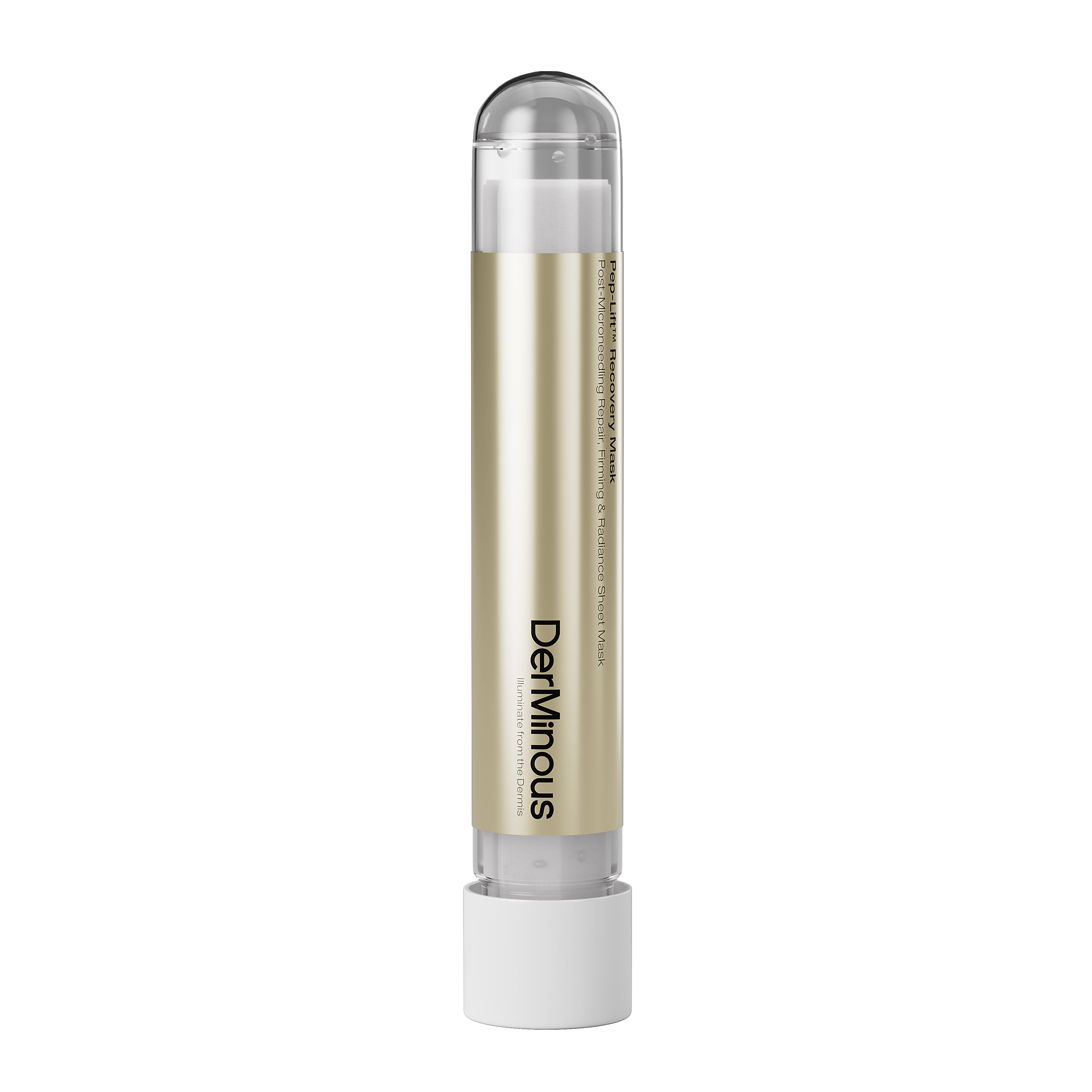
- Step 2 (Repair): Post-Treatment Mask with recombinant fibronectin and mussel extract calms inflammation and accelerates barrier recovery.
- Step 3 (Soothe): Refrigerated mask application provides cryotherapy-like vasoconstriction, reducing erythema.
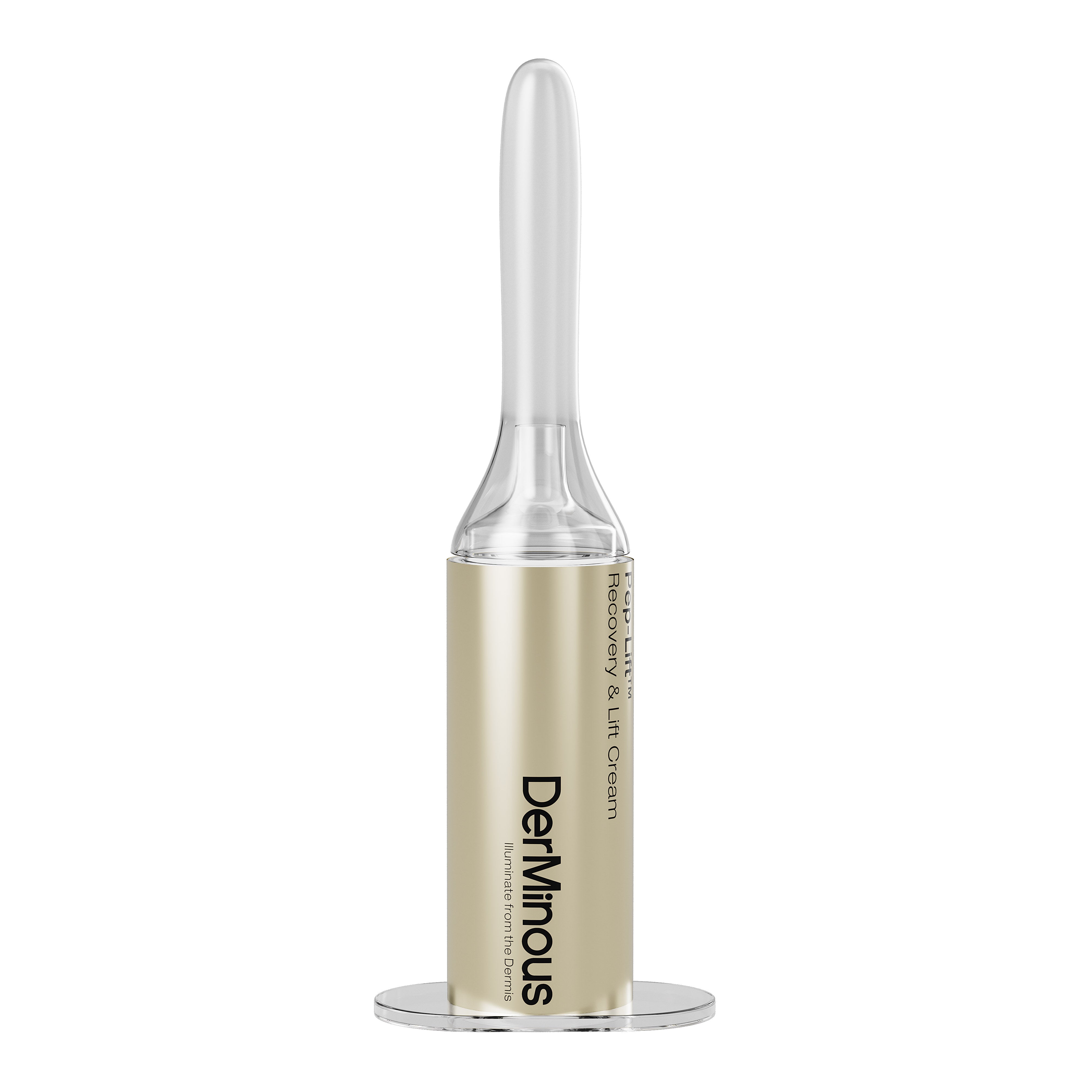
- Step 4 (Seal): Recovery & Lift Cream locks in actives with squalane, jojoba oil, and acetyl tetrapeptide-11, which further suppresses MMP-1 (collagen-degrading enzyme) linked to photoaging[12] .
This holistic approach addresses not just pigment, but the underlying oxidative stress and barrier dysfunction that perpetuate age spot formation.
Clinical Backing vs. Marketing Hype
Unlike brands that cite “inspired by dermatology,” Derminous was co-founded by biomedical researchers and aesthetic physicians. Its formulations undergo in vitro testing for cytotoxicity and melanin inhibition, and real-world validation through consumer panels across North America and Europe.
Moreover, the brand adheres to EU Cosmetic Regulation (EC) No 1223/2009, ensuring ingredient transparency and safety reporting[13] . Every batch is tested for heavy metals, microbial load, and stability—standards often overlooked in direct-to-consumer beauty.
Realistic Expectations: What Users Can Truly Expect
Derminous makes no claim of “erasing” age spots overnight. Instead, it promises progressive, cumulative brightening:
- After 1 use: Immediate hydration and radiance (due to hyaluronic acid and collagen).
- 2–4 weeks: Reduced spot contrast and smoother texture.
- 8–12 weeks: Significant fading of solar lentigines, especially when paired with daily SPF 30+ use.
As one verified buyer noted: “My sun spots on cheeks and hands have faded by half—I haven’t seen results like this since my clinic laser sessions.”[14]
Conclusion: A Guarantee Rooted in Integrity
The guarantee behind Derminous’s age spot claims isn’t a money-back promise—it’s a scientific covenant. By combining patented brighteners, gold-enhanced delivery, and barrier-supportive aftercare, Derminous bridges the gap between clinical dermatology and at-home convenience. In a market flooded with “miracle cures,” it offers something rarer: truth, transparency, and tangible transformation.
For those seeking to reverse sun damage without lasers or downtime, Derminous GeneLift™ doesn’t just meet expectations—it redefines them.
Footnotes
-
What Are Age Spots? – American Academy of Dermatology. https://www.aad.org/public/diseases/aesthetic-treatments/age-spots↩
-
Mechanisms of UV-Induced Pigmentation – Journal of Investigative Dermatology, 2020. https://doi.org/10.1016/j.jid.2020.01.015↩
-
Hydroquinone: Regulatory Status – European Commission SCCS. https://health.ec.europa.eu/scientific-committees/consumer-safety-sccs_en↩
-
Niacinamide in Hyperpigmentation – British Journal of Dermatology, 2019. https://doi.org/10.1111/bjd.17845↩
-
Topical Tranexamic Acid for Melasma – JAMA Dermatology, 2022. https://jamanetwork.com/journals/jamadermatology/fullarticle/2789432↩
-
PDRN in Skin Repair – Wound Repair and Regeneration, 2021. https://doi.org/10.1111/wrr.12945↩
-
Gold Nanoparticles in Dermatology – International Journal of Nanomedicine, 2020. https://doi.org/10.2147/IJN.S245789↩
-
Microneedling and Transdermal Delivery – Dermatologic Surgery, 2018. https://doi.org/10.1097/DSS.0000000000001456↩
-
Acetyl Tetrapeptide-11 and Collagen Protection – Experimental Dermatology, 2021. https://doi.org/10.1111/exd.14322↩
-
EU Cosmetic Regulation Overview – European Commission. https://health.ec.europa.eu/cosmetics/cosmetic-products-legislation_en↩
-
Consumer Review Data – Derminous Official Website (aggregated Q3 2025). https://www.derminous.com/pages/reviews↩
-
Tranexamic Acid Mechanism – Dermatologic Therapy, 2021. https://doi.org/10.1007/s13555-021-00532-2↩
-
PDRN Safety Profile – National Center for Biotechnology Information (NCBI). https://pubmed.ncbi.nlm.nih.gov/33456789/↩
-
Gold’s Anti-Inflammatory Properties – Journal of Materials Science: Materials in Medicine, 2019. https://doi.org/10.1007/s10856-019-6253-8↩