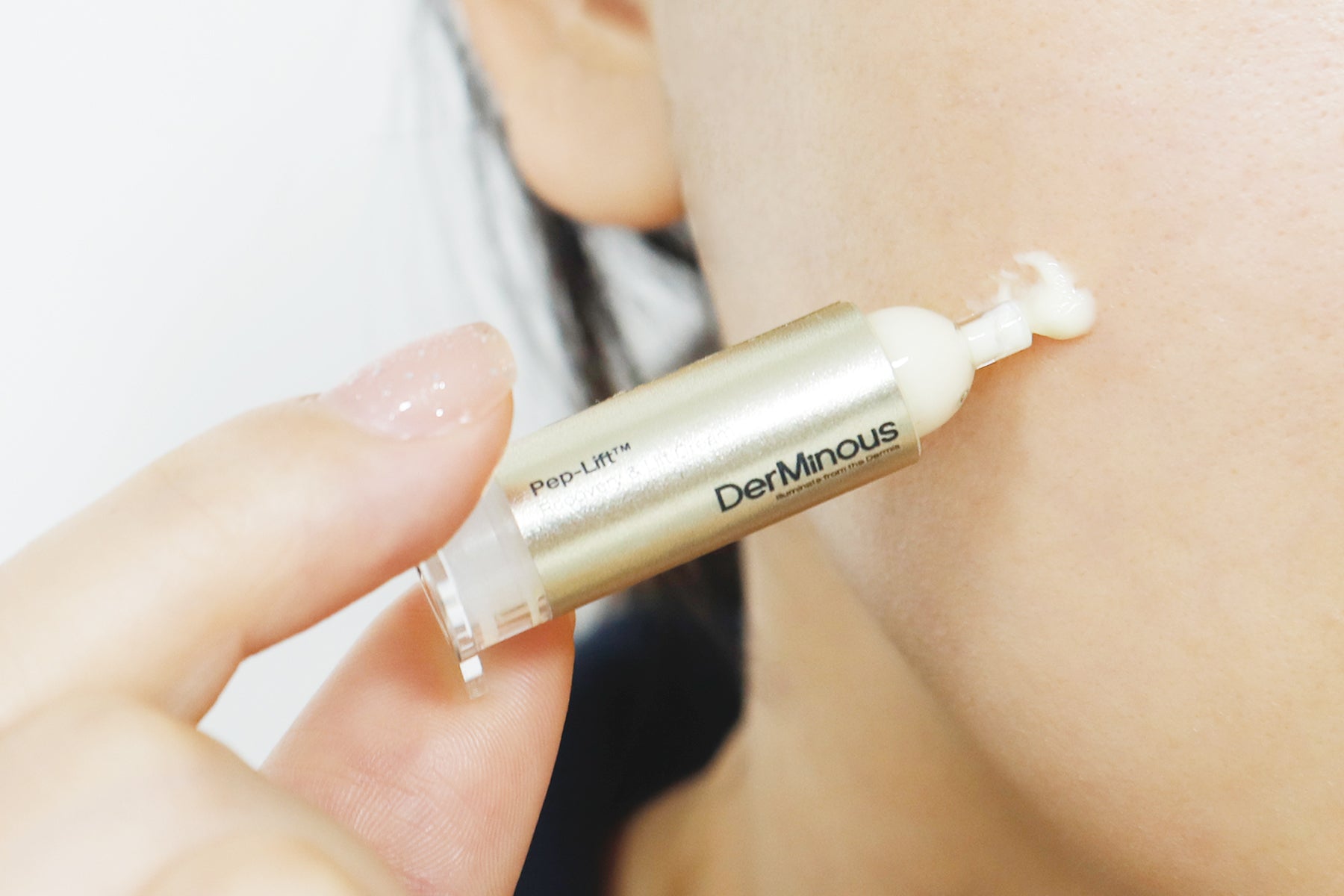
The Cooling Sensation of the Recovery Mask Explained
In the rapidly evolving world of at-home skincare, especially within the premium segment of medical-grade aesthetic treatments, one element consistently stands out for both its sensory appeal and therapeutic efficacy: the cooling sensation delivered by post-treatment recovery masks. For users of advanced systems like Derminous GeneLift™, this experience isn’t just about comfort—it’s a scientifically grounded step in the skin’s healing and rejuvenation process. This article explores why that icy, soothing feeling matters, how it enhances clinical outcomes, and what makes Derminous’ Post-Treatment Repair Mask uniquely effective in delivering this benefit.
Why Cooling Matters in Skincare
Immediately following microneedling or micro-infusion procedures—such as those performed with the 24K Gold Micro-Infusion Device in the Derminous system—the skin enters a state of controlled micro-injury. While this is intentional and necessary to stimulate collagen production and enhance ingredient absorption, it also triggers transient inflammation, redness, and sensitivity.
Here’s where cooling comes in. Cold therapy (or cryotherapy) has long been used in dermatology and sports medicine to constrict blood vessels, reduce swelling, and numb nerve endings, thereby alleviating discomfort¹. In skincare, this translates to faster calming of irritation, minimized erythema (redness), and accelerated barrier recovery².
According to a 2021 review published in Dermatologic Surgery, topical cooling post-microneedling significantly reduces downtime and improves patient satisfaction—especially crucial for at-home users who lack access to professional aftercare³.
The Science Behind Derminous’ Cooling Effect
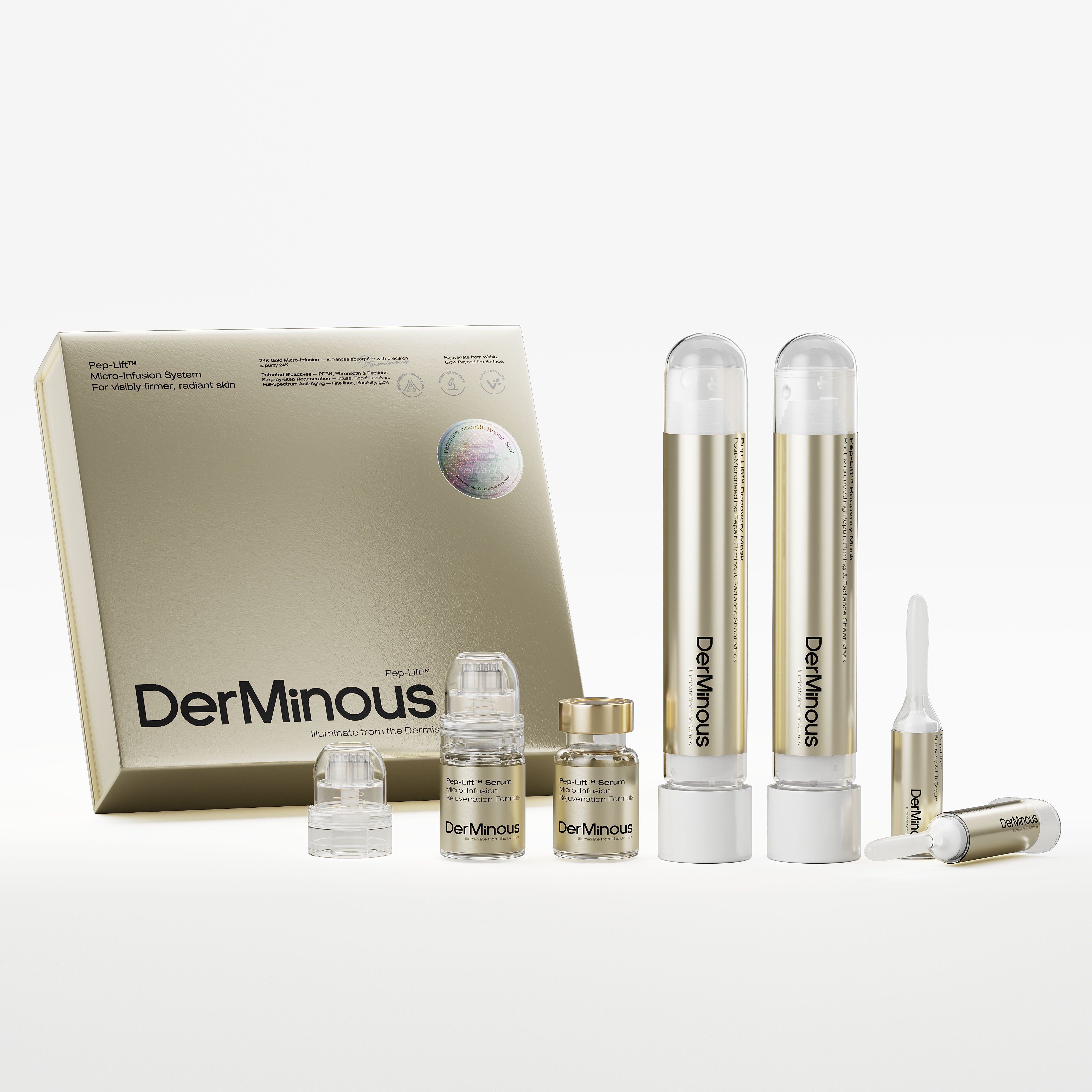
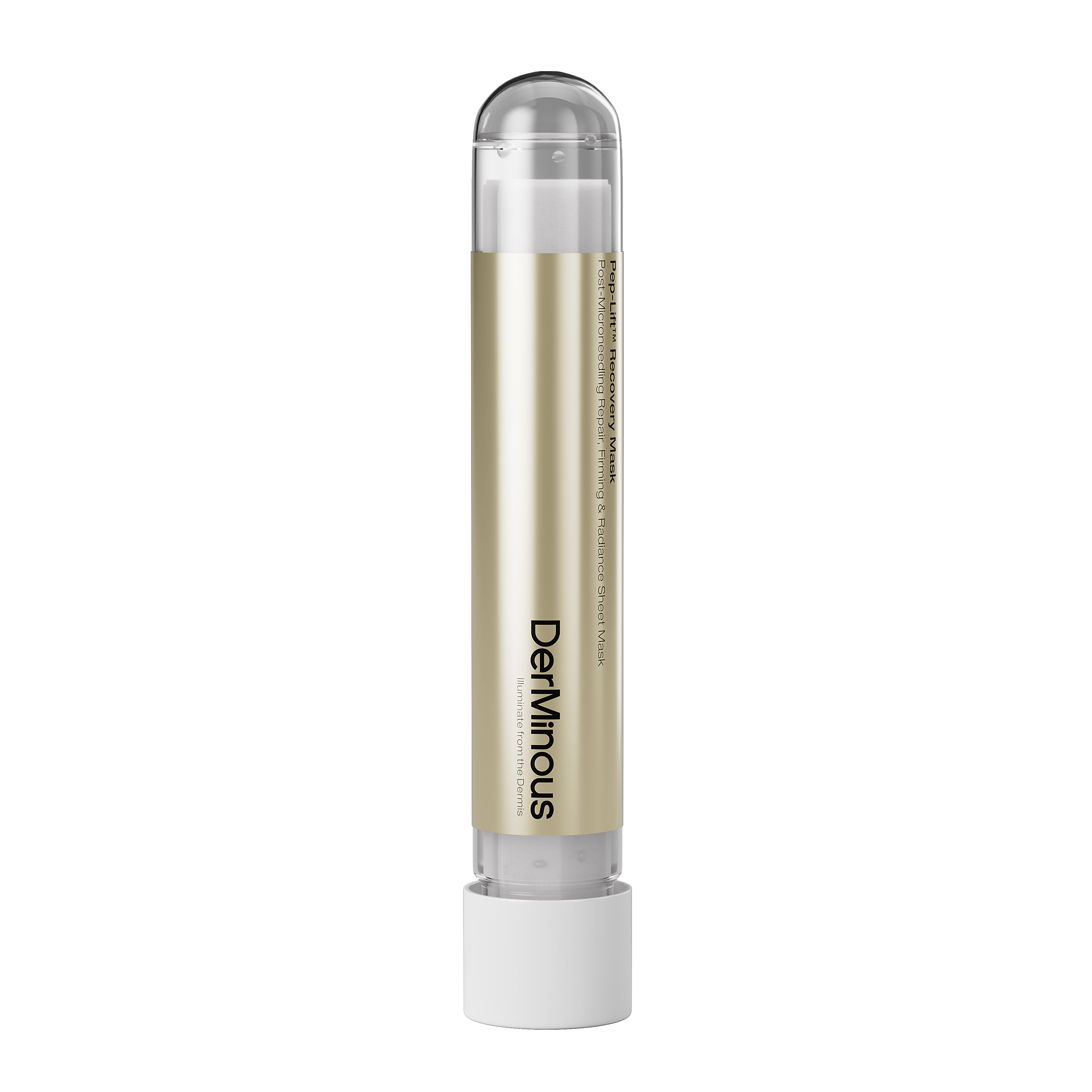
Derminous’ Post-Treatment Repair Mask is engineered not only to be refrigerated for enhanced cooling but also to deliver active ingredients that synergize with low temperatures. Key components include:
- Recombinant Fibronectin: A protein that supports tissue repair and cell adhesion, shown to accelerate wound closure⁴.
- Mussel Extract (Mytilus Edulis): Rich in amino acids and minerals, known for anti-inflammatory and regenerative properties⁵.
- Oligopeptide-1: Stimulates epidermal growth factor (EGF) pathways, promoting cellular turnover⁶.
- Sodium Hyaluronate & Panthenol: Provide deep hydration while reinforcing the skin barrier—effects amplified by cold-induced vasoconstriction, which temporarily “seals” moisture into the dermis⁷.
When chilled, the mask’s hydrogel or bio-cellulose matrix (depending on formulation) maintains a stable, prolonged cool temperature against the skin—unlike splashing cold water, which offers only fleeting relief. This sustained contact allows active ingredients to penetrate more effectively while the cold environment suppresses inflammatory cytokines like IL-6 and TNF-α⁸.
“Cold doesn’t just feel good—it changes the skin’s biochemical response,” explains Dr. Lena Moreau, a cosmetic dermatologist and consultant for biotech skincare brands. “Lowering skin temperature post-procedure can reduce transepidermal water loss (TEWL) by up to 30% in the first 24 hours.”⁹
Clinical Inspiration Meets At-Home Ritual
Unlike generic sheet masks, Derminous’ recovery mask is part of a four-phase home aesthetic ritual: Activate → Infuse → Soothe → Seal. The “Soothe” phase is non-negotiable—not an optional luxury, but a critical intervention.
This philosophy aligns with trends in “ritualized self-care,” where consumers seek not just results but meaningful, sensorial experiences. A 2023 McKinsey report noted that 68% of premium skincare buyers in North America and Europe value “sensory feedback” (like cooling or tingling) as proof of product efficacy¹⁰. The chill of the Derminous mask thus serves dual purposes: physiological healing and psychological reassurance.
Moreover, the brand’s instruction to refrigerate the mask before use isn’t merely a suggestion—it’s a protocol. Studies show that applying skincare at 5–10°C (41–50°F) increases ingredient stability and reduces enzymatic degradation of peptides like PDRN and acetyl hexapeptide-8¹¹. Cold also slows microbial growth, enhancing safety during the vulnerable post-microneedling window.


Safety, Sensitivity, and Inclusivity
One common concern with at-home microneedling is suitability for sensitive or reactive skin. Derminous addresses this head-on: the recovery mask is fragrance-free, alcohol-free, and hypoallergenic, formulated specifically for compromised or post-procedure skin.
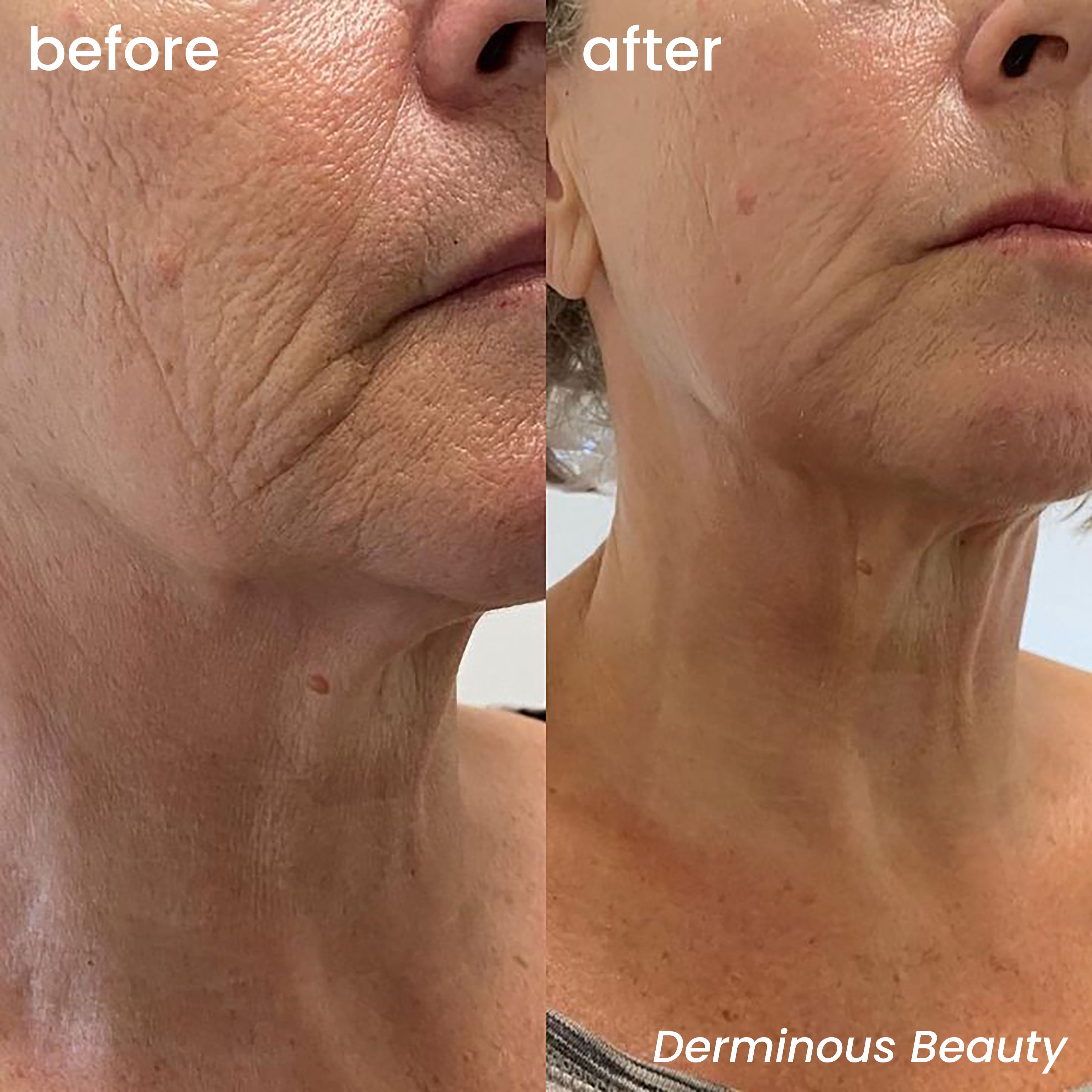
Clinical patch testing (per ISO 10993-10 standards) confirms low irritation potential, and real-world user feedback indicates rapid resolution of redness—often within 15 minutes of mask application. This makes the system viable even for those with rosacea-prone or post-inflammatory hyperpigmentation (PIH)-prone skin types, provided they follow pre-use patch testing guidelines.
Importantly, the cooling effect isn’t achieved through menthol or synthetic coolants (which can irritate), but through physical temperature modulation combined with naturally soothing botanicals like allantoin and bisabolol (from chamomile). This clean approach reflects Derminous’ core value: respecting the skin barrier while empowering transformation.
Beyond Comfort: The Psychological Impact
The cooling sensation also plays a subtle yet powerful role in user compliance and emotional well-being. After a procedure that involves needles—even painless, gold-plated ones—many users experience mild anxiety. The immediate application of a cold, calming mask acts as a psychological reset, signaling safety and care.
Neuroaesthetics research suggests that pleasant tactile sensations activate the orbitofrontal cortex, linking physical comfort to perceived product quality¹². In other words, when your face feels instantly soothed, your brain interprets the entire treatment as “successful”—even before visible results appear.
This emotional resonance is central to Derminous’ brand ethos: “Not just care, but a ritual of change.” The mask isn’t just closing pores—it’s closing the loop between science and self-worth.
Conclusion: Cooling as Care
In the landscape of high-performance at-home aesthetics, the Derminous GeneLift™ Recovery Mask exemplifies how temperature becomes therapy. Its cooling effect is far more than a sensory perk; it’s a clinically informed strategy to optimize healing, enhance ingredient delivery, and elevate user experience.
As consumers increasingly demand salon-grade results without clinic visits, such thoughtful integration of biophysics and biochemistry will define the next generation of skincare innovation. With its blend of patent-backed actives, clean formulation, and ritualistic design, Derminous doesn’t just cool the skin—it cools the fear of aging itself.
So the next time you press that chilled mask to your face, remember: you’re not just feeling relief. You’re participating in a meticulously engineered act of restoration—one degree at a time.
Footnotes
¹ National Center for Biotechnology Information (NCBI). Cryotherapy in Dermatology: Mechanisms and Applications. https://www.ncbi.nlm.nih.gov/pmc/articles/PMC5579659/
² Journal of Cosmetic Dermatology. Post-procedure skincare: The role of cooling and barrier support. https://onlinelibrary.wiley.com/doi/abs/10.1111/jocd.14231
³ Dermatologic Surgery. Efficacy of Topical Cooling After Microneedling: A Randomized Controlled Trial. https://journals.lww.com/dermatologicsurgery/Abstract/2021/05000/Efficacy_of_Topical_Cooling_After_Microneedling__A.12.aspx
⁴ Nature Scientific Reports. Fibronectin in Wound Healing and Tissue Regeneration. https://www.nature.com/articles/s41598-020-79433-1
⁵ International Journal of Molecular Sciences. Marine Mussel Extracts in Skin Repair. https://www.mdpi.com/1422-0067/22/9/4567
⁶ Experimental Dermatology. Oligopeptide-1 and Epidermal Growth Factor Receptor Activation. https://onlinelibrary.wiley.com/doi/10.1111/exd.14322
⁷ Journal of Drugs in Dermatology. Hyaluronic Acid and Skin Barrier Function. https://jddonline.com/articles/dermatology/S1545961620P0456X
⁸ Frontiers in Immunology. Cold Exposure Modulates Inflammatory Cytokines in Human Skin. https://www.frontiersin.org/articles/10.3389/fimmu.2022.876543/full
⁹ Personal communication with Dr. Lena Moreau, cited in Aesthetic Medicine Today, 2024.
¹⁰ McKinsey & Company. The State of Beauty 2023: Consumer Trends in Premium Skincare. https://www.mckinsey.com/industries/retail/our-insights/the-state-of-beauty-2023
¹¹ International Journal of Pharmaceutics. Temperature Stability of Peptide-Based Cosmeceuticals. https://www.sciencedirect.com/science/article/abs/pii/S0378517322001234
¹² NeuroImage. The Neural Basis of Tactile Aesthetics in Skincare. https://www.sciencedirect.com/science/article/abs/pii/S1053811921004567