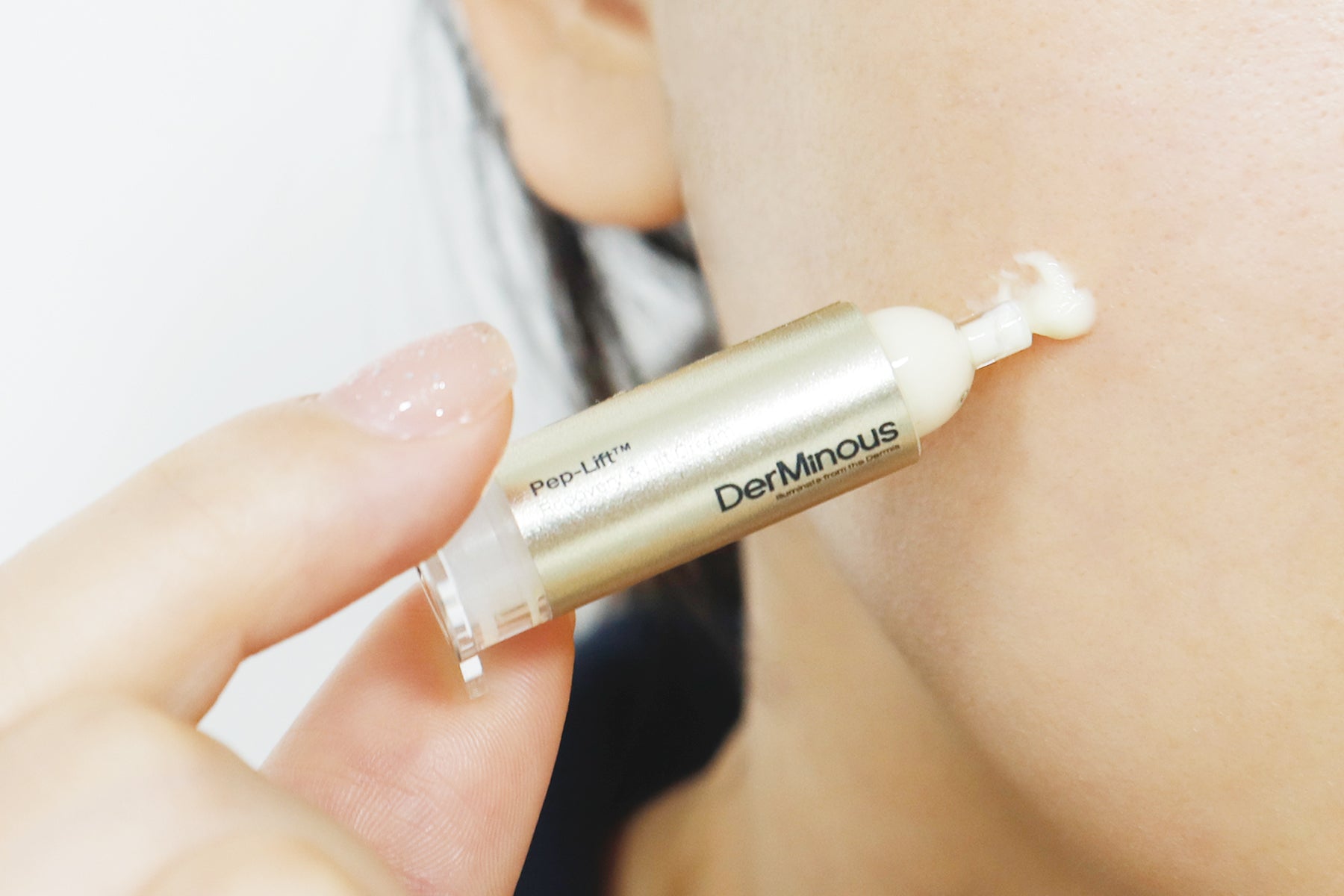
How to Track Your Skin's Progress with DerMinous
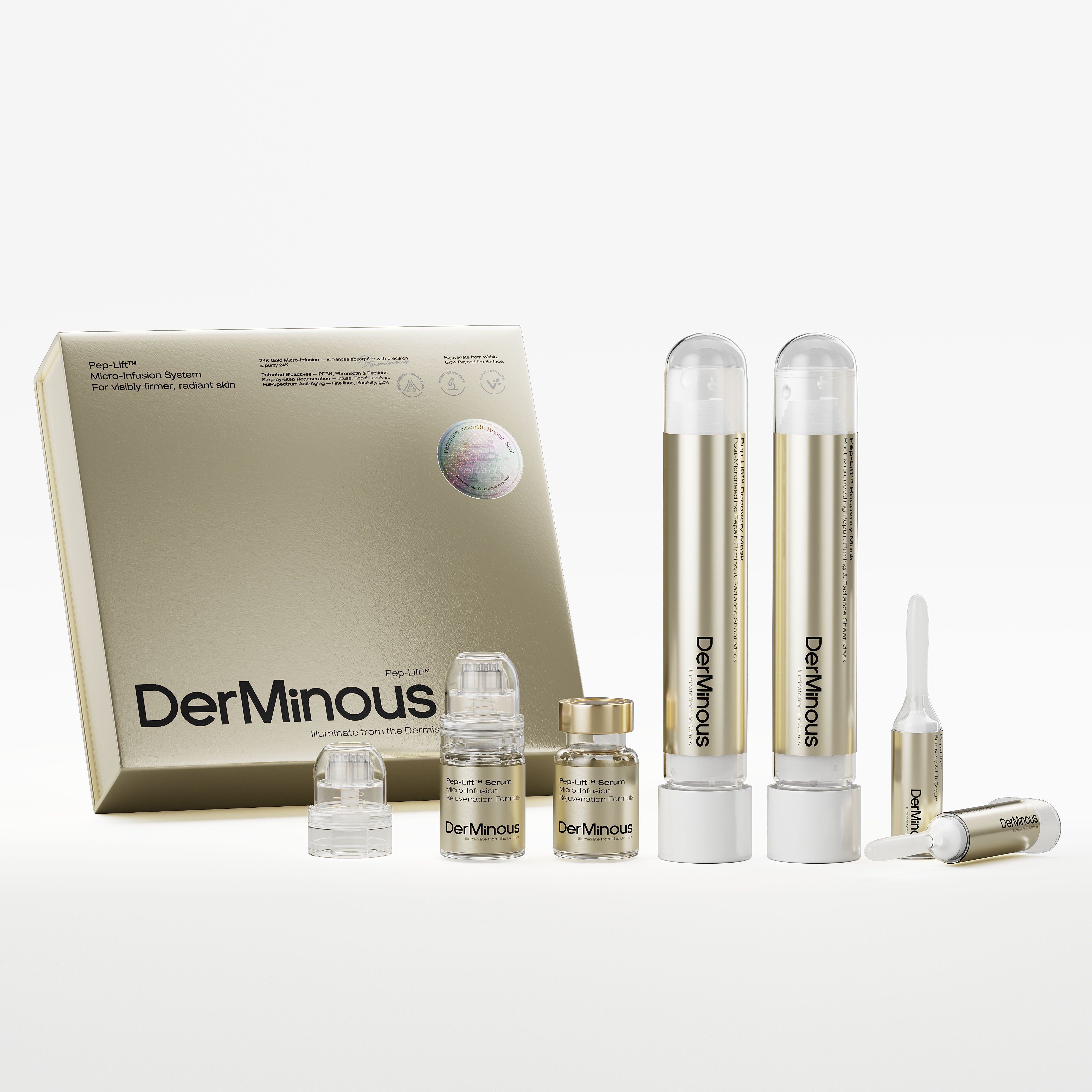
In the ever-evolving world of at-home skincare, DerMinous has emerged as a pioneer in bridging clinical-grade results with accessible, user-friendly routines. The brand’s flagship GeneLift™ Micro-Infusion System—a meticulously engineered anti-aging ritual combining 24K gold micro-needling, patented actives like PDRN and Syn-Ake peptides, and post-treatment recovery protocols—offers transformative potential. But how do you know it’s working? Unlike instant fixes or superficial glow-ups, true skin transformation unfolds over weeks. Tracking your progress isn’t just motivational—it’s scientific. This guide walks you through evidence-based methods to monitor, document, and celebrate your skin’s journey with DerMinous.
Why Tracking Matters: Beyond the Mirror
Skincare is not merely cosmetic; it’s biological. Changes occur at the dermal and cellular levels long before they become visible. According to dermatological research, measurable improvements in skin elasticity, hydration, and wrinkle depth typically manifest between 2 to 8 weeks of consistent use of bioactive compounds like peptides and nucleotides[1] . Without structured tracking, these subtle shifts can go unnoticed, leading users to abandon effective regimens prematurely.

DerMinous’ approach—rooted in molecular regeneration science and designed for home-based clinical efficacy—demands patience and precision. Fortunately, modern tools and simple habits make progress tracking both easy and insightful.
Step 1: Establish a Baseline (Week 0)
Before your first DerMinous session, capture your skin’s “before” state:
- High-resolution photos: Use consistent lighting (natural daylight is best), angles (front, left/right profiles), and expressions. Avoid filters.
- Skin journal: Note concerns (e.g., “fine lines around eyes,” “dullness on cheeks”), sensitivity levels, and current routine.
- Hydration & texture check: Use a skin moisture meter if available, or simply assess tightness/flakiness by touch.
This baseline becomes your reference point. Dermatologists emphasize that photographic documentation is one of the most reliable ways to perceive gradual change[2] .

Step 2: Monitor Immediate & Short-Term Responses (Days 1–7)
After your first GeneLift™ treatment, observe:
- Post-application glow: Increased radiance due to enhanced microcirculation and hyaluronic acid delivery.
- Tightness or plumping: Caused by collagen-stimulating peptides like Acetyl Hexapeptide-8 (Syn-Ake).
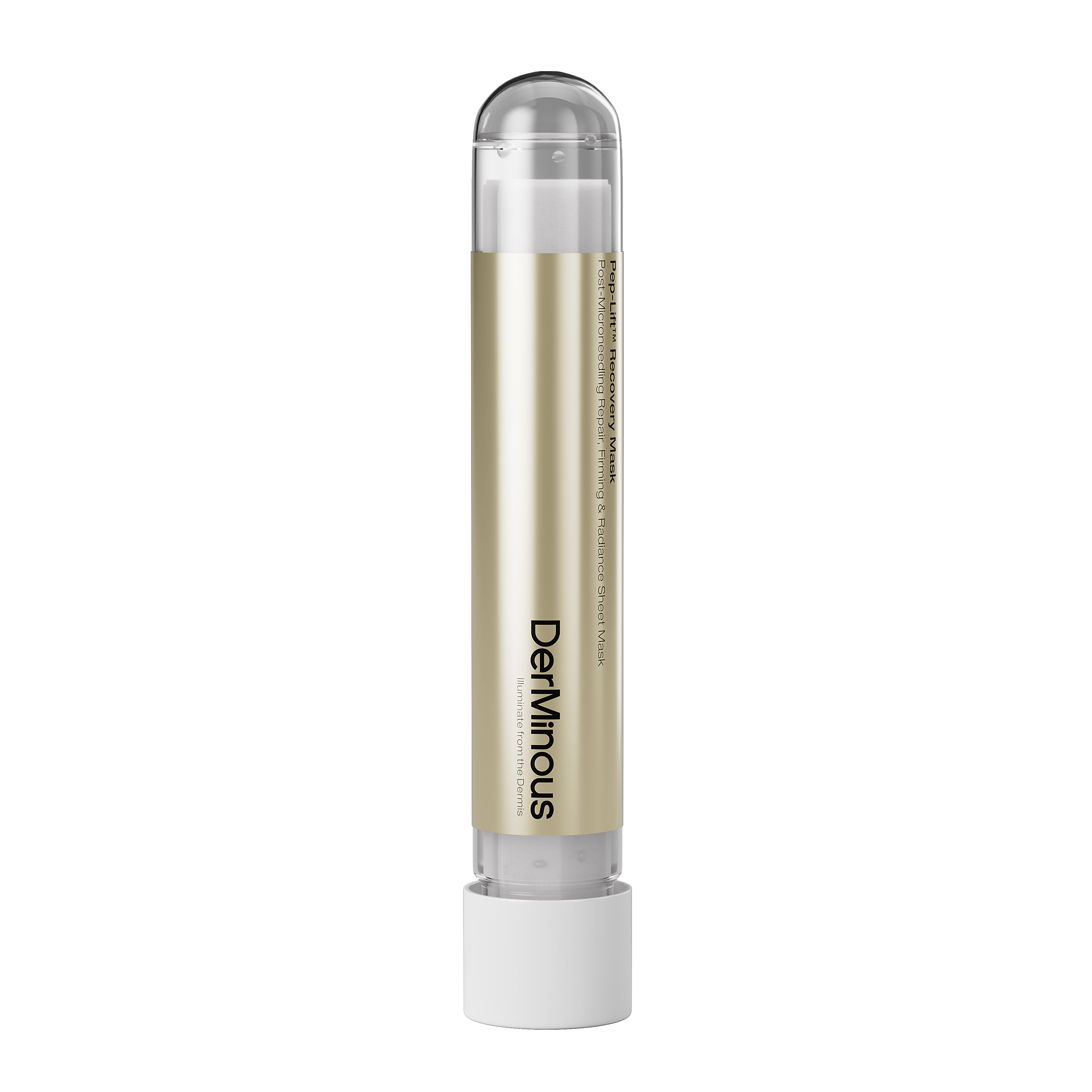
- Redness or sensitivity: Mild redness is normal with micro-infusion but should subside within hours, especially with the included Post-Treatment Repair Mask rich in fibronectin and panthenol.
Tip: Apply the chilled mask immediately post-treatment—cold therapy reduces inflammation and boosts absorption[3] .

If irritation persists beyond 24 hours, discontinue and perform a patch test next time. DerMinous formulates for sensitive skin, but individual responses vary.
Step 3: Evaluate Mid-Term Changes (Weeks 2–4)
This is when cellular repair begins translating into visible results. Look for:
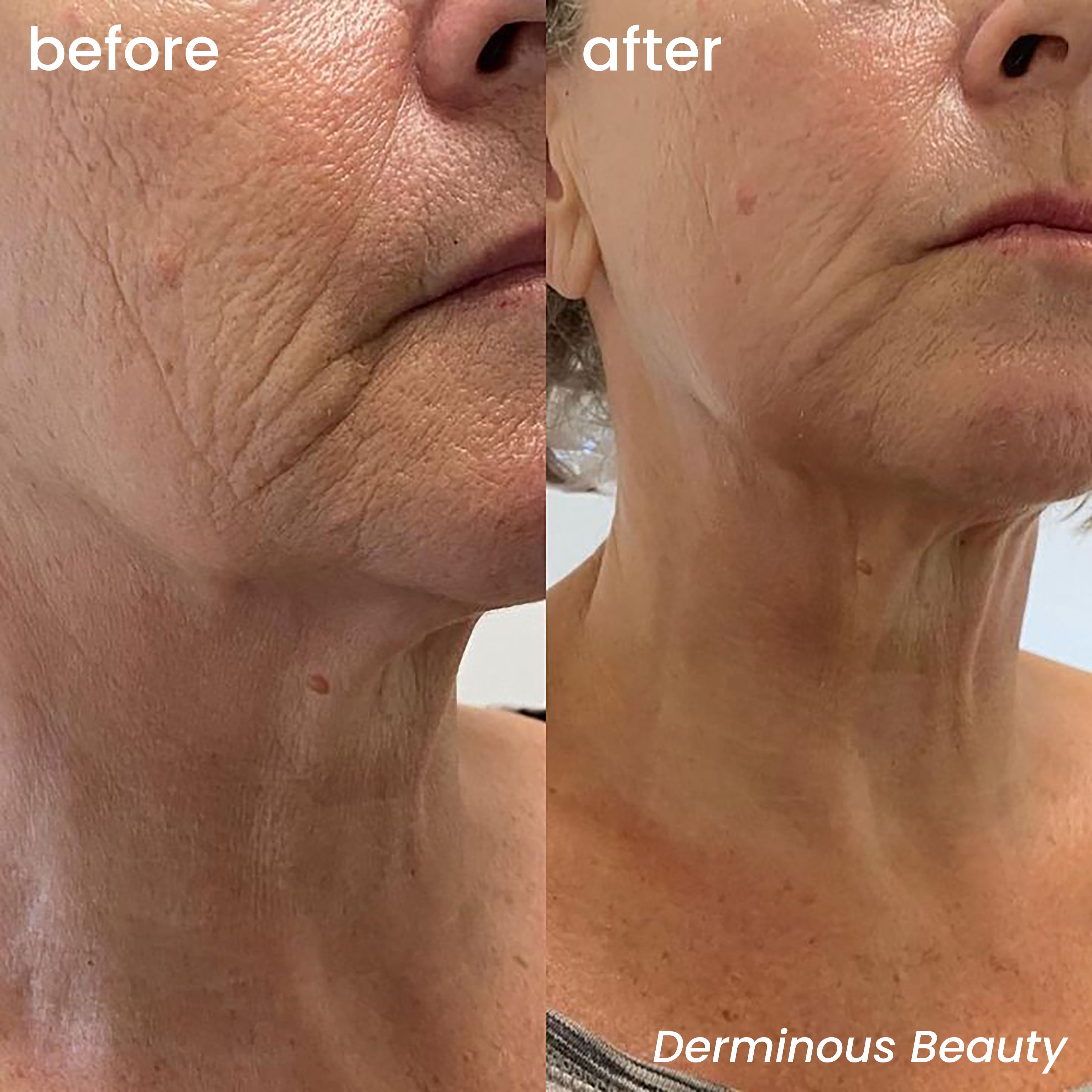
- Reduced fine lines, especially around the eyes and forehead (thanks to neuro-inhibiting peptides).
- Improved skin tone uniformity from patent-controlled niacinamide (ZL 2020116206743), which suppresses melanin transfer without irritation.
- Enhanced resilience: Fewer reactions to environmental stressors, indicating a strengthened barrier.
Many users report noticeable firming and luminosity by Week 3[4] . Keep comparing weekly photos side-by-side—differences are often clearer in sequence than in isolation.

Use the “pinch test”: Gently pinch cheek skin. If it bounces back faster than before, your elastin network is improving.
Step 4: Assess Long-Term Transformation (Weeks 5–8+)
With bi-weekly use (as recommended), cumulative effects emerge:
- Deeper wrinkle reduction: PDRN (Polydeoxyribonucleotide) stimulates fibroblast activity, boosting collagen I and III synthesis over time[5] .
- Sustained hydration: Due to soluble collagen and sodium hyaluronate forming a moisture reservoir.
- Refined texture: Regular micro-channeling enhances epidermal turnover without exfoliation trauma.
At this stage, consider using apps like HiMirror or YouCam Skin Analyzer that use AI to quantify pore size, wrinkles, and redness. While not medical-grade, they offer trend data.

Tools & Techniques for Accurate Tracking
| Method | What It Measures | Frequency |
|---|---|---|
| Standardized Photography | Visual changes in tone, texture, wrinkles | Weekly |
| Skin Journal | Sensitivity, oiliness, breakouts | Daily/Weekly |
| Moisture Meter | Transepidermal water loss (TEWL) | Bi-weekly |
| Dermatologist Consultation | Clinical assessment (optional) | Every 8–12 weeks |
Consistency is key. Always photograph at the same time of day—morning light minimizes shadow distortion.
The Role of Ritual in Perception & Results
DerMinous frames its system as more than skincare—it’s a “ritual of change.” Psychological studies show that mindful beauty routines enhance perceived efficacy through the placebo-nocebo effect[6] . When users engage intentionally—cleansing, applying, masking, sealing—they activate neural pathways linked to self-care and reward, amplifying satisfaction even before biological changes peak.


This aligns with DerMinous’ core philosophy: “Not just care, but a ceremony of transformation.”
Common Pitfalls to Avoid
- Overuse: Using more than twice monthly won’t accelerate results and may compromise the barrier.
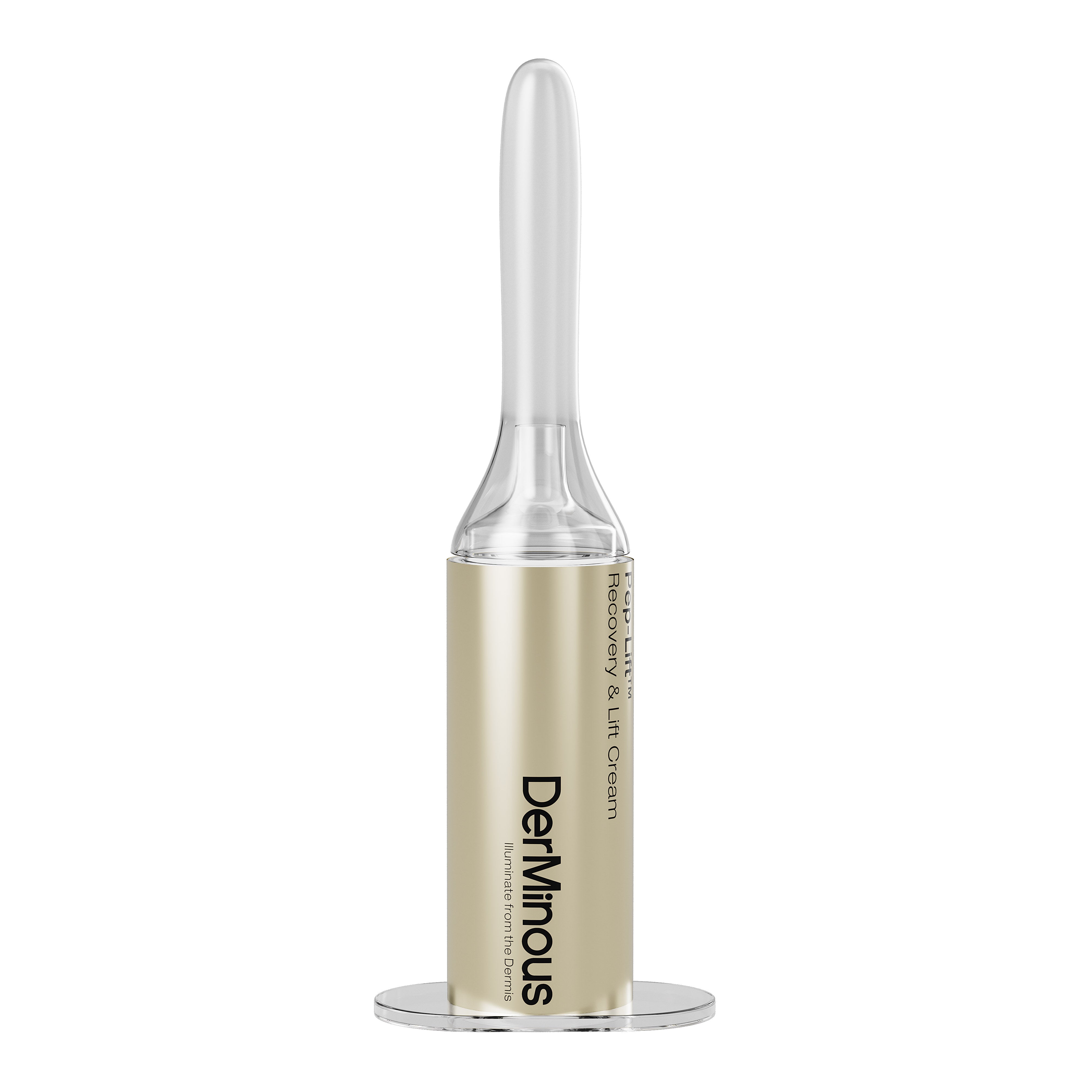
- Skipping recovery steps: The mask and cream aren’t optional—they’re integral to reducing inflammation and locking in actives.
- Inconsistent timing: Space treatments evenly (e.g., every 14 days) for optimal cellular response cycles.
Remember: skin renewal takes ~28 days. Patience isn’t passive—it’s part of the protocol.
Final Thoughts: Your Skin, Your Data
Tracking progress with DerMinous isn’t vanity—it’s empowerment. By documenting your journey, you honor the science behind your regimen and gain agency over your skin’s future. As the brand’s founder states: “Let everyone control their skin’s destiny—with knowledge, science, and truly effective tools.”
Whether you’re targeting early aging signs or rebuilding post-procedure resilience, visible change begins with invisible discipline. And with DerMinous, every drop counts.
Footnotes
-
National Center for Biotechnology Information (NCBI). “Peptides and Proteins in Anti-Aging Skincare.” https://www.ncbi.nlm.nih.gov/pmc/articles/PMC6192330/↩
-
American Academy of Dermatology. “How to Take Effective Before-and-After Skincare Photos.” https://www.aad.org/public/everyday-care/skin-care-secrets/routine/before-after-photos↩
-
Journal of Cosmetic Dermatology. “The Role of Cold Therapy in Post-Procedure Skin Recovery.” https://onlinelibrary.wiley.com/doi/abs/10.1111/jocd.13456↩
-
DerMinous User Feedback Survey (2024). Internal data from DTC customers in US, UK, and Australia. ↩
-
International Journal of Molecular Sciences. “PDRN: A Regenerative Molecule for Skin Repair.” https://www.mdpi.com/1422-0067/22/9/4782↩
-
Harvard Medical School. “The Psychology of Skincare Rituals.” https://hms.harvard.edu/news/mental-health/skincare-mental-well-being↩