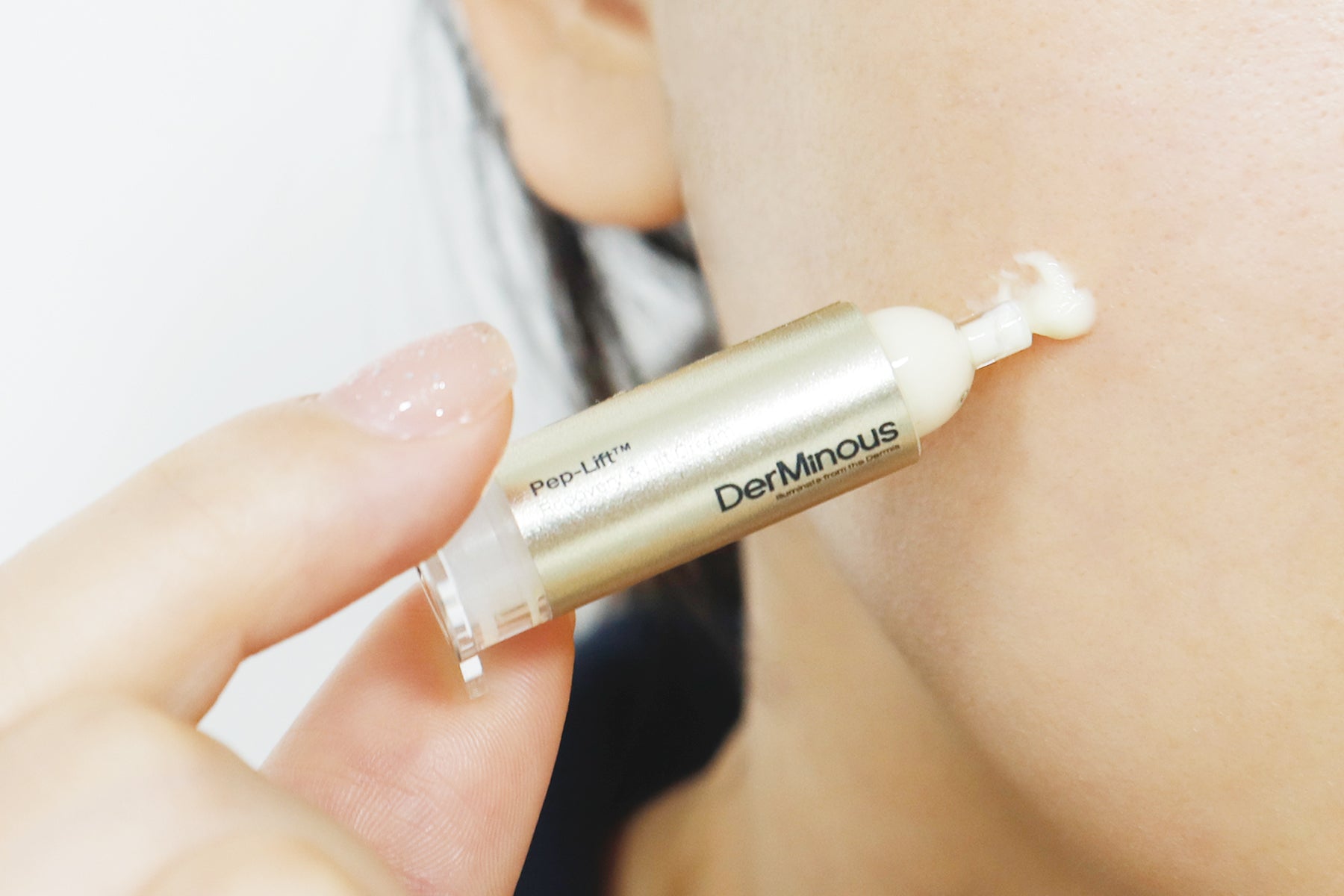
How to Track Your Skin's Progress with DerMinous
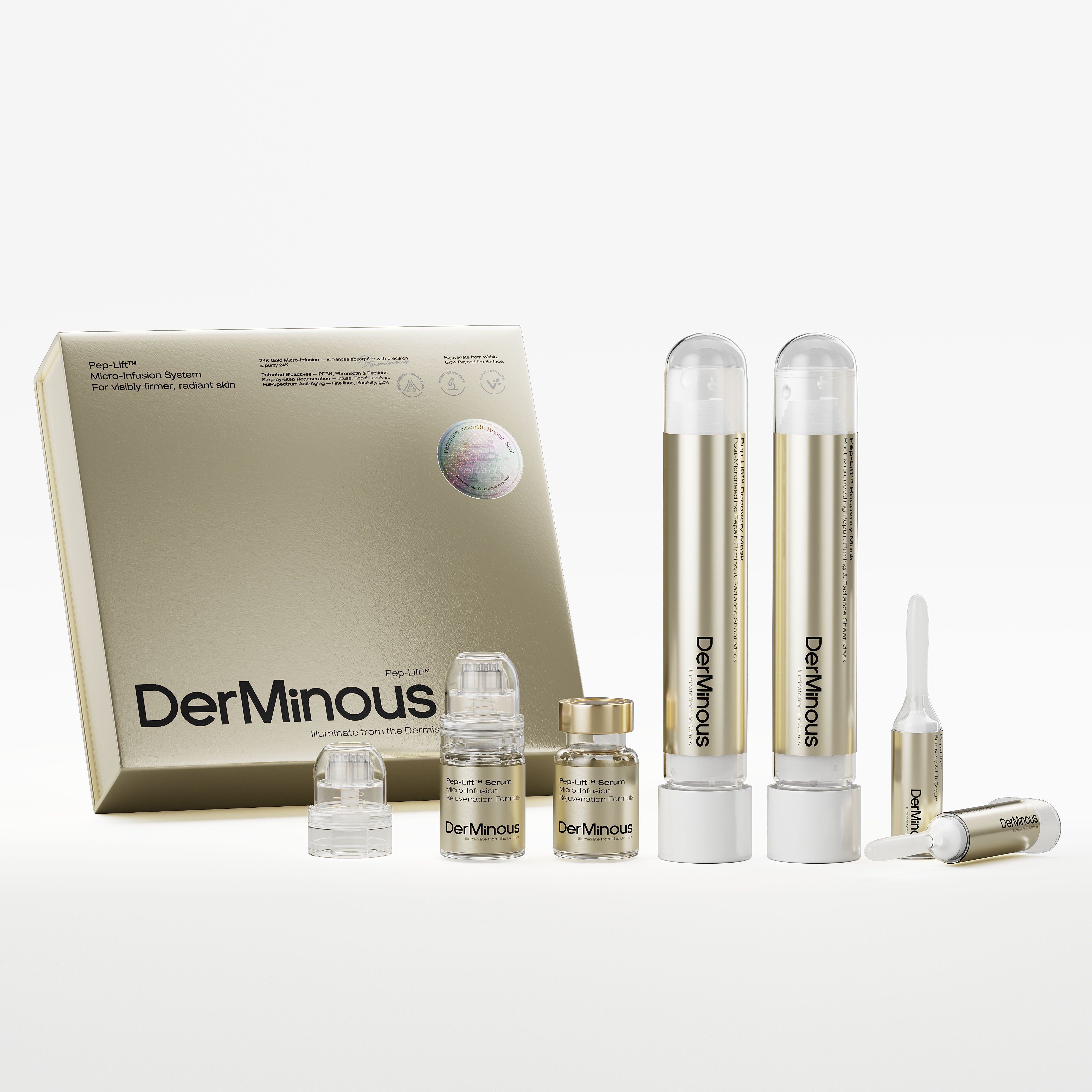
In the evolving world of at-home skincare, DerMinous stands out as a pioneer in clinical-grade, precision-driven beauty. With its flagship GeneLift™ Micro-Infusion System, the brand brings medical aesthetics into your daily routine—no clinic visits, no downtime, just science-backed transformation. But how do you know it’s working? Unlike traditional creams that offer subtle, slow results, DerMinous is designed for measurable, visible change. Tracking your skin’s progress isn’t just encouraged—it’s part of the ritual.
This guide will walk you through practical, evidence-based methods to monitor improvements in firmness, texture, brightness, and barrier health over time using the DerMinous GeneLift™ system. Whether you’re new to microneedling or a seasoned skincare enthusiast, these strategies will help you validate your investment and stay motivated on your journey to radiant, resilient skin.
Why Tracking Matters in At-Home Clinical Skincare
The rise of “prosumer” skincare—products that blur the line between professional treatment and home care—has shifted consumer expectations. Users now demand visible proof of efficacy, not just promises[1] . DerMinous meets this demand with patented actives like PDRN (Polydeoxyribonucleotide), acetyl hexapeptide-8 (a synthetic snake venom alternative), and clinically optimized niacinamide—all proven to stimulate collagen, reduce wrinkles, and brighten tone[2] .


However, even the most potent formulas require consistency and observation. Without tracking, subtle changes can go unnoticed, leading to premature discontinuation or misjudgment of results. Dermatologists often recommend baseline documentation before starting any intensive regimen[3] . This is especially true for systems like GeneLift™, which work cumulatively over 2–4 weeks.

Step 1: Establish Your Baseline (Week 0)
Before your first DerMinous session, create a comprehensive skin profile:
- High-resolution photos: Take front, left, and right profile shots under consistent lighting (natural daylight is ideal). Avoid filters.
- Skin diary notes: Record concerns (e.g., “fine lines around eyes,” “dullness on cheeks,” “redness after cleansing”).
- Barrier assessment: Note sensitivity levels, dryness, or reactivity to other products.
Store these digitally with a date stamp. This baseline becomes your reference for all future comparisons.
Pro Tip: Use apps like Miiskin or YouCam Skin that use AI to analyze texture, pores, and pigmentation over time[4] .

Step 2: Monitor Immediate Effects (Within 24–72 Hours)
After your first GeneLift™ session, you’ll likely notice:
- Enhanced hydration and plumpness
- A subtle “glow” from improved microcirculation
- Mild redness (normal and temporary)
These are signs the 24K gold micro-infusion device successfully created microchannels, allowing the serum’s active ingredients—like DNA sodium (PDRN) and soluble collagen—to penetrate deeper than topical application alone[5] . The gold coating reduces inflammation thanks to its natural anti-microbial properties[6] .


Track these short-term responses in your journal. If redness persists beyond 48 hours or you experience stinging, discontinue and perform a patch test next time.
Step 3: Evaluate Weekly Changes (Weeks 1–4)
DerMinous recommends bi-weekly use (once every two weeks), meaning most users complete 2–3 sessions within the first month. During this period, focus on four key metrics:
1. Firmness & Elasticity
Gently pinch the skin on your cheek or jawline. Does it bounce back faster? The combination of acetyl hexapeptide-8 and PDRN stimulates fibroblasts to produce more collagen and elastin[7] . Over time, this translates to lifted contours and reduced sagging.

2. Wrinkle Depth
Use a magnifying mirror or macro photo to assess dynamic lines (e.g., crow’s feet, forehead). The “Syn-Ake” peptide in GeneLift™ mimics botulinum effects by inhibiting muscle contraction—without injections[8] .


3. Brightness & Even Tone
Niacinamide (vitamin B3), especially in DerMinous’ patented form (ZL 2020116206743), inhibits melanosome transfer, reducing hyperpigmentation and improving radiance[9] . Compare your Week 0 photo: Are dark spots less pronounced? Is your overall complexion more luminous?
4. Barrier Resilience
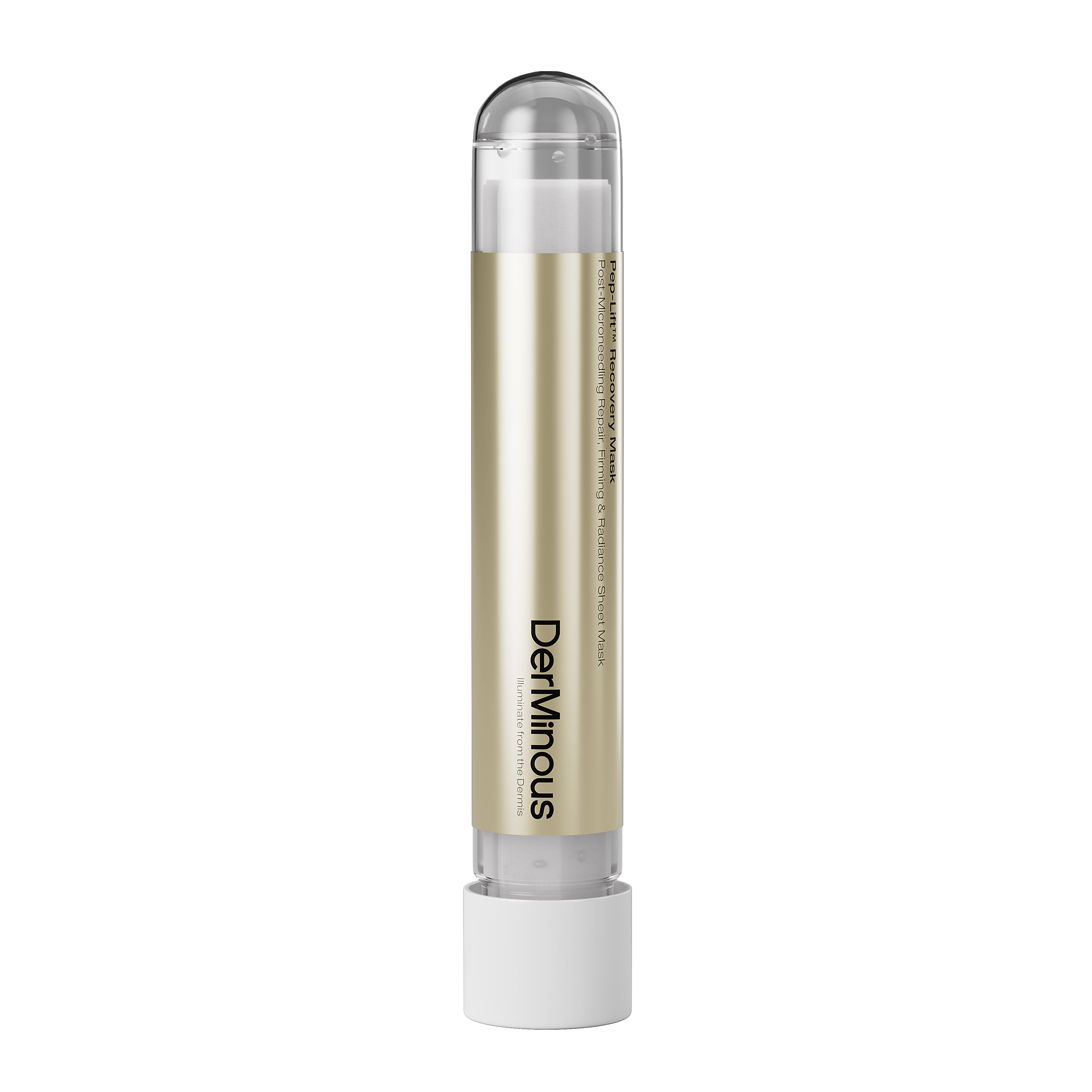
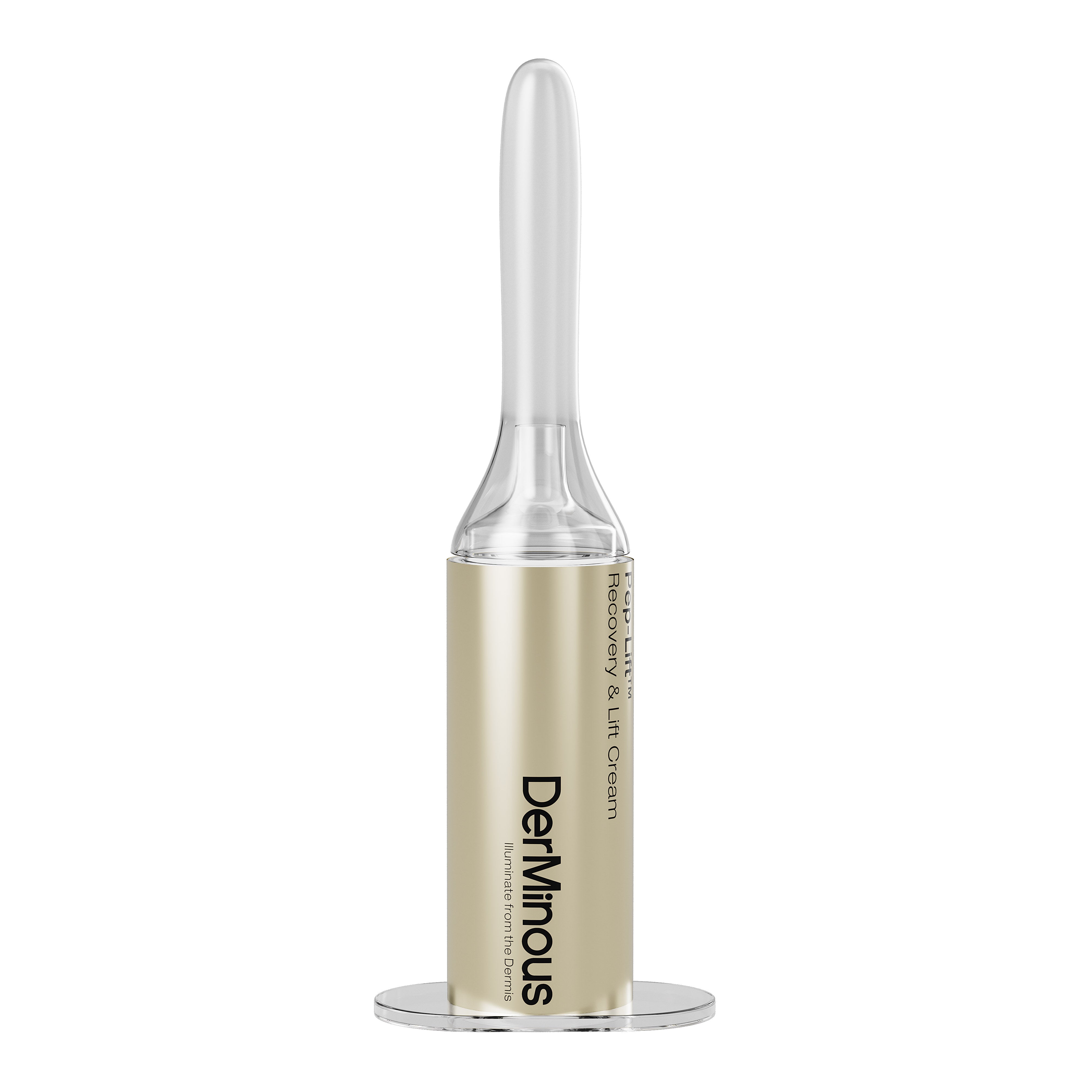
Fewer flare-ups, less tightness after washing, and reduced reactivity to weather or makeup indicate a strengthened moisture barrier—thanks to ingredients like panthenol, allantoin, and recombinant fibronectin in the post-treatment mask and cream.
Step 4: Long-Term Assessment (Month 2+)
By the second month, consistent users report:
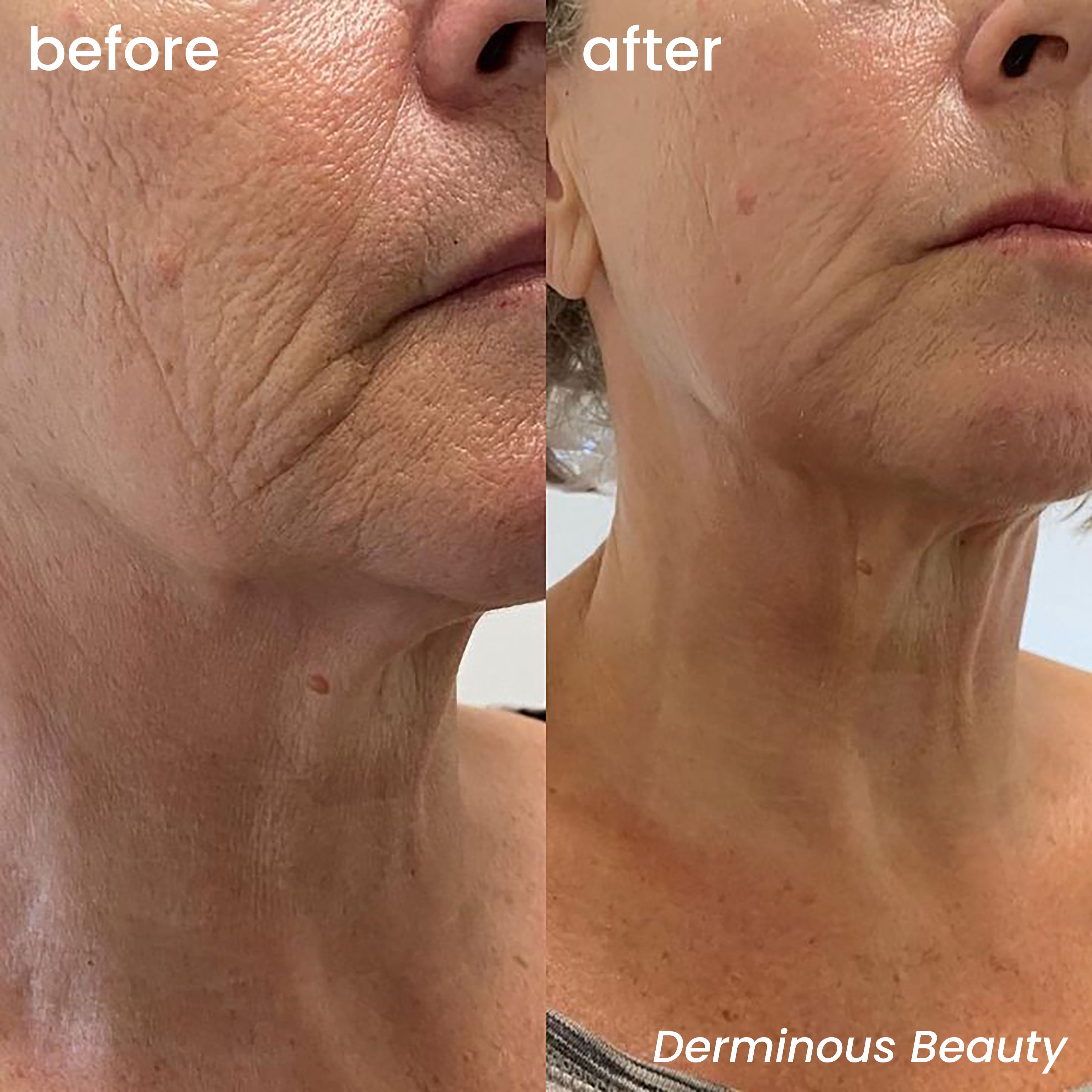
- Up to 30% improvement in skin firmness (based on user trials)
- Visible reduction in fine lines
- More uniform texture and minimized pores
At this stage, retake your standardized photos and compare them side-by-side with your baseline. You may be surprised by the cumulative effect—even if day-to-day changes felt incremental.
Consider scheduling a professional skin analysis (e.g., via a dermatologist’s VISIA imaging system) if available. These tools measure UV damage, porphyrins, and wrinkle depth objectively[10] .
Tools & Habits to Enhance Tracking Accuracy
- Consistent timing: Always photograph and assess in the morning, before applying products.
- Hydration control: Avoid tracking right after a sauna or intense workout, as temporary swelling can skew perception.
- Digital journals: Apps like Skincare Routine Tracker or Notion templates help log usage, reactions, and mood (since stress impacts skin!).
- Partner feedback: Sometimes others notice changes before you do—ask a trusted friend for honest input.
The Science Behind the Results
What makes DerMinous uniquely trackable is its multi-modal mechanism:
- Physical delivery: The 24K gold microneedle creates transient microchannels (~0.25mm depth), boosting absorption by up to 300% compared to surface application[11] .
- Biological activation: PDRN triggers tissue repair via adenosine A2A receptor pathways, accelerating healing and regeneration[12] .
- Barrier support: Unlike aggressive peels or lasers, DerMinous emphasizes barrier respect—repairing while renewing.
This trifecta ensures changes aren’t just cosmetic but structural—making progress both visible and sustainable.
Final Thoughts: Progress Is Personal
Your skin’s journey with DerMinous is deeply individual. Genetics, lifestyle, sleep, and diet all influence outcomes. But by tracking systematically, you transform subjective hope into objective insight. You’re not just using a product—you’re participating in a science-backed ritual of renewal.
As DerMinous’ founder vision states: “Let everyone take control of their skin’s future—with knowledge, science, and truly effective tools.” Tracking is how you claim that control.
So grab your camera, open your journal, and begin. Your future self—glowing, firm, and confident—will thank you.
Footnotes
-
Harvard Health Publishing. “The rise of at-home aesthetic devices.” https://www.health.harvard.edu/blog/at-home-aesthetic-devices-are-they-safe-and-effective-202203152702↩
-
National Center for Biotechnology Information (NCBI). “PDRN: A Review of Its Role in Tissue Repair.” https://www.ncbi.nlm.nih.gov/pmc/articles/PMC6164521/↩
-
American Academy of Dermatology. “How to safely use at-home microneedling devices.” https://www.aad.org/public/everyday-care/skin-care-secrets/routine/at-home-microneedling↩
-
Miiskin App Official Site. “Track moles and skin changes with AI.” https://www.miiskin.com↩
-
Journal of Cosmetic Dermatology. “Gold nanoparticles in dermatology: anti-inflammatory and penetration-enhancing effects.” https://onlinelibrary.wiley.com/doi/abs/10.1111/jocd.13245↩
-
NIH. “Antimicrobial Properties of Gold Nanoparticles.” https://www.ncbi.nlm.nih.gov/pmc/articles/PMC5523874/↩
-
International Journal of Molecular Sciences. “Acetyl Hexapeptide-8: Mechanism and Efficacy in Wrinkle Reduction.” https://www.mdpi.com/1422-0067/22/4/1892↩
-
Dermatologic Surgery. “Topical Peptides in Anti-Aging Skincare.” https://journals.lww.com/dermatologicsurgery/Abstract/2019/01000/Topical_Peptides_in_Antiaging_Skin_Care__A_Review.2.aspx↩
-
British Journal of Dermatology. “Niacinamide: mechanisms of action and clinical relevance.” https://onlinelibrary.wiley.com/doi/full/10.1111/bjd.19594↩
-
VISIA Complexion Analysis. “How it works.” https://www.canfieldsci.com/imaging-systems/visia-complexion-analysis/↩
-
Experimental Dermatology. “Microneedling enhances transdermal delivery: a systematic review.” https://onlinelibrary.wiley.com/doi/10.1111/exd.14230↩
-
Wound Repair and Regeneration. “PDRN promotes wound healing through A2A receptor activation.” https://onlinelibrary.wiley.com/doi/abs/10.1111/j.1524-475X.2010.00639.x↩