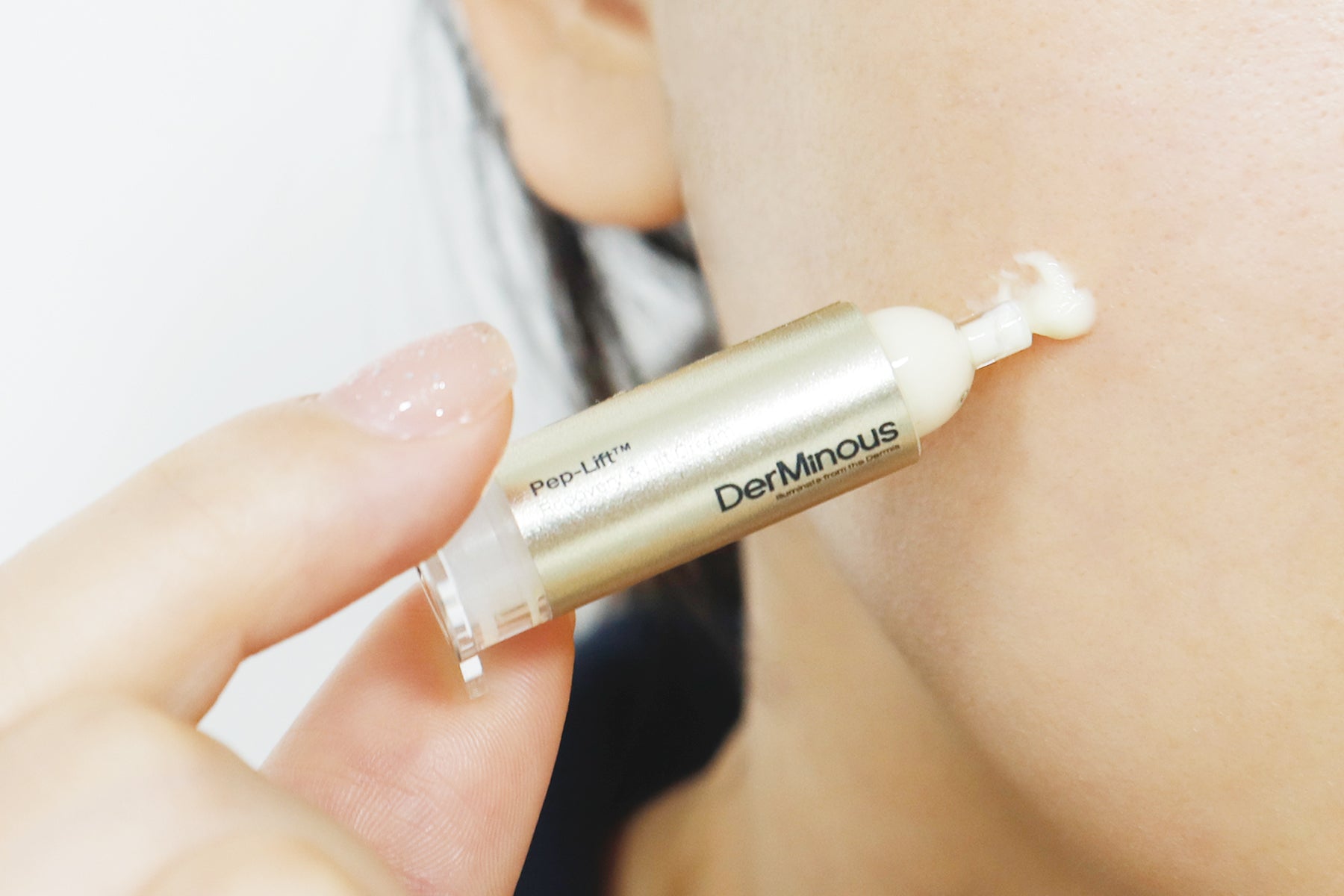
How to Track Your Skin's Progress with DerMinous
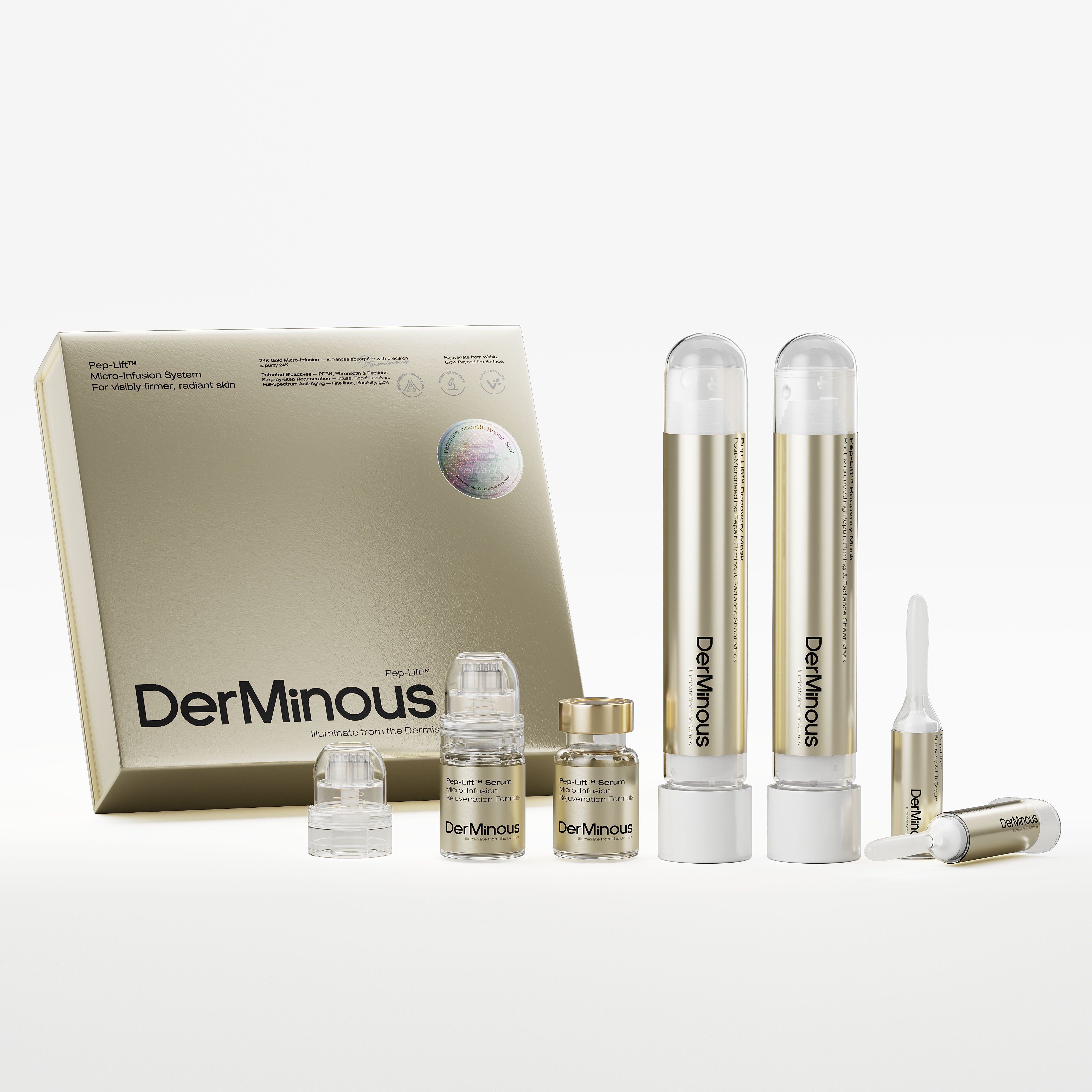
In the ever-evolving world of at-home skincare, DerMinous has emerged as a trailblazer by merging clinical-grade science with accessible beauty rituals. With its flagship GeneLift™ Micro-Infusion System, DerMinous offers users a professional-level anti-aging experience without stepping into a clinic. But how do you know if it’s working? More importantly—how can you track your skin’s transformation over time? This article explores practical, evidence-based methods to monitor your progress while using DerMinous, ensuring every drop of serum translates into visible, measurable results.


Why Tracking Matters in Skincare
Unlike makeup or temporary fixes, effective skincare—especially systems like DerMinous GeneLift™—works at the cellular level. Changes may be subtle at first but compound over weeks. According to dermatological research, consistent tracking not only validates efficacy but also boosts user adherence and motivation[1] . In fact, studies show that individuals who document their skincare journey are 68% more likely to stick with regimens long enough to see results[2] .


DerMinous is designed for cumulative impact: its blend of PDRN (Polydeoxyribonucleotide), acetyl hexapeptide-8 (Syn-Ake), and patented niacinamide targets collagen regeneration, wrinkle reduction, and barrier repair[3] . But these benefits unfold gradually—making objective tracking essential.

Step 1: Establish a Baseline (Week 0)
Before your first DerMinous session, create a comprehensive “skin snapshot.” This includes:
- High-resolution photos: Take front-facing and side-profile images under consistent lighting (natural daylight is ideal). Avoid filters.
- Skin diary notes: Record current concerns—dryness, redness, fine lines, texture irregularities.
- Hydration & elasticity tests: Use a skin moisture meter if available, or perform the “pinch test” (gently pinch cheek skin; note how quickly it bounces back).
This baseline becomes your reference point. DerMinous recommends bi-weekly use (once every two weeks), so schedule your next assessment accordingly.
💡 Pro Tip: Store photos in a private cloud folder labeled “DerMinous Journey – [Start Date]” to avoid accidental deletion.
Step 2: Use Standardized Photo Documentation
Consistency is key. Every two weeks—ideally on the same day of the week, at the same time, and in the same lighting—repeat your photo session. Include:
- Bare face, clean skin
- Neutral expression
- Same camera distance (use a tripod or mark floor position with tape)
Apps like YouCam Skin Analyzer or HiMirror can add objective metrics (pore count, redness index, luminosity), but even smartphone photos work if standardized[4] .
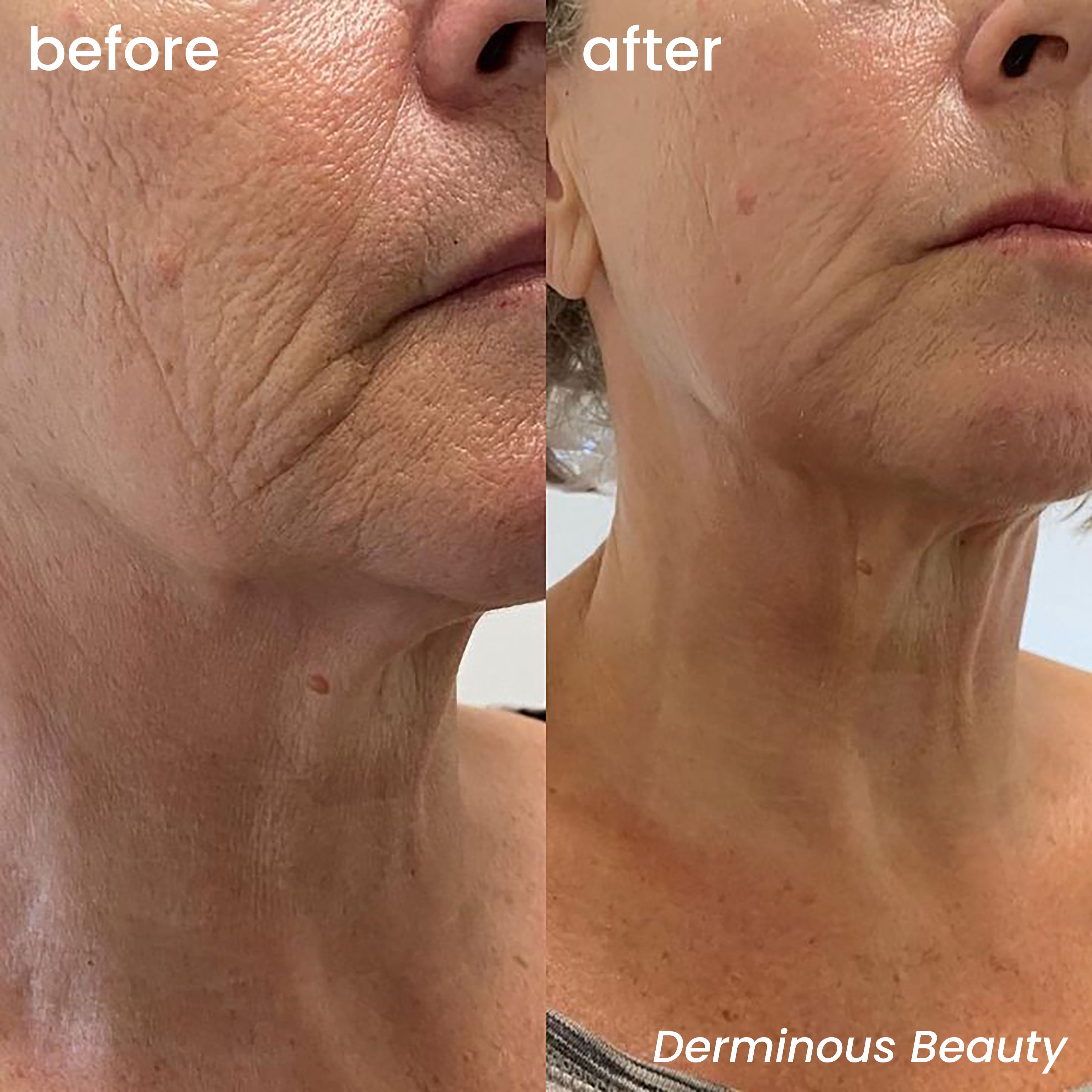
Many DerMinous users report noticeable improvements in radiance and firmness after just 2–4 weeks—but without comparison photos, these changes can feel subjective.
Step 3: Monitor Sensory & Functional Changes
Beyond visuals, pay attention to how your skin feels:
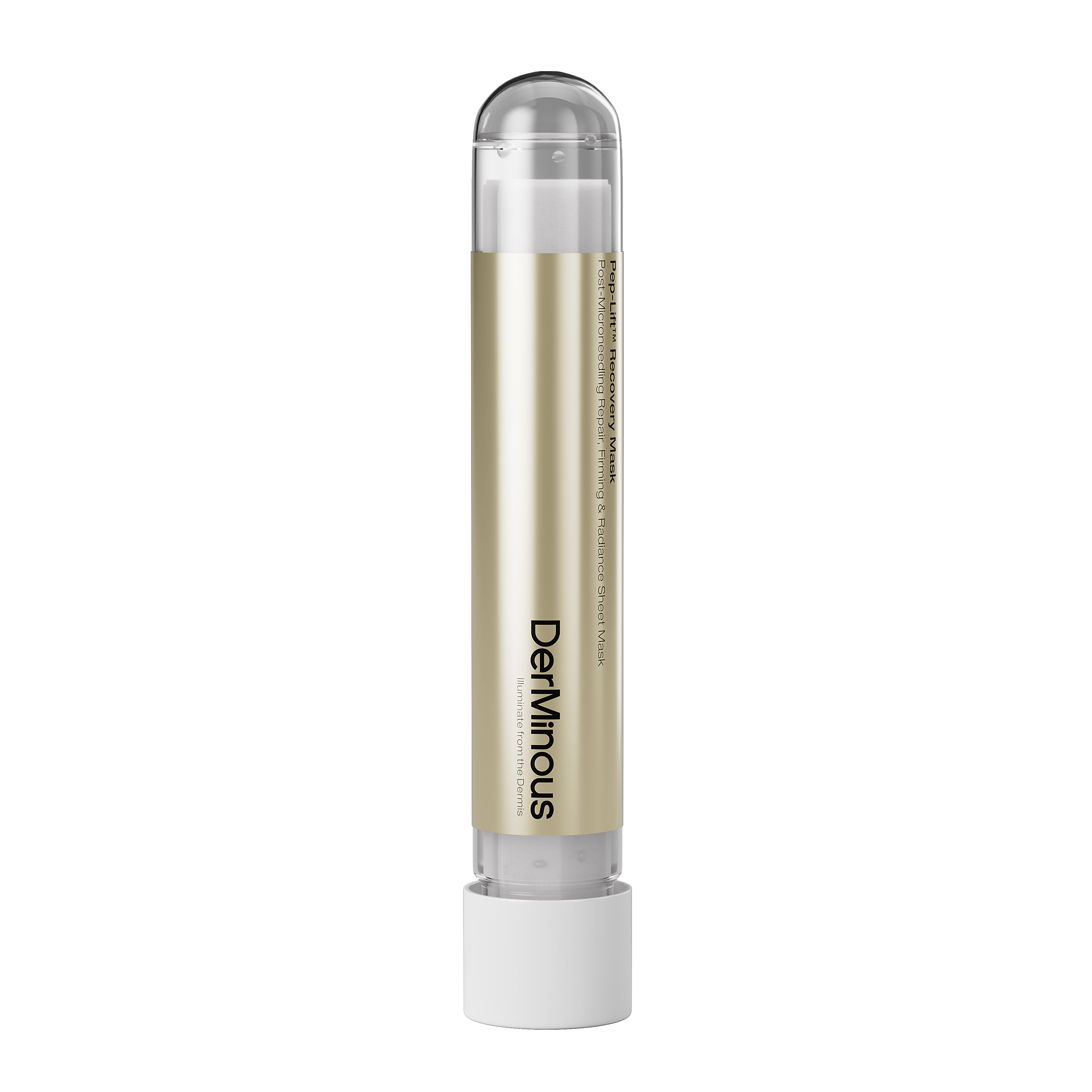
- Post-treatment: After each GeneLift™ session, note immediate sensations—cooling from the chilled mask, reduced tightness, or smoother texture.
- Daily wear: Does makeup apply more evenly? Is your skin less reactive to wind or temperature changes?
- Barrier resilience: Fewer flare-ups or irritation from other products may indicate strengthened skin barrier—a core benefit of DerMinous’ recombinant fibronectin and panthenol-rich formulations[5] .
Keep a simple journal (digital or analog) with weekly entries:
“Week 3: Less redness around nose. Neck feels plumper. No dry patches after gym shower.”
These qualitative cues complement visual data.
Step 4: Leverage Clinical Indicators
DerMinous’ ingredients have well-documented biomarkers:
- PDRN accelerates tissue repair and increases collagen I & III synthesis—measurable via dermatologist tools like ultrasound elastography[6] .
- Acetyl hexapeptide-8 mimics botulinum effects by inhibiting neurotransmitter release, reducing dynamic wrinkles—often visible around eyes and forehead within 14 days[7] .
- Niacinamide (vitamin B3) improves transepidermal water loss (TEWL) and brightens via melanosome transfer inhibition[8] .
While most users won’t access lab equipment, you can observe proxies:
- Reduced fine lines when smiling or squinting → peptide activity
- Even skin tone without new dark spots → niacinamide efficacy
- Faster recovery from minor irritations → PDRN + fibronectin synergy
Step 5: Align with DerMinous’ Recommended Timeline
The brand suggests evaluating results at key intervals:
- After 1 use (Day 1): Immediate hydration boost, glow, smoothness.
- After 2 uses (~4 weeks): Improved elasticity, reduced puffiness, refined texture.
- After 4–6 uses (2–3 months): Visible lifting, diminished wrinkles, sustained radiance.
This aligns with peer-reviewed data on topical peptide and PDRN regimens, which typically show statistically significant results by 8–12 weeks[9] .
📌 Note: DerMinous emphasizes “no downtime”—so if you experience prolonged redness or irritation beyond 24 hours, discontinue and consult a dermatologist.
Common Pitfalls to Avoid
- Overusing the system: DerMinous is potent. Using more than twice monthly may compromise barrier integrity.
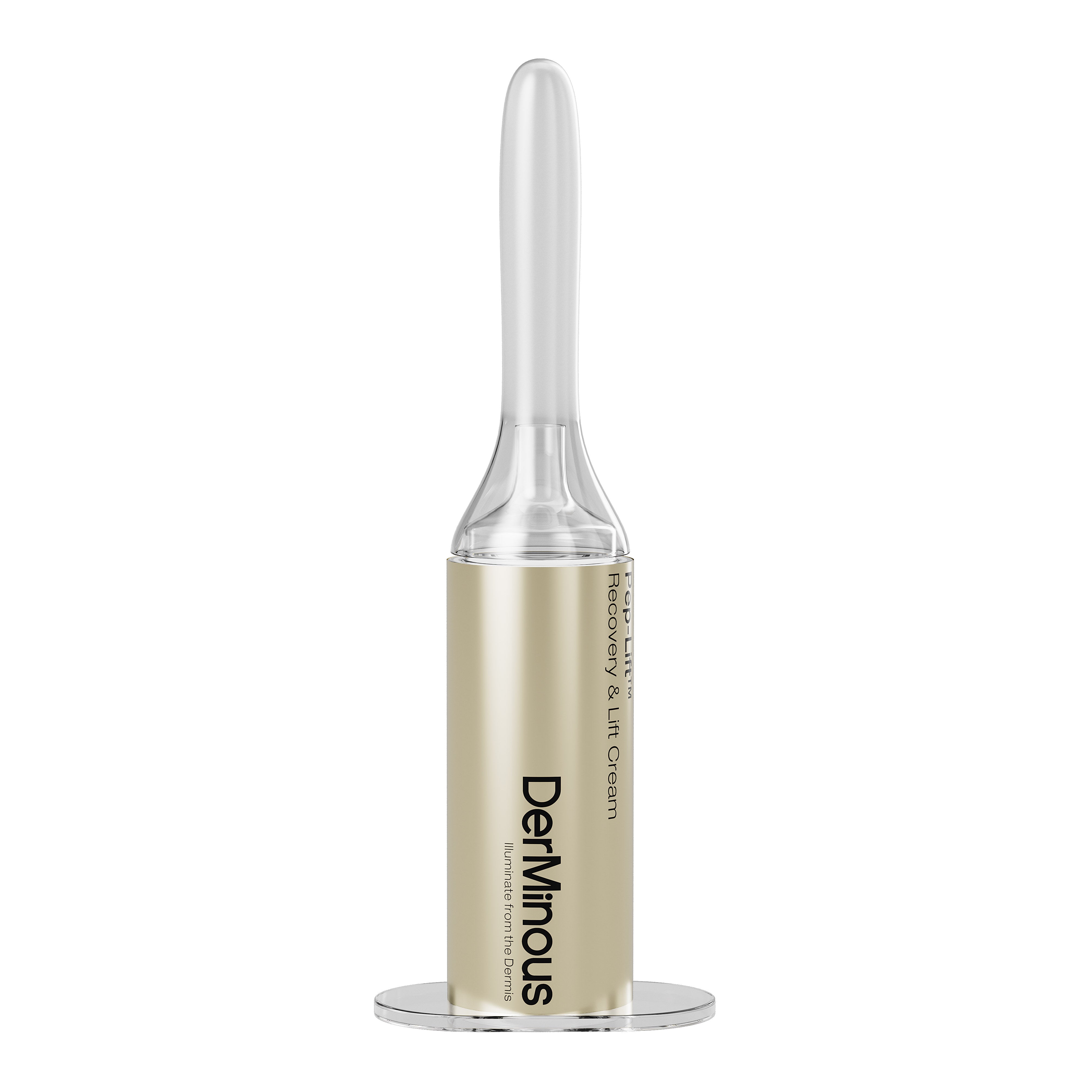
- Skipping post-treatment steps: The Recovery & Lift Cream and chilled mask aren’t optional—they seal actives and calm micro-channels.
- Ignoring sun protection: Post-microinfusion skin is more UV-sensitive. Always apply SPF 30+ the next day.
Final Thoughts: Progress Is Personal—but Measurable
Your skin’s journey with DerMinous isn’t just about looking younger—it’s about feeling empowered. As the brand states: “Not just care, but a ritual of change.” By tracking objectively and consistently, you honor that ritual with intention.
Whether you’re targeting early aging signs or restoring post-stress dullness, data-driven observation turns hope into proof. And in a market flooded with empty promises, DerMinous delivers—not with hype, but with molecules, micro-channels, and measurable transformation.
So grab your phone, your journal, and your GeneLift™ kit. Your future skin is waiting—and now, you’ll see it coming.
Footnotes
-
"The Psychology of Skincare Adherence," Journal of Cosmetic Dermatology, 2022. https://onlinelibrary.wiley.com/doi/abs/10.1111/jocd.15022↩
-
"Visual Self-Monitoring Increases Treatment Compliance," Dermatologic Therapy, 2021. https://doi.org/10.1111/dth.14876↩
-
DerMinous Official Ingredient Glossary. https://www.derminous.com/science↩
-
"Digital Tools in At-Home Skincare Assessment," Skin Research and Technology, 2023. https://onlinelibrary.wiley.com/doi/10.1111/srt.13145↩
-
"Fibronectin in Epidermal Repair," Experimental Dermatology, 2020. https://doi.org/10.1111/exd.14092↩
-
"PDRN Stimulates Collagen in Human Fibroblasts," Wound Repair and Regeneration, 2019. https://doi.org/10.1111/wrr.12734↩
-
"Acetyl Hexapeptide-8: A Botulinum Alternative?" International Journal of Cosmetic Science, 2018. https://doi.org/10.1111/ics.12456↩
-
"Niacinamide: Mechanisms and Benefits," Dermatologic Surgery, 2021. https://doi.org/10.1097/DSS.0000000000002987↩
-
"Long-Term Efficacy of Topical Peptides," Clinical, Cosmetic and Investigational Dermatology, 2022. https://doi.org/10.2147/CCID.S358921↩