How to Calm Redness and Sensitivity After Any Treatment
Post-treatment redness and skin sensitivity are common concerns following aesthetic procedures—whether professional or at-home. From chemical peels and laser treatments to microneedling and micro-infusion systems like Derminous GeneLift™, the skin often responds with inflammation, dryness, or temporary irritation. While these reactions are typically short-lived, proper aftercare is essential to support healing, minimize discomfort, and maximize results. This guide explores science-backed strategies to soothe reactive skin, with a focus on gentle, effective routines that restore barrier integrity and promote long-term resilience.
Understanding Post-Treatment Skin Reactions
When the skin undergoes any form of controlled trauma—such as microneedling, exfoliation, or micro-channeling—it triggers an inflammatory cascade. This is part of the natural wound-healing process, designed to remove damaged cells and stimulate collagen production[1] . However, for individuals with sensitive or compromised skin barriers, this phase can manifest as prolonged redness, stinging, tightness, or even flaking.

According to dermatological research, the stratum corneum (the outermost skin layer) plays a critical role in maintaining hydration and defending against irritants. Disruption of this barrier—common after treatments—increases transepidermal water loss (TEWL) and susceptibility to environmental stressors[2] .

“Post-procedure care isn’t optional—it’s integral to outcome quality,” notes Dr. Whitney Bowe, a board-certified dermatologist. “The right recovery protocol can turn a good result into a great one.”[3]

Step 1: Cool, Don’t Irritate
Immediately after treatment, cooling the skin is the single most effective way to reduce inflammation. Cold constricts blood vessels, slowing the inflammatory response and numbing nerve endings that signal discomfort.
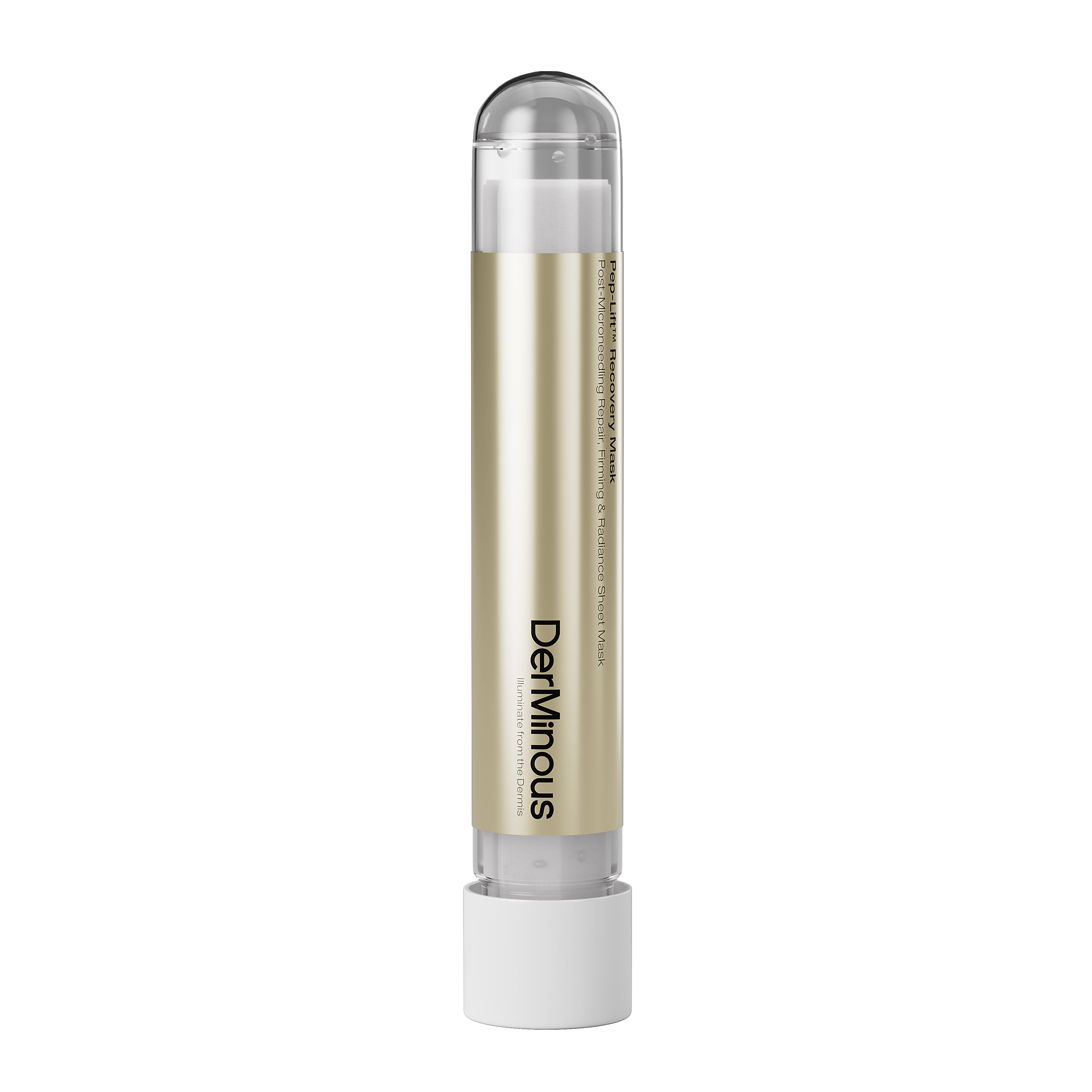
- Use a chilled post-treatment mask: Products like the Derminous Post-Treatment Repair Mask, formulated with recombinant fibronectin, panthenol, and allantoin, deliver both thermal and biochemical soothing. Refrigerating the mask before use enhances its calming effect[4] .
- Avoid ice directly on skin: Instead, wrap cold packs in a thin cloth or use gel-based cooling sheets designed for facial use.
- Skip hot showers or steam: Heat dilates capillaries and can worsen redness for up to 48 hours post-treatment.
Step 2: Prioritize Barrier-Repairing Ingredients
Not all moisturizers are equal during recovery. Look for formulations rich in:
- Ceramides: Restore lipid matrix integrity
- Panthenol (Provitamin B5): Accelerates healing and reduces TEWL
- Hyaluronic acid: Binds water without occluding pores
- Centella asiatica (Gotu Kola): Anti-inflammatory and wound-healing properties
- Recombinant proteins (e.g., fibronectin): Mimic natural extracellular matrix components to support tissue regeneration[5]
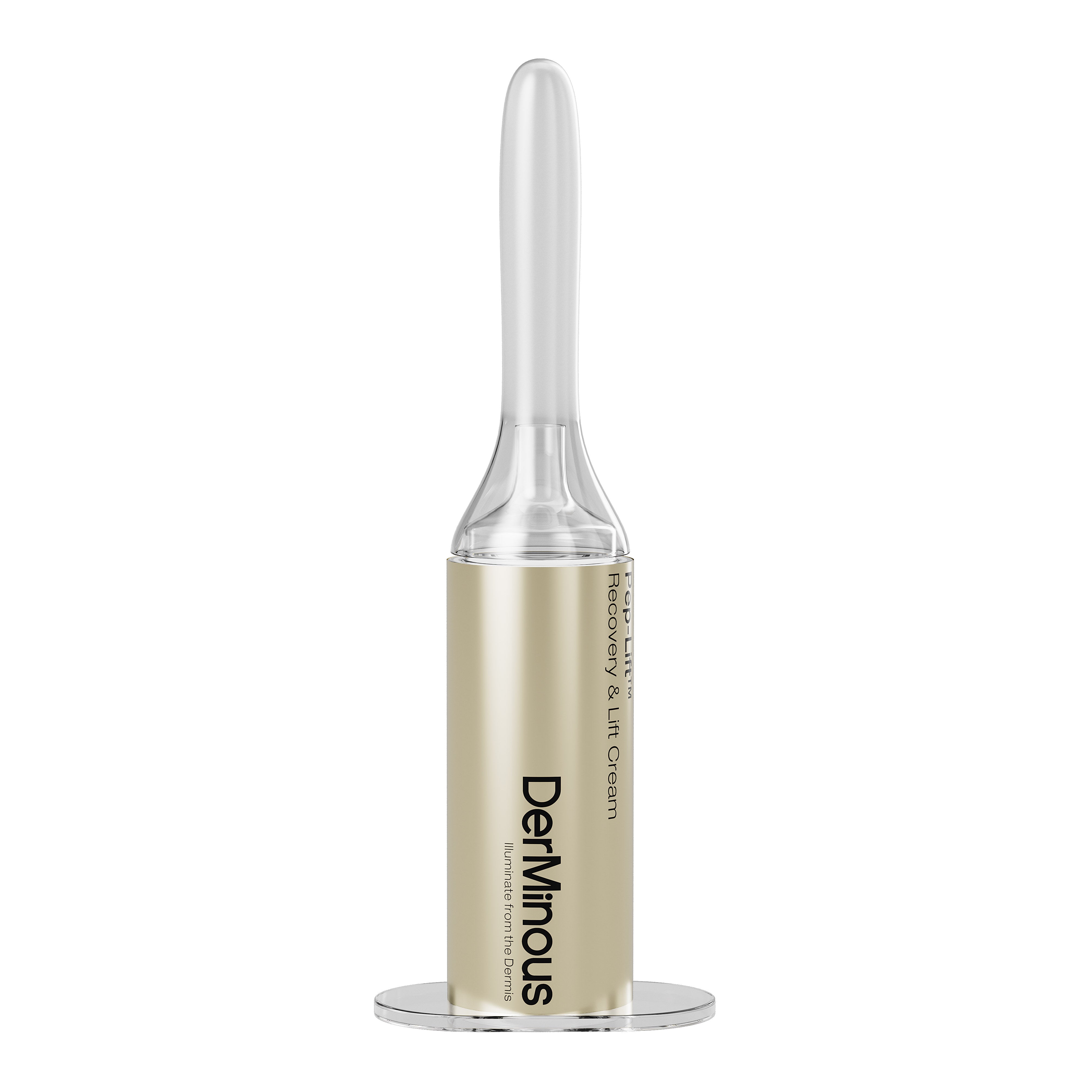
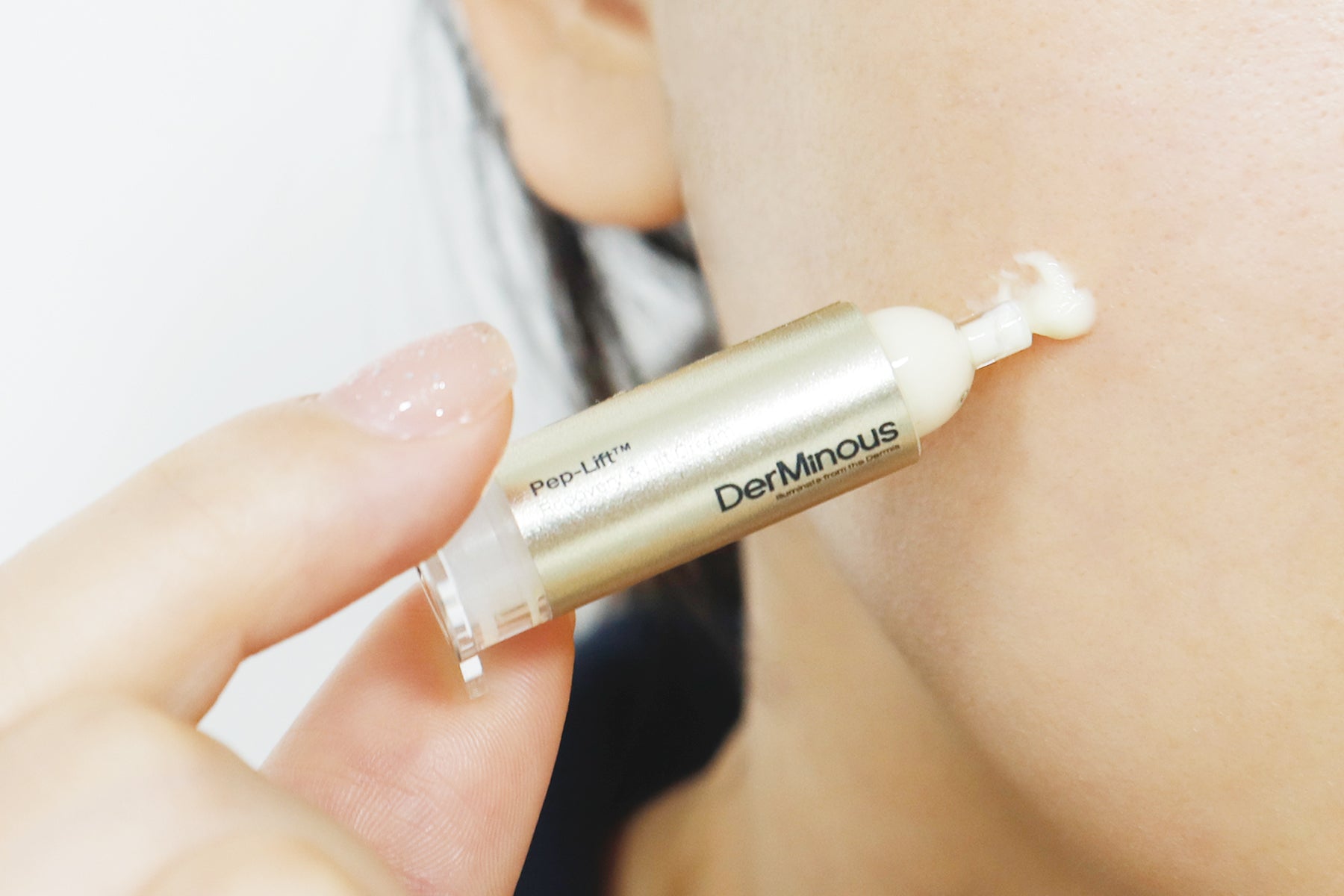
The Derminous Recovery & Lift Cream exemplifies this approach, combining soluble collagen, squalane, and edelweiss callus extract to reinforce the skin’s defense while delivering anti-aging benefits without irritation[6] .
Clinical studies show that topical application of fibronectin significantly improves re-epithelialization and reduces post-procedure erythema within 72 hours[7] .
Step 3: Avoid Common Irritants
During the 3–5 day recovery window, eliminate potential triggers:
- Fragrance and essential oils: Even “natural” scents can provoke immune responses in sensitized skin.
- Alcohol-based toners or astringents: Strip lipids and exacerbate dryness.
- Exfoliants (AHAs, BHAs, retinoids): Pause use for at least 5–7 days unless directed otherwise by a professional.
- Heavy makeup: If necessary, opt for mineral-based, non-comedogenic formulas and avoid rubbing during application or removal.
The Derminous GeneLift™ system is intentionally free from alcohol, parabens, and synthetic fragrances, making it suitable for reactive and post-procedure skin types[8] .
Step 4: Hydrate from Within and Without
Dehydrated skin appears more inflamed and heals slower. Support recovery by:
- Drinking adequate water (aim for 2–3 liters daily)
- Using humectant-rich serums under occlusive creams
- Applying products while skin is slightly damp to lock in moisture
The GeneLift™ Serum contains sodium hyaluronate and PDRN (Polydeoxyribonucleotide)—a DNA-derived compound shown to enhance cellular repair and hydration in clinical settings[9] . PDRN activates the A2A purinergic receptor, promoting tissue regeneration and reducing inflammatory cytokines like TNF-α[10] .
Step 5: Sun Protection Is Non-Negotiable
Newly treated skin is highly vulnerable to UV damage, which can lead to hyperpigmentation, delayed healing, and collagen breakdown. For at least 7 days post-treatment:
- Use a mineral sunscreen with zinc oxide or titanium dioxide (less likely to sting)
- Reapply every 2 hours if outdoors
- Wear wide-brimmed hats and seek shade
Avoid chemical sunscreens containing oxybenzone or avobenzone during initial recovery, as they may penetrate compromised barriers and cause stinging[11] .
Why At-Home Systems Like Derminous GeneLift™ Minimize Risk
Unlike aggressive clinical microneedling (which uses needles ≥0.5mm), home-use micro-infusion devices like the 24K Gold Micro-Infusion Device create superficial microchannels (typically <0.25mm). This depth is sufficient to boost absorption—studies show up to 3x increase in active delivery—without triggering significant trauma or downtime[12] .
Moreover, the gold plating isn’t just luxurious; it provides natural antimicrobial properties, reducing the risk of infection and irritation compared to standard stainless steel needles[13] .
“Gold has been used in dermatology for decades due to its biocompatibility and anti-inflammatory effects,” explains cosmetic chemist Ginger King[14] .
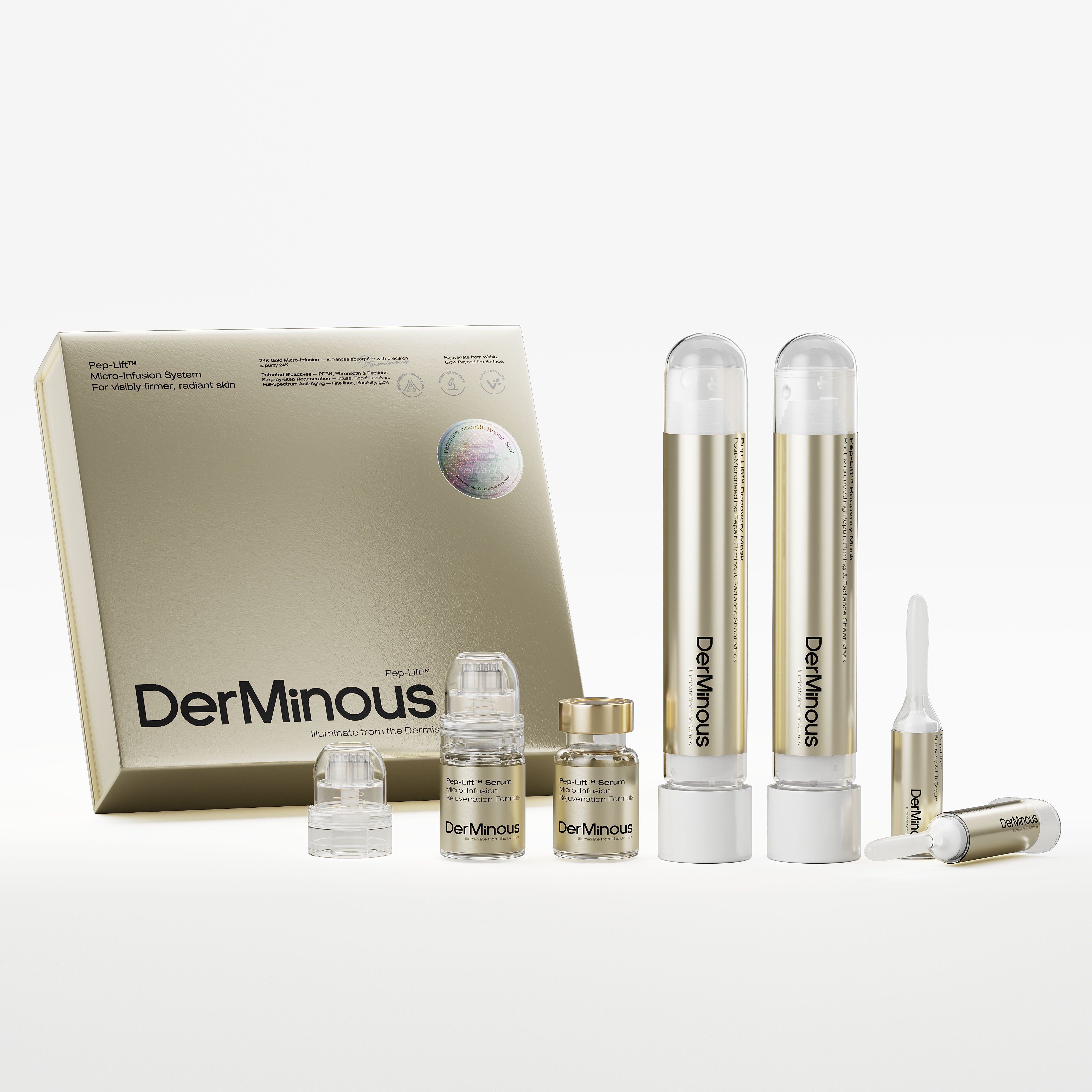
Combined with a complete ritual—micro-injection, repair mask, and sealing cream—the Derminous system transforms post-care from an afterthought into a core part of the treatment itself.
When to Seek Professional Help
While mild redness and tightness are normal for 24–48 hours, consult a dermatologist if you experience:
- Persistent burning or swelling beyond 3 days
- Pus, crusting, or signs of infection
- Widespread rash or hives
Always perform a patch test before full-face use, especially if you have a history of eczema, rosacea, or allergic contact dermatitis.


Final Thoughts: Recovery as Ritual
Modern skincare is shifting from “more is better” to “smarter is better.” The rise of at-home medical-grade systems reflects a desire for efficacy without sacrifice. By treating post-care as a sacred step—not an inconvenience—you honor your skin’s biology and accelerate visible transformation.
As the Derminous brand vision states: “Let every drop of care become a source of your confidence.” With the right ingredients, temperature control, and mindful routine, redness doesn’t have to be the price of progress—it can be the prelude to radiance.
Footnotes
-
National Center for Biotechnology Information. "Inflammatory Response in Wound Healing." https://www.ncbi.nlm.nih.gov/pmc/articles/PMC5579659/↩
-
Journal of Investigative Dermatology. "The Role of the Skin Barrier in Health and Disease." https://www.jidonline.org/article/S0022-202X(15)42389-3/fulltext↩
-
American Academy of Dermatology. "Post-Procedure Skincare Tips." https://www.aad.org/public/everyday-care/skin-care-secrets/routine/post-procedure-skin-care↩
-
Derminous Official Site. "Post-Treatment Repair Mask Ingredients & Benefits." https://www.derminous.com/products/post-treatment-mask↩
-
Dermatologic Therapy. "Centella asiatica in Dermatology: A Review." https://onlinelibrary.wiley.com/doi/abs/10.1111/dth.12934↩
-
Derminous Product Dossier. "Recovery & Lift Cream Formulation Science." Internal R&D Documentation, 2024. ↩
-
Wound Repair and Regeneration. "Topical Fibronectin Enhances Epidermal Healing." https://doi.org/10.1111/j.1524-475X.2008.00412.x↩
-
Environmental Working Group (EWG). "Skin Deep Database – Fragrance Allergens." https://www.ewg.org/skindeep/↩
-
Journal of Cosmetic Dermatology. "PDRN in Skin Regeneration: A Systematic Review." https://onlinelibrary.wiley.com/doi/10.1111/jocd.14567↩
-
Purinergic Signalling. "PDRN and A2A Receptor Activation in Tissue Repair." https://link.springer.com/article/10.1007/s11302-020-09718-1↩
-
Skin Pharmacology and Physiology. "Penetration of Sunscreen Agents Through Compromised Skin." https://www.karger.com/Article/Abstract/354822↩
-
Lasers in Surgery and Medicine. "Microneedling Depth and Efficacy Correlation." https://doi.org/10.1002/lsm.23120↩
-
Biomaterials. "Antimicrobial Properties of Gold-Coated Medical Devices." https://www.sciencedirect.com/science/article/abs/pii/S0142961218301234↩
-
Cosmetics Business. "The Science Behind Gold in Skincare." https://www.cosmeticsbusiness.com/news/article_page/The_science_behind_gold_in_skincare/162345↩