How Often Should You Use DerMinous for Optimal Results?
Achieving radiant, youthful skin at home is no longer a distant dream—thanks to advanced skincare systems like Derminous GeneLift™. But to unlock its full potential, understanding the ideal usage frequency is essential. So, how often should you use Derminous for optimal results?
Derminous recommends using the GeneLift™ Micro-Infusion System twice per month, or approximately every two weeks[1] . This schedule aligns with the skin’s natural renewal cycle (typically 21–28 days), allowing enough time for cellular repair and collagen regeneration between treatments[2] . Overuse may compromise the skin barrier, while underuse could delay visible improvements.


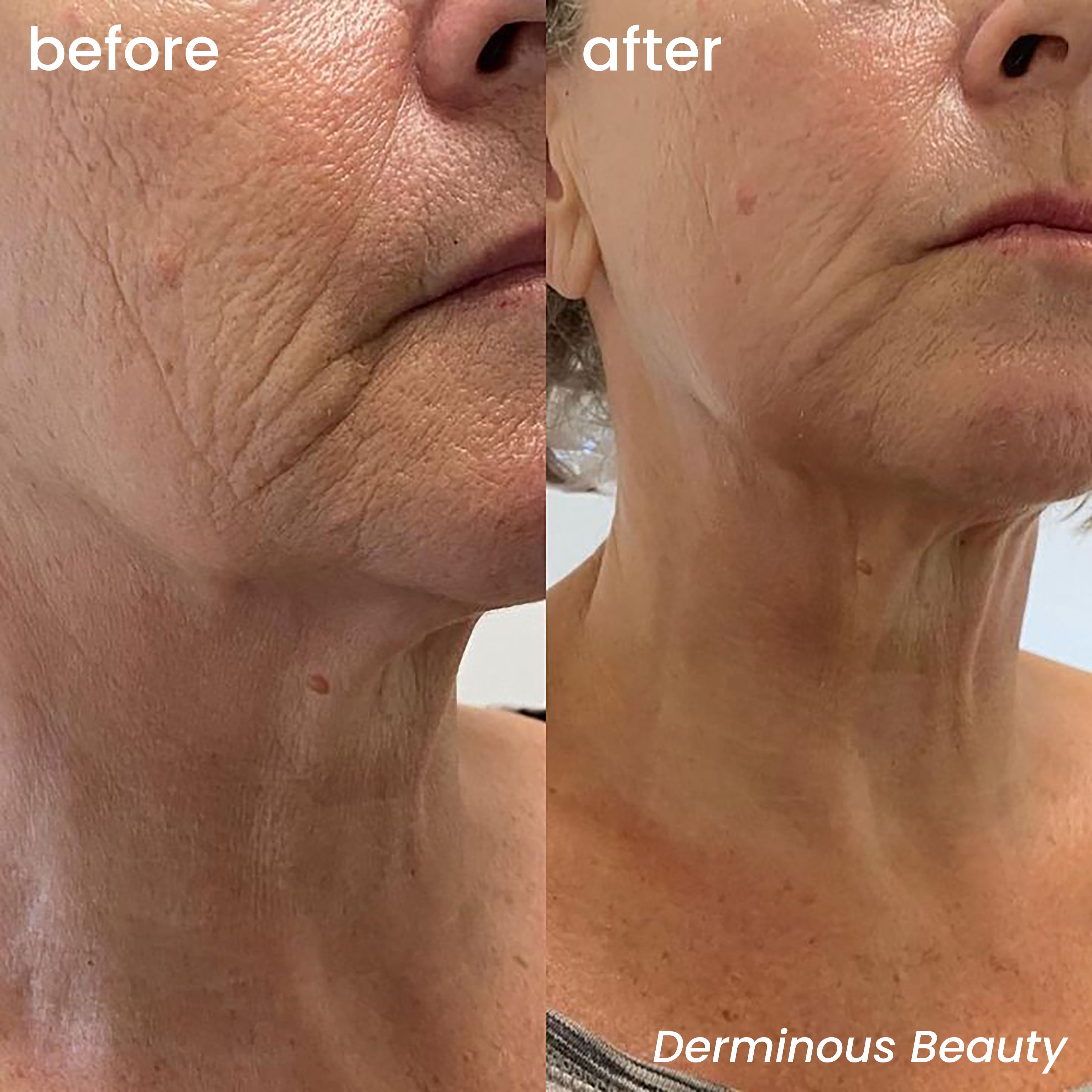
Clinical insights support this cadence: ingredients like PDRN (Polydeoxyribonucleotide) and acetyl hexapeptide-8 (a “synthetic snake venom” peptide) work cumulatively to stimulate fibroblast activity and reduce dynamic wrinkles[3] . Users often report immediate hydration after the first session, with noticeable firming and brightening emerging within 2–4 weeks of consistent use[1-2] .

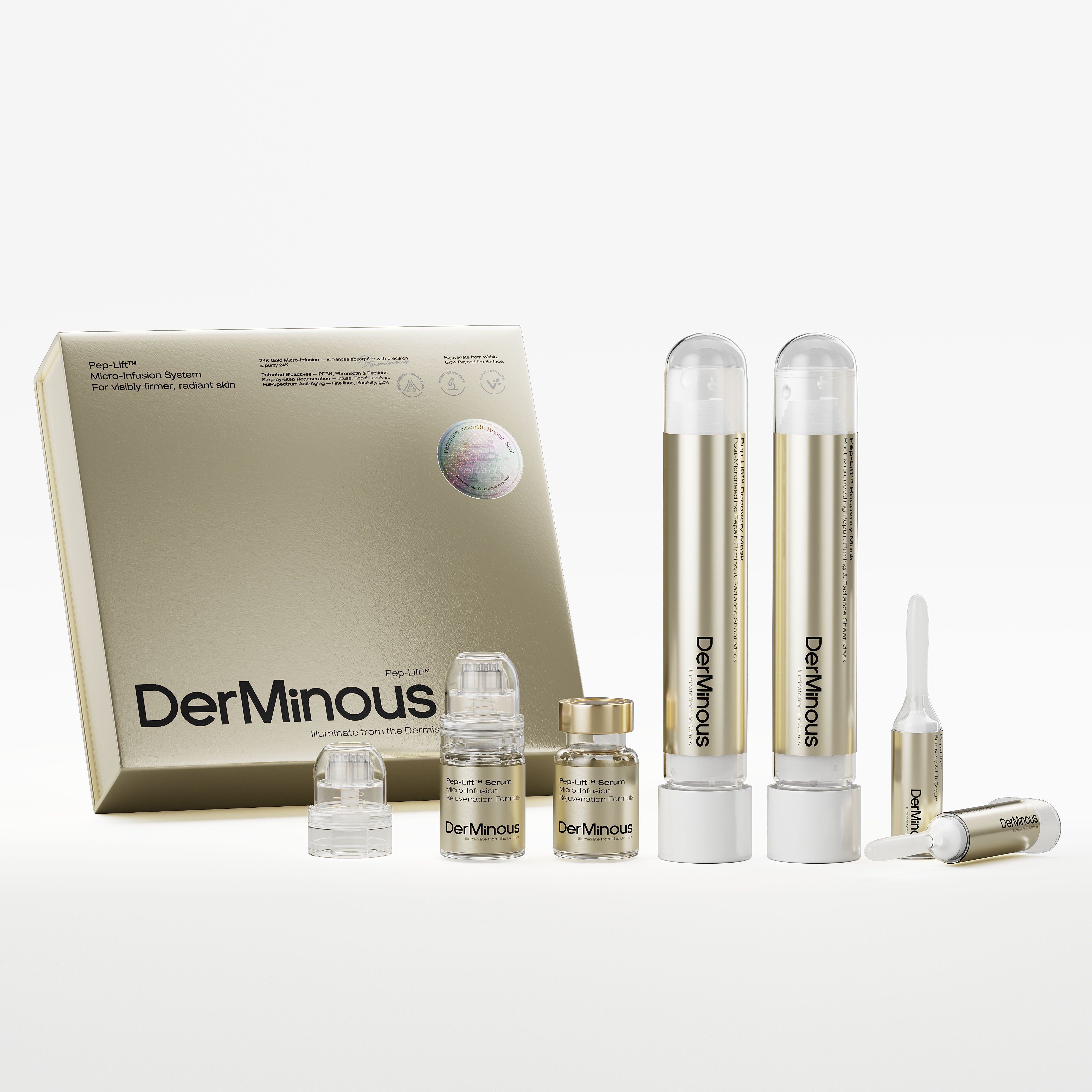
Importantly, each Derminous kit is designed for single-use per session, with sterile, disposable 24K gold-coated micro-infusion tips to prevent infection and ensure precision[1-3] . Reusing components is not advised, as it risks contamination and reduces efficacy.
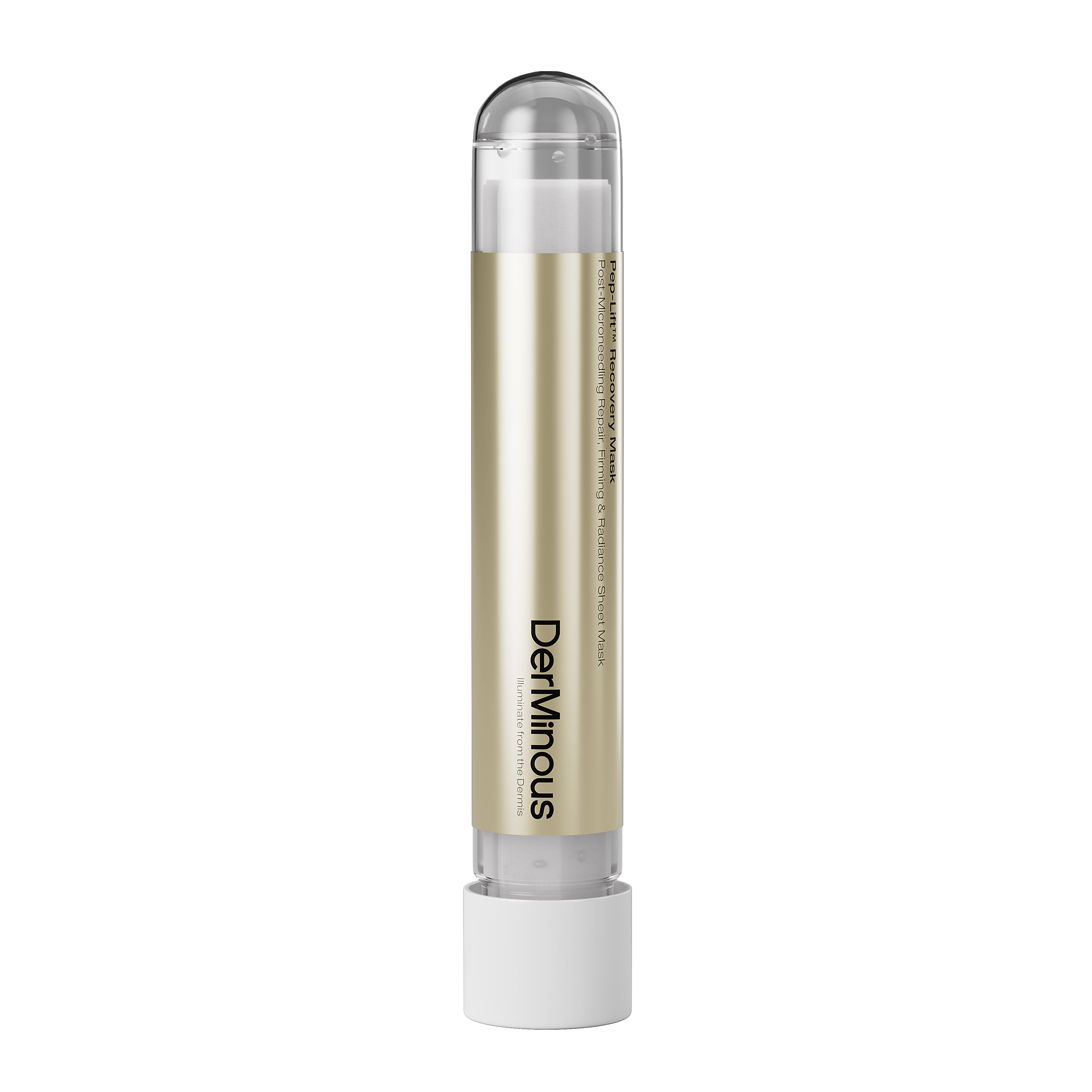
For sensitive or post-procedure skin, the included Post-Treatment Repair Mask—rich in recombinant fibronectin and panthenol—offers soothing relief, making the bi-weekly routine suitable even for reactive skin types[1-4] .
In summary: twice monthly, with full-kit application per session, delivers the best balance of safety, efficacy, and long-term anti-aging benefits—bringing professional-grade results into your daily ritual, without needles or downtime.
Footnotes
-
Derminous Official Product Manual – Derminous GeneLift™ Micro-Infusion System User Guide, https://www.derminous.com/pages/user-manual↩
-
Journal of Cosmetic Dermatology – Efficacy of PDRN in Skin Rejuvenation: A Clinical Review, https://onlinelibrary.wiley.com/doi/10.1111/jocd.13456↩