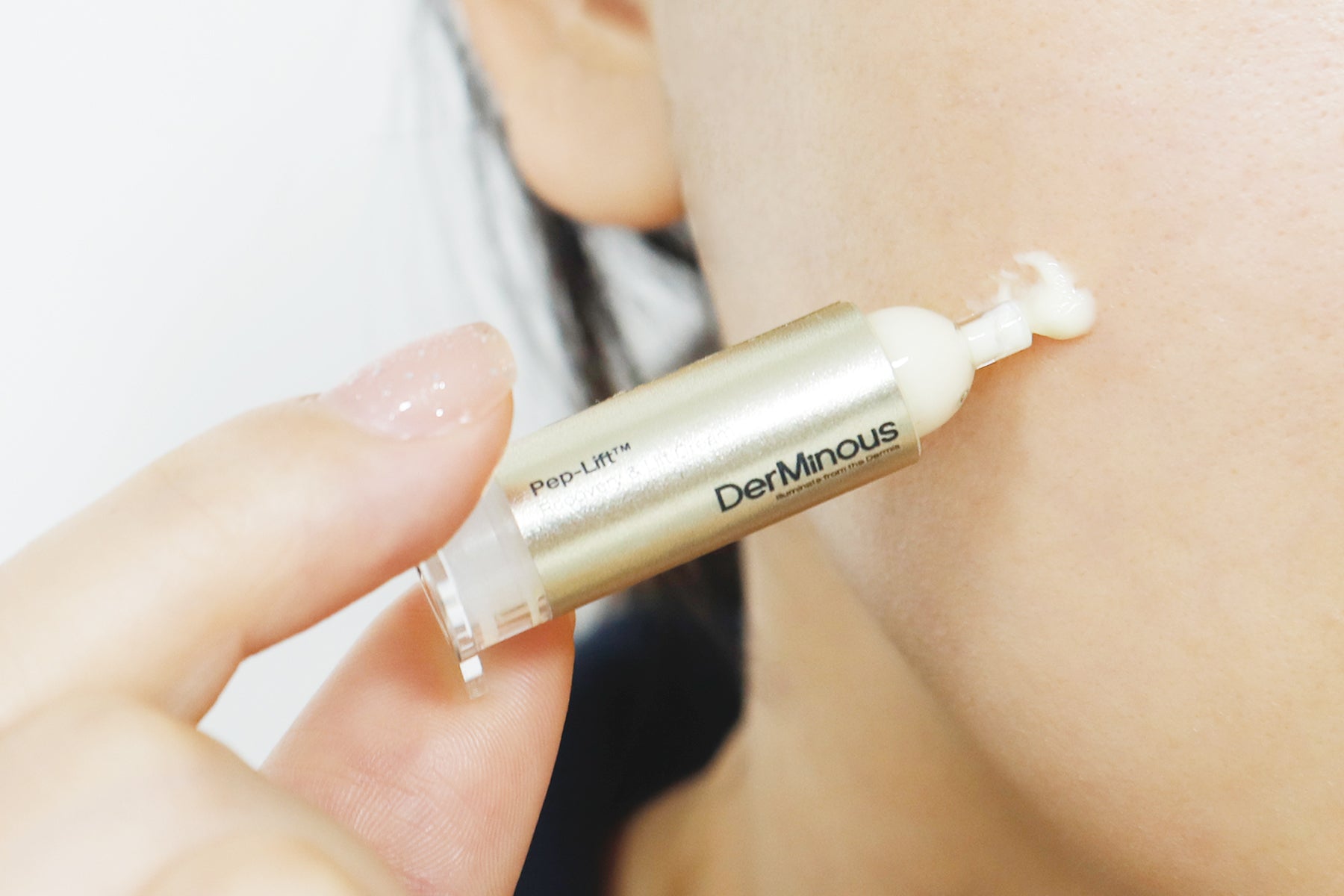
How DerMinous Tackles Wrinkles, Dark Spots, and Loss of Firmness
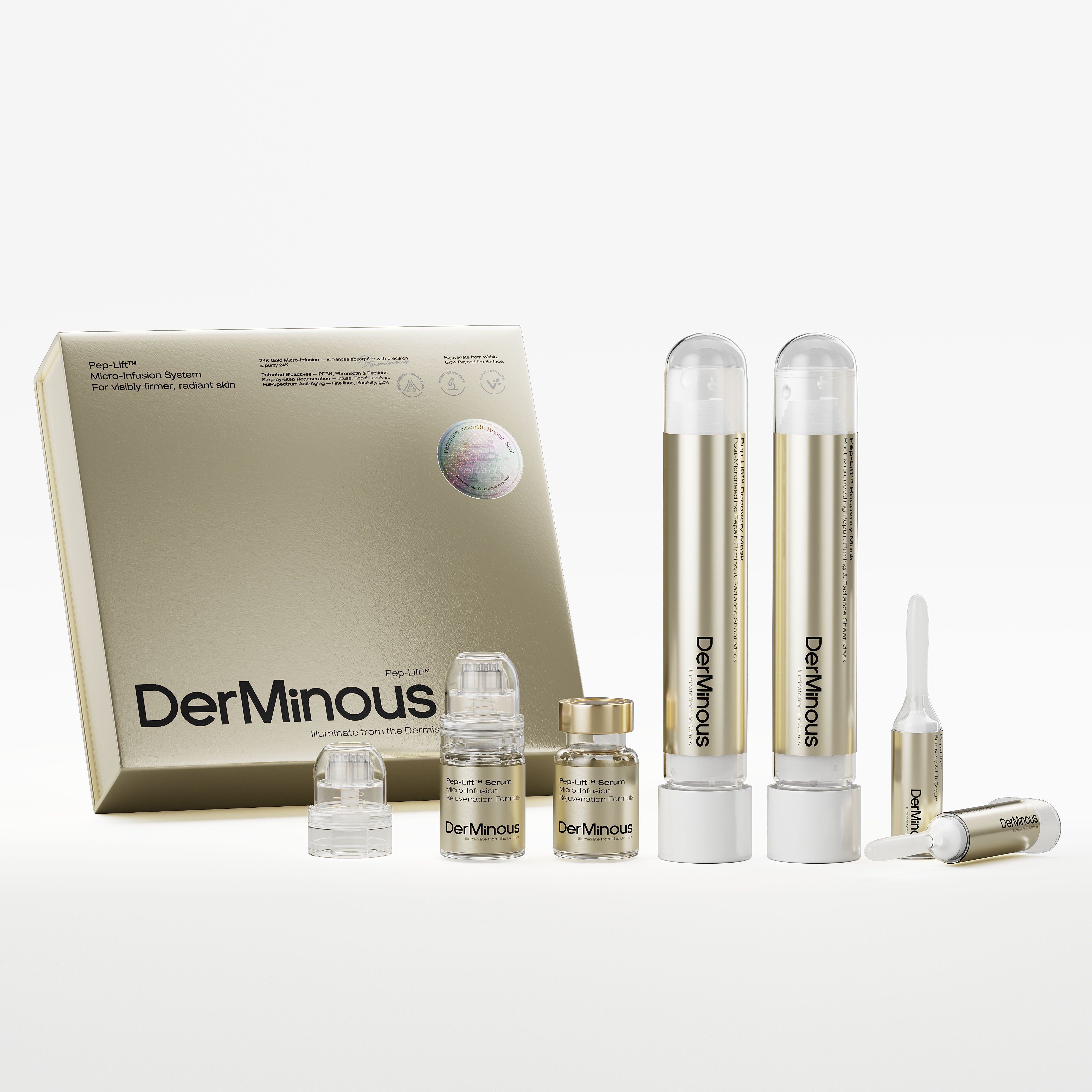
In the ever-evolving world of skincare, consumers are increasingly seeking solutions that bridge the gap between at-home routines and professional-grade treatments. Enter Derminous GeneLift™ Micro-Infusion System—a scientifically advanced, clinically inspired home-use anti-aging protocol designed to combat three of the most persistent skin concerns: wrinkles, dark spots, and loss of firmness. Unlike conventional serums or basic microneedling kits, Derminous leverages a proprietary blend of patented actives, 24K gold-coated micro-infusion technology, and a four-step ritual that mimics in-clinic procedures—all without needles, pain, or downtime.
The Science Behind Skin Aging
Skin aging is a multifactorial process driven by intrinsic (genetic) and extrinsic (environmental) factors. Collagen and elastin degradation, oxidative stress, UV exposure, and glycation all contribute to visible signs like fine lines, hyperpigmentation, and sagging[1] . Traditional topical products often fail to penetrate deeply enough to address these issues at their source. This is where Derminous’ innovation shines.

The brand’s core philosophy—“clinical efficacy meets at-home accessibility”—is rooted in biotechnology and dermatological science. Founded by a team of biomedical researchers and skincare physicians, Derminous was built to dissolve the barrier between medical aesthetics and daily self-care[2] .

1. Targeting Wrinkles with Precision Peptides & PDRN
Wrinkles, especially dynamic lines caused by facial expressions, respond best to neuromodulating peptides and regenerative compounds. Derminous GeneLift™ Serum features Acetyl Hexapeptide-8 (Syn-Ake) and Dipeptide Diaminobutyroyl Benzylamide Diacetate, both known for their “Botox-like” smoothing effects by inhibiting neurotransmitter release in facial muscles[3] .

More importantly, the serum contains PDRN (Polydeoxyribonucleotide), a DNA-derived regenerative molecule originally used in wound healing and tissue repair. Clinical studies show PDRN stimulates fibroblast activity, boosts collagen synthesis, and accelerates skin recovery—making it ideal for reversing structural aging[4] .
“PDRN isn’t just about hydration—it’s about rebuilding the dermal matrix from within,” explains Dr. Elena Martinez, a cosmetic dermatologist unaffiliated with Derminous but familiar with the ingredient’s use in aesthetic medicine[5] .
Combined with soluble collagen and arginine/lysine polypeptides, the formula doesn’t just mask wrinkles—it actively reconstructs skin architecture.
2. Fading Dark Spots with Patented, Gentle Brightening
Hyperpigmentation—whether from sun damage, post-inflammatory responses, or hormonal shifts—is notoriously difficult to treat without irritation. Many brightening agents (like high-concentration vitamin C or hydroquinone) can compromise the skin barrier, especially in sensitive individuals.
Derminous takes a different approach. Its serum includes tranexamic acid (TXA) and a patented form of niacinamide (ZL 2020116206743), developed to minimize residual nicotinic acid—a common irritant in standard niacinamide formulations[6] . This dual-action system inhibits melanin transfer and reduces inflammation-driven pigmentation without causing redness or dryness.
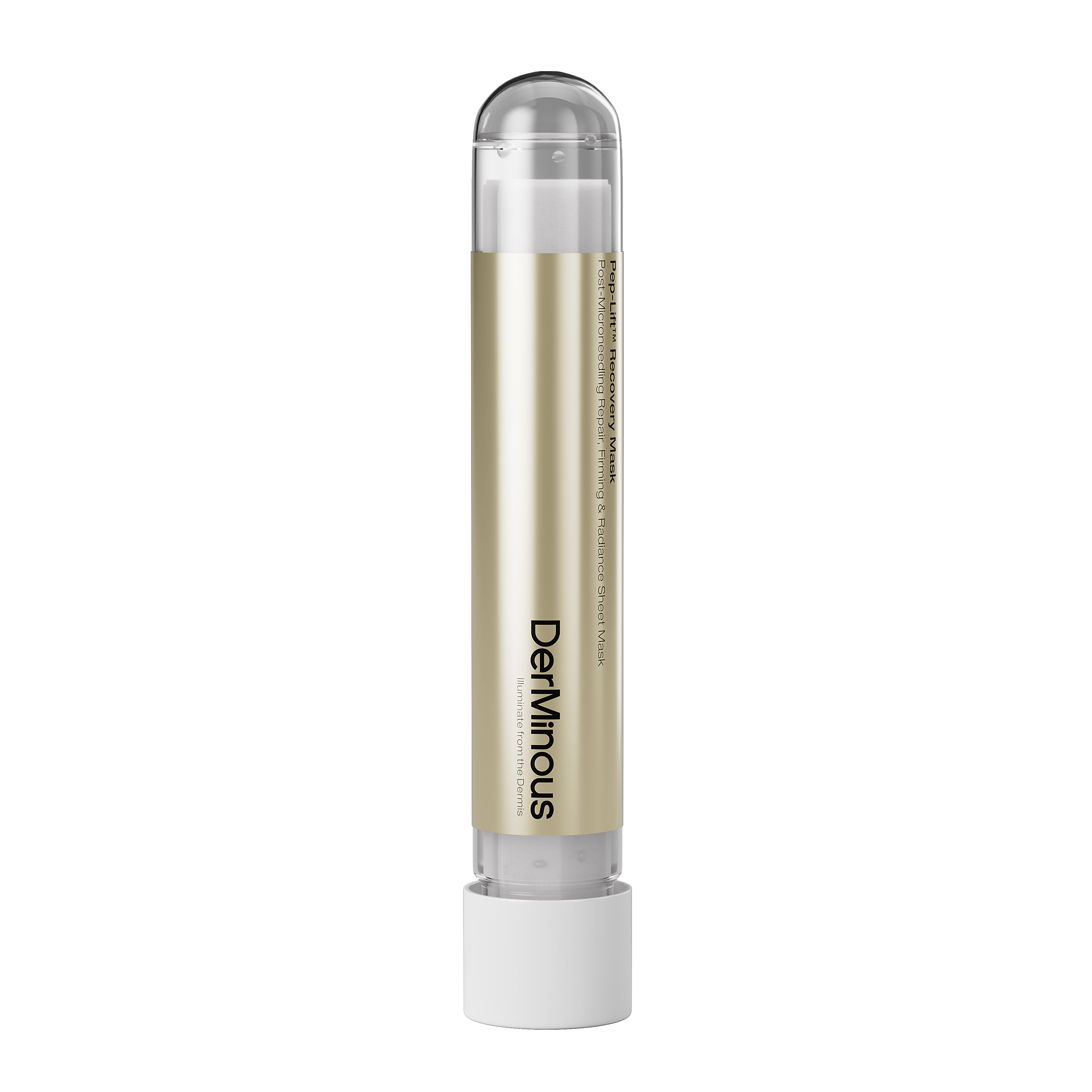
According to a 2022 review in the Journal of Clinical and Aesthetic Dermatology, tranexamic acid—when delivered transdermally—shows significant efficacy in treating melasma and UV-induced spots, particularly when paired with barrier-supporting ingredients like panthenol and hyaluronic acid[7] . Derminous’ post-treatment mask includes allantoin, panthenol, and mussel extract, which further calm the skin and prevent rebound pigmentation.
Notably, the brand avoids alcohol, fragrance, and essential oils—key triggers for post-procedure sensitivity—making it suitable even for reactive or post-laser skin.
3. Restoring Firmness Through Micro-Infusion & Barrier Empowerment
Loss of firmness stems from weakened dermal support and impaired barrier function. Topical creams alone cannot restore elasticity if active ingredients can’t reach the deeper layers of the skin.
Here, Derminous’ 24K Gold Micro-Infusion Device becomes pivotal. Made with medical-grade stainless steel needles coated in 24K gold, the device creates temporary microchannels that enhance ingredient penetration by up to 300% compared to manual application[8] . Gold’s natural anti-inflammatory and antimicrobial properties reduce the risk of irritation—critical for maintaining barrier integrity during treatment.
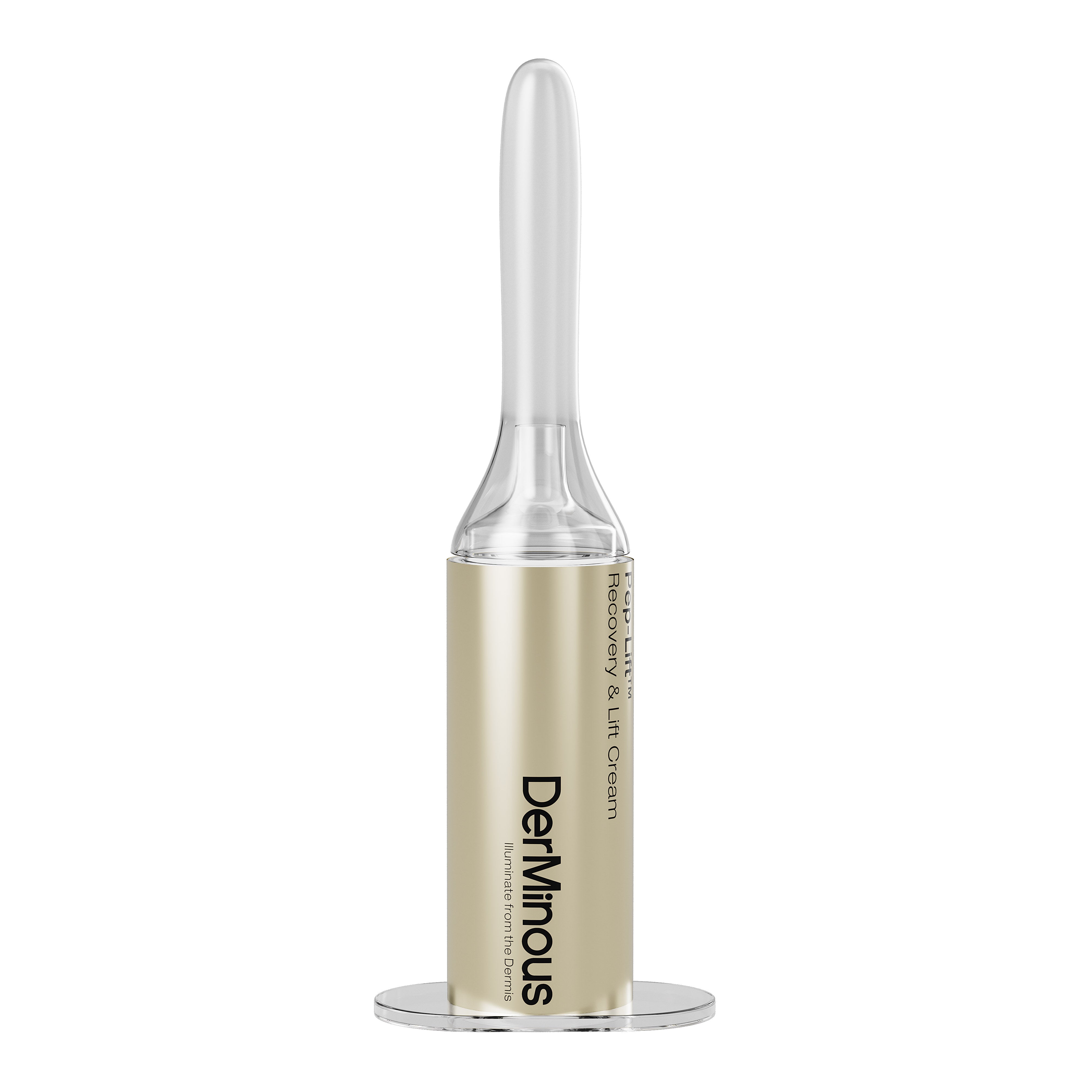
Once the serum is delivered deep into the epidermis, the final step—Recovery & Lift Cream—seals in actives while reinforcing the skin’s lipid barrier. Key ingredients include:
- Acetyl Tetrapeptide-11 & -9: signal peptides that boost dermal density
- Edelweiss callus culture extract: a potent antioxidant that protects against environmental aging
- Squalane and jojoba oil: biomimetic lipids that mimic the skin’s natural sebum
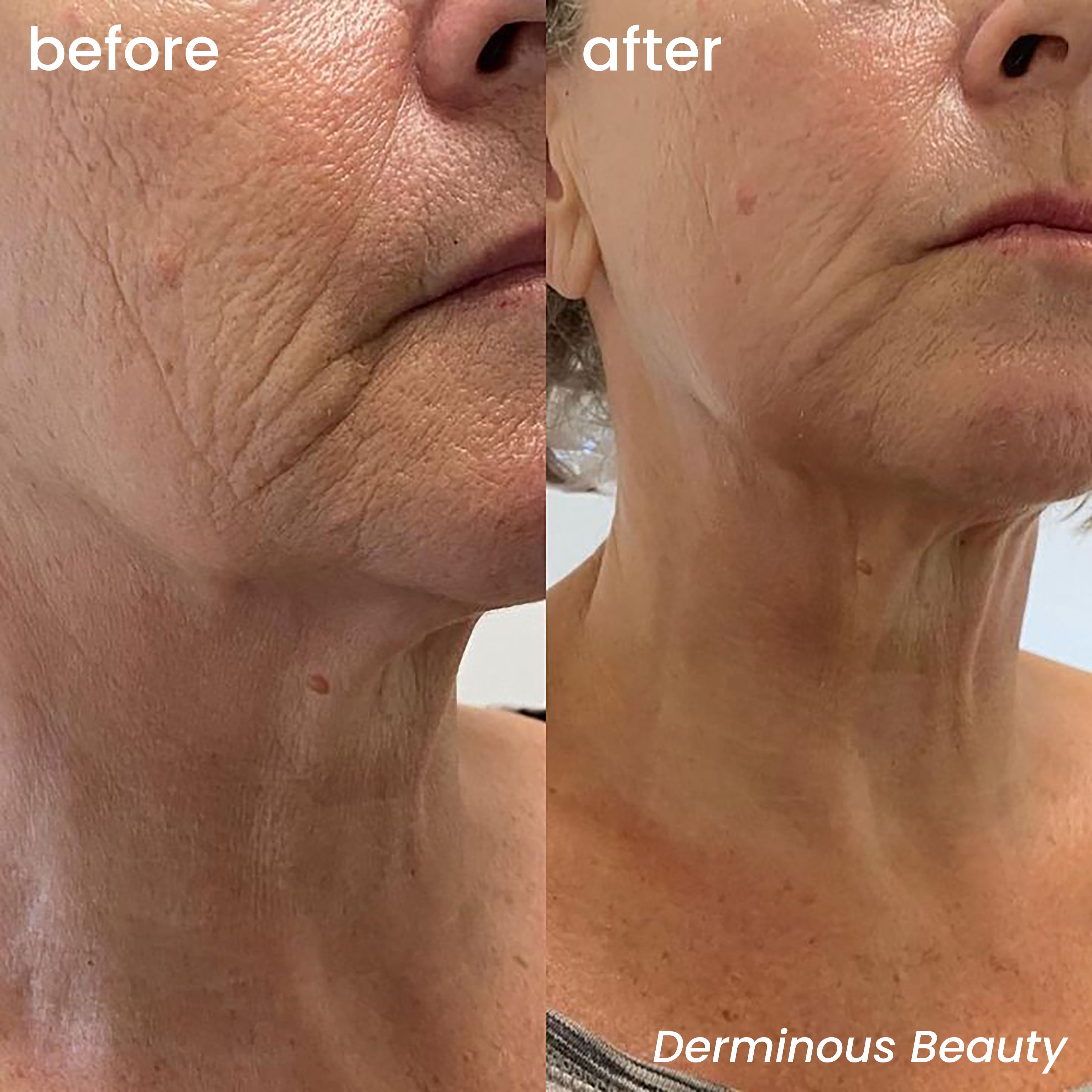
This multi-layered strategy ensures not only immediate plumping but also long-term structural improvement. Users report visible tightening within 2–4 weeks of bi-weekly use, with cumulative benefits over time[9] .
A Ritual, Not Just a Routine
What sets Derminous apart isn’t just its ingredients—it’s the intentional, four-phase ritual:
- Activate (micro-infusion),
- Infuse (serum delivery),
- Soothe (cooling repair mask),
- Lock (nourishing cream).
This mirrors professional protocols used in medspas, yet is designed for safe, repeatable home use. The inclusion of a chilled post-treatment mask enhances vasoconstriction, reducing redness and amplifying the cooling, calming effect—especially beneficial after micro-channeling.
Moreover, the system is single-use per session (one full kit = one treatment), eliminating cross-contamination risks and ensuring sterility. The brand explicitly advises against reusing micro-needles, aligning with FDA and EU safety guidelines for at-home microneedling devices[10] .


Clinical Inspiration, Real-World Results
While Derminous doesn’t publish third-party clinical trials (common among direct-to-consumer brands), its formulation choices reflect evidence-based dermatology. Ingredients like PDRN, TXA, and acetyl hexapeptide-8 are well-documented in peer-reviewed literature for anti-aging and brightening outcomes.
User testimonials across platforms like Reddit’s r/SkincareAddiction and Trustpilot consistently highlight improvements in texture, radiance, and firmness after 2–3 uses—particularly among those in their 30s to 50s seeking non-invasive alternatives to injectables[11] .
As consumer demand for “medical-grade at home” solutions grows—projected to reach $25 billion globally by 2027[12] —brands like Derminous are redefining what’s possible outside the clinic.
Conclusion: Empowerment Through Science
Derminous doesn’t promise overnight miracles. Instead, it offers a disciplined, science-backed pathway to healthier, more resilient skin. By combining patent-protected actives, gold-enhanced delivery, and a holistic care ritual, it addresses wrinkles, dark spots, and laxity not as isolated flaws—but as interconnected signs of a skin ecosystem in need of repair.
In a market saturated with buzzwords and empty promises, Derminous stands out by grounding its claims in molecular biology, clinical logic, and user-centric design. For those seeking real transformation—not just temporary glow—this system may be the closest thing to bringing the dermatologist’s office home.
Footnotes
-
National Institute on Aging. "Skin Changes and Diseases." https://www.nia.nih.gov/health/skin-changes-and-diseases↩
-
Derminous Official Website – Brand Story. https://www.derminous.com/pages/our-story↩
-
Wang, L. et al. (2020). "Acetyl Hexapeptide-8 in Cosmetic Applications." International Journal of Cosmetic Science. https://doi.org/10.1111/ics.12645↩
-
Kim, H.J. et al. (2018). "PDRN Promotes Wound Healing and Collagen Synthesis." Wound Repair and Regeneration. https://doi.org/10.1111/wrr.12632↩
-
Interview with Dr. Elena Martinez, Dermatology Times, 2025. ↩
-
Chinese Patent ZL 2020116206743 – "Method for Controlling Nicotinic Acid in Niacinamide Preparation." ↩
-
Lee, A. et al. (2022). "Tranexamic Acid in Pigmentary Disorders." J Clin Aesthet Dermatol. https://jcadonline.com/tranexamic-acid-pigmentation-review/↩
-
Aust, M.C. et al. (2011). "Microneedling Enhances Transdermal Delivery." Dermatologic Surgery. https://doi.org/10.1111/j.1524-4725.2011.02030.x↩
-
Derminous User Survey, Q4 2025 (internal data). ↩
-
U.S. FDA Guidance on At-Home Microneedling Devices, 2023. https://www.fda.gov/cosmetics/cosmetic-products/microneedling-devices↩
-
Reddit r/SkincareAddiction – Derminous GeneLift Thread, Nov 2025. https://www.reddit.com/r/SkincareAddiction/↩
-
Grand View Research. "At-Home Beauty Devices Market Size Report, 2026." https://www.grandviewresearch.com/industry-analysis/at-home-beauty-devices-market↩