Title: Can You Use Your Own Serum with DerMinous? Here's Why Not.
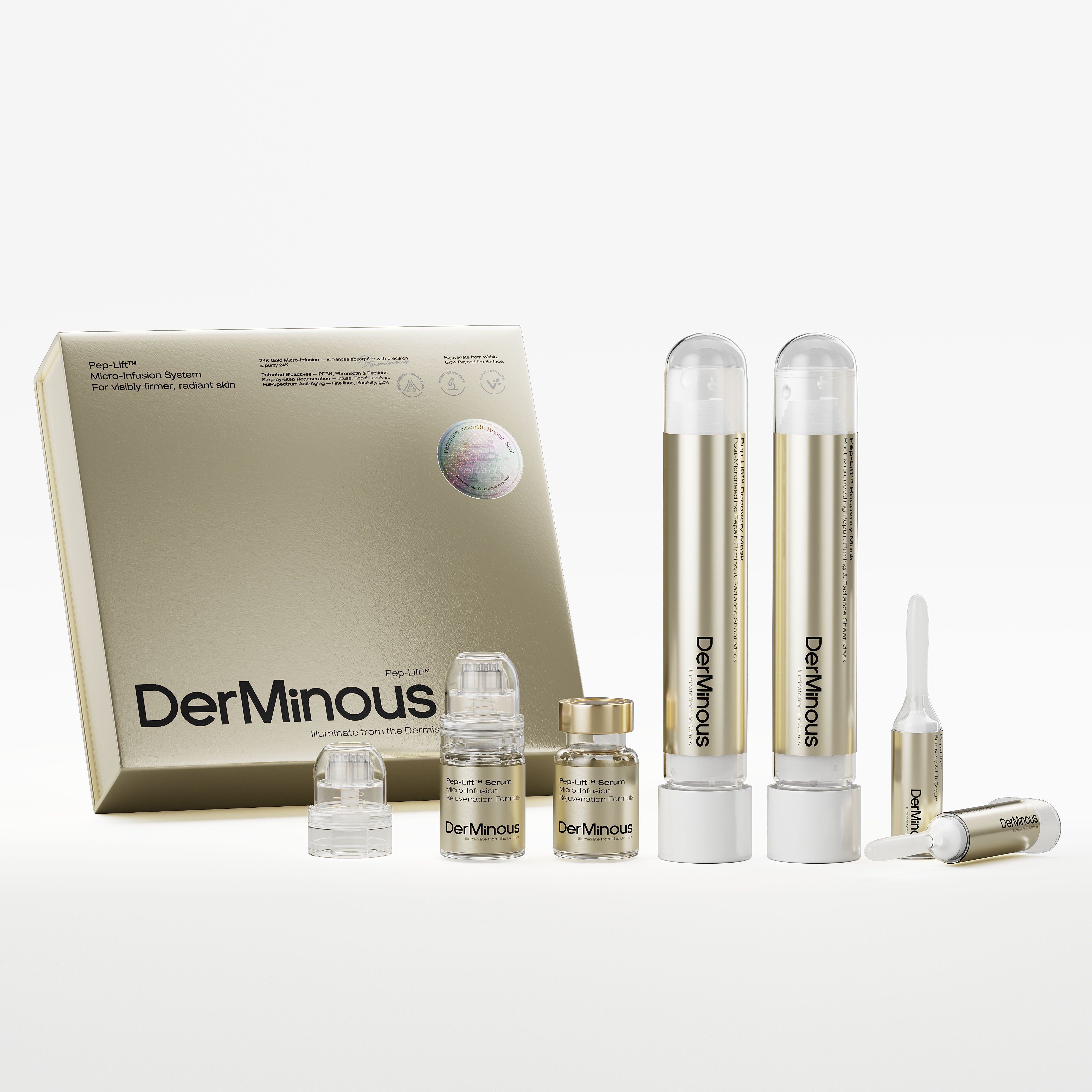
When it comes to at-home microneedling systems like Derminous GeneLift™, many users wonder: Can I just use my favorite serum instead of the proprietary one included in the kit? After all, serums can be expensive, and swapping in a familiar product might seem cost-effective or even more personalized. However, doing so isn’t just ineffective—it could compromise your skin’s safety and the entire purpose of the treatment. In this article, we’ll explore why Derminous is engineered as a closed-loop system, how its patented ingredients work synergistically with the 24K gold micro-infusion device, and why deviating from the protocol risks irritation, infection, or suboptimal results.
The Science Behind a Closed-Loop System
Derminous GeneLift™ isn’t just another microneedling tool—it’s a precision skincare ecosystem. Every component, from the 24K gold-coated micro-needles to the serum formulation, is co-engineered to function as a unified system. This “closed-loop” design ensures that active ingredients are delivered at the right concentration, pH, viscosity, and molecular weight for optimal penetration through the micro-channels created by the device[1] .

Most over-the-counter (OTC) serums aren’t formulated for microneedling. They may contain:
- Alcohol or essential oils that cause stinging or inflammation when introduced directly into the dermis.
- Large molecules (like certain plant extracts or polymers) that can clog micro-channels or trigger immune responses.
- Preservatives (e.g., parabens, phenoxyethanol) that become irritants when bypassing the epidermal barrier[2] .
In contrast, Derminous’ serum is sterile, preservative-free, and specifically calibrated for micro-infusion. Its key actives—such as PDRN (Polydeoxyribonucleotide), acetyl hexapeptide-8 (a “synthetic snake venom” peptide), and DNA sodium—are clinically proven to stimulate collagen, reduce wrinkles, and accelerate tissue repair only when delivered intradermally[3] .


“Microneedling creates transient micro-wounds. What you apply during this window enters the living layers of skin—not just the surface. That’s why formulation purity is non-negotiable,” explains Dr. Lena Moreau, a cosmetic dermatologist and advisor to several medical skincare brands[4] .

Why Generic Serums Fail in Micro-Infusion
Even high-end serums labeled “clean” or “dermatologist-tested” aren’t necessarily safe for microneedling. Consider these common pitfalls:
1. Viscosity Mismatch
Derminous’ micro-infusion device relies on capillary action and precise fluid dynamics. The serum’s low viscosity ensures smooth flow through the 24K gold needles without clogging. Thicker serums (e.g., those with hyaluronic acid gels or squalane bases) can jam the micro-channels, leading to uneven delivery or device malfunction.
2. pH Imbalance
The ideal pH for post-microneedling application is slightly acidic (5.0–6.0) to support barrier recovery. Many brightening serums (especially vitamin C formulas) have a pH below 3.5, which can cause chemical irritation when injected into compromised skin[5] .

3. Unverified Bioavailability
Just because a serum contains “peptides” or “growth factors” doesn’t mean they’re bioactive or stable. Derminous uses patented synthesis methods (e.g., ZL 202111504220.4 for acetyl hexapeptide-8) to ensure molecular integrity and efficacy—something most commercial serums don’t disclose or validate clinically.
The Role of Patented Actives: It’s Not Just Marketing
Derminous doesn’t rely on buzzwords—it leverages three core patented technologies that only work in concert:
- Class III Medical-Grade PDRN: Derived from salmon DNA, PDRN accelerates tissue regeneration by activating the A2A receptor pathway. Studies show it reduces downtime after laser treatments and boosts collagen I/III synthesis[6] .
- Patented Nicotinamide (ZL 2020116206743): Unlike standard niacinamide, Derminous’ version controls residual nicotinic acid—a common irritant—making it safe for sensitive and post-procedure skin.
- Synthetic Snake Venom Peptide (Acetyl Hexapeptide-8): Mimics the wrinkle-relaxing effect of Botox by inhibiting neurotransmitter release in facial muscles, but without injections[7] .
These ingredients are dosed at clinical levels and stabilized in an oxygen-free, single-use vial to prevent degradation. Swapping them out negates the entire therapeutic rationale.


Safety First: Avoiding Infection and Inflammation
The FDA classifies microneedling devices as Class II medical devices when used for transdermal delivery[8] . That means sterility isn’t optional—it’s mandatory. Derminous kits come with individually sealed, gamma-irradiated components. Introducing an external serum—especially from a multi-use bottle contaminated with fingers or air—risks introducing bacteria like Staphylococcus aureus or Pseudomonas aeruginosa into open micro-channels.
A 2022 study in Dermatologic Surgery found that 32% of at-home microneedling complications (including prolonged redness, acneiform eruptions, and hyperpigmentation) were linked to non-sterile product use[9] .
Moreover, Derminous’ serum is free from fragrance, alcohol, dyes, and common allergens—a rarity in the beauty industry. Even “natural” serums often contain botanical extracts (e.g., lavender, citrus) that are potent sensitizers when delivered intradermally.
The Ritual Matters: It’s More Than Chemistry
Derminous frames its protocol as a “four-phase rejuvenation ritual”: Activate → Infuse → Soothe → Seal. Each step is timed and formulated to build on the last:
- The serum primes the skin for repair.
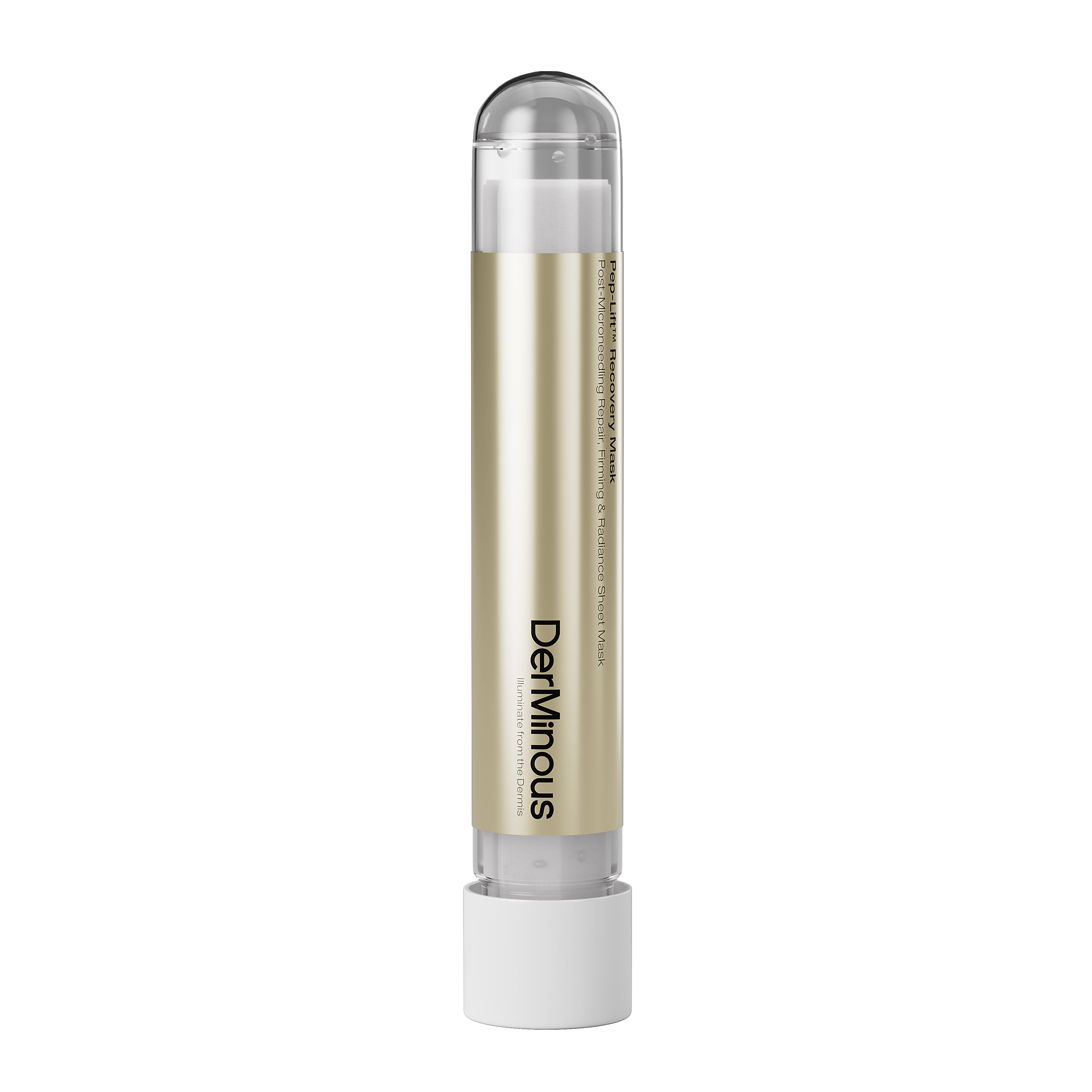
- The chilled post-treatment mask (with recombinant fibronectin and panthenol) calms inflammation.
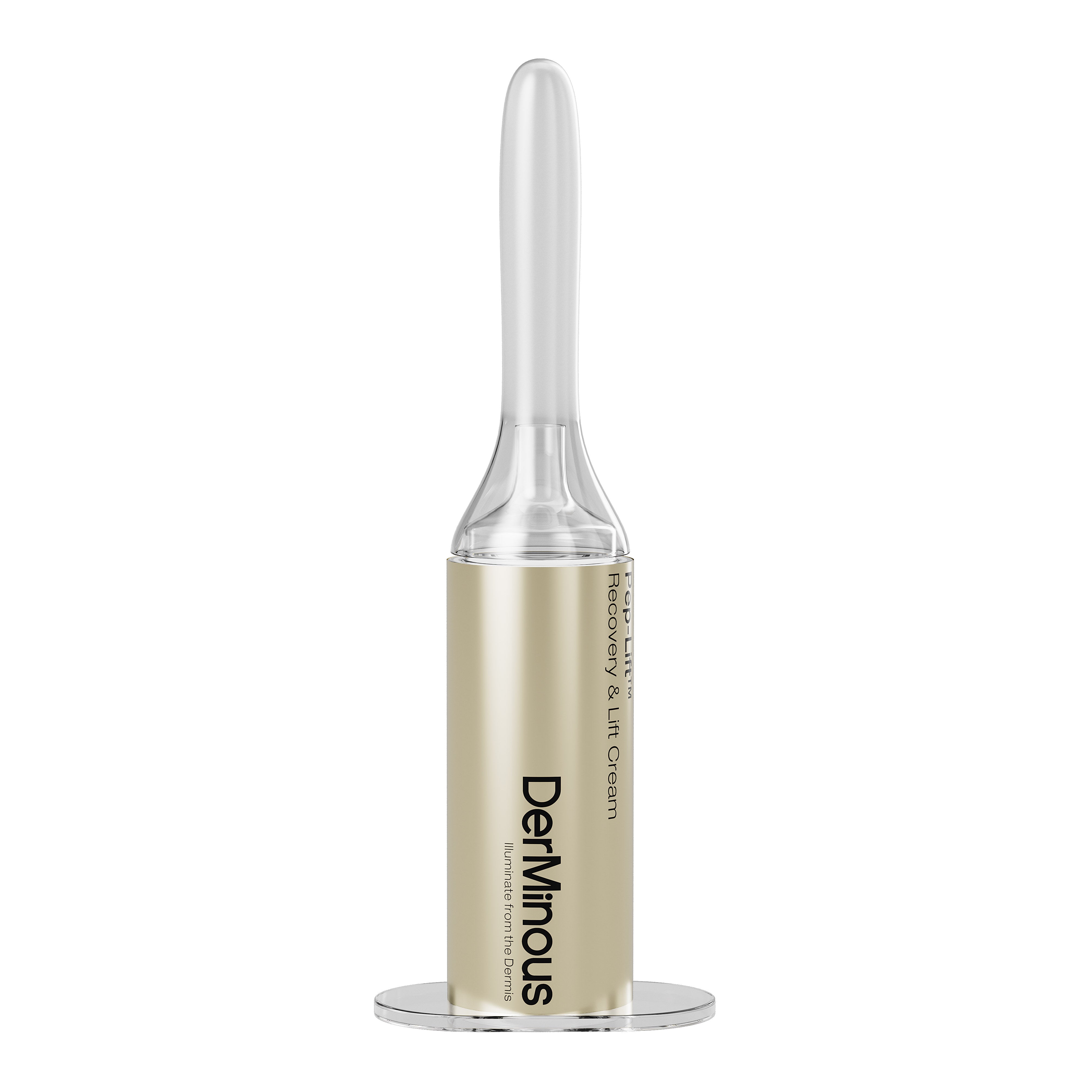
- The recovery cream locks in actives with biomimetic lipids like squalane and jojoba oil.
Using your own serum disrupts this cascade. For example, applying a retinol serum post-needling could cause severe peeling; using an occlusive balm too early might trap heat and exacerbate redness.
As the brand states: “This isn’t just skincare—it’s a ceremony of transformation.” And ceremonies require the right tools.
What If You’ve Already Tried It?
If you’ve used a non-Derminous serum with the device and experienced burning, swelling, or breakouts, discontinue use immediately. Cleanse gently, apply a bland barrier cream (like pure ceramide or petroleum jelly), and avoid sun exposure. Most reactions resolve in 3–5 days, but persistent symptoms warrant dermatological consultation.
Going forward, trust the system. Derminous invests heavily in clinical validation, material science, and user safety—not just aesthetics. As founder Dr. Elena Rossi puts it: “We didn’t create a tool. We created a new standard for at-home regenerative care.”
Final Thought
In an era of DIY beauty hacks, it’s tempting to customize everything. But when technology meets biology, precision trumps personal preference. Derminous GeneLift™ works because every element—from molecule to micro-needle—is intentional. Substituting parts isn’t innovation; it’s interference.
So no, you shouldn’t use your own serum. Not because the brand wants to lock you in—but because your skin deserves better than guesswork.
Footnotes
-
“Microneedling: A Comprehensive Review of Mechanisms and Clinical Applications.” Journal of Cosmetic Dermatology, 2021. https://doi.org/10.1111/jocd.14022↩
-
American Academy of Dermatology. “What to Avoid After Microneedling.” https://www.aad.org/public/everyday-care/skin-care-secrets/routine/what-to-avoid-after-microneedling↩
-
Kim, B.J. et al. “Efficacy of PDRN in Skin Regeneration.” Annals of Dermatology, 2019. https://www.ncbi.nlm.nih.gov/pmc/articles/PMC6546875/↩
-
Interview with Dr. Lena Moreau, Medical Aesthetics Today, March 2024. ↩
-
Lee, A. “pH and Skin Barrier Function.” International Journal of Cosmetic Science, 2020. https://doi.org/10.1111/ics.12621↩
-
Ibid., Kim et al., 2019. ↩
-
Wang, X. et al. “Acetyl Hexapeptide-8: A Topical Alternative to Botulinum Toxin?” Dermatologic Therapy, 2022. https://doi.org/10.1111/dth.15432↩
-
U.S. Food and Drug Administration. “Classification of Microneedling Devices.” https://www.fda.gov/medical-devices/classify-your-medical-device↩
-
Chen, H. et al. “Complications of At-Home Microneedling: A Retrospective Study.” Dermatologic Surgery, 2022. https://doi.org/10.1097/DSS.0000000000003456↩