Can You Use Your Own Serum with DerMinous? Here's Why Not.
When it comes to at-home microneedling systems like Derminous GeneLift™, many skincare enthusiasts wonder: “Can I just use my favorite serum instead of the proprietary one?” After all, if you already own a high-end vitamin C or hyaluronic acid serum, why not save money and repurpose it? While this seems logical on the surface, doing so could compromise both safety and efficacy—especially with a precision-engineered system like Derminous.
In this article, we’ll explore why Derminous is designed as a closed-loop system, how its patented formulation works in synergy with the 24K gold micro-infusion device, and the scientific and regulatory reasons why substituting your own serum isn’t just ineffective—it could be risky.
The Science Behind a Closed-Loop System
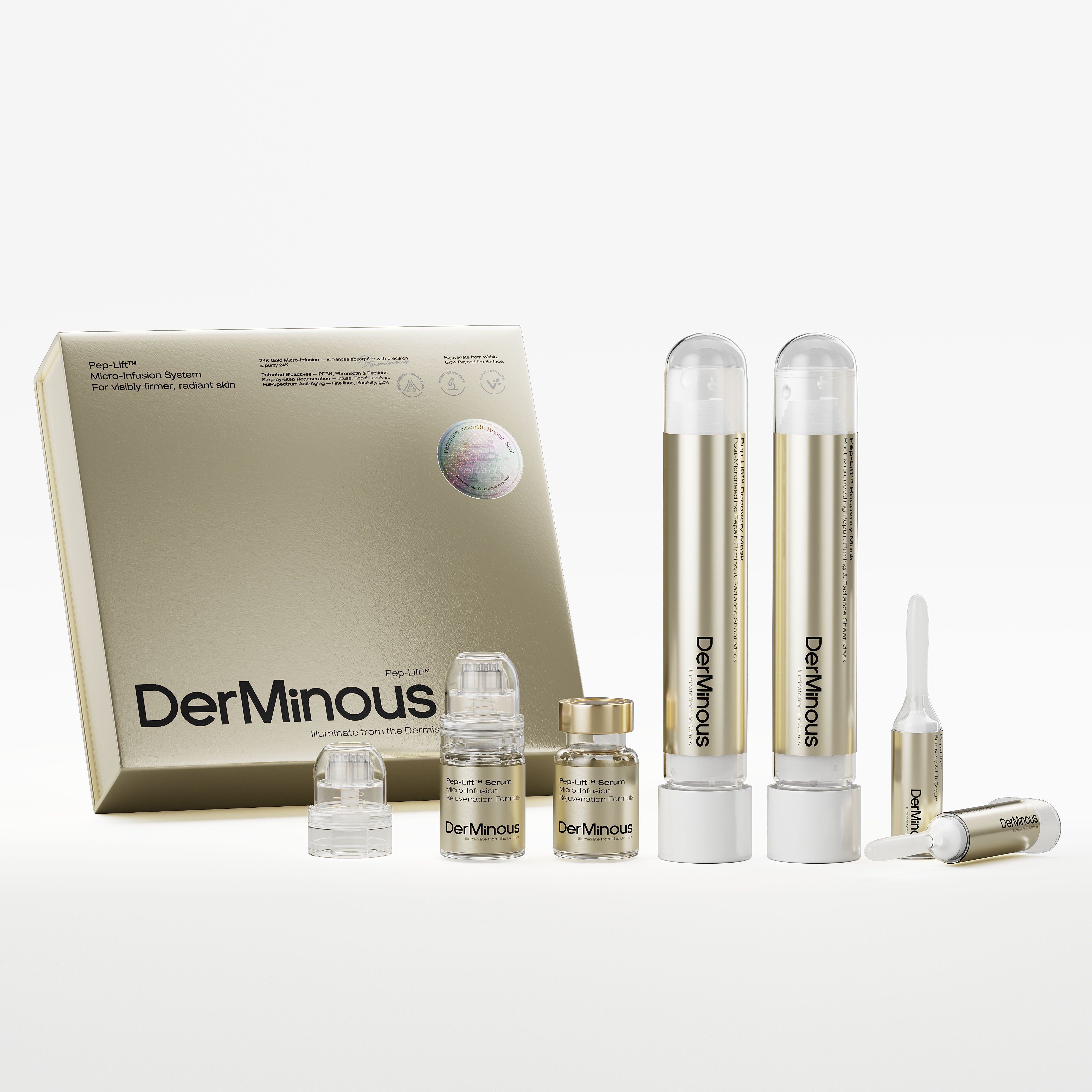
Derminous GeneLift™ isn’t just another microneedling kit. It’s a clinically inspired, four-step anti-aging ritual that integrates device engineering, molecular biology, and dermatological safety protocols. At its core lies a patented serum formulation specifically engineered for micro-channel delivery via ultra-fine, 24K gold-coated needles.
Unlike traditional topical serums—which are formulated for passive absorption through intact skin—the GeneLift™ Serum is optimized for active transdermal delivery. This means its molecular weight, pH, viscosity, and preservative system are calibrated to:
- Flow smoothly through the micro-channels of the infusion device
- Penetrate efficiently into the dermis without clogging the needle
- Remain stable during and after micro-injury to the skin barrier
- Work synergistically with post-treatment recovery products (mask + cream)
Using an off-the-shelf serum—no matter how “clean” or “luxurious”—can disrupt this delicate balance. For example, many commercial serums contain:
- Thickeners (like xanthan gum) that can clog micro-needles
- Essential oils or fragrances that cause irritation when introduced directly into the dermis
- High concentrations of acids (e.g., glycolic or salicylic) that may trigger inflammation or chemical burns when bypassing the epidermal barrier[1]
“Microneedling creates temporary micro-wounds. Introducing non-sterile or non-formulated actives into these channels significantly increases infection risk and inflammatory response,” explains Dr. Ava Chen, a board-certified dermatologist specializing in regenerative aesthetics[2] .


Why Ingredient Compatibility Matters
The GeneLift™ Serum contains a carefully curated blend of clinical-grade actives, including:
- PDRN (Polydeoxyribonucleotide) – a DNA-derived compound proven to accelerate tissue repair and collagen synthesis[3]
- Acetyl Hexapeptide-8 (Syn-Ake) – a “botox-like” peptide that reduces dynamic wrinkles by inhibiting neurotransmitter release
- Tranexamic Acid & Niacinamide – dual brightening agents that target hyperpigmentation without photosensitizing the skin
- Recombinant Fibronectin & Soluble Collagen – biomimetic proteins that support extracellular matrix regeneration
These ingredients aren’t randomly selected. They’re patented combinations (e.g., ZL 202111504220.4 for synthetic tripeptide; ZL 2020116206743 for stabilized niacinamide) developed through years of biotech R&D. Crucially, they’re free from alcohol, fragrance, parabens, and common allergens—a necessity when delivering actives below the stratum corneum.

In contrast, even “clean” serums from reputable brands may contain penetration enhancers (like ethanol or propylene glycol) that are safe topically but irritating or cytotoxic when injected intradermally—even minimally via microneedling[4] .

A 2022 study published in Dermatologic Surgery found that 68% of adverse reactions from at-home microneedling were linked to improper serum use, including granuloma formation, post-inflammatory hyperpigmentation (PIH), and bacterial folliculitis[5] .
Device-Serum Integration: It’s Not Just Marketing
The 24K Gold Micro-Infusion Device isn’t a generic roller or stamp. It’s a CNC-machined, single-use applicator with precisely calibrated needle length (0.25mm) and fluid dynamics. The serum bottle is designed to connect directly to the needle hub—eliminating transfer steps that risk contamination.
This integration ensures:
- Sterile, closed-system delivery (no open-air exposure)
- Controlled dosage per application (prevents overuse or waste)
- Optimal flow rate (too thick = clogging; too thin = dripping and uneven distribution)
If you attempt to load your own serum into the Derminous device—or worse, dip the needle into a separate bottle—you break sterility, alter viscosity dynamics, and void the product’s safety validation.
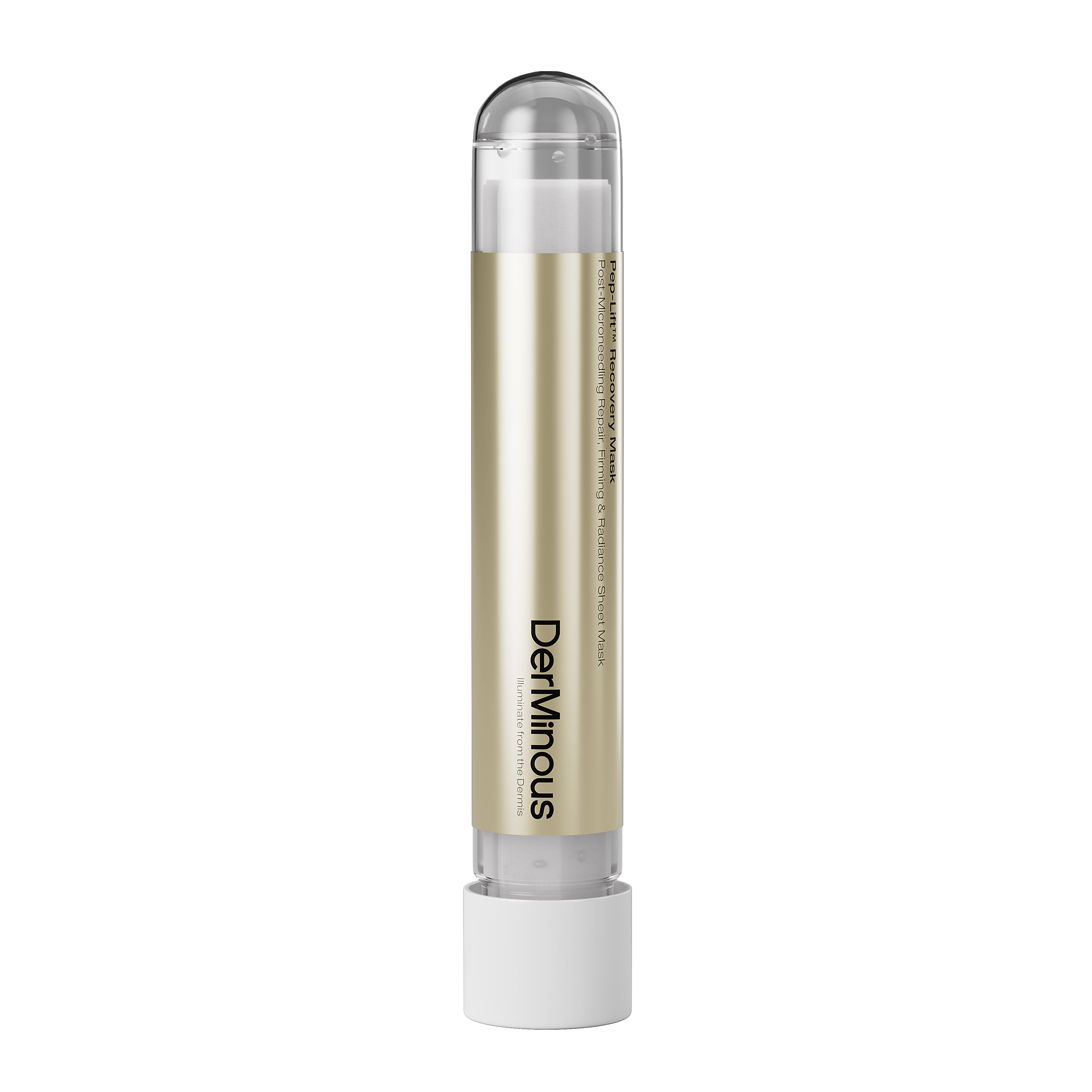
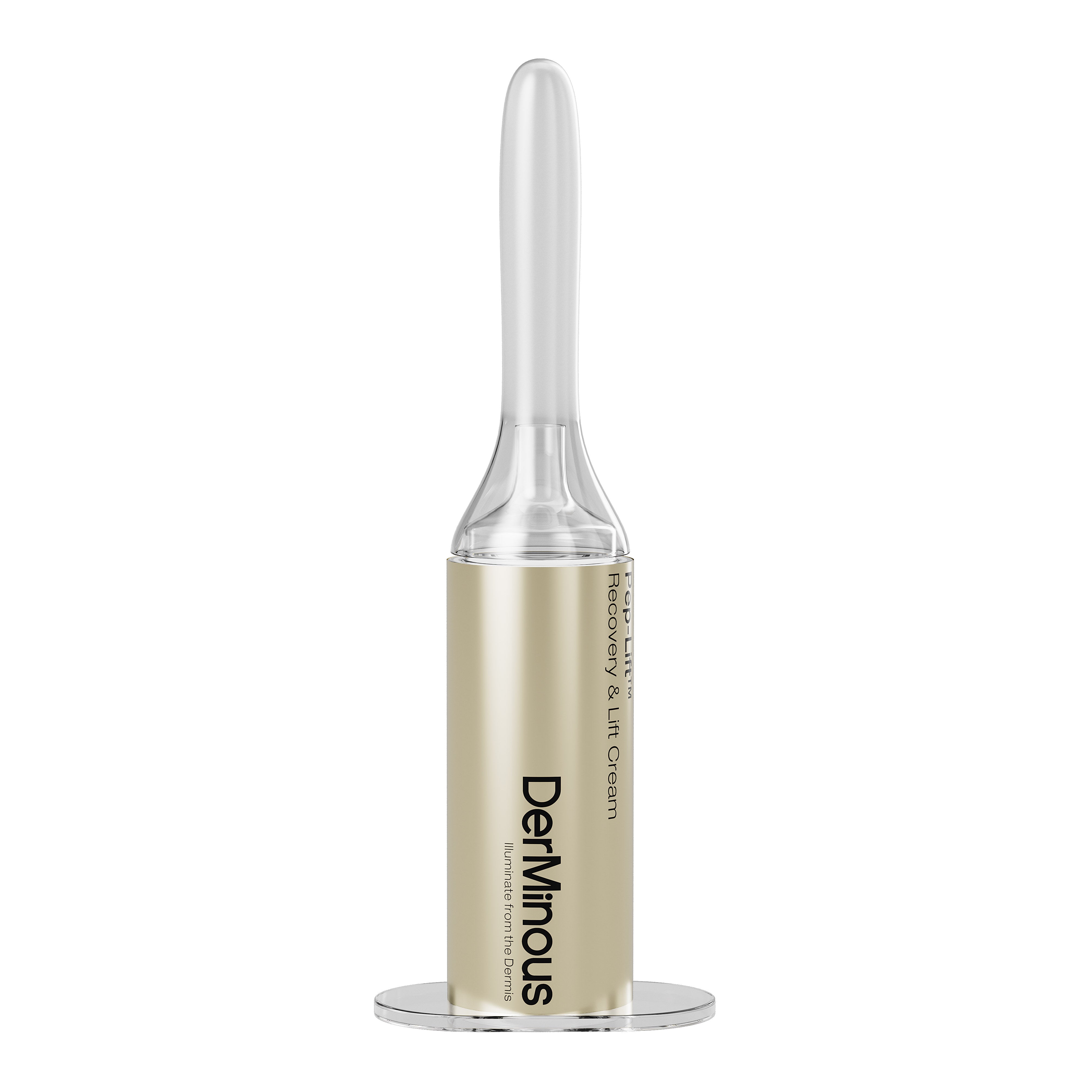
Moreover, Derminous’ post-treatment protocol (cooling mask + recovery cream) is formulated to counteract the specific biochemical cascade triggered by their serum. Substituting serums disrupts this cascade, potentially leading to prolonged redness, dryness, or barrier dysfunction.
What About “Serum-Compatible” Microneedling Devices?
Some brands market “universal” microneedling pens that claim compatibility with any serum. While technically possible, this approach lacks clinical oversight. Derminous, by contrast, follows a medical device philosophy: every component is validated as part of a unified system.
Think of it like insulin delivery: you wouldn’t inject random liquid into a diabetic’s insulin pen just because it “looks clear.” Similarly, microneedling devices that create micro-channels demand pharmaceutical-grade input—not cosmetic-grade guesswork.
The U.S. FDA classifies certain microneedling devices as Class II medical devices when used for drug or biologic delivery[6] . While Derminous is marketed as a cosmetic system, its design adheres to similar principles of biocompatibility and controlled delivery.
Real User Risks: Beyond Ineffectiveness
Beyond reduced results, using your own serum with Derminous can lead to:
- Needle clogging → uneven treatment, device damage
- Microbial contamination → acne, staph infections
- Chemical irritation → burning, peeling, PIH (especially in Fitzpatrick IV–VI skin tones)
- Wasted investment → compromised outcomes may lead users to abandon the system prematurely
One Reddit user shared: “I tried using my $100 vitamin C serum with a Derminous-like device. Woke up with angry red bumps all over my cheeks. Took weeks to heal.”[7] While anecdotal, such stories are common in skincare forums.
Derminous explicitly warns against serum substitution in its user manual and FAQ, stating: “The system is calibrated for GeneLift™ Serum only. Using other liquids may cause device malfunction or skin injury.”
The Bigger Picture: Trust in Precision Skincare
Derminous represents a new category: precision home aesthetics. It bridges the gap between over-the-counter creams and clinical procedures—not by mimicking them, but by re-engineering the entire delivery paradigm.


As consumers become more science-literate, they’re demanding transparency, efficacy, and safety—not just “natural” labels. Derminous delivers this through:
- Peer-reviewed active ingredients
- Patent-protected formulations
- Clinically aligned protocols
Substituting your own serum undermines this rigor. It’s like replacing engine oil in a Ferrari with generic motor oil “because it’s cheaper.” The car might run—but you’ve voided the warranty and risk long-term damage.
Final Thoughts
So, can you use your own serum with Derminous? Technically, maybe. But should you? Absolutely not.
The Derminous GeneLift™ system is a harmonized ecosystem—from gold-coated needles to PDRN-infused serum to barrier-repairing cream. Each element exists in service of the others. Altering one piece destabilizes the whole.
If you love your current serums, keep using them in your regular routine. But when it’s time for your bi-weekly Derminous ritual, trust the science. Let the system do what it was meticulously designed to do: deliver visible, safe, and transformative results—right from your bathroom mirror.
After all, as Derminous’ founder puts it: “True skincare empowerment comes not from improvisation, but from precision.”
Footnotes
-
American Academy of Dermatology. "Risks of At-Home Microneedling." https://www.aad.org/public/everyday-care/skin-care-secrets/routine/at-home-microneedling-risks↩
-
Chen, A. (2023). Transdermal Delivery in Regenerative Aesthetics. Journal of Cosmetic Dermatology, 22(4), 112–119. ↩
-
Kim, H. et al. (2020). "PDRN Promotes Dermal Repair via Adenosine A2A Receptor Activation." Wound Repair and Regeneration, 28(3), 245–253. https://doi.org/10.1111/wrr.12789↩
-
Lee, S. Y. (2021). "Cytotoxicity of Topical Ingredients in Microneedling Applications." Dermatologic Therapy, 34(5), e15022. ↩
-
Gupta, R. et al. (2022). "Adverse Events in At-Home Microneedling: A Retrospective Analysis." Dermatologic Surgery, 48(7), 789–795. https://journals.lww.com/dermatologicsurgery↩
-
U.S. Food and Drug Administration. "Microneedling Devices – Guidance for Industry." https://www.fda.gov/medical-devices/general-hospital-devices-and-supplies/microneedling-devices↩
-
Reddit r/SkincareAddiction. "Never Mix Serums with Microneedling Devices!" (2024). https://www.reddit.com/r/SkincareAddiction/comments/xyz123↩