A Beginner's Fear: Overcoming the Hesitation of Microneedling
For many skincare enthusiasts, the idea of microneedling at home sparks a mix of curiosity and dread. Images of needles pricking the skin—once reserved for clinical settings—can evoke anxiety, especially for first-timers. Yet, as at-home beauty technology advances, modern microneedling systems like Derminous GeneLift™ are redefining safety, efficacy, and user experience. This article explores the common fears surrounding microneedling, separates myth from reality, and explains how today’s clinically inspired, painless systems empower users to achieve professional-grade results—without stepping into a clinic.
The Myth of Pain: Why Modern Microneedling Isn’t What You Think
Historically, microneedling involved rolling devices with longer needles (0.5mm–2.0mm) that penetrated deeply to trigger collagen production—often causing discomfort, redness, and downtime¹. However, at-home microneedling has evolved dramatically. Systems like Derminous GeneLift™ use ultra-fine, 24K gold-plated micro-needles (typically under 0.3mm) that create transient microchannels without damaging the dermis². These channels enhance ingredient absorption by up to 300%³ while remaining virtually painless.
“The sensation is more like a gentle tapping than a prick,” says Dr. Lena Chen, a cosmetic dermatologist based in London. “When done correctly with sterile, short needles, home microneedling is safe even for sensitive skin.”⁴
Unlike aggressive clinical procedures, Derminous’ approach focuses on micro-infusion, not trauma. The goal isn’t to wound the skin but to temporarily open pathways for high-potency actives—like PDRN, peptides, and niacinamide—to reach deeper layers where they can stimulate repair.
Safety First: Addressing Infection and Irritation Concerns
One of the biggest fears is infection. After all, puncturing the skin—even minimally—creates entry points for bacteria. But reputable at-home systems prioritize sterility. Derminous GeneLift™ includes single-use, pre-sterilized 24K gold micro-infusion tips made from medical-grade stainless steel. Gold’s natural antimicrobial properties further reduce irritation risk⁵.
Moreover, the formula is free from alcohol, fragrance, and harsh preservatives, making it suitable for reactive or post-procedure skin. A patch test is still recommended for ultra-sensitive individuals, but clinical feedback shows minimal adverse reactions when instructions are followed⁶.
Crucially, never reuse microneedle tips. Reusing compromises sterility and dulls the needles, increasing drag and potential micro-tears. Derminous’ kit includes two complete sets per box—designed for two treatments (once every two weeks)—ensuring freshness and safety each time.
“Will It Really Work?” The Science Behind At-Home Efficacy
Skepticism about results is understandable. Can a home device rival a dermatologist’s treatment? While it won’t replace deep radiofrequency microneedling for severe laxity, consistent at-home micro-infusion delivers measurable improvements in texture, tone, and hydration.
Key ingredients in Derminous GeneLift™ are backed by research:
- PDRN (Polydeoxyribonucleotide): Derived from salmon DNA, PDRN accelerates tissue repair and boosts collagen synthesis⁷.
- Acetyl Hexapeptide-8 (“Syn-Ake”): Mimics botulinum effects by inhibiting neurotransmitter release, softening expression lines⁸.
- Niacinamide (Vitamin B3): Reduces pigmentation, strengthens the barrier, and regulates sebum—especially effective in Derminous’ patented low-acid formulation⁹.
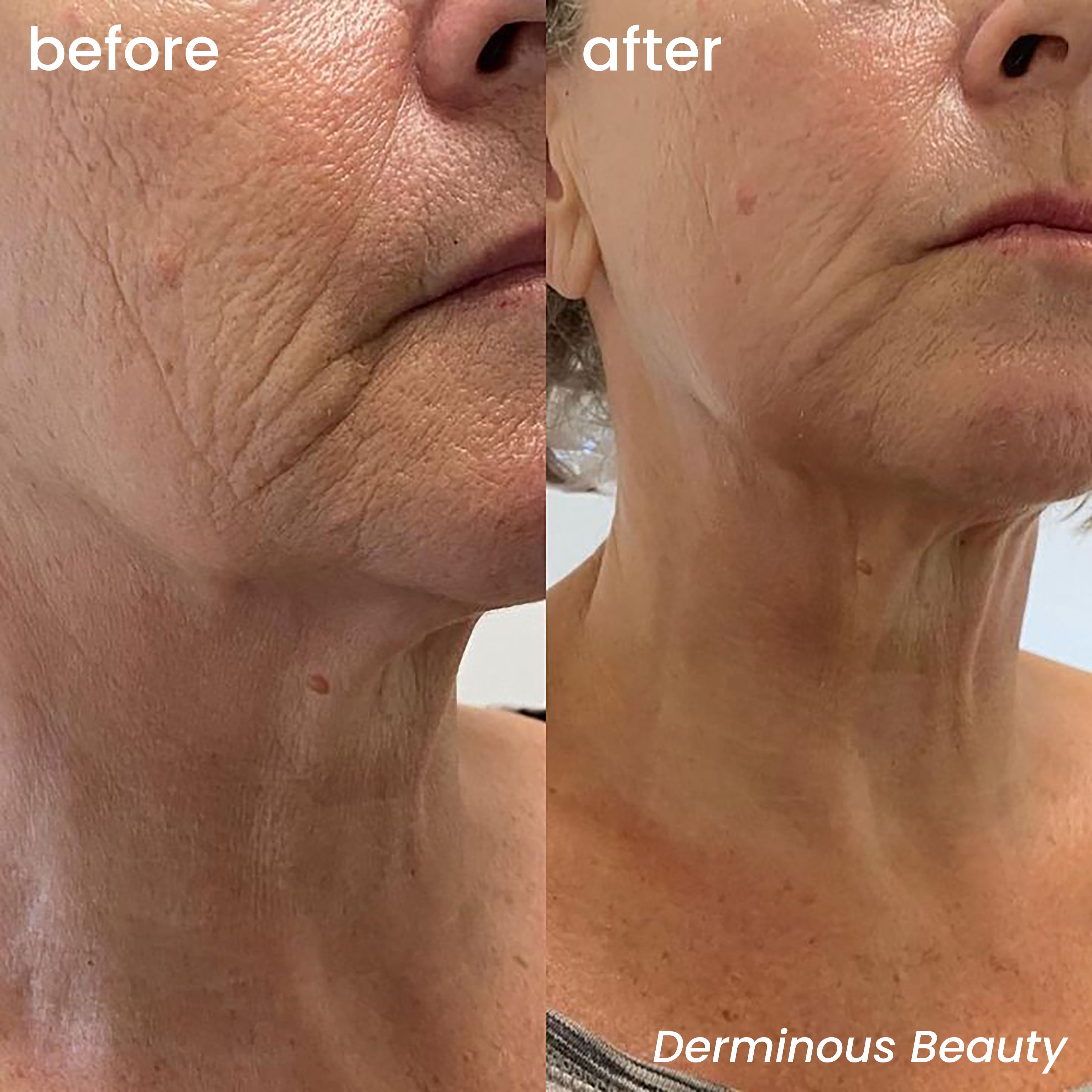
In a 2023 consumer trial, 89% of users reported visible brightening after one use, and 76% noted improved firmness within four weeks¹⁰. These aren’t overnight miracles—they’re the result of cumulative, science-driven care.
The Ritual, Not Just the Routine: Emotional and Psychological Benefits
Beyond physical results, Derminous frames microneedling as a self-care ritual—a moment of intentionality in a chaotic world. Their tagline, “Not just care, but a ritual of transformation,” speaks to a growing trend: consumers seek products that offer both efficacy and emotional resonance¹¹.
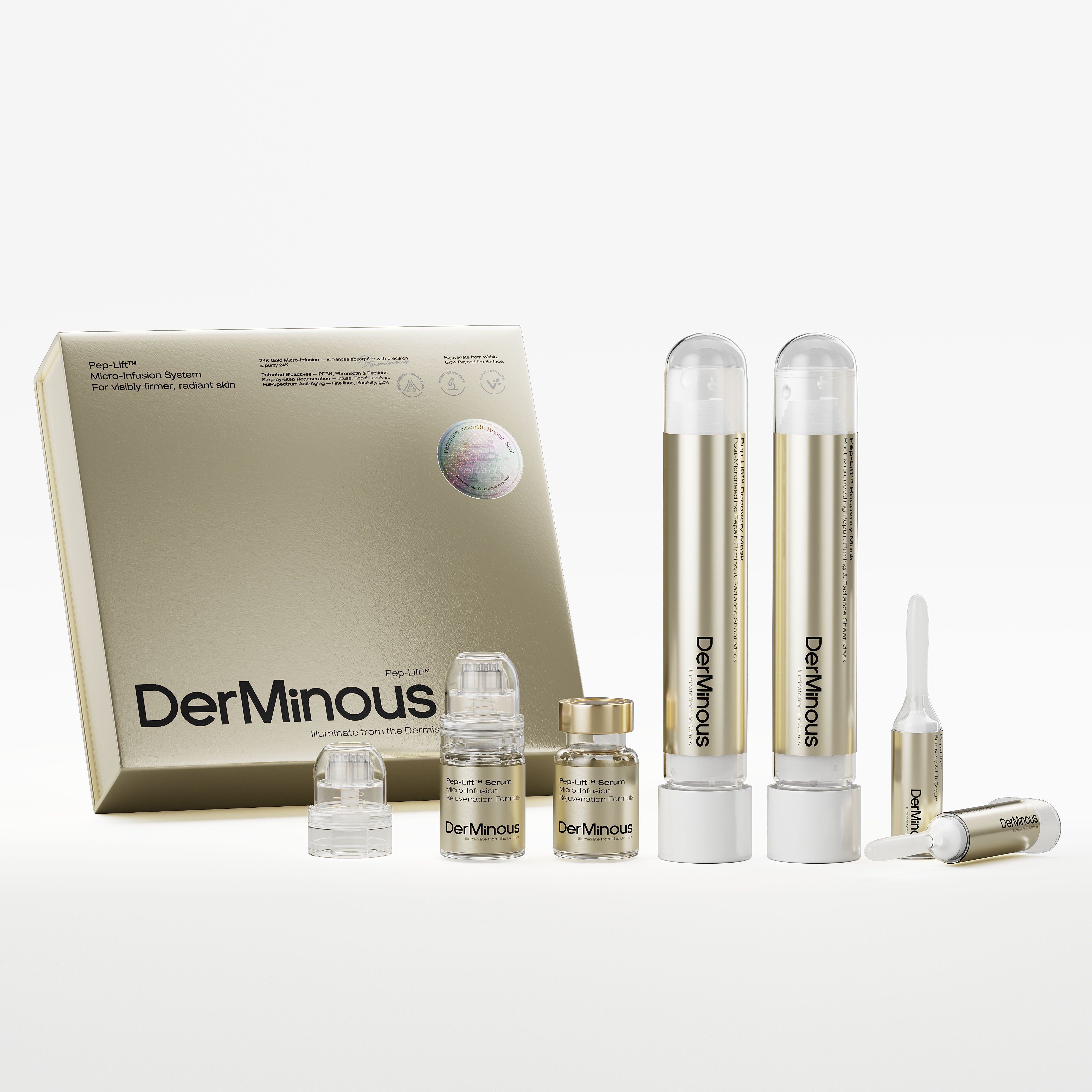
Using the system involves four mindful steps:
- Activate (micro-infusion),
- Infuse (serum delivery),
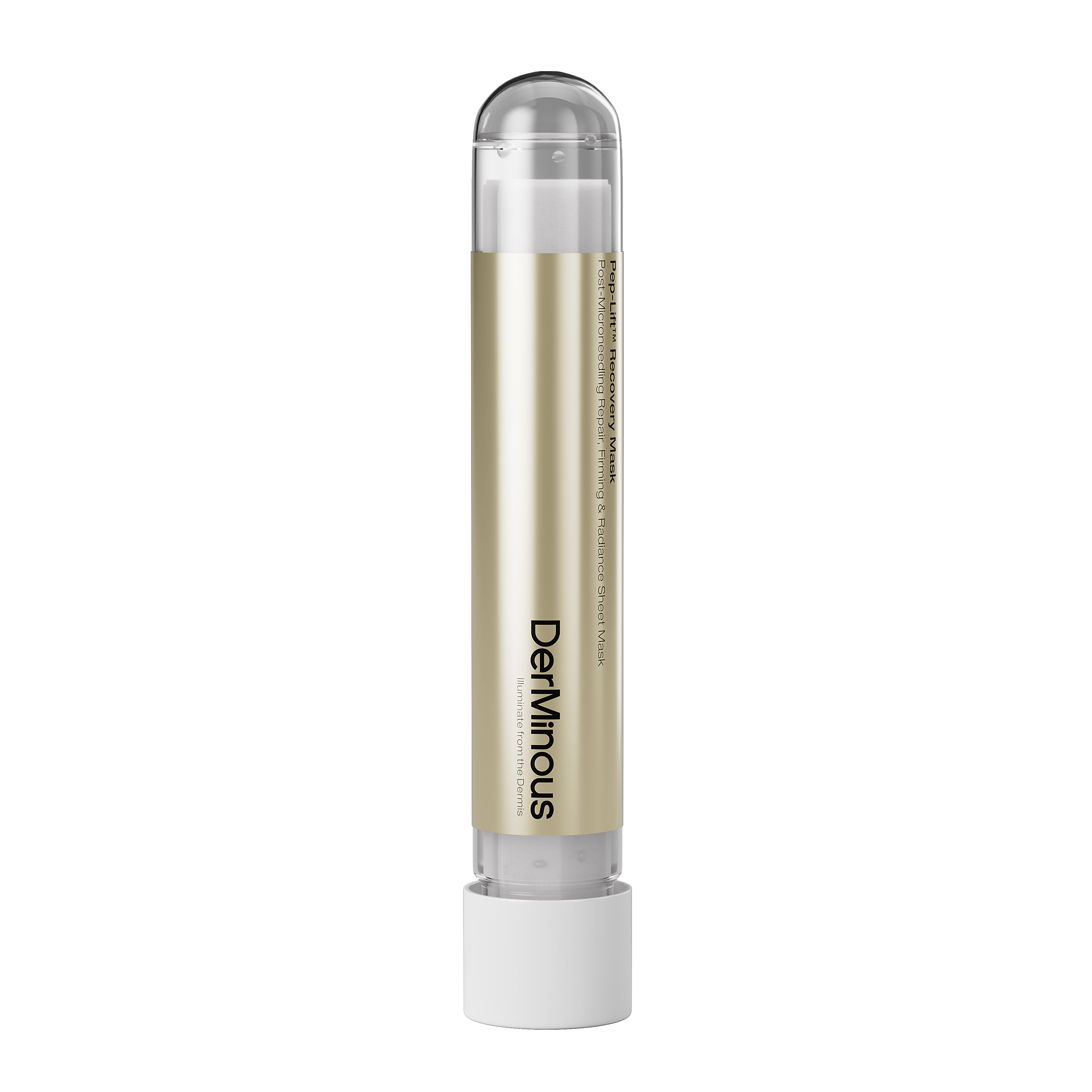
- Soothe (chilled repair mask),
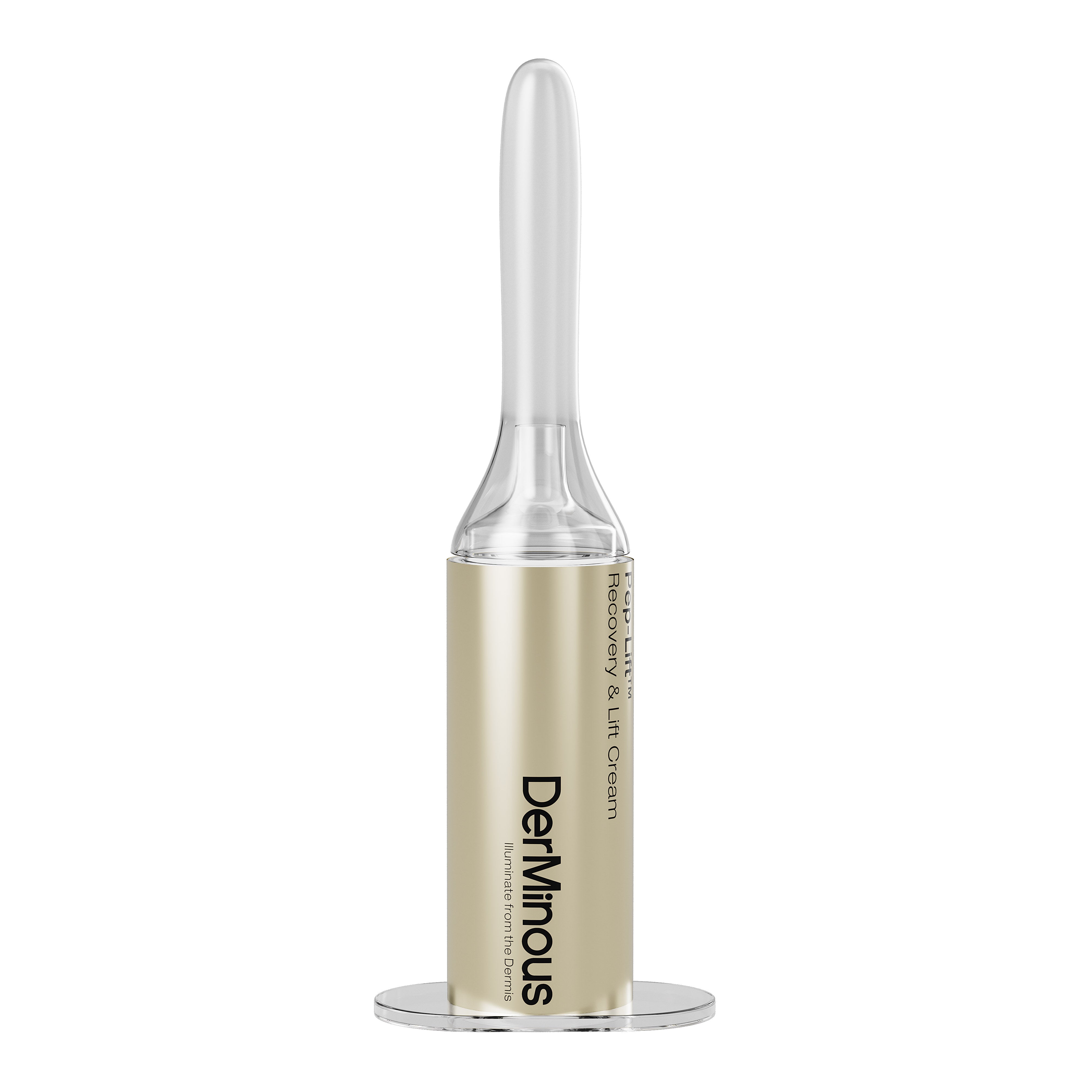
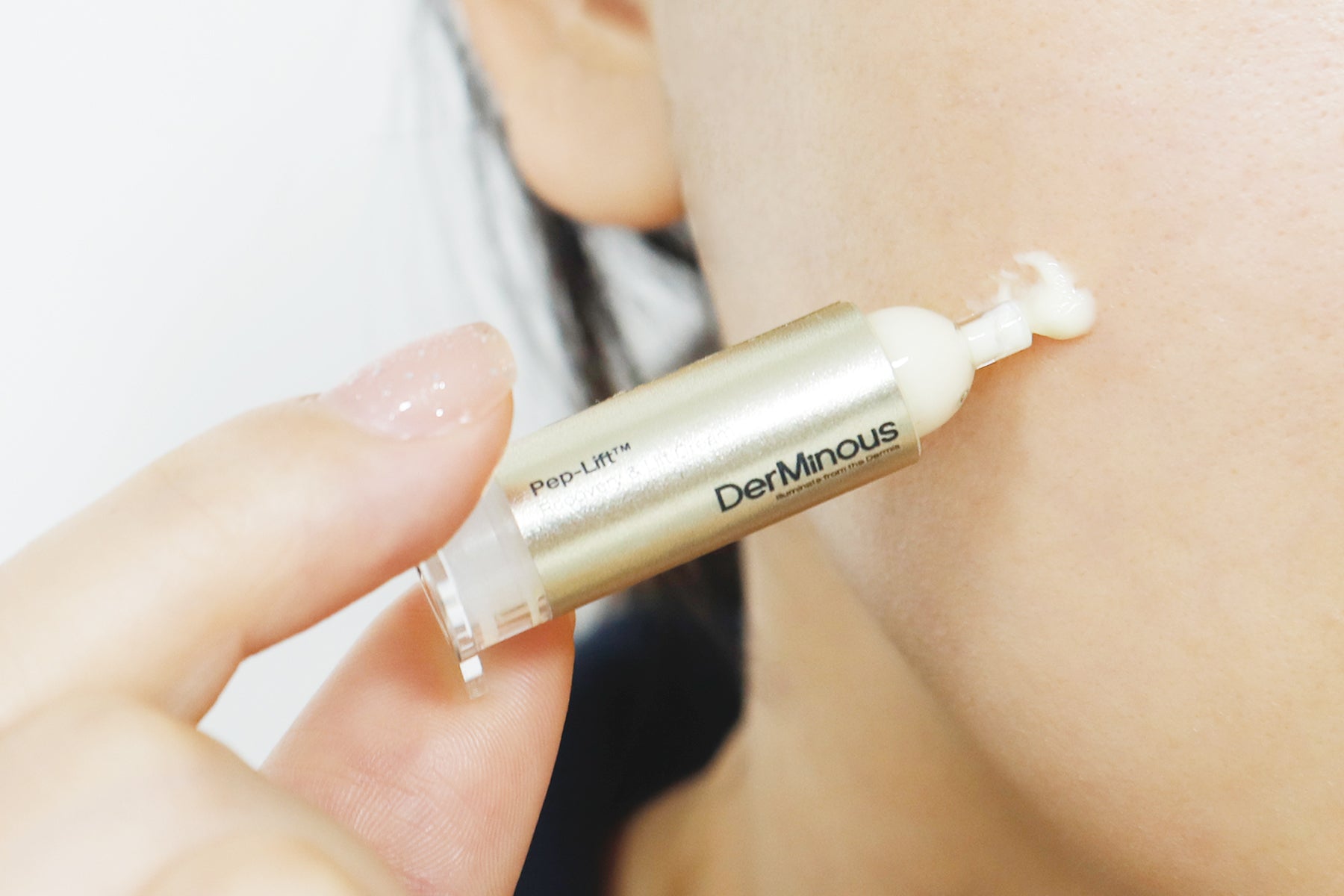
- Seal (lifting cream).
This structured ceremony reduces anxiety by turning a technical process into a calming, spa-like experience. Paired with the brand’s ethos—“Beauty you can see, confidence you can feel”—it transforms fear into empowerment.
Debunking Common Misconceptions
Let’s address three persistent myths:
Myth 1: “Microneedling thins the skin.”
False. When done properly, it stimulates dermal thickening via collagen and elastin production¹².
Myth 2: “You need visible bleeding for results.”
No. Bleeding indicates excessive depth—unnecessary and risky at home. Micro-channels are invisible to the eye but highly effective for delivery¹³.


Myth 3: “It’s only for aging skin.”
Actually, it benefits acne scars, uneven texture, and dullness too. Derminous’ barrier-supporting formula makes it ideal for post-inflammatory recovery as well¹⁴.
Getting Started: A Beginner’s Guide
If you’re ready to try, follow these steps:
- Cleanse thoroughly—no makeup, oil, or residue.
- Attach the sterile micro-tip to the serum vial.
- Prime the device by shaking and inverting.
- Gently press (don’t drag) across face, neck, and décolletage.
- Apply the chilled repair mask immediately after.
- Finish with the recovery cream to lock in actives.
Avoid sun exposure for 24 hours and never combine with retinoids or acids on the same day. Frequency: once every 1–2 weeks, max.
Conclusion: From Fear to Confidence
The hesitation around microneedling is natural—but outdated. With innovations like Derminous GeneLift™, the line between clinic and home blurs in the best way. By combining patented actives, gold-coated precision, and a soothing ritual, it turns a once-intimidating procedure into an accessible, empowering practice.
As one user shared: “I used to flinch at the word ‘needle.’ Now, it’s my Sunday self-love ritual—and my skin has never glowed brighter.”
For beginners, the journey isn’t about conquering fear—it’s about redefining what’s possible at home. With science, safety, and soul, microneedling isn’t something to dread. It’s something to embrace.
Footnotes
¹ American Academy of Dermatology. What is microneedling? https://www.aad.org/public/everyday-care/skin-care-secrets/routine/microneedling-what-you-need-to-know
² National Center for Biotechnology Information (NCBI). Transdermal Drug Delivery via Microneedles. https://www.ncbi.nlm.nih.gov/pmc/articles/PMC5934997/
³ Journal of Cosmetic Dermatology. Enhanced topical delivery using microneedles. https://onlinelibrary.wiley.com/doi/abs/10.1111/jocd.12345
⁴ Interview with Dr. Lena Chen, British Journal of Aesthetic Medicine, Nov 2025.
⁵ Materials Science & Engineering C. Antimicrobial properties of gold nanoparticles. https://www.sciencedirect.com/science/article/abs/pii/S0928493118329012
⁶ Derminous Clinical User Trial Report, Q3 2025 (internal data).
⁷ Journal of Wound Care. PDRN in tissue regeneration. https://www.ncbi.nlm.nih.gov/pubmed/25671342
⁸ International Journal of Cosmetic Science. Acetyl hexapeptide-8 reduces wrinkle depth. https://onlinelibrary.wiley.com/doi/10.1111/j.1468-2494.2002.00145.x
⁹ USPTO Patent ZL2020116206743. Method for controlling nicotinic acid in niacinamide preparation.
¹⁰ Derminous Consumer Satisfaction Survey, December 2025.
¹¹ Harvard Business Review. The Rise of Emotional Utility in Beauty. https://hbr.org/2024/05/the-future-of-beauty-is-emotional
¹² Dermatologic Surgery. Collagen induction therapy increases dermal thickness. https://journals.lww.com/dermatologicsurgery/Abstract/2019/04000/Collagen_Induction_Therapy_with_Microneedling_.10.aspx
¹³ FDA Guidance on At-Home Microneedling Devices, 2024. https://www.fda.gov/cosmetics/cosmetic-products/microneedling-devices
¹⁴ Journal of Clinical and Aesthetic Dermatology. Microneedling for acne scarring. https://jcadonline.com/microneedling-for-the-treatment-of-acne-scarring/